

‘There was a huge difference’: Shreyas Iyer explains India’s batting collapse in 4th ODI against New Zealand
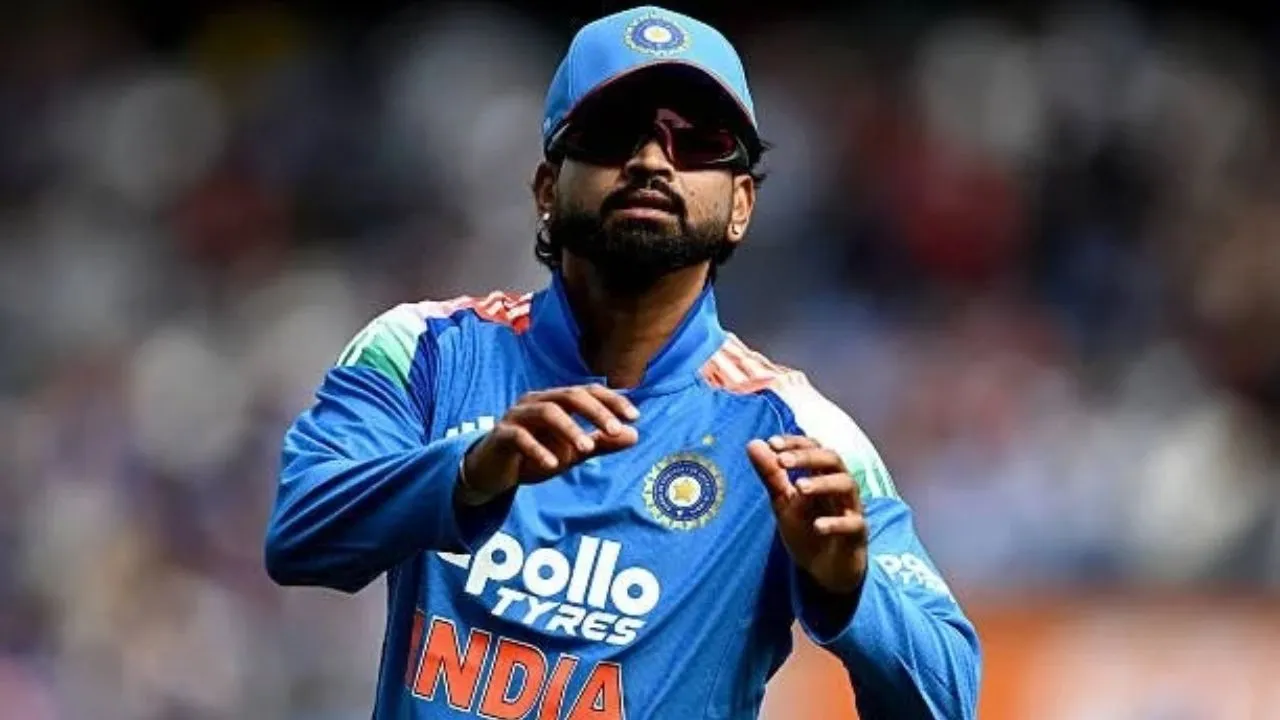
India Crushed by 244 Runs as Matt Henry’s Six-Wicket Burst Revives New Zealand
India suffered a crushing 244-run defeat to New Zealand at Bay Oval in Mount Maunganui, as a commanding century from Will Young and a devastating opening spell from Matt Henry turned the fourth ODI into a one-sided contest. The result cut New Zealand’s series deficit to 2-1 and left India facing urgent questions about their batting response and fielding execution.
Making his ODI captaincy debut, Shreyas Iyer described the performance as disappointing but credited New Zealand for exploiting the conditions. He pointed to the contrast between the two innings, while acknowledging that Henry’s accuracy with the new ball was decisive. India’s next challenge will be to regroup quickly and carry the confidence of their earlier wins into the final match.
Two Dropped Chances Give Will Young a Lifeline
India won the toss and chose to bowl, with Ruturaj Gaikwad, Ishan Kishan and Kuldeep Yadav coming into the side. Shubman Gill and KL Rahul were unavailable after joining the Test squad, while New Zealand made six changes from their previous ODI. The reshuffled home side began cautiously, but India’s early fielding lapses soon changed the shape of the innings.
Young was dropped twice in the space of two deliveries when he had scored only four. The missed opportunities proved costly. Given a second chance, he settled at the crease, first building a useful opening stand with Tim Seifert and then helping New Zealand maintain momentum through the middle overs.
Young’s innings grew in authority as he found gaps, punished loose deliveries and kept the scoreboard moving. A substantial partnership with Finn Allen strengthened New Zealand’s position, and Young went on to make 125 from 110 balls, striking 14 fours and four sixes. His hundred was not simply a personal milestone: it was the central innings in a total that India would struggle to approach.
New Zealand finished on 333 before being bowled out. India shared the wickets around, with Axar Patel, Gurnoor Brar and Auqib Nabi claiming two apiece, while Arshdeep Singh and Naman Dhir took one each. However, the missed catches and the runs conceded during Young’s recovery left the visitors with a demanding target.
Matt Henry Turns the Chase into a Collapse
India’s reply began in extraordinary fashion. Henry struck in the first over, removing Virat Kohli, Rohit Sharma and captain Iyer for ducks. The top order had no time to settle, and the scoreboard showed India at 0/3 before the chase had properly begun. When Gaikwad was dismissed soon afterwards, India had slumped to 9/4.
Henry’s spell combined pace with control, repeatedly challenging the batters with movement and well-directed lengths. Rather than relying only on speed, he made the new ball do the work, forcing India’s batters to make difficult decisions before they could establish a rhythm. His final figures of 6/27 earned him Player of the Match and underlined the scale of his impact.
Ishan Kishan and Axar Patel briefly steadied the innings, putting together a small partnership that carried India past 50. But the resistance did not last. Axar was dismissed for 21, while Kishan, India’s highest scorer, managed 27. With wickets falling regularly, the chase ended at 89—a total that ranked among India’s lowest against New Zealand in ODI cricket.
The margin of defeat reflected more than the gap between the two totals. New Zealand capitalised on India’s fielding errors and then delivered a disciplined bowling performance, while India could not recover from the shock of losing four wickets for nine runs. The match also highlighted how quickly an ODI can shift when a side combines a strong first-innings platform with an incisive new-ball attack.
Shreyas Iyer: “There Was a Huge Difference” Between the Innings
Speaking after the match, Iyer said the wicket appeared to behave differently in the two innings. In his view, batting conditions were more favourable when New Zealand made their runs, although he was careful to credit Henry for making the most of the ball’s movement.
“There was a huge difference in the first innings and the second innings in terms of the wicket,” Iyer said, as reported by Cricbuzz. “But credit where it’s due—the way Henry bowled in the right areas right from ball one was sensational.”
Iyer also noted that India had tried different bowling approaches while New Zealand were batting, including short-ball tactics, but Young and his teammates were able to play positively. The missed chances added to the frustration, though the captain acknowledged that dropped catches can occur in a match. For India, the key lesson is to convert early opportunities, particularly when facing a batter who goes on to make a major score.
India’s Prediction and Priorities for the Final ODI
Iyer said the team had expected to chase successfully after seeing New Zealand post 333, but the movement in the second innings made the task much harder. He stressed that the dismissals came from quality deliveries rather than careless shots, while accepting that India must review both their batting and bowling before the next game.
For India, the immediate priority is to reset rather than allow one heavy defeat to define the series. A careful review of the first-innings fielding, the bowling plans against Young and the top order’s response to Henry should help identify practical adjustments. The final ODI offers an opportunity to restore momentum and prevent New Zealand from drawing level.
There is reason for perspective: India still lead the series 2-1 and have already shown they can win in this contest. The prediction for the decider will depend on how quickly the visitors recover from the collapse, whether their fielders take their chances and how effectively they handle New Zealand’s seam attack. Iyer’s message was straightforward: analyse what went wrong, take confidence from the earlier victories and arrive with a fresh mindset.
New Zealand, meanwhile, will take considerable confidence from a performance built on patience, resilience and precision. Young made India pay for two early reprieves, and Henry ensured the target never became a realistic chase. With the series still alive, the final match now carries added significance for both teams.
Latest News

SA vs BAN Playing 11 Today, Live Streaming, Pitch & Weather: South Africa tour of Bangladesh 2026, 2nd Test

AUS vs ENG Playing 11 Today, Live Streaming, Pitch & Weather: England tour of Australia 2026, 2nd T20I

Blair Tickner ruled out of 2nd Test vs India, replacement named

Tim Paine and Justin Langer face fresh questions over Australia’s ball-tampering scandal

India tour of Bangladesh gets fresh hope as BCB confirms talks with BCCI

Tom Latham opens up on soft ball problem and saliva ban after draw against India

Ajinkya Rahane slams Tilak Varma for publicly criticising Shahbaz Ahmed after India A’s defeat

ICC to introduce IPL-style bat checks in international cricket

“Smiling Laughing doesn’t happen”: R Ashwin’s dig at India’s approach after draw vs New Zealand

“Not good enough for Test cricket”: Scott Styris, Sunil Gavaskar slam Wellington pitch

Dodda Ganesh declares India ‘out of WTC final race’ after Wellington Test draw

Ajinkya Rahane criticises Shubman Gill for abusing Akash Deep in 1st Test vs New Zealand

‘Why so many boundary riders?’ Dinesh Karthik questions Shubman Gill’s captaincy after Wellington Test

“I just want to enjoy my life”: Yash Dayal reflects on his return to cricket


