Tilak Varma reveals reason behind Karun Nair’s Duleep Trophy semi-final omission
Prediction and Performance in the Duleep Trophy: The Case of Karun Nair and Tilak Varma
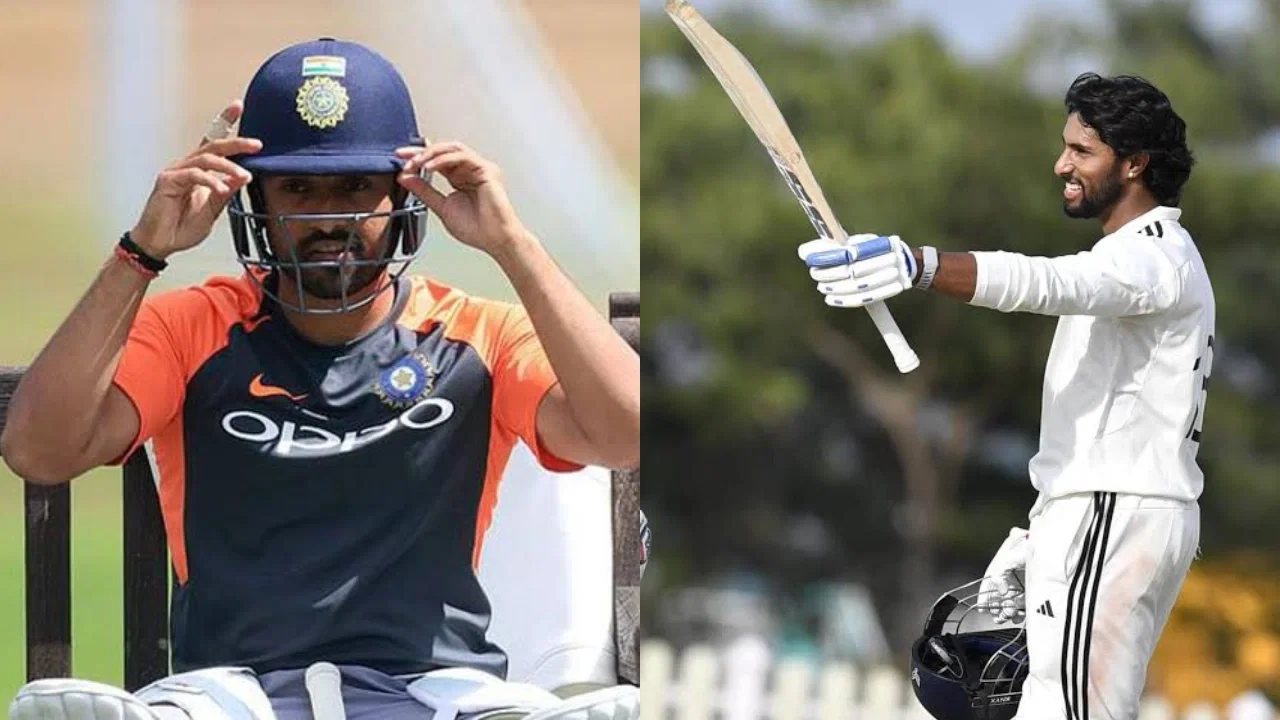
The ongoing Duleep Trophy has once again highlighted the unpredictable nature of cricket, where timing, form, and strategy intertwine to influence team selections and match outcomes. Recently, South Zone’s captain Tilak Varma shed light on the decision to drop seasoned domestic star Karun Nair from their semi-final squad, a move that surprised many given Nair’s illustrious career and impressive statistics.
Understanding the Context: Why Was Karun Nair Dropped?
Karun Nair, with a remarkable record of 9,374 runs in First-Class cricket at an impressive batting average of 49.33, is widely regarded as one of India’s most talented and reliable middle-order batsmen. His experience and consistency over the years have made him a key figure in domestic cricket circles. Yet, despite this, Nair was left out of South Zone’s playing XI for the semi-final against North Zone, a decision that sparked debate among cricket fans and experts alike.
Tilak Varma, who led South Zone to a seven-wicket victory, explained that the decision was based on strategic considerations rather than a reflection of Nair’s ability. He described Nair’s omission as “unlucky” and rooted in tactical planning, particularly related to the opposition’s bowling attack and team composition needs.
Strategic Selection: Why Kodimeal Himateja Was Chosen Over Nair
In the absence of Nair, 24-year-old Kodimeal Himateja was entrusted with the middle-order responsibilities. Himateja, a left-handed batter from Telangana, has shown promising form in recent times—scoring 1,008 runs in 15 matches with an average of 45.81, including five half-centuries and two centuries. His aggressive style and versatility as a left-handed batsman made him an appealing choice for the team’s tactical setup.
Himateja’s inclusion was primarily aimed at countering North Zone’s left-arm spinners, which posed a significant threat to right-handed batters. By bringing in a left-handed middle-order batter, South Zone aimed to add variety and disrupt the bowling plans of their opponents. Tilak Varma emphasized that the decision was made to match the specific demands of the game, especially considering North Zone’s strategic bowling strengths.
The Match Outcome and Himateja’s Performance
Despite the strategic move, Himateja’s performance in the semi-final was underwhelming. He returned with a duck in the first innings and did not get an opportunity to contribute significantly in the second innings, as South Zone’s batters took control of the match. Nevertheless, the victory was a team effort, and Varma’s leadership and resilience played pivotal roles.
Interestingly, the decision to exclude Nair was not taken lightly. It underscores the complex nature of team selection in multi-day formats, where factors such as pitch conditions, opposition strengths, and team balance are critically evaluated. Sometimes, even players with stellar records are rested or replaced, based on predictions about what the team needs in a specific context.
Prediction in Cricket: The Role of Strategy and Form
The concept of prediction in cricket is multifaceted. Coaches and captains analyze statistical data, recent performances, pitch conditions, and opposition strengths to forecast how players will perform. These predictions inform selection decisions, tactical adjustments, and game plans.
In the case of Karun Nair, the prediction was that his inclusion might not align optimally with South Zone’s strategy against North Zone’s bowling attack. Conversely, Himateja’s recent form and specific skill set led to a favorable prediction that he could provide the necessary balance and adaptability in the middle order.
Insights Into Player Form and Future Prospects
Himateja’s recent performances in domestic cricket and the TG20 league underscored his potential. His unbeaten century for the Anvita Khammam Aces and solid scores against various teams highlighted his readiness for higher levels of competition. These performances played a crucial role in Tilak Varma’s decision-making process, aligning with the broader trend of nurturing young talent and assessing players based on current form rather than solely on historical achievements.
For Nair, the semi-final exclusion represents a moment of reflection and a test of resilience. Despite being “unlucky” in this instance, his career trajectory remains promising, with many predicting that he will bounce back and continue to be a significant figure in Indian domestic cricket. The prediction about Nair’s future hinges on his ability to adapt, regain form, and seize opportunities when they arise.
The Broader Implications: Prediction and the Dynamics of Team Selection
This episode exemplifies how prediction models and strategic foresight are integral to cricket management. Teams increasingly rely on data analytics, player performance trends, and opposition analysis to make informed decisions. The art of prediction in cricket involves balancing statistical insights with intuitive judgment—an approach that can sometimes lead to controversial or unexpected choices, as seen with Nair’s omission.
Moreover, the decision reflects the evolving nature of cricket where younger players are given opportunities based on their potential to adapt quickly and make an impact, especially in multi-format tournaments. It also emphasizes the importance of versatility and strategic planning—traits that are becoming essential in modern cricket.
Conclusion: What Lies Ahead?
As the Duleep Trophy progresses, the focus will remain on how teams utilize prediction to shape their lineups and tactics. For players like Karun Nair, the challenge is to leverage upcoming opportunities, demonstrate resilience, and re-establish their position through consistent performances. Meanwhile, young talents like Kodimeal Himateja will look to capitalize on their chances and continue their upward trajectory.
The recent decisions underscore a fundamental truth in cricket: success often depends on meticulous prediction, strategic planning, and the ability to adapt swiftly to changing circumstances. Whether it’s a seasoned veteran or a young prospect, the ability to read the game and make the right call remains at the heart of cricket’s unpredictable charm.
In the end, the prediction models and strategic choices made today will shape the narratives of tomorrow’s cricketing stars—reminding us that in cricket, as in life, timing and luck are as crucial as talent.
Latest News
India to host inaugural ICC Women’s Champions Trophy 2027 in Mumbai, Vadodara
Shubman Gill, Shreyas Iyer under pressure as BCCI calls review meeting
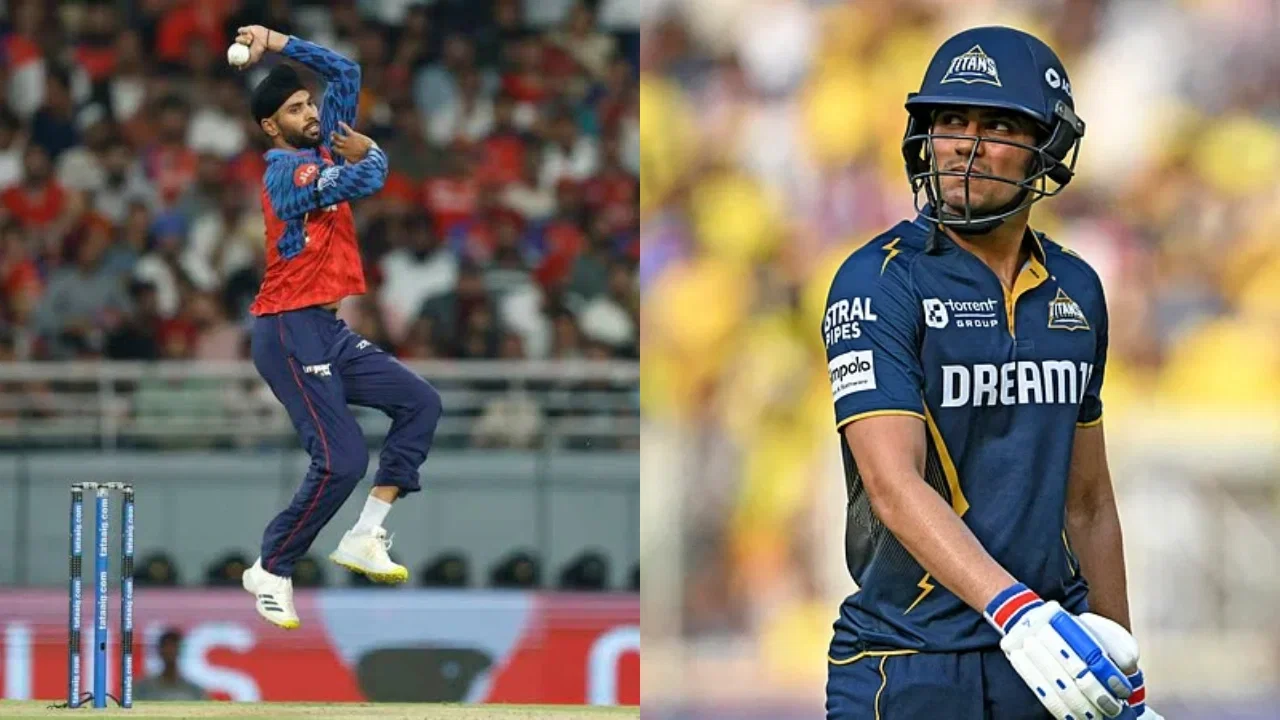
Harpreet Brar names Shubman Gill dream wicket, wants Impact Player rule scrapped
Rohit Sharma’s ODI future to be decided at high-profile BCCI meeting
“World is laughing harder”: Usman Khawaja trolls Aaqib Javed over Pakistan’s mass sackings
Tilak Varma reveals reason behind Karun Nair’s Duleep Trophy semi-final omission
BCCI calls Gautam Gambhir, Ajit Agarkar and VVS Laxman for review meeting
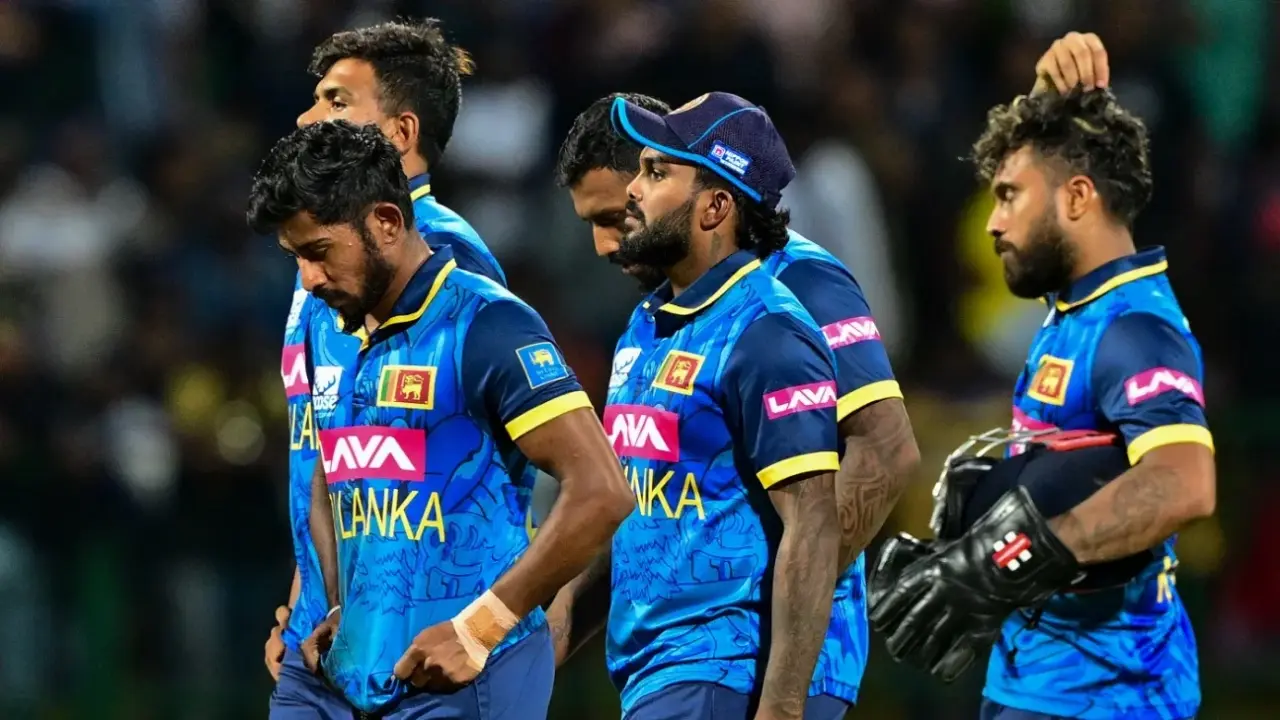
Sri Lanka ODI, T20I squads for England tour officially announced; Kusal Mendis captain, Charith Asalanka VC

Geoffrey Boycott calls Ravindra Jadeja ‘very handsome’ and his ‘favourite cricketer’

Ben Stokes to open for Adelaide Strikers in BBL 2026-27
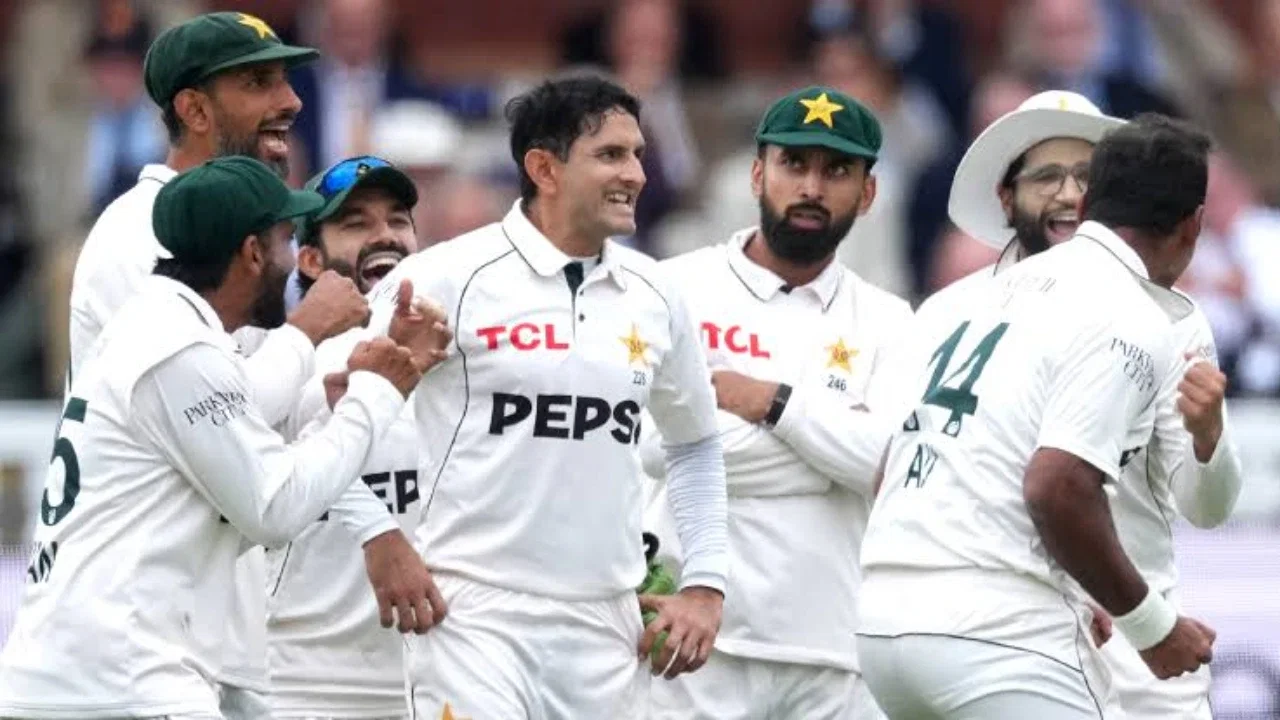
Pakistan players learn of mass axing through family messages, report claims

Team India’s new fitness policy: 200% fitness required for selection

Ollie Robinson breaks into top 5 in ICC Test Rankings; Dewald Brevis challenges Abhishek Sharma, Ishan Kishan
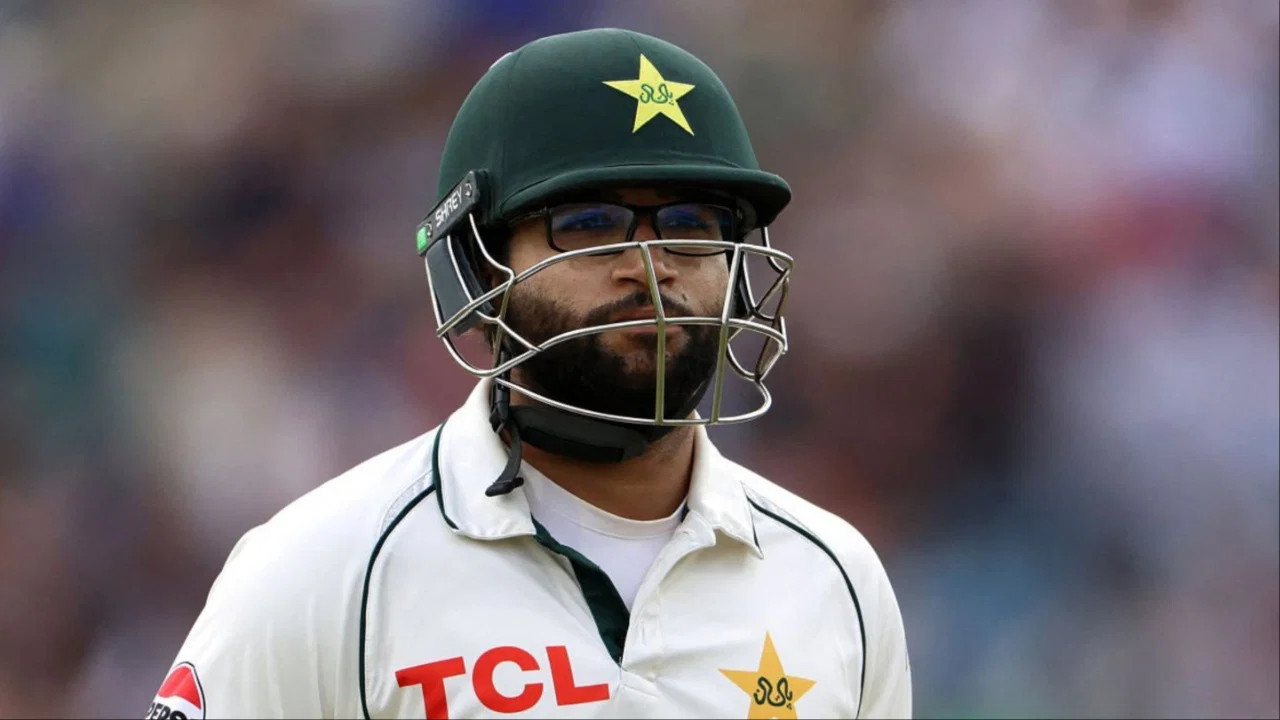
Imam-ul-Haq could face two-year ban after Lord’s Test injury controversy