Tim Paine calls Cheteshwar Pujara the most irritating Indian cricketer
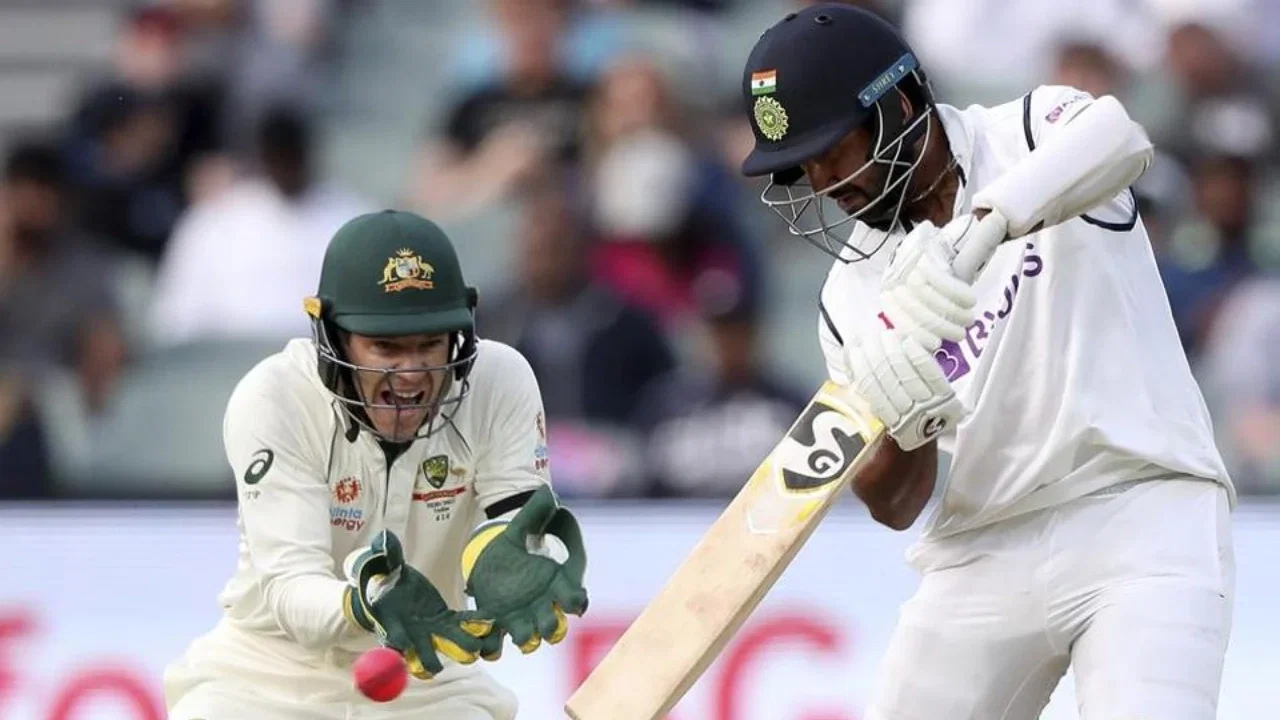
Tim Paine Reflects on the Challenge Posed by Cheteshwar Pujara and Insights into Australia’s Preparation for Indian Conditions
In an candid and insightful interview, former Australian cricket captain Tim Paine has shared his perspective on some of the most formidable opponents he faced during his tenure, with a particular focus on India’s resilient batter, Cheteshwar Pujara. Paine’s observations shed light not only on Pujara’s unique batting style but also on Australia’s strategic approaches as they prepare to face India in upcoming Test series. This comprehensive analysis offers cricket enthusiasts a deeper understanding of the prediction for future encounters, the challenges posed by Indian batting prowess, and Australia’s efforts to develop their young talent in Indian conditions.
Cheteshwar Pujara: The Embodiment of Patience and Resilience
The Making of a Test Cricket Nightmare
Cheteshwar Pujara has long been regarded as one of India’s most dependable Test batsmen, built on a foundation of unyielding patience, technical precision, and exceptional concentration. Throughout his career, Pujara has faced over 16,200 balls in international cricket, maintaining an impressive batting average of 43.61. His ability to anchor innings and frustrate even the most lethal bowling attacks made him a formidable opponent, especially against Australia, where his style often tested the limits of the bowlers’ endurance.
What sets Pujara apart is his remarkable technique and mental toughness. His approach to batting is characterized by a methodical, almost stoic demeanor—he leaves outside off-stump deliveries for hours and absorbs body blows from fast bowlers without losing focus. This unwavering concentration often shifts the momentum of a match, forcing bowlers to exhaust their resources and patience.
The Unique Batting Style that Gave Australia a Nightmare
One of Pujara’s signature techniques involves his distinctive stance and movement. His back knee often collapses when he plays, which, while occasionally making him vulnerable to short-pitched balls, grants him the advantage of getting low against spin bowling and executing precise shots through the off side. His ability to create angles with his front-foot press allows him to manipulate the field and find gaps, thereby extending his stay at the crease.
This style was particularly effective during India’s historic Test tours of Australia in 2018-19 and 2020-21. Pujara’s relentless patience and ability to grind down the Australian bowlers became a key factor in India’s success, as his long innings not only accumulated runs but also drained the opposition’s energy and mental resilience. His capacity to absorb pressure and play long, disciplined innings forced Australia to constantly rethink their bowling strategies.
Tim Paine’s Perspective: Pujara’s Toughness and the Aussie Battle to Dismiss Him
Former Australian captain Tim Paine vividly recalls the challenge Pujara posed to his team. Paine emphasized that Pujara’s concentration and discipline made him one of the most difficult batsmen to dismiss. Despite numerous attempts, Australia struggled to find a breakthrough against him. Paine specifically mentioned how Pat Cummins eventually succeeded in dismissing Pujara, catching him behind the wicket, but highlighted that Pujara’s resilience made him a nightmare for the Australian bowlers.
In Paine’s own words, as reported by the Times of India, “Pujara was hard to get out. He had great concentration and discipline and was tough. He used to irritate us. We were just trying to get him out. Pat Cummins eventually figured him out a bit and got him caught behind.” This quote underscores the prediction that future Australian teams will continue to prioritize strategies to contain Pujara’s style, which remains a benchmark for patience and resilience in Test cricket.
Australia’s Strategic Development: Preparing for Indian Conditions
Australian A Tour: Investing in the Next Generation
Parallel to these reflections, Australia’s cricketing authorities are actively investing in developing their young talent to succeed in challenging Indian conditions. Currently, Australia A is touring India for two unofficial Test matches and three unofficial ODIs against India A. Under the guidance of Tim Paine, now serving as coach, this tour aims to provide emerging Australian cricketers with vital experience in the subcontinent’s unique cricketing environment.
Such A tours are a critical component of Australia’s strategic prediction for future success against India. Playing in Indian conditions helps young players adapt to the prevalent pitches, which often favor spin bowling and require specific technical adjustments. Paine emphasizes that these tours are essential for understanding the intricacies of Indian cricket, enabling players to develop tailored game plans for high-stakes series like the Border-Gavaskar Trophy.
Building Game Plans and Learning from Indian Batting Stars
Paine highlighted the importance of studying Indian batting techniques, particularly against spin and pace, to formulate effective strategies. He pointed to young Australian bowlers who are honing their skills by bowling to talented Indian batters such as Devdutt Padikkal and Sai Sudharsan. Paine believes that exposure to quality Indian players under difficult conditions is an invaluable learning experience, helping to refine their prediction of how to dismiss such batsmen in the future.
“There’s a lot of footage available, but if it was as simple as identifying weaknesses and exploiting them, players wouldn’t be the high-caliber cricketers they are now,” Paine remarked. This insight underscores the complexity of cricket prediction, emphasizing that success involves understanding not only technical flaws but also mental resilience and adaptability.
The Challenge of Prediction in Indian Conditions
Why Prediction Is Difficult Yet Crucial
In cricket, especially in Test matches played in India, the prediction of outcomes remains one of the sport’s most complex and intriguing aspects. The unpredictable nature of Indian pitches—ranging from dry, spinning surfaces to humid, seam-friendly tracks—means that teams must constantly adapt their strategies. The prediction of match results, player performances, and even individual dismissals hinges on a multitude of factors, including pitch behavior, weather conditions, player form, and psychological resilience.
Tim Paine’s insights into the challenges faced by Australian bowlers and batsmen in Indian conditions highlight the importance of ongoing preparation, analysis, and prediction. Success depends on accurately forecasting how the ball will behave and how players will respond under pressure. This is why ongoing exposure, like Australia A’s tour, is considered vital for making informed predictions and developing winning strategies.
Future Outlook: What to Expect in the Next Series
Looking ahead, the prediction for upcoming India-Australia Test series suggests a closely contested battle. India’s formidable batting lineup, anchored by players like Cheteshwar Pujara, combined with the unpredictable spin-friendly pitches, makes them favorites in their home conditions. However, Australia’s strategic focus on nurturing young talent and their resilience in adapting to Indian conditions could tilt the prediction in their favor, especially if their bowlers can replicate success in dismissing key Indian batsmen.
Moreover, the experience gained during tours like the Australia A trip provides Australian players with a valuable edge. They are better equipped to handle the nuances of Indian cricket, which could influence the prediction for match outcomes and individual performances.
Conclusion: The Continuous Battle of Strategy and Resilience
In conclusion, Tim Paine’s reflection on Cheteshwar Pujara underscores the importance of patience, discipline, and strategic adaptation in Test cricket—traits that define the prediction of success in Indian conditions. As Australia invests in nurturing its next generation of cricketers through targeted tours and analysis, the prediction for future encounters remains dynamic, characterized by the constant interplay of skill, mental toughness, and tactical foresight.
Cricket fans worldwide eagerly await the next chapter of this ongoing rivalry, knowing that the prediction of victory or defeat will depend on who best adapts to the challenging, unpredictable nature of Indian pitches and the resilience of their players. The future promises a continuation of this fascinating battle of endurance, technique, and strategic mastery.
Latest News

Yash Dayal returns to UP Ranji camp amid sexual exploitation allegations
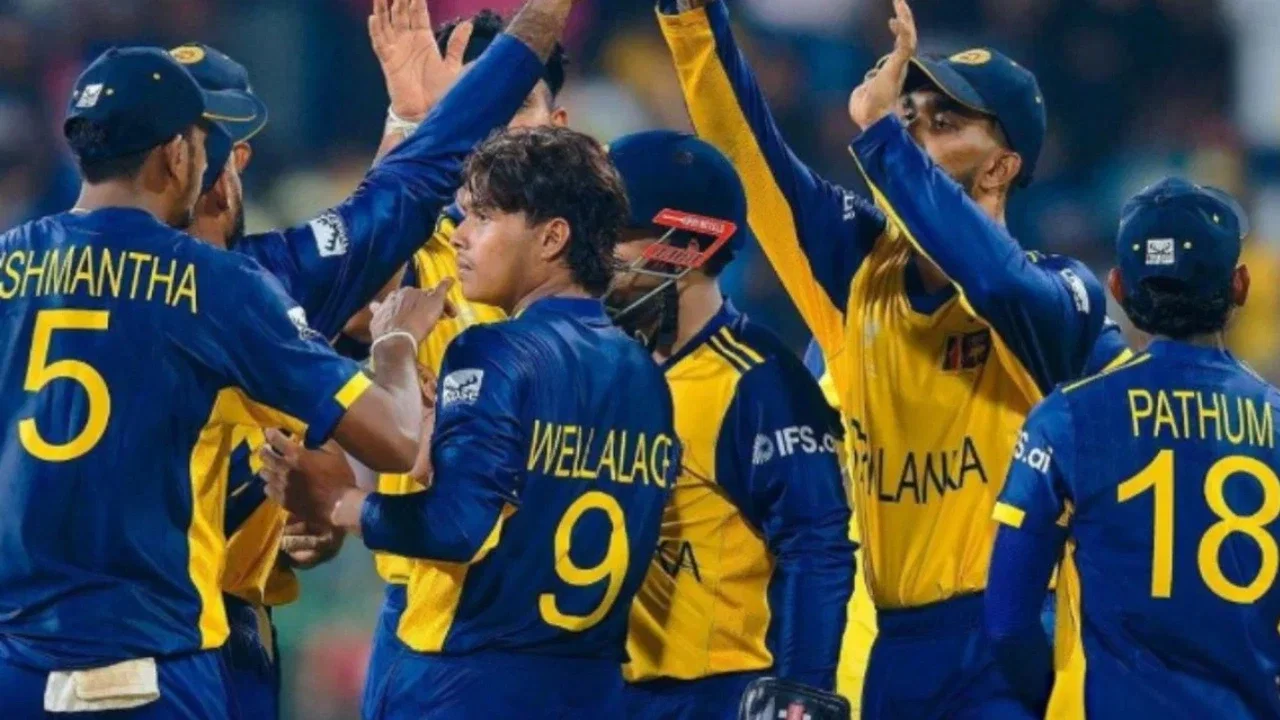
Sri Lanka announce 15-member squad for 2026 Asian Games, Sahan Arachchige named captain

Vansh Bedi issues official statement on match-fixing allegations

Aakash Chopra takes dig at Sano pitch after India edge Japan by 2 runs

Japan captain questions Vaibhav Sooryavanshi’s snub after nearly beating India

Colin Ingram bids farewell to playing career, begins new chapter with Glamorgan

India regain No.1 T20I ranking just 72 hours after losing it to England

Sikandar Raza urges top teams to visit Zimbabwe, reveals key plan for 2027 World Cup hosts

Joe Root reaches massive milestone, becomes second England batter to play 100 ODIs

Former India batter reveals major concern over Zaheer Khan’s CSK appointment
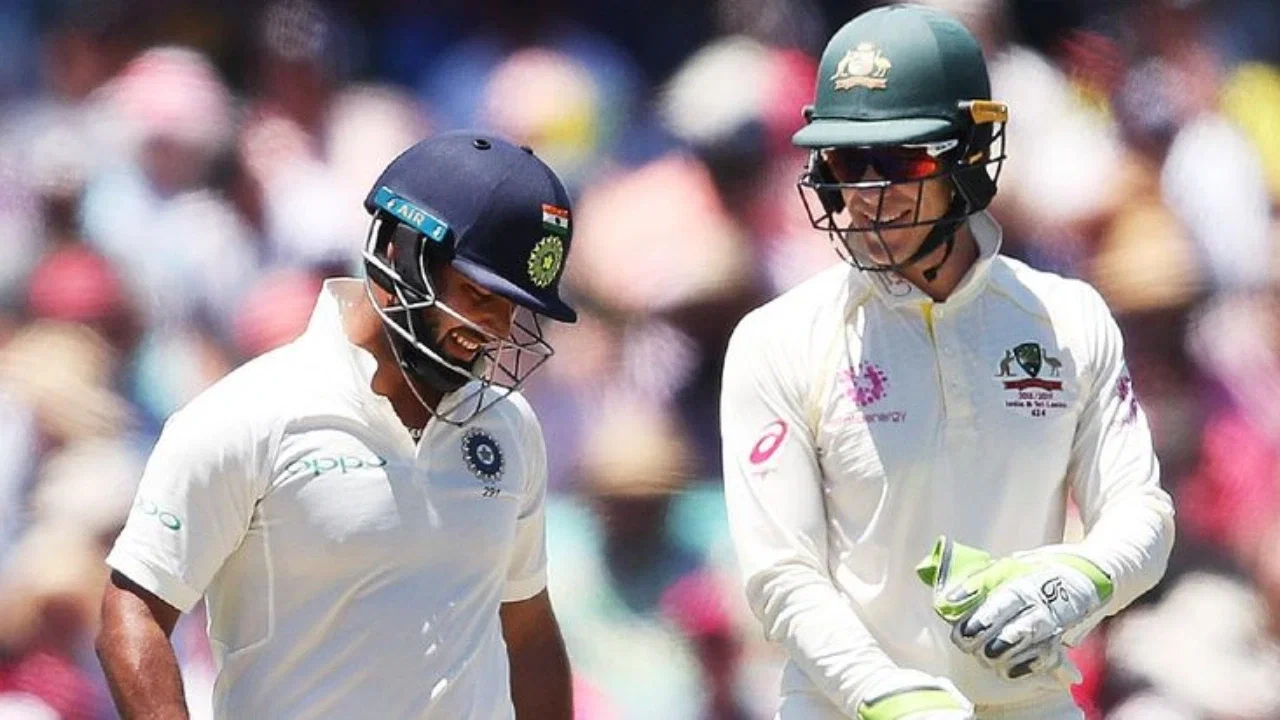
Tim Paine surprised by Rishabh Pant’s India white-ball snub, sends strong message
Tim Paine calls Cheteshwar Pujara the most irritating Indian cricketer
Joe Root joins elite club, becomes first England batter to reach 23,000 international runs

Adil Rashid injury update: England spinner ruled out of ODI series vs Sri Lanka