TNPL player banned for rest of season, fined Rs 1 lakh after ACSU violation

The Tamil Nadu Premier League Faces Controversy with Player Breaching Anti-Corruption Protocols
The Tamil Nadu Premier League (TNPL) is known for being one of the finest regional franchise-based tournaments in India, producing great talents over the years. However, the ongoing season of the TNPL has been marred by controversy as an all-rounder, who made his debut for Tamil Nadu last year in the Ranji Trophy, has been restricted from participating in the tournament.
The player’s name has not been disclosed in reports by the Indian Express, but it has been revealed that he breached anti-corruption protocols, leading to his release from the undisclosed TNPL franchise. The incident took place when the Anti-Corruption and Security Unit (ACSU) of the Board of Control for Cricket in India (BCCI) recovered a mobile phone from the player, which he had not submitted in the designated area in the Player and Match Officials Area (PMOA).
Violation of Anti-Corruption Protocols
The incident occurred on August 10 at the NPR College ground in Dindigul’s Natham, and the ACSU promptly reported it to the Tamil Nadu Cricket Association (TNCA). U Bhagawandas Rao, the TNCA secretary, stated that the player has been instructed not to take the field for the rest of the season until the investigation is completed.
As a result of the violation, the player faces a proposed fine of INR 1 lakh for breaching the anti-corruption rule. The ACSU sources mentioned that using a mobile phone in the dressing room is a serious offense and a violation of the code of conduct for players.
Investigation and Further Actions
The TNCA is currently investigating the matter and will take appropriate actions based on the findings. The player has been asked to appear for an inquiry to provide an explanation for his actions. While no direct contact with betting sites or bookies has been found on the player’s mobile phone, the breach of anti-corruption protocols is still a serious offense.
According to ACSU sources, the player was unable to provide a satisfactory explanation for his violation, leading to the imposition of the initial fine. Any additional punishment or fines will be decided by the TNCA upon the completion of their investigation.
In response to the controversy, U Bhagawandas Rao reiterated that the TNCA is committed to upholding the integrity of the game and will take strict actions against any breaches of anti-corruption protocols to maintain the credibility of the TNPL.
Overall, the TNPL is facing a challenging situation with one of its players violating anti-corruption rules, highlighting the importance of maintaining fair play and ethical conduct in regional cricket tournaments.
Impact on TNPL’s Reputation
The controversy surrounding the player’s breach of anti-corruption protocols has undoubtedly cast a shadow over the Tamil Nadu Premier League’s reputation. As a tournament that aims to showcase emerging talents and promote cricket at the regional level, such incidents can tarnish its image and raise questions about the league’s integrity.
Fans, players, and stakeholders in cricket are likely to be disappointed by the news, as they expect fair play and adherence to strict regulations to maintain the credibility of the sport. The TNPL organizers will need to address this issue promptly and transparently to restore faith in the tournament and reassure the cricketing community of their commitment to upholding ethical standards.
Importance of Anti-Corruption Measures
The incident serves as a reminder of the critical role played by anti-corruption measures in safeguarding the integrity of cricket. With the proliferation of betting and match-fixing scandals in recent years, governing bodies and cricket associations have implemented stringent protocols to prevent such malpractices and maintain the purity of the game.
Players, coaches, officials, and all individuals associated with cricket are expected to adhere to these rules and regulations to ensure a level playing field and uphold the values of sportsmanship. Any breaches of anti-corruption protocols must be swiftly addressed and dealt with to protect the sport’s integrity and prevent any potential damage to its reputation.
Educating Players on Anti-Corruption Policies
One of the key takeaways from this incident is the need for continuous education and awareness programs for players regarding anti-corruption policies. Young cricketers, especially those transitioning from domestic to professional cricket, must be well-informed about the consequences of engaging in any activities that could compromise the integrity of the sport.
Cricket associations and governing bodies should invest in training programs, workshops, and resources to educate players on the risks associated with corruption, the importance of reporting suspicious activities, and the consequences of violating anti-corruption regulations. By empowering players with knowledge and awareness, the likelihood of such incidents occurring can be minimized, protecting the sport from potential harm.
Enhancing Oversight and Monitoring
In light of this controversy, there may be calls for enhanced oversight and monitoring of players during tournaments to prevent similar breaches in the future. Strict enforcement of anti-corruption protocols, including regular checks, surveillance, and disciplinary actions, can serve as deterrents and reinforce the message that any misconduct will not be tolerated.
Cricket authorities may consider implementing stricter guidelines, conducting surprise inspections, and leveraging technology to monitor players’ activities and behaviors more effectively. By proactively addressing potential vulnerabilities and strengthening vigilance, the risk of corruption and unethical practices can be mitigated, safeguarding the integrity of the sport.
Conclusion
In conclusion, the controversy surrounding the player’s breach of anti-corruption protocols in the Tamil Nadu Premier League underscores the importance of upholding ethical standards and preserving the integrity of cricket. It highlights the ongoing challenges faced by sports authorities in combating corruption and emphasizes the collective responsibility of players, officials, and administrators in maintaining a clean and fair sporting environment.
Moving forward, it is imperative for cricket associations, leagues, and governing bodies to continue prioritizing anti-corruption measures, educating stakeholders, and implementing robust monitoring mechanisms to protect the sport from misconduct and uphold its values. By learning from such incidents and taking proactive steps to prevent them, cricket can continue to thrive as a symbol of integrity, passion, and sportsmanship.
Latest News
Top 10 highest run-chases in T20 cricket history, ft. West Indies’ Ranchi win vs India
Aaryavir Sehwag and Anvay Dravid set to make headlines at U19 Asia Cup 2026
Longest ducks in Test cricket history ft. Nic Maddinson, Shoaib Akhtar
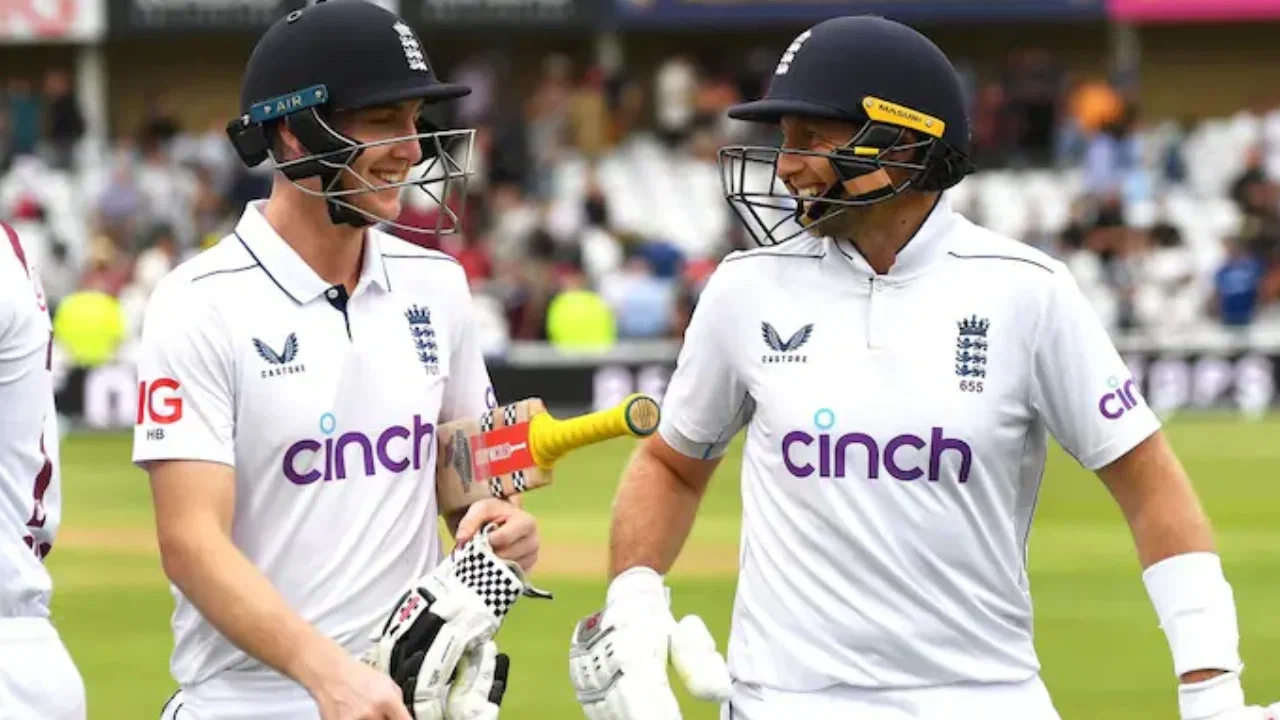
ECB to offer 39 central contracts to England players after Ben Stokes, Mark Wood’s retirement
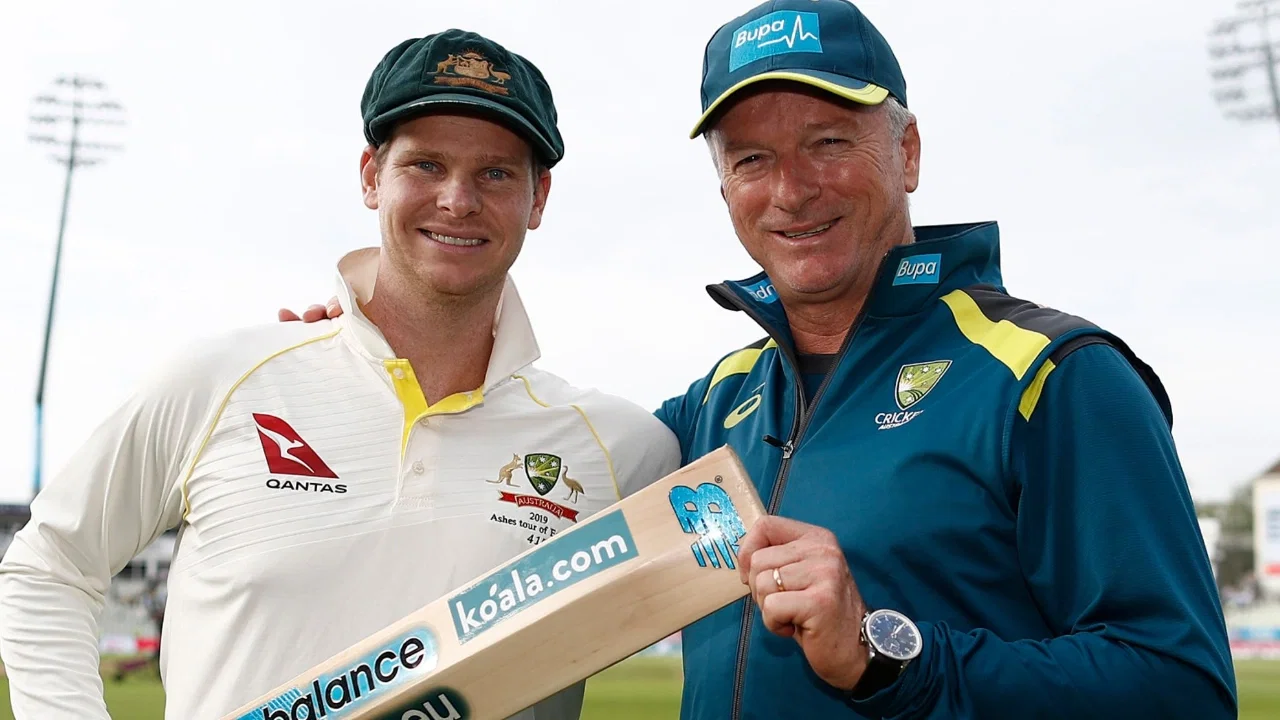
Steve Smith surpasses Steve Waugh in all-time Test run-scorers’ list

Shane Watson identifies Gautam Gambhir’s biggest problem as India struggle for consistency
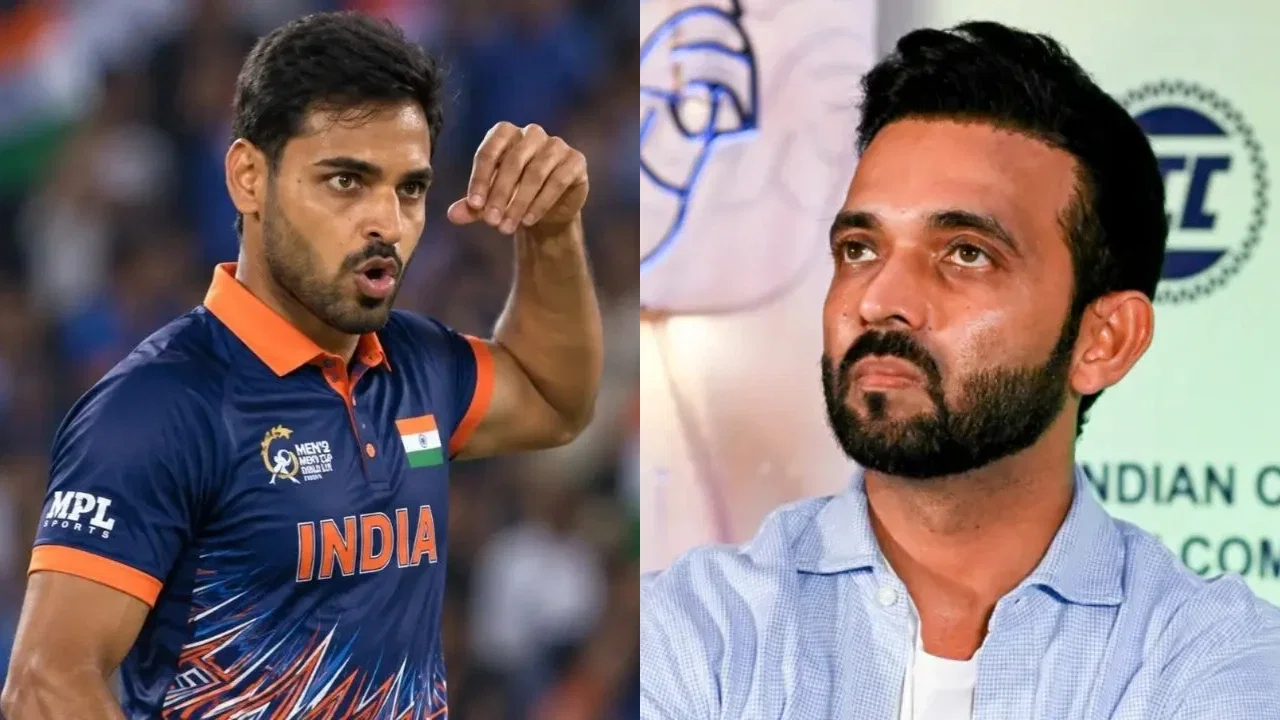
Is Bhuvneshwar Kumar in India’s 2027 World Cup plans? Ajinkya Rahane makes revelation
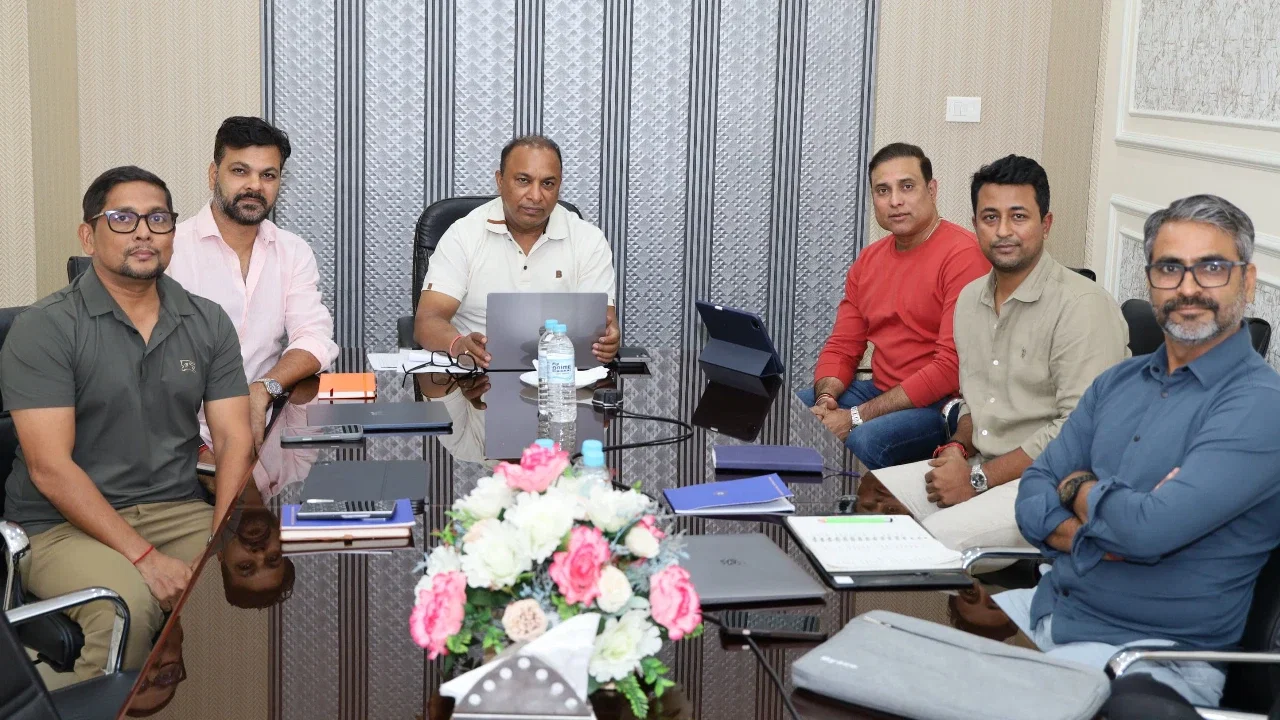
BCCI’s big ₹127 Crore move after injury crisis raises concerns over Team India

Parthiv Patel reveals RCB ignored his Jasprit Bumrah recommendation in IPL 2014 Auction
“Never spoke ill of any faith”: Irfan Pathan hits back at fake news using his name
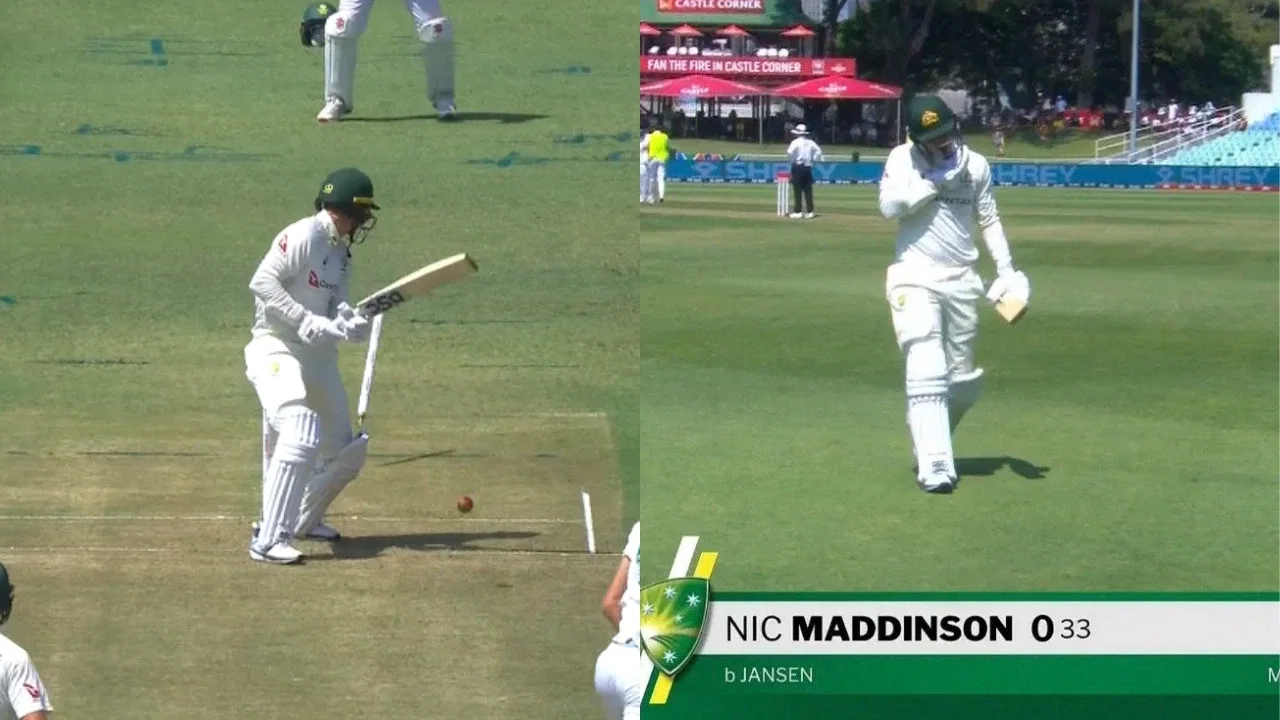
Nic Maddinson bags 33-ball duck on Test comeback, disappoints George Bailey

Imran Tahir predicts 2027 ICC ODI World Cup Semi-Finalists, snubs India for title
Australia create unwanted history with first all-30-plus Test XI
Ravindra Jadeja returns to Ranji Trophy as Saurashtra announce squad