

Todd Greenberg gives update on 12-team WTC, wants AUS vs SA 5-match Test series
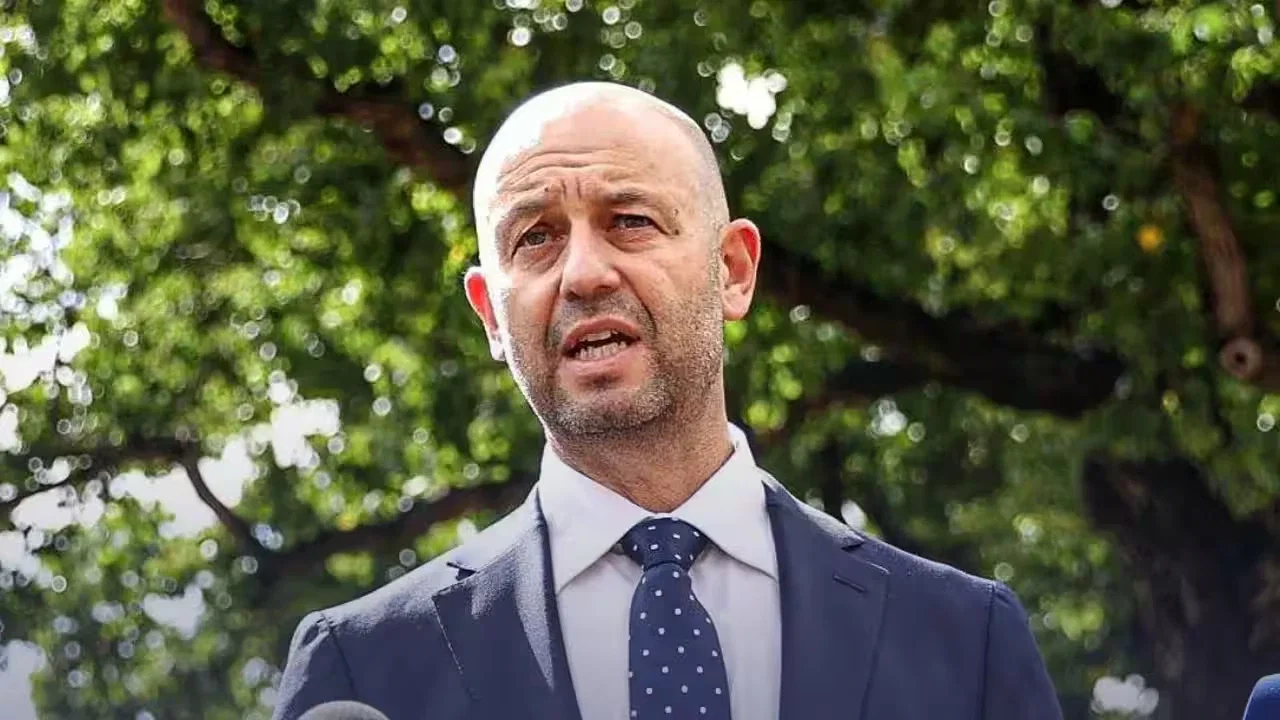
ICC’s Bold Prediction: Expanding the World Test Championship to 12 Teams Sparks Excitement and Debate
The International Cricket Council (ICC) is on the verge of a significant transformation in the landscape of Test cricket. After months of deliberation and strategic planning, the governing body has announced plans to expand the prestigious World Test Championship (WTC) from its current format to include 12 teams. This ambitious move aims to breathe new life into the format, promote the growth of emerging cricket nations, and foster a more inclusive and competitive environment for the world’s oldest form of the game.
Why the Expansion? A Vision for the Future of Test Cricket
The prediction of an expanded WTC comes amid a broader ICC strategy to revitalize Test cricket, making it more appealing to fans, broadcasters, and stakeholders worldwide. The primary motivation behind this move is to amplify the global footprint of the game and provide opportunities for nations like Afghanistan and Ireland to showcase their talent on the biggest stage.
Cricket Australia (CA) chief executive Todd Greenberg has publicly confirmed that the 12-team WTC is nearing implementation, with discussions underway among ICC members to finalize the details. This development is seen as a positive step towards ensuring the longevity and relevance of Test cricket in an era increasingly dominated by fast-paced limited-overs formats.
The Inclusion of Emerging Nations: A Game-Changer
Traditionally, Test cricket has been dominated by a select group of nations, primarily India, Australia, England, South Africa, New Zealand, and Pakistan. However, the inclusion of teams like Afghanistan and Ireland is set to diversify the competition and foster the development of cricket in regions that have historically struggled to sustain Test-level cricket.
ICC’s prediction suggests that this expansion could lead to a more balanced and competitive landscape, encouraging emerging nations to invest in infrastructure, coaching, and player development. Such growth has the potential to elevate the profile of cricket in these regions and inspire future generations of cricketers.
Challenges and Financial Realities: The Hard Truth
While the vision is ambitious, Todd Greenberg emphasizes that the path to expansion is fraught with financial challenges. The ICC and national boards are actively engaging in discussions about revenue sharing, broadcasting rights, and future tours programs (FTP). One proposal on the table was a comprehensive World Club Championship, which aimed to bring club-level competition to the international stage. However, this idea faced stiff resistance from cricket’s so-called ‘Big Three’—India, Australia, and England—who were reluctant to participate in tournaments that could dilute their commercial interests.
Greenberg candidly admitted that if revenue streams do not grow as expected, difficult decisions will need to be made. He explained, “If revenues don’t continue to come in from the ICC at the levels we’ve enjoyed, or if countries can’t generate their own FTP arrangements, then any business—be it cricket or others—must make tough choices.” This highlights the delicate balance between expanding the game and ensuring its financial sustainability.
The Cost of Test Cricket: Infrastructure and Investment
One of the underlying issues facing many Test nations is the high cost associated with maintaining the infrastructure required for red-ball cricket. Greenberg pointed out that the expense isn’t just about organizing matches but also about investing in facilities, training centers, and development programs to produce quality Test players.
“It’s a statement of fact that over time, it has become increasingly difficult for some countries to sustain Test cricket because of the costs involved,” he said. “It’s not just about putting on matches but building a system that supports red-ball cricket at every level.”
This financial reality explains why some nations struggle to participate regularly in Test series, further emphasizing the importance of ICC’s prediction that expanding the WTC could help distribute the financial burden more evenly across member countries.
The Revenue Dilemma: Why Test Cricket Struggles Financially
Unlike limited-overs formats, Test cricket has historically generated less revenue, making it less attractive for broadcasters and sponsors. The recent testimony from Cricket West Indies (CWI) CEO Chris Dehring sheds light on this challenge, describing their home season as “like death, destruction, and Armageddon” due to the lack of lucrative television rights and commercial deals.
“Playing against big teams like Australia, England, and India brings in significant revenue because of the massive fan following and television viewership,” Dehring explained. “Without these marquee matchups, it’s hard for our cricket board to sustain the financial demands of hosting and organizing Test series.”
This situation underscores the importance of strategic scheduling and marketing to ensure the survival and growth of Test cricket, especially for emerging nations seeking to establish themselves on the international stage.
Future Tours and the Quest for Balanced Scheduling
One of the ongoing challenges highlighted by Greenberg involves the Future Tours Program (FTP), which dictates international cricket scheduling. The desire to organize high-profile series, such as a five-match Test series between South Africa and Australia, faces logistical hurdles due to overlapping schedules and competing priorities among cricket boards.
“We would love to host South Africa for a five-Test series, but the reality is that every cricket board is fiercely protective of its windows,” Greenberg explained. “It’s a balancing act, especially when teams are playing in different formats and in different parts of the world.”
Despite these challenges, Greenberg remains optimistic about ongoing conversations with South African cricket officials, emphasizing the importance of sustained bilateral series to keep the spirit of Test cricket alive.
Beyond Prediction: The Broader Implications for Global Cricket
The ICC’s prediction that the WTC expansion will happen within the next two years signals a transformative period for international cricket. This strategic shift aims not only to bolster the status of Test cricket but also to create a more equitable platform for emerging nations and smaller cricket boards.
Moreover, the move aligns with a broader vision to diversify revenue sources, enhance global participation, and embed Test cricket more firmly within the international sports landscape. The inclusion of new teams and the development of innovative tournaments could reshape how fans engage with the game, potentially leading to increased viewership and commercial interest.
Final Thoughts: A New Era for Test Cricket?
As the cricketing world awaits the formal confirmation of these plans, the prediction of an expanded, more inclusive World Test Championship offers a promising glimpse into the future of the sport. While financial and logistical hurdles remain, the vision articulated by ICC leaders like Todd Greenberg underscores a commitment to preserving the essence of Test cricket while adapting to modern challenges.
For fans, players, and stakeholders alike, this development heralds a new era—one where the oldest format of the game can thrive alongside the faster-paced limited-overs formats, ensuring that cricket remains a global and beloved sport for generations to come.
Stay tuned for further updates as the ICC finalizes its plans, and witness the evolution of Test cricket into a more diverse, competitive, and sustainable sport on the world stage.
Latest News
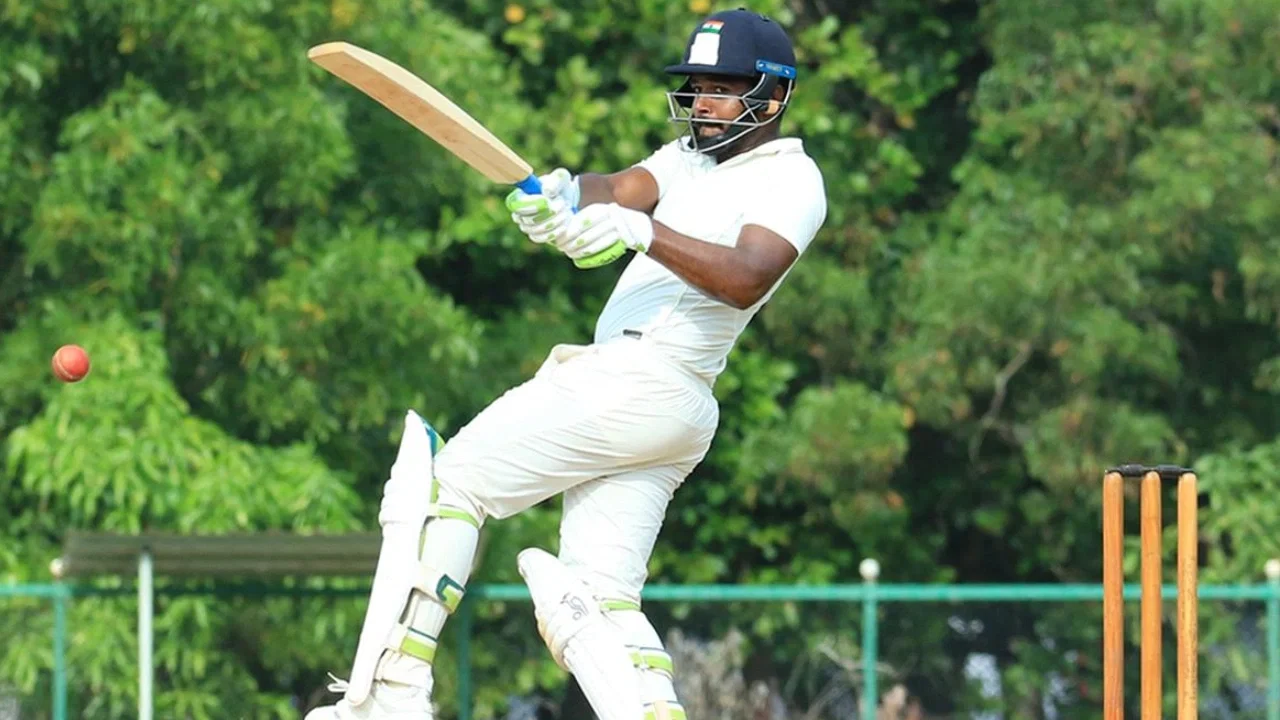
Sanju Samson snubbed as Kerala name 18-member squad for Ranji opener
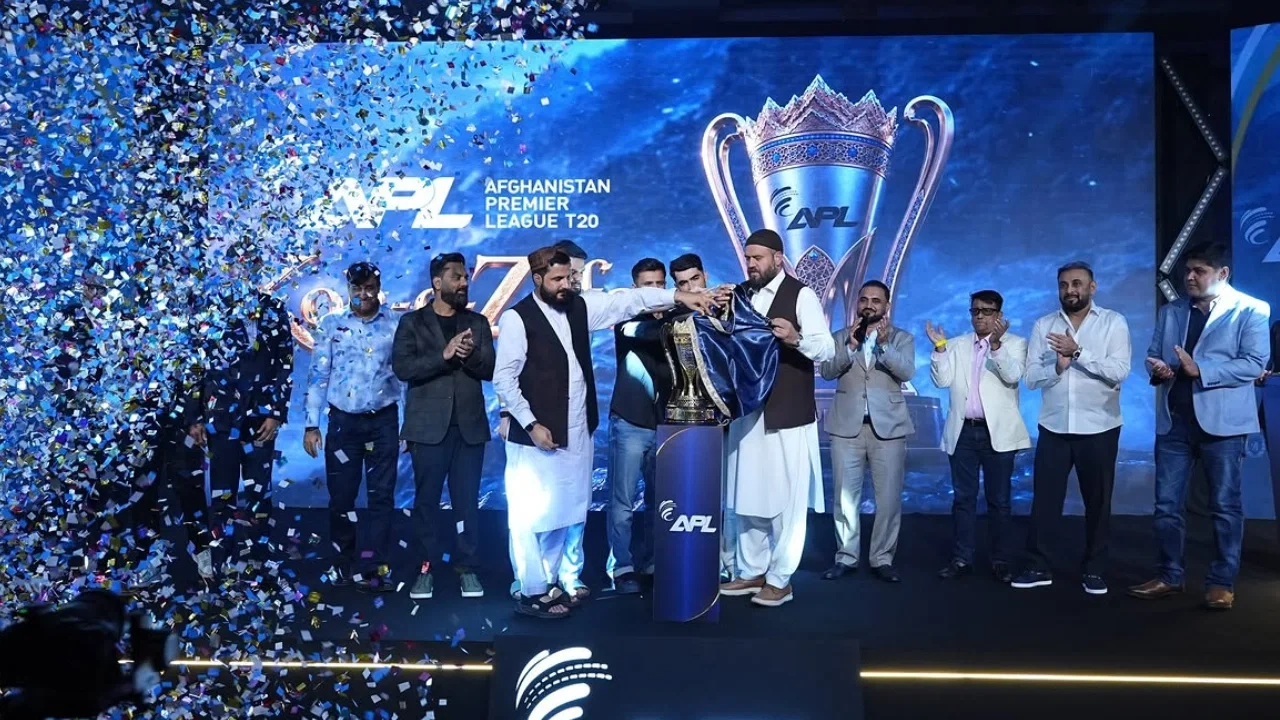
APL set for massive boost as Glazers, Adani Group, Elon Musk show interest: Report
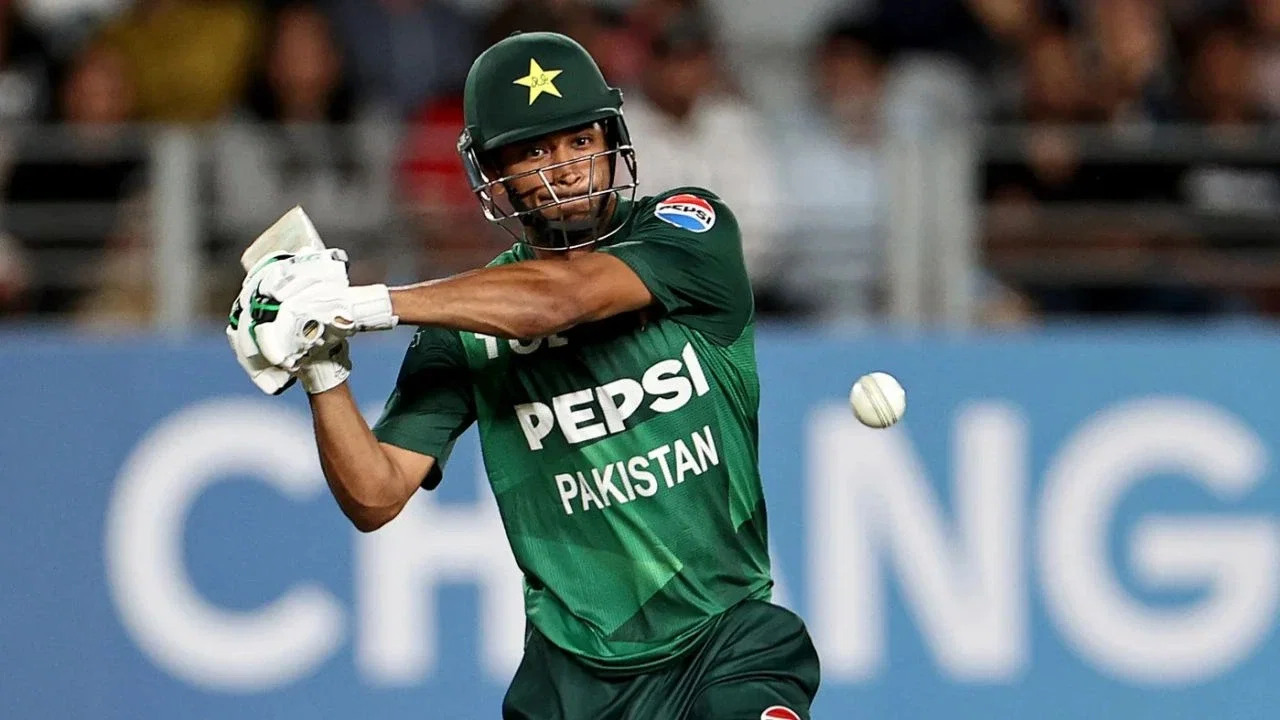
“I am still disappointed”: Hasan Nawaz opens up on Pakistan’s Asian Games final loss to India
Kieron Pollard leaves MI camp to join arch-rivals JoBurg Super Kings in SA20
Virat Kohli trolls Rohit Sharma’s famous ‘Woh’ habit in hilarious new Ro-Ko advertisement
India ODI squad announcement for NZ tour delayed because of alternate squad plan
Narendra Modi Stadium receives bomb threat during India U-19 vs Australia U-19 match

Travis Head hits back at former Australian cricketers over criticism of current team
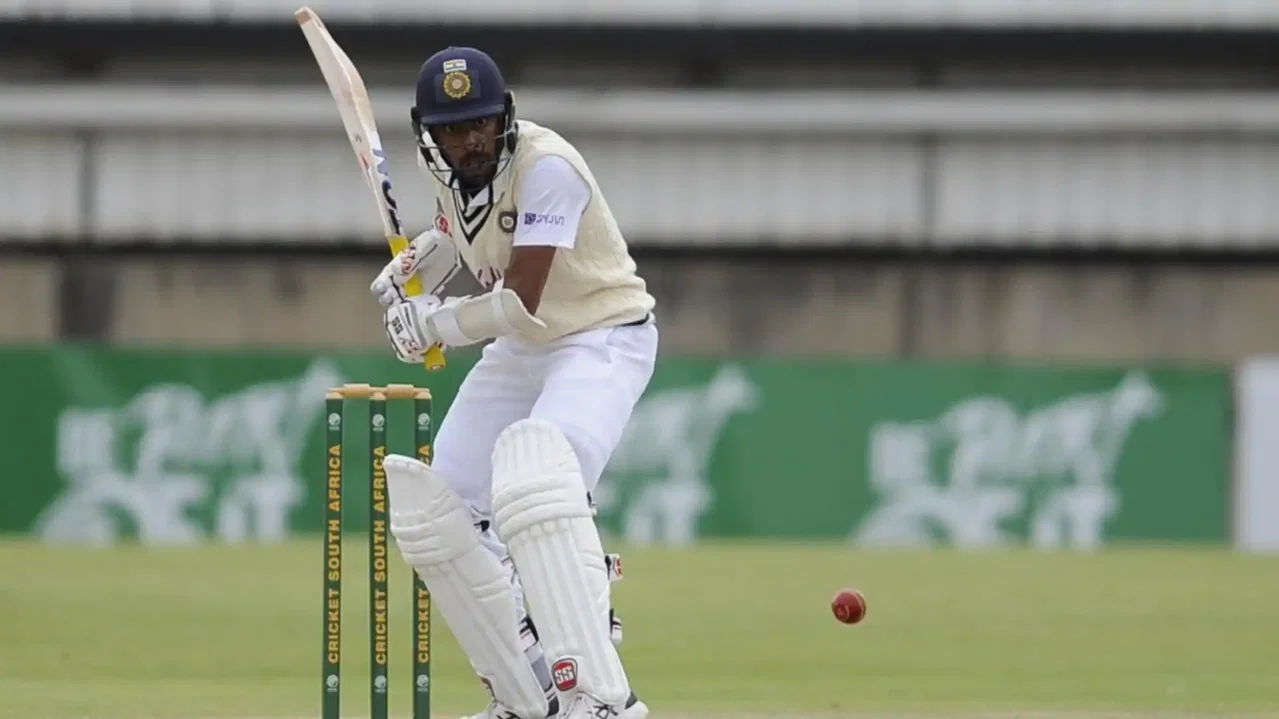
Abhimanyu Easwaran to lead Bengal against Delhi in Ranji Trophy 2026-27
Ex-England spinner snubs Virat Kohli, hails Rohit Sharma as a ‘great player’

Rohit Sharma should have led India till 2027 World Cup, says Wasim Jaffer
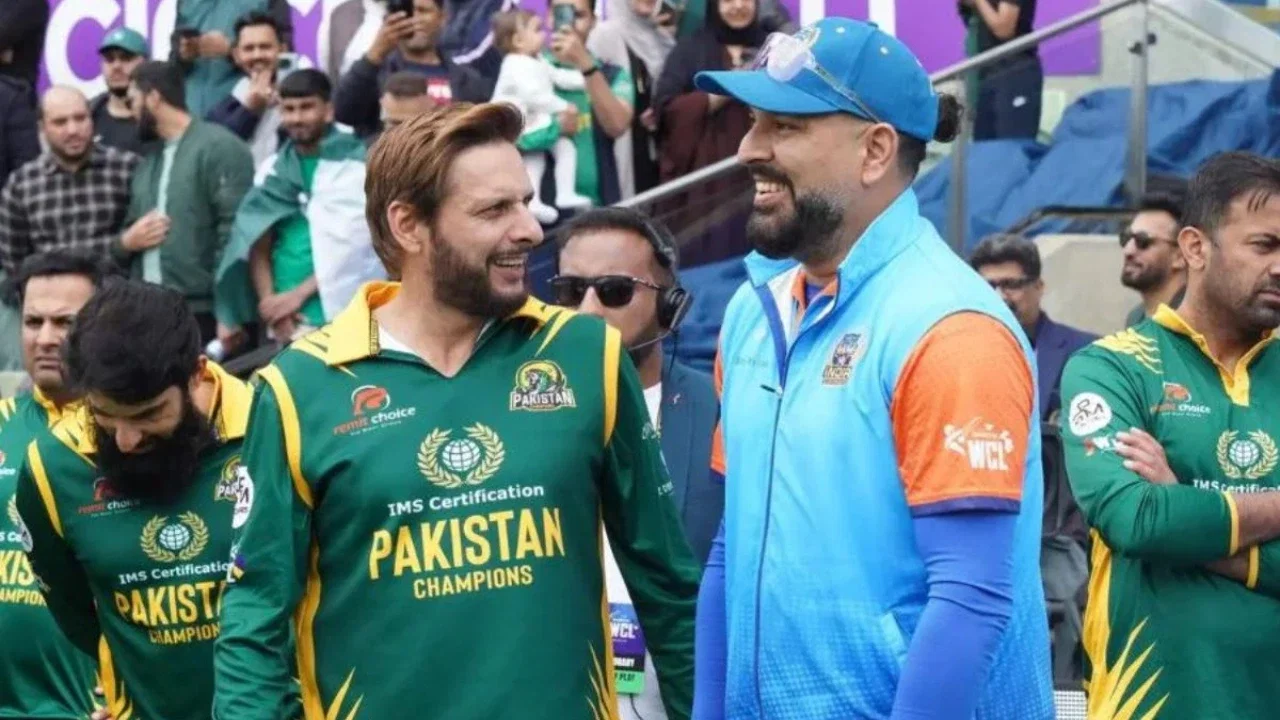
ICC takes swipe at WCL 2026, warns of potential reputational damage
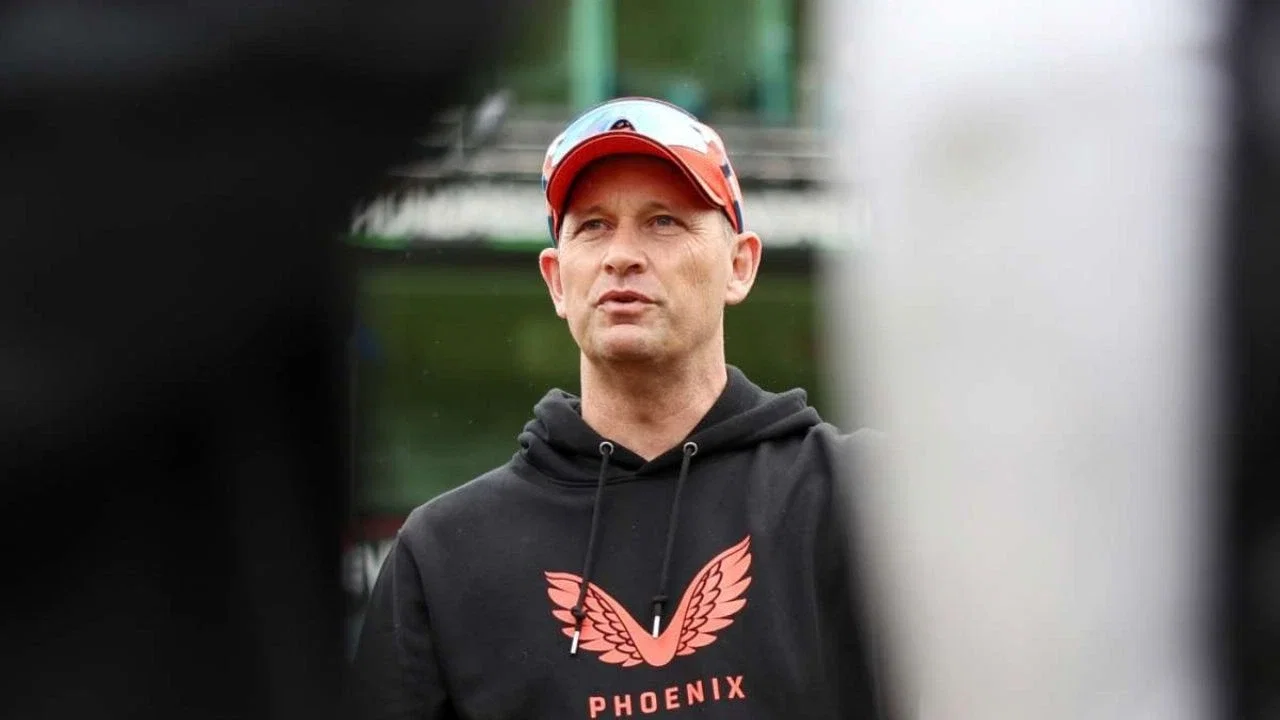
Shane Bond sacked by Birmingham Phoenix after 7-match losing streak
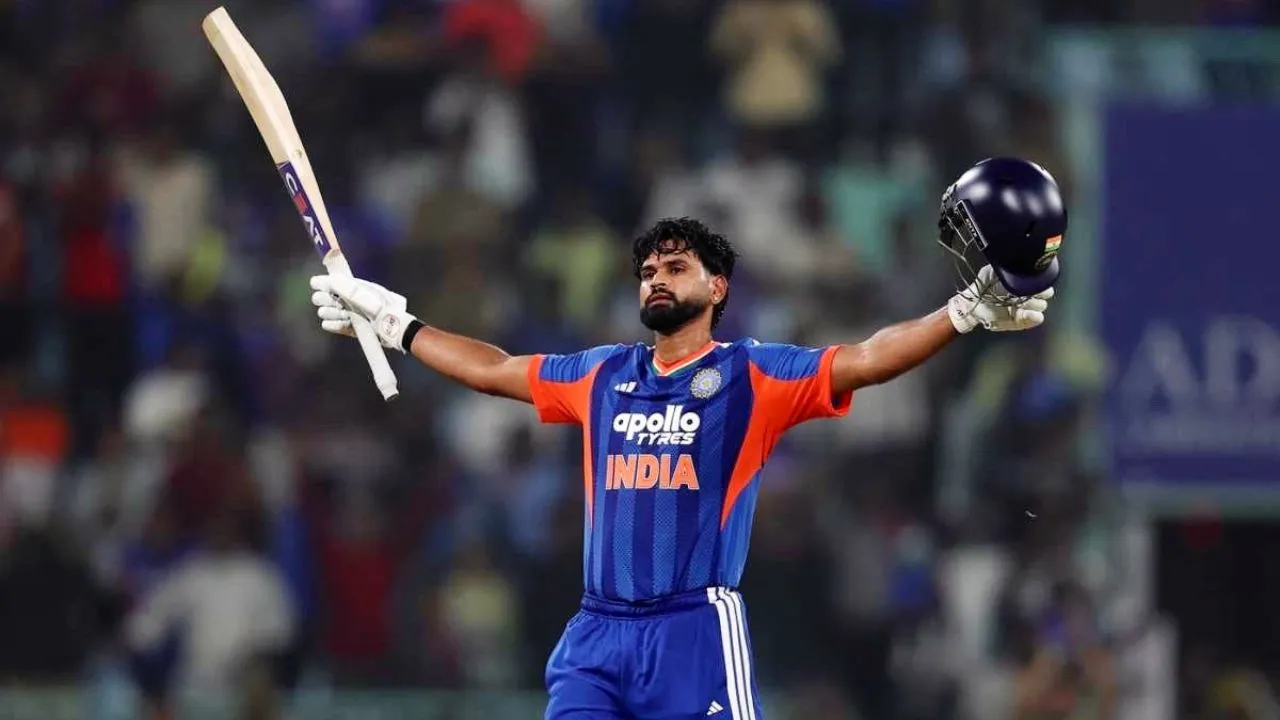
Shreyas Iyer reaches career-best ICC T20I Ranking after maiden century vs WI

