Top 10 Fastest Balls In Cricket History
Top 10 Fastest Bowlers in Cricket History
Cricket has seen its fair share of quality fast bowlers who have left a mark on the game with their sheer pace and ability to intimidate batsmen. In this article, we will delve into the top ten fastest balls bowled in cricket history, showcasing the raw power and skill of these exceptional bowlers.
1. Shoaib Akhtar – 161.3 KPH
Shoaib Akhtar, famously known as the ‘Rawalpindi Express,’ holds the record for bowling the fastest delivery in the history of cricket. In the 2003 World Cup in South Africa, Akhtar unleashed a thunderous delivery clocking at a blistering 161.3 KPH against England, solidifying his reputation as one of the fastest bowlers of all time.
2. Shaun Tait – 161.1 KPH
Shaun Tait, the Australian speedster, delivered a scorching ball at 161.1 KPH while facing arch-rivals England in 2010. Despite his limited appearances for Australia, Tait’s ability to generate extreme pace made him a formidable threat to any batting lineup.
3. Brett Lee – 161.1 KPH
Brett Lee, also known as ‘Binga,’ joined the elite list of fast bowlers by bowling a delivery at 161.1 KPH against an opponent in 2005. Lee’s relentless pace and aggressive bowling style made him a nightmare for batsmen during his career.
4. Jeffrey Thomson – 160.6 KPH
Australian pace sensation Jeffrey Thomson showcased his raw pace by clocking 160.6 KPH against a formidable West Indies side in 1975. Thomson’s never-say-die attitude and sheer speed made him a force to be reckoned with in the world of cricket.
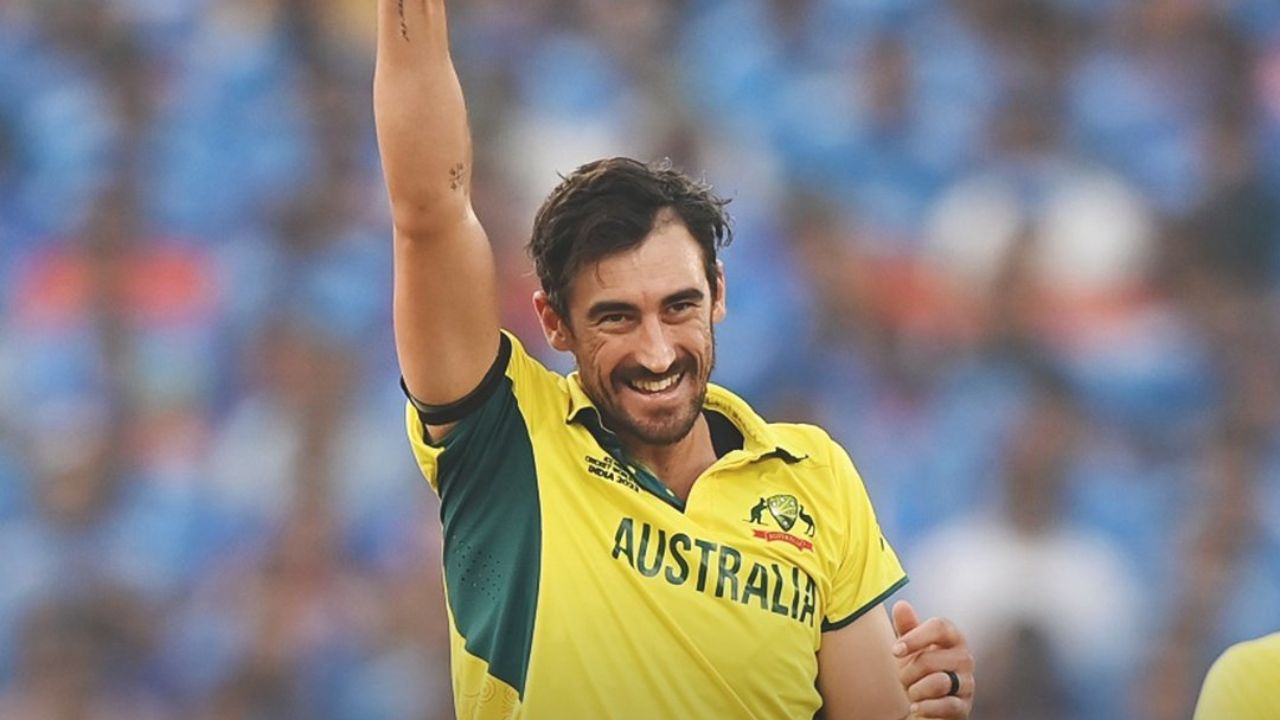
5. Mitchell Starc – 160.4 KPH
Mitchell Starc, another Australian fast bowler, etched his name in history by bowling a lightning-fast delivery at 160.4 KPH against New Zealand in 2015. Starc’s ability to swing the ball at such pace made him a lethal weapon for the Australian team.
6. Mitchell Johnson – 159.8 KPH
Mitchell Johnson made headlines during the 2013 Ashes series with a fiery spell that included a delivery clocking at 159.8 KPH. Johnson’s left-arm thunderbolts were a nightmare for opposition batsmen, earning him a reputation as one of the most fearsome bowlers of his time.
7. Fidel Edwards – 159.7 KPH
Fidel Edwards, with his slingy action, hurled a rocket of a delivery at 159.7 KPH against South Africa in 2003. Batsmen often struggled to pick the pace and angle of Edwards’ deliveries, making him a formidable force in the bowling attack.
8. Andy Roberts – 159.5 KPH
West Indian pace ace Andy Roberts unleashed a thunderous ball at 159.5 KPH during a game against Australia, showcasing the sheer pace and accuracy that made him a key player in the dominant West Indies team of the 1970s.
9. Mohammad Sami – 159.4 KPH
Mohammad Sami, once touted as the next big thing in Pakistan cricket, bowled a fiery delivery at 159.4 KPH against Zimbabwe in 2003. Sami’s promising career was unfortunately marred by injuries, preventing him from reaching his full potential.
10. Shane Bond – 159.4 KPH
New Zealand’s Shane Bond joined the ranks of the fastest bowlers by delivering a thunderbolt at 159.4 KPH against India in 2003. Bond’s ability to generate extreme pace and movement made him a standout performer in international cricket.
These ten bowlers have etched their names in cricket history through their unparalleled speed and skill, leaving a lasting impact on the game and inspiring future generations of fast bowlers to push the boundaries of pace and power.
The Evolution of Fast Bowling
Fast bowling in cricket has undergone significant evolution over the years, with bowlers continuously pushing the limits of speed and skill. From the early days of the game when pace was measured in miles per hour to the modern era where kilometers per hour are the norm, the quest for speed has been a constant driving force for fast bowlers.
Historically, fast bowlers relied on brute strength and natural talent to generate pace. However, with advancements in sports science and technology, bowlers now have access to state-of-the-art training techniques, biomechanical analysis, and specialized equipment to enhance their speed and performance.
The Impact of Technology on Fast Bowling
The introduction of technologies such as speed guns and motion capture systems has revolutionized the way fast bowlers train and compete. Coaches and players can now analyze every aspect of a bowler’s action, pinpointing areas for improvement and maximizing efficiency to generate greater speed.
Furthermore, the use of video analysis has allowed bowlers to study their opponents’ weaknesses and tailor their strategies accordingly. This level of detailed preparation has made fast bowling a more cerebral and strategic aspect of the game, beyond just sheer pace.
The Mental Aspect of Fast Bowling
While speed is undoubtedly a crucial factor in fast bowling, the mental aspect of the game cannot be overlooked. Fast bowlers must possess not only physical prowess but also mental resilience and tactical acumen to outwit batsmen and take wickets.
Psychological warfare on the field, intimidation tactics, and strategic field placements all play a significant role in a fast bowler’s success. The ability to remain focused and execute plans under pressure separates the great fast bowlers from the rest.
The Future of Fast Bowling
As the game of cricket continues to evolve, so too will the role of fast bowlers. With T20 cricket gaining popularity and demanding even more innovation and adaptability from bowlers, the future of fast bowling looks exciting and challenging.
Youth programs and academies are now focusing on developing fast bowlers from a young age, harnessing their raw talent and honing their skills to become the next generation of speed merchants. The emphasis on fitness, strength training, and injury prevention has also become paramount in grooming fast bowlers for long and successful careers.
Conclusion
Fast bowling in cricket is a thrilling and captivating aspect of the game that continues to captivate fans worldwide. With a rich history of legendary bowlers who have pushed the boundaries of speed and skill, the future of fast bowling looks bright with new talents emerging and redefining the standards of pace in the sport.
As we celebrate the top ten fastest bowlers in cricket history, we also look forward to witnessing the next generation of speed demons who will carry on the legacy and tradition of fast bowling, setting new records and inspiring awe with their sheer pace and power.
Latest News

Top 10 highest run-chases in T20 cricket history, ft. West Indies’ Ranchi win vs India

Aaryavir Sehwag and Anvay Dravid set to make headlines at U19 Asia Cup 2026

Longest ducks in Test cricket history ft. Nic Maddinson, Shoaib Akhtar

ECB to offer 39 central contracts to England players after Ben Stokes, Mark Wood’s retirement

Steve Smith surpasses Steve Waugh in all-time Test run-scorers’ list

Shane Watson identifies Gautam Gambhir’s biggest problem as India struggle for consistency

Is Bhuvneshwar Kumar in India’s 2027 World Cup plans? Ajinkya Rahane makes revelation

BCCI’s big ₹127 Crore move after injury crisis raises concerns over Team India

Parthiv Patel reveals RCB ignored his Jasprit Bumrah recommendation in IPL 2014 Auction

“Never spoke ill of any faith”: Irfan Pathan hits back at fake news using his name
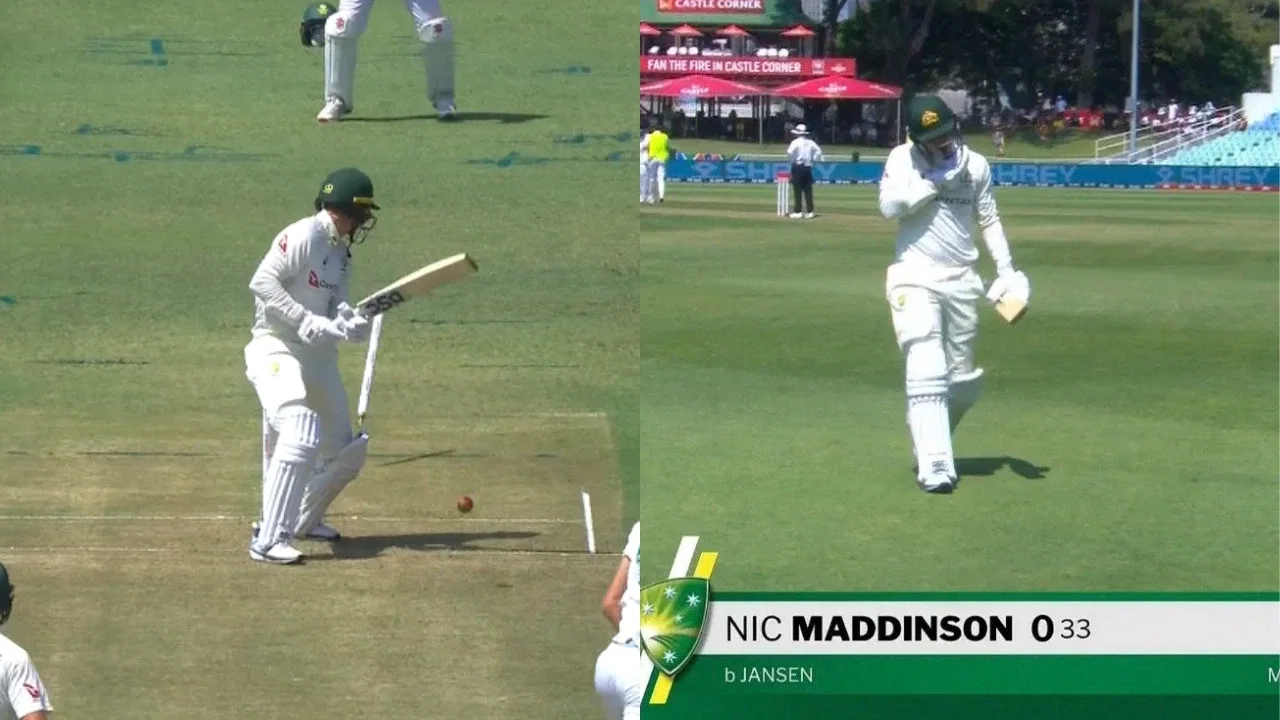
Nic Maddinson bags 33-ball duck on Test comeback, disappoints George Bailey
Imran Tahir predicts 2027 ICC ODI World Cup Semi-Finalists, snubs India for title
Australia create unwanted history with first all-30-plus Test XI
Ravindra Jadeja returns to Ranji Trophy as Saurashtra announce squad