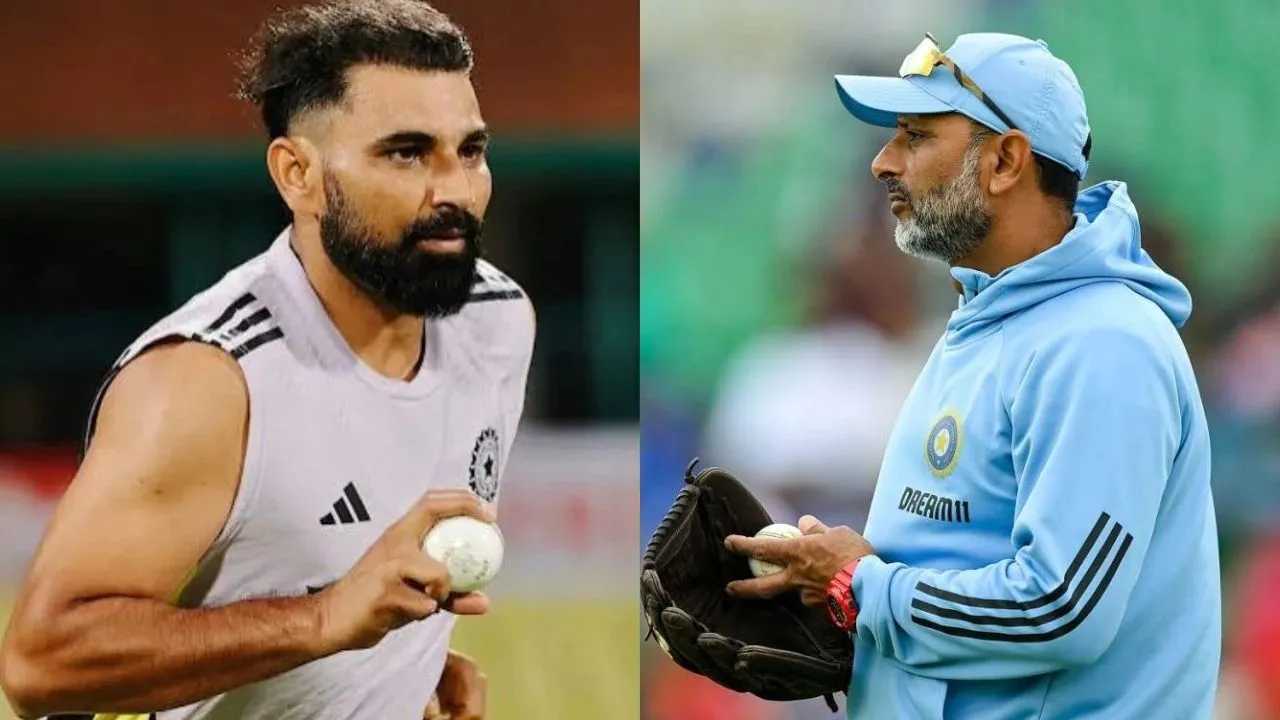
Umar Akmal slams PCB for removing Babar Azam, questions his return as Pakistan captain
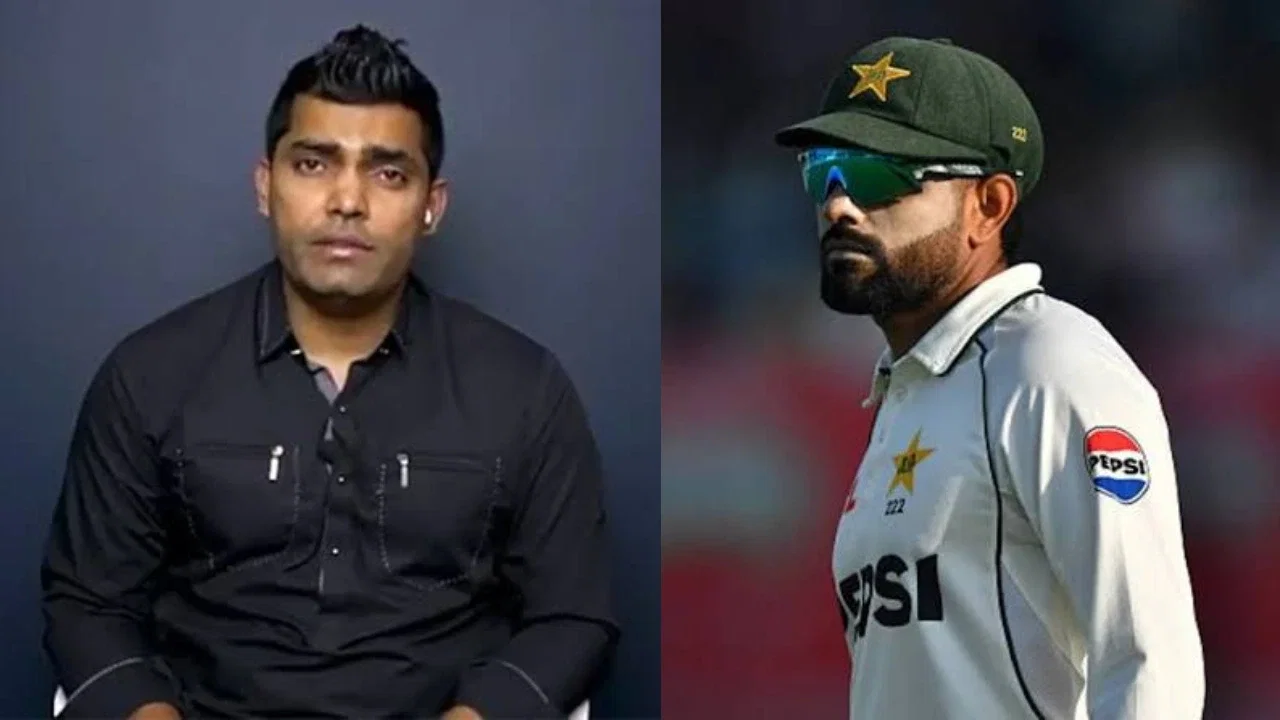
Umar Akmal Criticizes PCB’s Handling of Babar Azam’s Captaincy
Former Pakistan cricketer Umar Akmal has recently voiced his concerns over the Pakistan Cricket Board’s (PCB) handling of star player Babar Azam’s captaincy. Akmal believes that the constant shuffle in leadership roles has been unfair to both Babar Azam and Pakistan cricket as a whole.
Babar Azam’s Captaincy Journey
Babar Azam’s journey as Pakistan’s captain has been marked by numerous changes and challenges. He first took on the role of T20I captain in October 2019 and eventually became the captain across all three formats by the end of 2020 due to his exceptional batting skills and leadership qualities.
His tenure saw some notable successes, including defeating India in the 2021 T20 World Cup and reaching the final of the 2022 edition. However, Babar’s captaincy came under scrutiny after Pakistan’s disappointing performance in the 2023 ODI World Cup, leading him to step down from the captaincy across all formats.
PCB’s Continual Changes
The PCB’s decisions regarding Babar Azam’s captaincy have been marked by inconsistency. After being reinstated as the limited-overs captain in March 2024, Babar resigned again following a disappointing 2024 T20 World Cup campaign. Despite these setbacks, the PCB once again made a U-turn in July 2026, appointing Babar as the Test captain.
His return as Test captain began with a 1-1 draw against the West Indies and is set to continue with the upcoming three-match Test series in England. Despite these changes, Umar Akmal has criticized the PCB for their lack of a clear long-term plan for Babar’s captaincy.
Umar Akmal’s Criticism
Umar Akmal has openly criticized the PCB for their inconsistent approach to Babar Azam’s captaincy. He questions the rationale behind repeatedly appointing and removing Babar from the captaincy role, emphasizing the need for stability and long-term planning.
Akmal believes that Babar Azam deserves more backing and a proper chance to lead the Pakistan team without the constant fear of being replaced. He expressed his concerns over the impact of these changes on both Babar and the team’s performance, stressing the importance of continuity in leadership.
Conclusion
As Babar Azam gears up to lead Pakistan in the upcoming Test series against England, the spotlight remains on the PCB’s approach to captaincy decisions. Umar Akmal’s criticism highlights the need for a more strategic and consistent leadership plan to ensure Babar’s success and the overall improvement of Pakistan cricket.
The Importance of Stability in Leadership
One of the key aspects highlighted by Umar Akmal’s criticism is the importance of stability in leadership within the Pakistan cricket team. Continual changes in captaincy roles can disrupt team dynamics, create uncertainty among players, and hinder the development of a cohesive unit. With Babar Azam being one of Pakistan’s most talented and consistent performers, providing him with a stable captaincy role can help him grow into the role and lead the team effectively.
Stability in leadership allows captains to build trust with their teammates, implement long-term strategies, and create a sense of continuity within the team. By constantly changing the captaincy, the PCB risks undermining the authority of the captain, causing confusion among players, and impacting the team’s performance on the field. Akmal’s criticism serves as a reminder of the need for a clear and consistent approach to leadership appointments.
The Impact on Babar Azam’s Performance
Another aspect to consider is the impact that the constant changes in captaincy have on Babar Azam’s performance as a player. Being burdened with the responsibility of captaincy while facing the uncertainty of being replaced can affect a player’s focus, confidence, and overall performance on the field. Babar’s batting form may suffer as a result of the added pressure and distractions associated with the captaincy role.
To maximize Babar’s potential as a top-order batsman and a leader, it is crucial to provide him with a conducive environment that allows him to thrive both as a player and a captain. By ensuring stability in his captaincy position and offering him the necessary support and backing, Babar can lead by example and inspire his teammates to perform at their best. Akmal’s criticism sheds light on the potential repercussions of mishandling Babar’s captaincy on his individual performance and the team’s overall success.
The Need for a Long-Term Vision
Umar Akmal’s critique also underscores the importance of having a long-term vision and strategic planning when it comes to leadership decisions in Pakistan cricket. Instead of making reactive and short-term choices based on immediate results, the PCB should focus on developing a clear roadmap for the captaincy and stick to it to foster stability and consistency within the team.
A well-defined leadership succession plan can help identify and groom future leaders, ensure a smooth transition of responsibilities, and maintain a sense of direction for the team. By outlining the criteria for captaincy selection, setting performance benchmarks, and providing captains with the necessary resources and support, the PCB can create a conducive environment for leadership development and team success. Akmal’s criticism serves as a call to action for the PCB to adopt a more strategic and forward-thinking approach to leadership appointments.
Looking Ahead
As Pakistan cricket navigates through the challenges of leadership transitions and team dynamics, the insights provided by Umar Akmal’s criticism offer valuable perspectives on the way forward. By prioritizing stability, supporting Babar Azam’s growth as a captain and player, and implementing a long-term vision for leadership, the PCB can set the stage for sustainable success on the field and off the field.
As Babar Azam leads Pakistan into the upcoming Test series against England, the focus will be on how the team performs under his captaincy and how the PCB manages the leadership roles moving forward. By heeding Akmal’s advice and addressing the underlying issues related to captaincy decisions, Pakistan cricket can chart a course towards greater consistency, success, and stability in the years to come.
Latest News

Top 10 highest run-chases in T20 cricket history, ft. West Indies’ Ranchi win vs India

Aaryavir Sehwag and Anvay Dravid set to make headlines at U19 Asia Cup 2026

Longest ducks in Test cricket history ft. Nic Maddinson, Shoaib Akhtar

ECB to offer 39 central contracts to England players after Ben Stokes, Mark Wood’s retirement

Steve Smith surpasses Steve Waugh in all-time Test run-scorers’ list

Shane Watson identifies Gautam Gambhir’s biggest problem as India struggle for consistency

Is Bhuvneshwar Kumar in India’s 2027 World Cup plans? Ajinkya Rahane makes revelation

BCCI’s big ₹127 Crore move after injury crisis raises concerns over Team India

Parthiv Patel reveals RCB ignored his Jasprit Bumrah recommendation in IPL 2014 Auction
“Never spoke ill of any faith”: Irfan Pathan hits back at fake news using his name
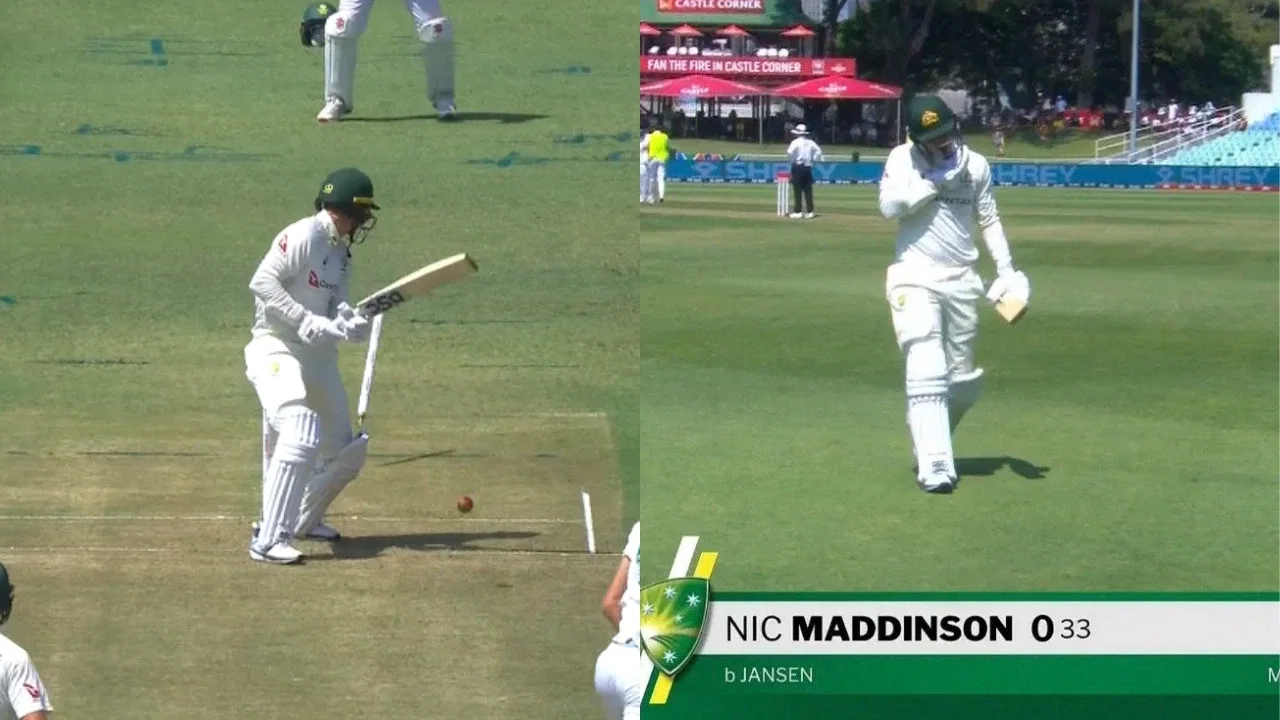
Nic Maddinson bags 33-ball duck on Test comeback, disappoints George Bailey

Imran Tahir predicts 2027 ICC ODI World Cup Semi-Finalists, snubs India for title
Australia create unwanted history with first all-30-plus Test XI
Ravindra Jadeja returns to Ranji Trophy as Saurashtra announce squad