Urooj Mumtaz blames Babar Azam for decline of Pakistan’s fast-bowling strength
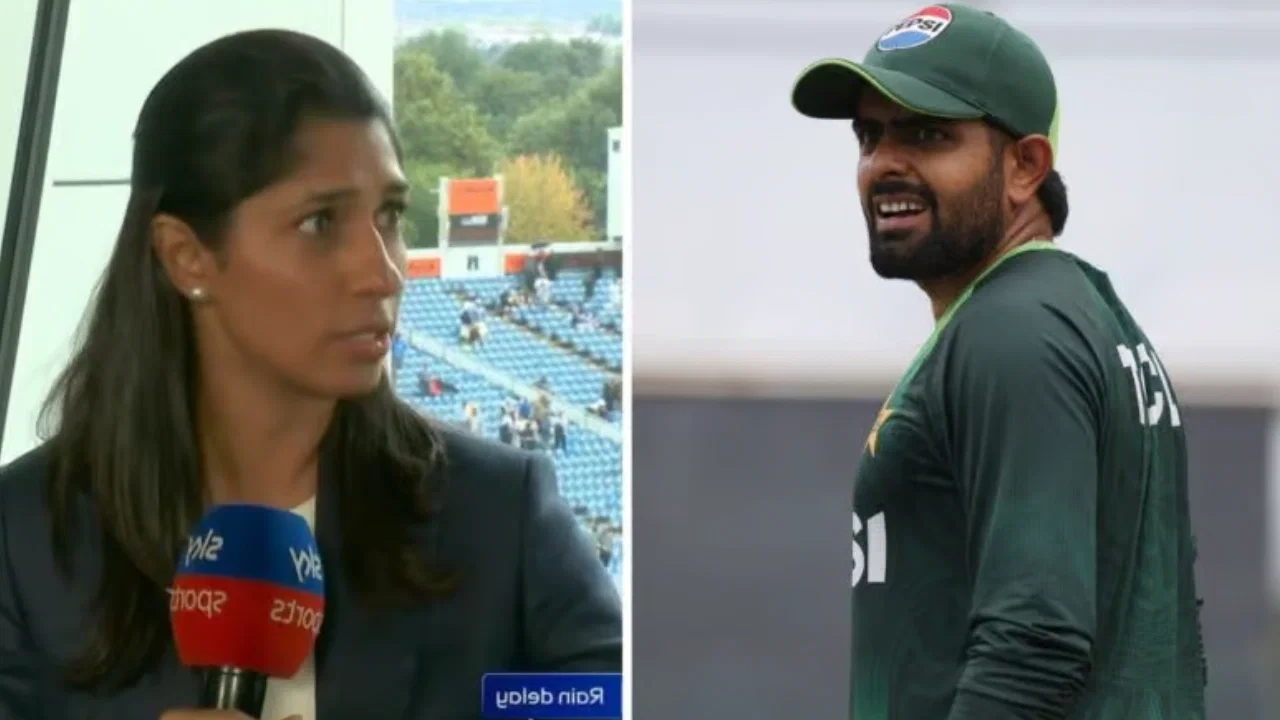
Former Pakistani Cricketer Urooj Mumtaz Points Finger at Babar Azam for Decline in Fast Bowling Strength
Former Pakistan Women’s National Team cricketer Urooj Mumtaz has come forward to blame Pakistan Men’s National Cricket Team’s Test captain Babar Azam for the downfall of the nation’s fast bowling strength. Pakistan, known for producing world-class fast bowlers in the past, is now struggling to find bowlers who can dominate with pace and swing.
Curbing Fast Bowling Talents
Mumtaz observed that the Pakistan Cricket Board (PCB) has shifted its focus towards favoring batters, neglecting the preparation of pitches to groom seamers in domestic cricket. She expressed her concern over the lack of fiery first bowlers playing for the men’s national cricket team.
According to Mumtaz, the pitches in domestic cricket are now flat and batting-friendly, offering little assistance to the bowlers to showcase their skills against the batters. This shift in pitch preparation has significantly impacted Pakistan’s pace bowling strength, which was once a major asset for the national side.
Pakistan’s Struggle Against England
As Pakistan faced England in a Test match at Headingley Carnegie, Leeds, it became evident that the team was struggling to perform up to expectations. In the first innings, Pakistan lost all their wickets for 171 runs, with England’s pace duo Ollie Robinson and Josh Tongue wreaking havoc on the Pakistani batting lineup.
Mumtaz highlighted the disparity in performance between the two teams on the same pitch, where Pakistan struggled for runs while England’s batters seemed comfortable. She attributed a significant portion of Pakistan’s pace bowling decline to the influence of Babar Azam.
Babar Azam’s Impact on Pitch Conditions
Mumtaz revealed that during Babar Azam’s tenure as captain, he preferred flat and batting-friendly surfaces to allow the batters to score runs more easily. As a result, the pitches were prepared to suit the captain’s wishes, with grass being removed to create batsmen-friendly conditions.
While fast bowlers like Shaheen Afridi and Naseem Shah showed promise in reviving Pakistan’s pace bowling legacy, injuries hindered their progress. Mumtaz mentioned that Shaheen Afridi’s performance dropped after suffering an injury, while Naseem Shah’s current form is a far cry from his potential.
Looking Towards the Future
As Pakistan continues to grapple with its pace bowling crisis, Urooj Mumtaz’s criticism points towards a need for reevaluating the approach towards pitch preparation and nurturing fast bowling talents. With the right strategies in place, Pakistan can potentially revive its glory days of producing world-class fast bowlers who can dominate on the international stage.
It remains to be seen how the Pakistan Cricket Board and team management address these concerns and work towards restoring the nation’s fast bowling strength for future success in international cricket.
The Importance of Balancing Batting and Bowling Strengths
While Urooj Mumtaz’s criticism sheds light on the decline of Pakistan’s fast bowling strength, it also underscores the importance of maintaining a balance between batting and bowling strengths in a cricket team. A team’s success often hinges on the synergy between its bowlers and batters, with each complementing the other to achieve optimal performance on the field.
In recent years, there has been a growing trend in cricket towards producing high-scoring matches, with pitches being tailored to favor batters over bowlers. While this may lead to entertaining contests with big hitting and high run rates, it can also come at the expense of bowlers not getting the support they need to excel.
It is essential for cricket boards and team management to strike a balance in pitch preparation, ensuring that they provide a fair contest between bat and ball. By nurturing both batting and bowling talents in domestic cricket, teams can cultivate a pool of versatile players who can adapt to different conditions and challenges in international cricket.
Impact of Captaincy on Team Dynamics
The role of a captain in shaping team dynamics and strategies cannot be understated. Captains like Babar Azam, who have a significant influence on pitch conditions and team selection, play a pivotal role in determining the team’s strengths and weaknesses. Their decisions can have a lasting impact on the development of players and the overall performance of the team.
It is crucial for captains to consider the long-term implications of their choices, particularly in nurturing young talent and preserving the legacy of fast bowling in a cricketing nation like Pakistan. By fostering a conducive environment for bowlers to thrive, captains can contribute to the growth and success of their team in the long run.
Investing in Player Development and Injury Prevention
One of the challenges faced by fast bowlers, such as Shaheen Afridi and Naseem Shah, is the risk of injuries that can derail their progress and impact their performance on the field. Injuries not only affect the individual player but also have broader implications for the team’s bowling strength and overall strategy.
Investing in player development programs that focus on injury prevention and recovery can help safeguard the health and longevity of fast bowlers. By providing adequate support and resources to players, teams can mitigate the risks associated with fast bowling and ensure a steady pipeline of talent for future generations.
Conclusion
As Pakistan navigates through its pace bowling crisis, addressing the concerns raised by Urooj Mumtaz is essential for reviving the nation’s fast bowling legacy. By reevaluating pitch preparation, nurturing young talent, and prioritizing player health and development, Pakistan can position itself for success in international cricket.
It is a collective effort that requires collaboration between the cricket board, team management, captains, and players to create an environment conducive to the growth and excellence of fast bowlers. With the right strategies and investments in place, Pakistan can reclaim its position as a powerhouse of fast bowling talent on the global stage.
Latest News

Top 10 highest run-chases in T20 cricket history, ft. West Indies’ Ranchi win vs India
Aaryavir Sehwag and Anvay Dravid set to make headlines at U19 Asia Cup 2026

Longest ducks in Test cricket history ft. Nic Maddinson, Shoaib Akhtar

ECB to offer 39 central contracts to England players after Ben Stokes, Mark Wood’s retirement

Steve Smith surpasses Steve Waugh in all-time Test run-scorers’ list

Shane Watson identifies Gautam Gambhir’s biggest problem as India struggle for consistency

Is Bhuvneshwar Kumar in India’s 2027 World Cup plans? Ajinkya Rahane makes revelation
BCCI’s big ₹127 Crore move after injury crisis raises concerns over Team India

Parthiv Patel reveals RCB ignored his Jasprit Bumrah recommendation in IPL 2014 Auction
“Never spoke ill of any faith”: Irfan Pathan hits back at fake news using his name
Nic Maddinson bags 33-ball duck on Test comeback, disappoints George Bailey

Imran Tahir predicts 2027 ICC ODI World Cup Semi-Finalists, snubs India for title

Australia create unwanted history with first all-30-plus Test XI
Ravindra Jadeja returns to Ranji Trophy as Saurashtra announce squad