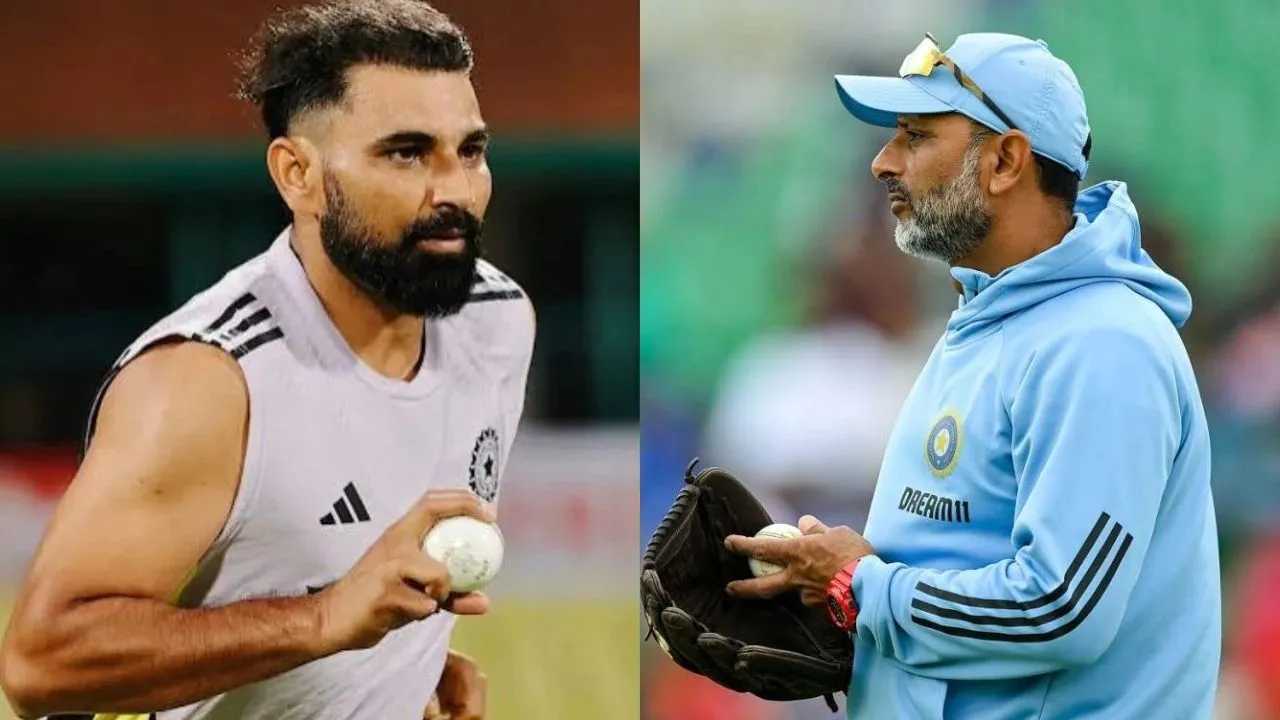
‘Vansh Bedi will face consequences if…’: DDCA on match-fixing allegations
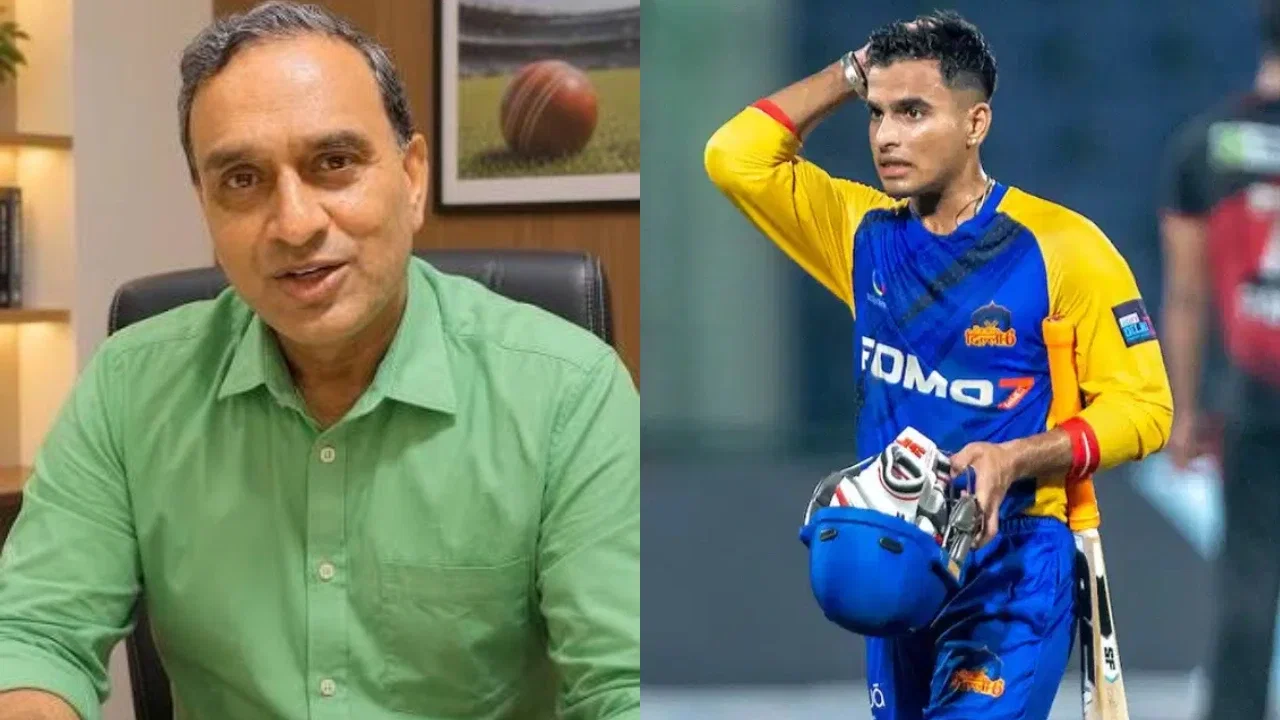
Unraveling the Latest Match-Fixing Allegations in Indian Cricket: What’s the Prediction?
In an unfolding drama that has captivated cricket fans and officials alike, fresh allegations of match-fixing have cast a shadow over the vibrant cricketing ecosystem in Delhi and beyond. Central to this controversy is Vansh Bedi, a promising young cricketer whose name has now become synonymous with the complex web of accusations involving the Indian Premier League (IPL) 2025 and the Delhi Premier League (DPL). As the investigation progresses, experts are keen to analyze the potential implications and predict the future course of action based on emerging evidence and official statements.
Who is Vansh Bedi? The Rising Star at the Heart of the Controversy
Vansh Bedi, a youthful talent in Indian cricket, has recently been thrust into the spotlight amidst serious allegations. The cricketer, who was bought by Chennai Super Kings (CSK) for a hefty INR 55 lakh at the IPL 2025 auction, has seen his name linked to match-fixing claims following a sting operation that surfaced publicly. The controversy extends beyond the IPL to the Delhi Premier League, where Bedi’s involvement has further complicated the narrative.
In recent reports, Bedi’s connection to both CSK and the DPL has been highlighted as a potential link in the match-fixing chain. The allegations suggest that information might have been exchanged to influence match outcomes, raising questions about integrity in Indian domestic cricket and the IPL. While Bedi has become a trending topic on social media, the cricketing authorities emphasize the importance of due process before jumping to conclusions.
The Match-Fixing Allegations: A Closer Look
The controversy erupted after a sting operation involving a former Ranji Trophy player, Rachit Bhatia, who allegedly made startling claims about sharing insider information. Unaware of being recorded, Bhatia purportedly disclosed details about key moments before the toss in a Delhi Premier League match, specifically the game between Central Delhi Kings and North Delhi Strikers at Arun Jaitley Stadium. These revelations have raised eyebrows about the possibility of spot-fixing and broader match manipulation involving teams linked to the IPL.
Moreover, Bhatia’s claims extend to allegations of fixing in IPL 2025 involving Chennai Super Kings, as well as during the 2018-19 Syed Mushtaq Ali Trophy, where he represented Nagaland in two T20 matches. The gravity of these allegations prompts the cricketing authorities to consider prediction models—analyzing the likelihood of match-fixing influencing the results and the integrity of Indian cricket.
Official Response: Cautious but Firm
The Delhi and District Cricket Association (DDCA), the governing body overseeing cricket in Delhi, has responded cautiously to these allegations. Secretary Ashok Sharma emphasized that no definitive conclusions should be drawn until a thorough investigation by the Board of Control for Cricket in India (BCCI) is completed. He stated, “He is in our team, he is fully part of it, and he has played for the state from here… If fingers are pointed at him and an investigation takes place, then if he has done something, he will face the consequences. And if he hasn’t, he will come out clean.”
Sharma further clarified that the DDCA is awaiting official communication from the BCCI before taking any disciplinary action. The association plans to leverage the BCCI’s anti-corruption measures, which include detailed investigations into phone records, communication logs, and other pertinent evidence. The prediction here is that, based on these findings, appropriate actions—ranging from suspension to more severe penalties—could be enforced.
The Role of the BCCI and Preventive Measures
As the apex body governing cricket in India, the BCCI has been proactive in establishing a robust anti-corruption framework. The recent allegations have triggered a review of existing protocols, with predictions leaning towards increased vigilance and more stringent monitoring. The BCCI’s anti-corruption unit, which reportedly allocated an expenditure of around ₹30-35 lakh for specialized officers during the DPL, deploys officials directly with teams, monitoring activities during travel, matches, and within team accommodations to prevent any illicit activities.
Experts suggest that the prediction of future developments indicates a possibility of more rigorous surveillance and stricter enforcement of anti-corruption measures. These measures are designed not only to detect and deter match-fixing but also to restore confidence among fans and stakeholders in Indian cricket’s integrity.
The Broader Context: Match-Fixing in Indian Cricket
Match-fixing has historically plagued cricket, with infamous scandals dating back decades. The current allegations involving Vansh Bedi and the Delhi Premier League evoke memories of past controversies, prompting predictions that the authorities will intensify their crackdown on corruption. This is crucial in safeguarding the sport’s reputation, especially as India positions itself as a global cricketing powerhouse.
Further, the prediction of how these investigations unfold depends on the cooperation between DDCA, BCCI, and law enforcement agencies. The outcome could potentially lead to suspensions, lifetime bans, or legal proceedings against those found guilty, sending a strong message that cricket in India will not tolerate corruption.
Implications for the IPL and Domestic Cricket
The IPL, being the world’s most-watched T20 league, is particularly sensitive to prediction models indicating risks of match-fixing. The involvement of a young cricketer like Vansh Bedi, who has been recognized as a promising talent, underscores the importance of maintaining strict oversight. Any suggestion of fixing could tarnish the league’s image and negatively impact its commercial interests.
Similarly, domestic tournaments like the Delhi Premier League are essential breeding grounds for future stars. The association’s commitment to transparency and fair play is paramount to sustaining the sport’s credibility. The prediction here is that the authorities will implement more advanced surveillance techniques and predictive analytics tools to identify potential threats before they materialize.
What’s Next? The Path Forward
As investigations continue, the cricketing world awaits clarity on the outcome. The prediction is that, if found guilty, individuals involved could face severe repercussions, including bans and legal action. Conversely, if innocence is established, the focus will shift back to nurturing young talent and reinforcing anti-corruption measures.
Cricket fans and stakeholders are advised to stay tuned for official updates and to trust the process of investigation. The broader lesson and prediction emphasize that Indian cricket remains resilient, with robust systems in place designed to predict, prevent, and punish corruption—ensuring the sport’s integrity endures for generations to come.
Conclusion: Ensuring Cricket’s Future Through Vigilance and Prediction
The emerging match-fixing allegations involving Vansh Bedi serve as a stark reminder of the ongoing battle against corruption in cricket. While the prediction indicates a potentially turbulent period ahead, the decisive actions by the DDCA and BCCI will be crucial in restoring faith in the game. As the investigation unfolds, the cricketing fraternity must remain committed to transparency, accountability, and the timeless spirit of the sport.
In sum, these developments highlight the importance of prediction—not just in forecasting outcomes but in proactively safeguarding the integrity of cricket. With vigilant enforcement and advanced investigative tools, Indian cricket aims to uphold its reputation as a sport rooted in honesty and fair competition.
Latest News
Top 10 highest run-chases in T20 cricket history, ft. West Indies’ Ranchi win vs India
Aaryavir Sehwag and Anvay Dravid set to make headlines at U19 Asia Cup 2026
Longest ducks in Test cricket history ft. Nic Maddinson, Shoaib Akhtar
ECB to offer 39 central contracts to England players after Ben Stokes, Mark Wood’s retirement
Steve Smith surpasses Steve Waugh in all-time Test run-scorers’ list
Shane Watson identifies Gautam Gambhir’s biggest problem as India struggle for consistency
Is Bhuvneshwar Kumar in India’s 2027 World Cup plans? Ajinkya Rahane makes revelation
BCCI’s big ₹127 Crore move after injury crisis raises concerns over Team India
Parthiv Patel reveals RCB ignored his Jasprit Bumrah recommendation in IPL 2014 Auction
“Never spoke ill of any faith”: Irfan Pathan hits back at fake news using his name
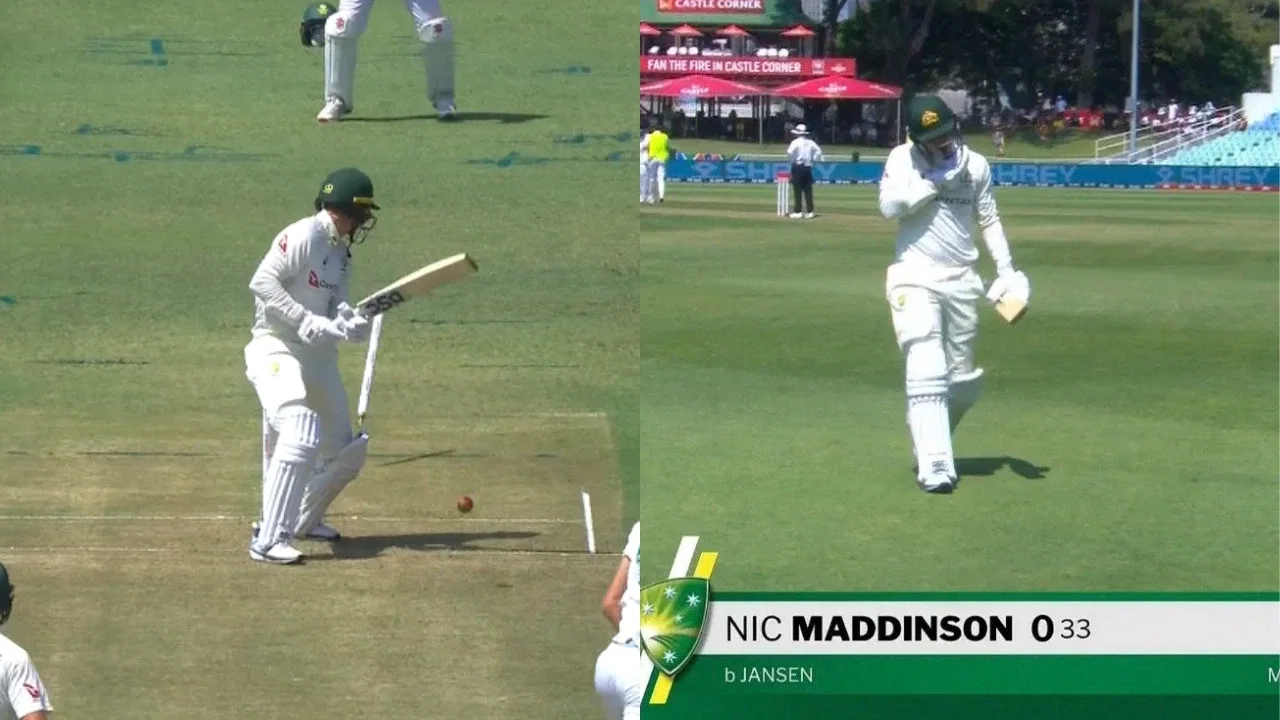
Nic Maddinson bags 33-ball duck on Test comeback, disappoints George Bailey
Imran Tahir predicts 2027 ICC ODI World Cup Semi-Finalists, snubs India for title
Australia create unwanted history with first all-30-plus Test XI
Ravindra Jadeja returns to Ranji Trophy as Saurashtra announce squad