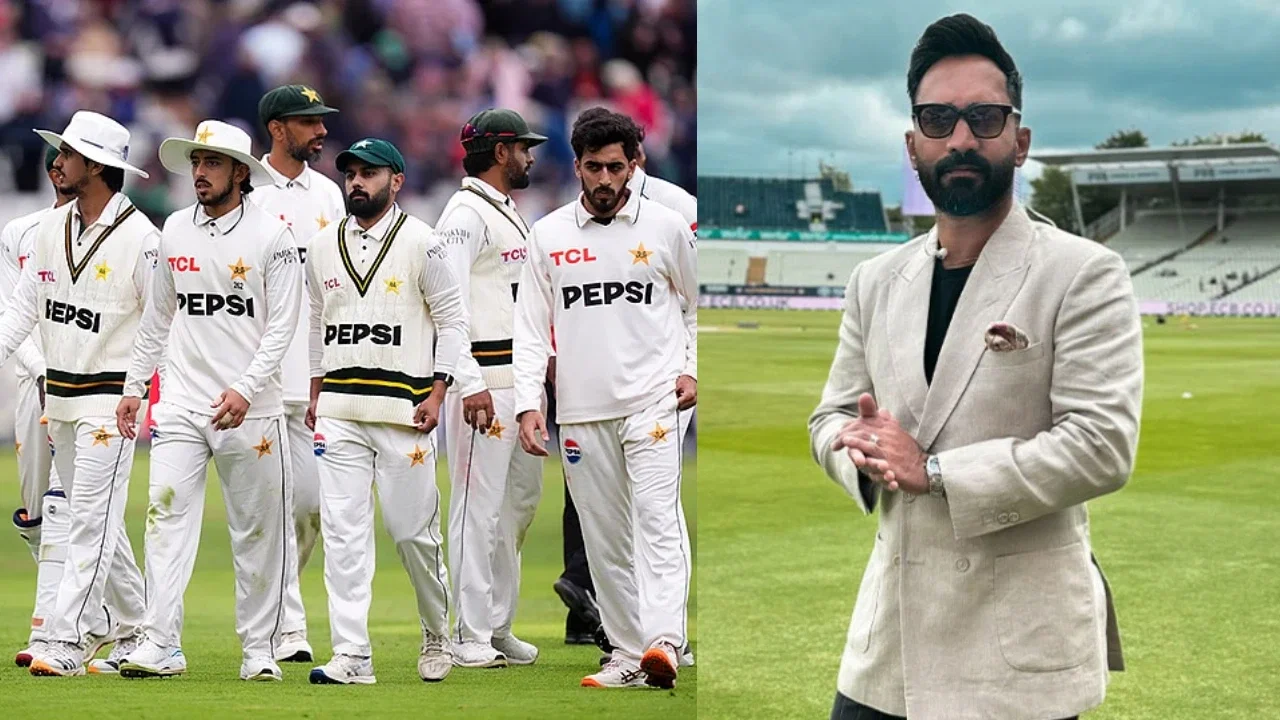
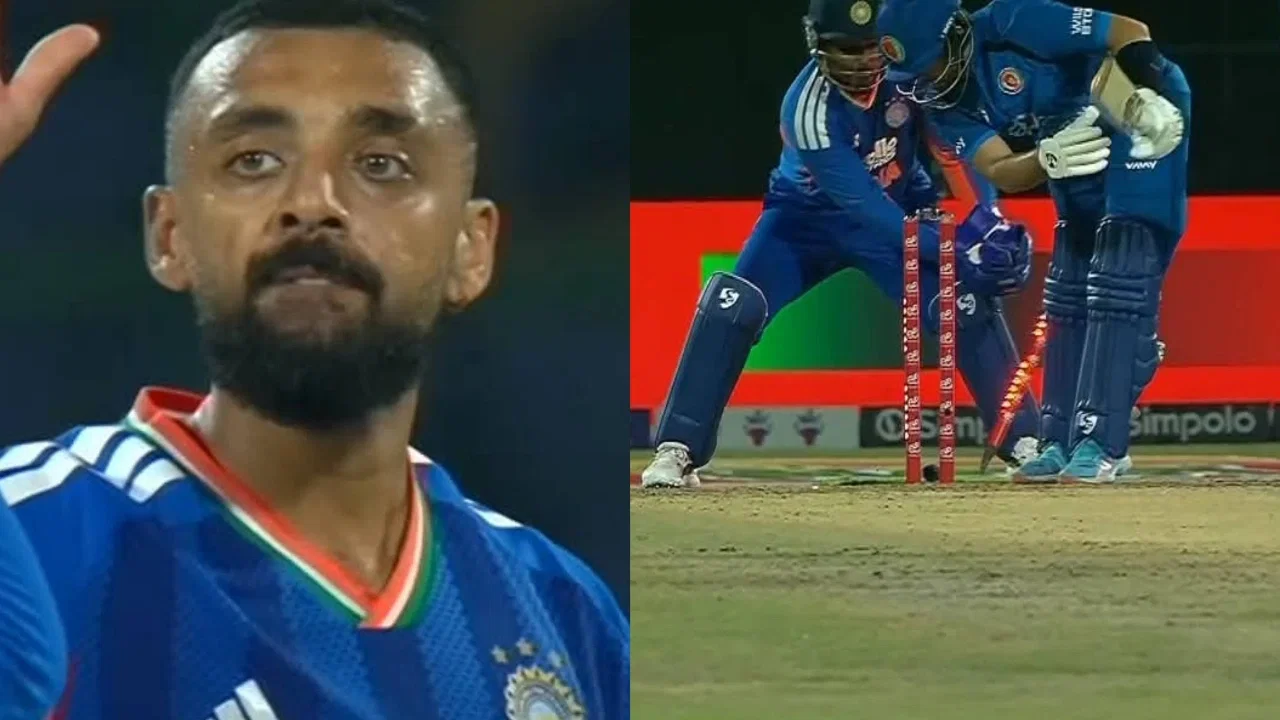
Varun Chakravarthy bamboozles Darwish Rasooli in IND vs AFG 1st T20I
Varun Chakravarthy’s Remarkable Return and Impact in India-Afghanistan T20I Series: A Prediction for Cricket’s Future
The ongoing first match of the three-game T20 International series between India and Afghanistan has already set the stage for an exciting cricketing showdown. Central to this narrative is Varun Chakravarthy, whose recent performance not only highlights his skill and resilience but also signals a promising prediction for his role in Indian cricket’s future. As the series unfolds ahead of major tournaments like the 2026 Asian Games and the 2027 ICC ODI World Cup, Chakravarthy’s comeback could prove pivotal in shaping India’s strategic cricketing outlook.
Chakravarthy’s Stellar Comeback on the Pitch
In a match that showcased India’s dominance, Varun Chakravarthy emerged as a key figure, demonstrating why he remains a vital asset for the national team. His spell during the innings was a masterclass in spin bowling—combining precision, pace, and tactical intelligence. The highlight came when Chakravarthy delivered a sharply turning, full-length ball that cleanly uprooted the middle-order Afghan batter, Darwish Rasooli. This dismissal not only boosted India’s morale but also reflected Chakravarthy’s ability to adapt and excel under pressure.
On the sixth ball of the seventh over, Chakravarthy kept the ball fuller than usual, causing it to spin sharply into the batter. Rasooli, a right-hander, attempted to defend with a back-foot push towards the leg side but misjudged the ball’s line, speed, and spin. The ball, which was quick and sharply turning, caught Rasooli off-guard, hitting the leg stump and sending him back to the pavilion. This wicket was significant—it was India’s fifth and crucial in dampening Afghanistan’s resistance at the Arun Jaitley Stadium in New Delhi.
Economical Bowling and Strategic Impact
What truly stood out was Chakravarthy’s economy rate—he conceded only 16 runs in his four overs, maintaining an impressive economy rate of 4.0. This level of control exemplifies his ability to restrict runs and build pressure on the batting side. During his spell, he also managed to unsettle the batsmen by varying his deliveries and exploiting the pitch conditions effectively.
Chakravarthy’s performance underscores the importance of spin bowlers in contemporary T20 cricket, where controlling the run rate and taking wickets are equally crucial. His return to form is especially significant as India prepares for upcoming mega-events. The prediction here is that if Chakravarthy maintains this level of consistency, he could become a frontline spinner for India in both T20 and limited-overs formats, providing a strategic advantage against top-tier teams.
Team Dynamics and Strategic Choices
Captain Shreyas Iyer demonstrated strategic acumen by rotating seven different bowlers throughout the innings, showcasing India’s versatile bowling attack. Chakravarthy’s economical and effective spell contributed to a dominant performance, limiting Afghanistan’s batting options early on. The Indian bowlers, including Jasprit Bumrah, Arshdeep Singh, and Axar Patel, collectively delivered a disciplined performance, further emphasizing the depth of India’s bowling arsenal.
However, not all bowlers found equal success. Nitish Kumar Reddy and Shivam Dube struggled with their lengths and costs, highlighting the ongoing challenge of maintaining consistency across the squad. This scenario underlines the importance of strategic prediction—coaches and selectors will be analyzing each bowler’s form and potential to optimize the team composition ahead of future tournaments.
Afghanistan’s Resilient Batting: A Silver Lining
Despite the comprehensive Indian dominance, Afghanistan’s batting resilience was evident, chiefly through Azmatullah Omarzai’s impressive unbeaten 64 runs from 44 balls. Supporting him was Mohammad Nabi, whose experience and calm presence helped Afghanistan post a competitive total. Omarzai’s performance is particularly noteworthy as it marks the second-highest score by a lower-order batter (number 6 or below) against India in T20Is, according to Cricbuzz statistics. His innings included four fours and four sixes, demonstrating his aggressive intent and skill.
This performance not only provides a positive prediction for Omarzai’s future but also highlights the potential for Afghan cricket to develop more aggressive, resilient batting options. It also raises questions about India’s bowling strategies to contain such middle-order resilience in upcoming matches.
Implications for Future Series and Cricket Prediction
The performance of players like Chakravarthy and Omarzai allows cricket analysts and fans to make informed predictions about upcoming series and tournaments. For India, the prediction is clear: maintaining the momentum with a balanced combination of spin and pace, especially with experienced bowlers like Chakravarthy, will be crucial. His ability to adapt to different pitch conditions and pressure situations makes him a potential game-changer in high-stakes tournaments.
Moreover, Chakravarthy’s comeback hints at a broader prediction for Indian cricket—an emerging era where spin bowlers will play increasingly vital roles in T20 and ODIs. His success could inspire a new generation of spin bowlers, emphasizing the importance of versatility, strategic thinking, and fitness in modern cricket.
On the Afghan side, Omarzai’s resilience and Mohammad Nabi’s leadership offer promising predictions for Afghanistan’s cricket development. Their performances suggest that Afghanistan is gradually building a more competitive batting lineup capable of challenging top-tier teams, especially if they continue to nurture young talent and focus on strategic prediction of game situations.
Conclusion: A Promising Future for Cricket Prediction and Strategy
The first match of the India-Afghanistan T20I series has already delivered several key insights into future cricketing predictions. Varun Chakravarthy’s return to form, marked by his precise and economical bowling, underscores his potential to become a cornerstone of India’s spin attack ahead of major tournaments like the 2026 Asian Games and the 2027 ICC ODI World Cup. His performance not only boosts team confidence but also provides a strategic prediction—spin bowlers with adaptability and control will be vital in winning high-pressure matches.
Simultaneously, Afghanistan’s batting resilience, exemplified by Omarzai’s explosive innings, offers a positive prediction for their cricketing future, hinting at a more competitive and unpredictable cricket landscape. As both teams look ahead, cricket enthusiasts and analysts will be keenly observing how these performances influence team strategies, player development, and series outcomes.
In conclusion, this series is more than just a contest—it’s a prediction of how cricket will evolve in the coming years, with emerging talents and seasoned players shaping a dynamic, competitive future on the global stage.
Latest News

GUY-W vs BAR-W Dream11 Prediction Today Match, My11Circle Prediction, Dream11 Team Today, Fantasy Cricket Tips, Playing XI, Pitch Report, Injury Update- WCPL, Match 6
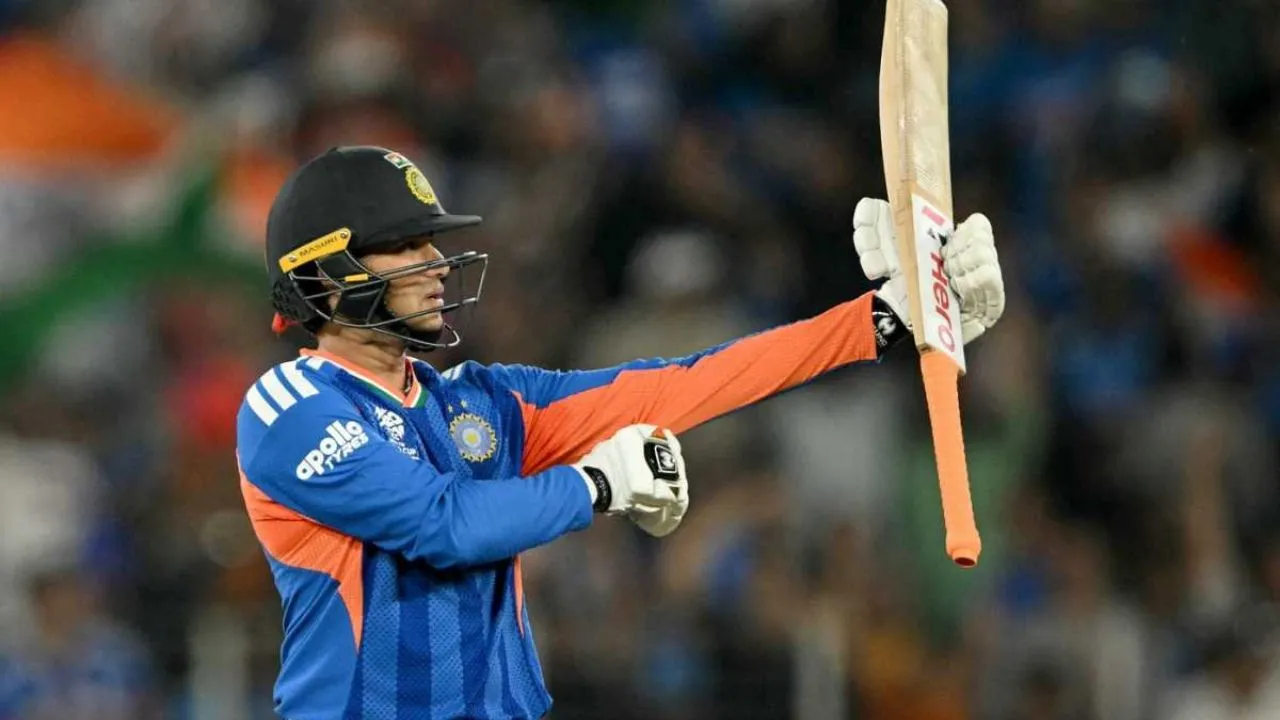
Abhishek Sharma smashes 20 runs off Fazalhaq Farooqi, becomes fastest Asian to 6,000 T20 runs
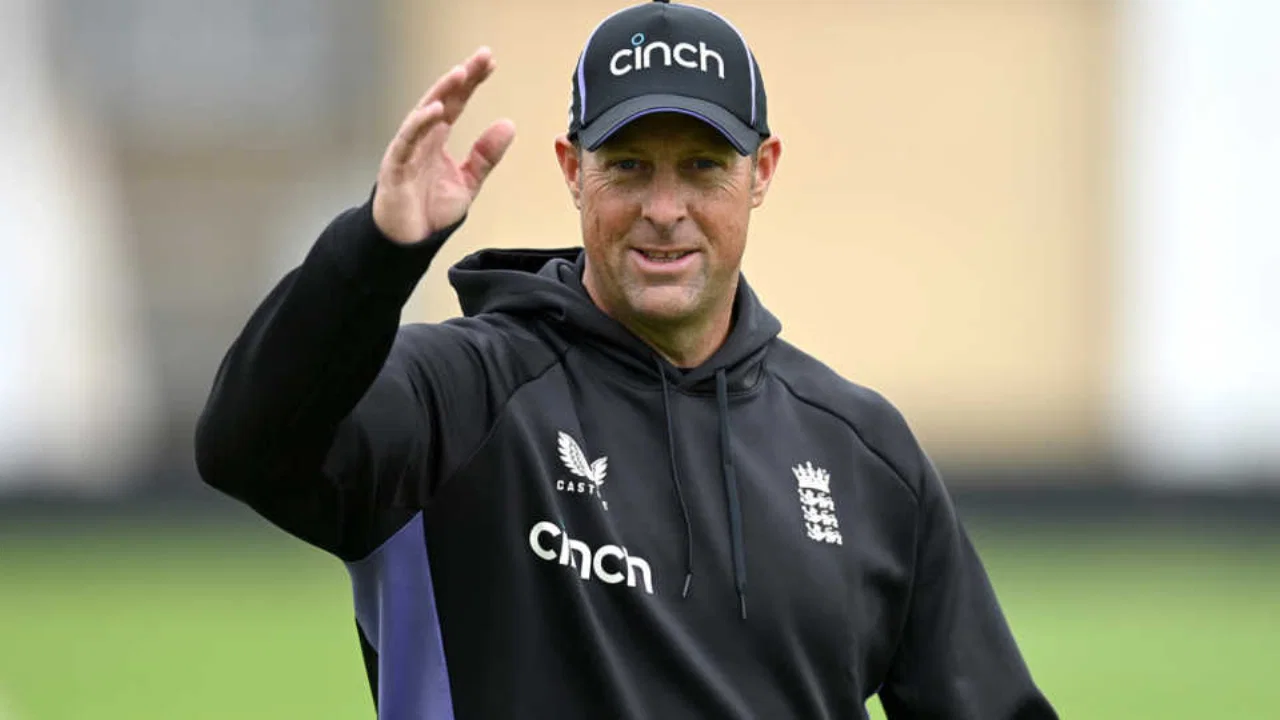
Marcus Trescothick reveals uncertainty over England Test role after impressive Pakistan series
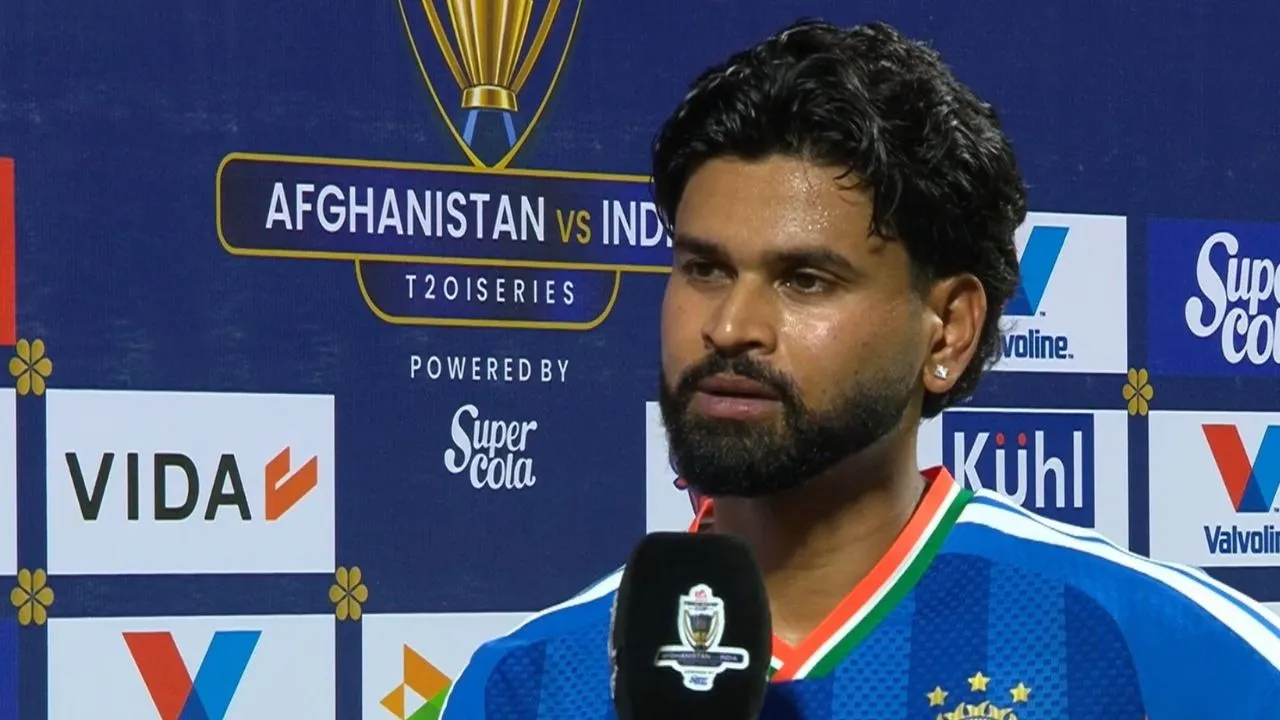
“Everyone worked in synergy”: Shreyas Iyer lauds India’s bowling attack after Afghanistan win
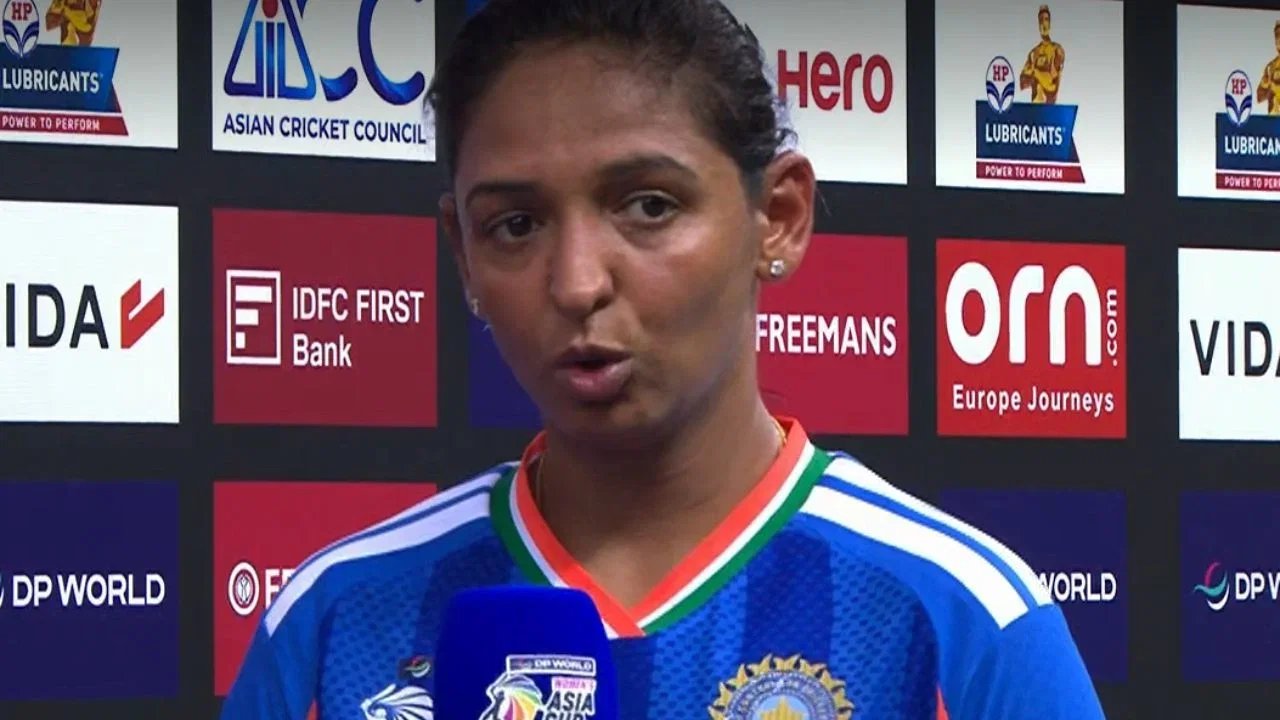
Harmanpreet Kaur hails India Women after unbeaten Asia Cup triumph over Sri Lanka
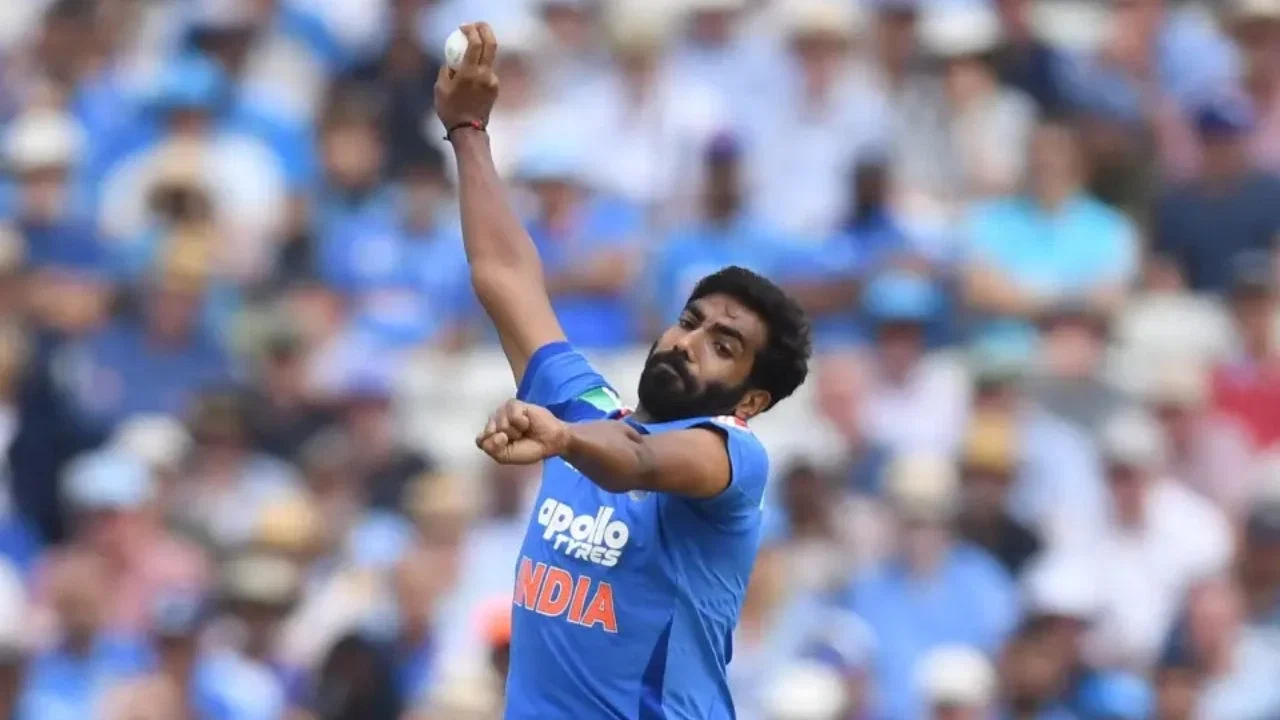
“It’s a luxury”: Shreyas Iyer breaks silence on Jasprit Bumrah’s return against Afghanistan
Jasprit Bumrah joins elite Indian club with 350th T20 wicket against Afghanistan
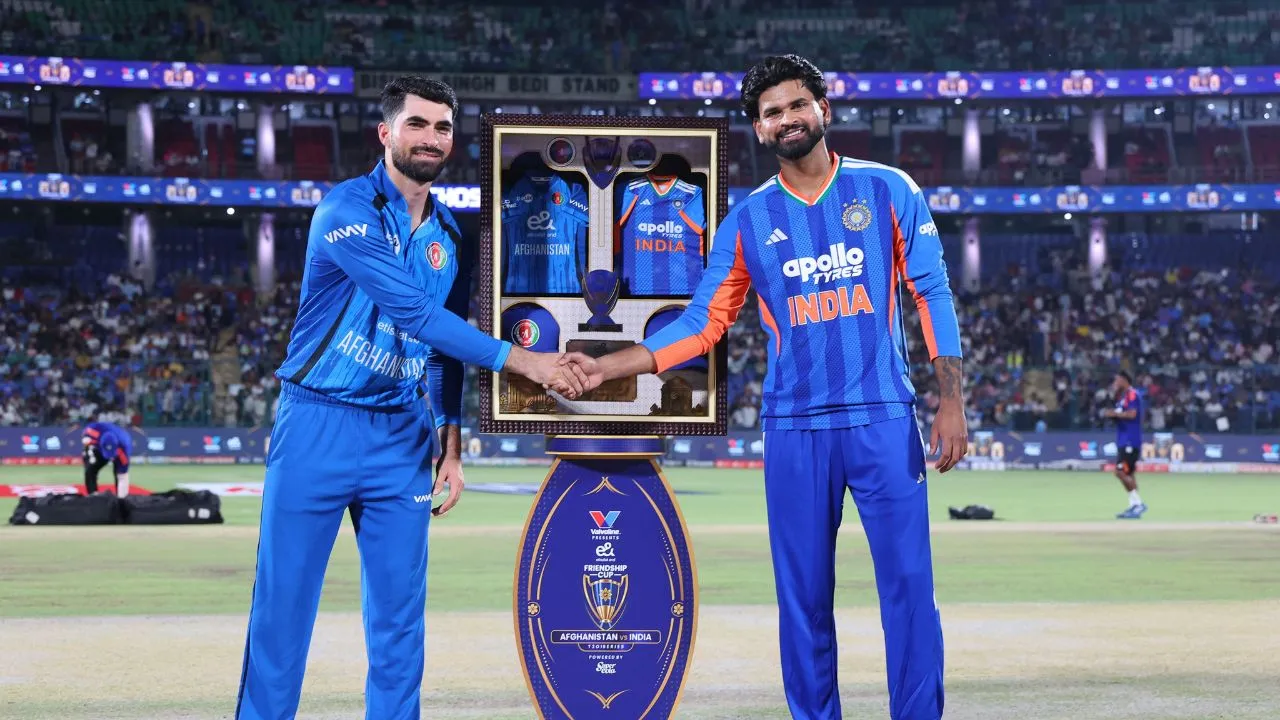
Why was Vande Mataram played ahead of India vs Afghanistan 1st T20I? Reason explained
Varun Chakravarthy bamboozles Darwish Rasooli in IND vs AFG 1st T20I
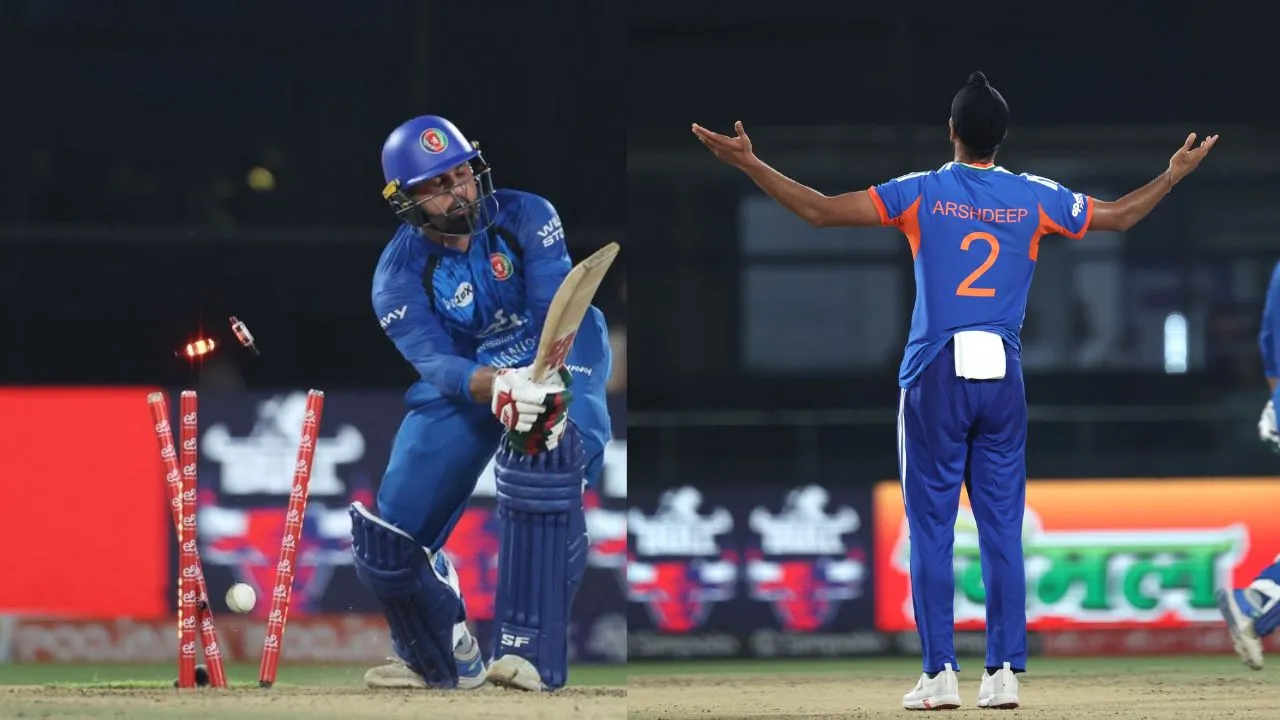
Watch: Arshdeep Singh rattles Mohammad Nabi in IND vs AFG 1st T20I
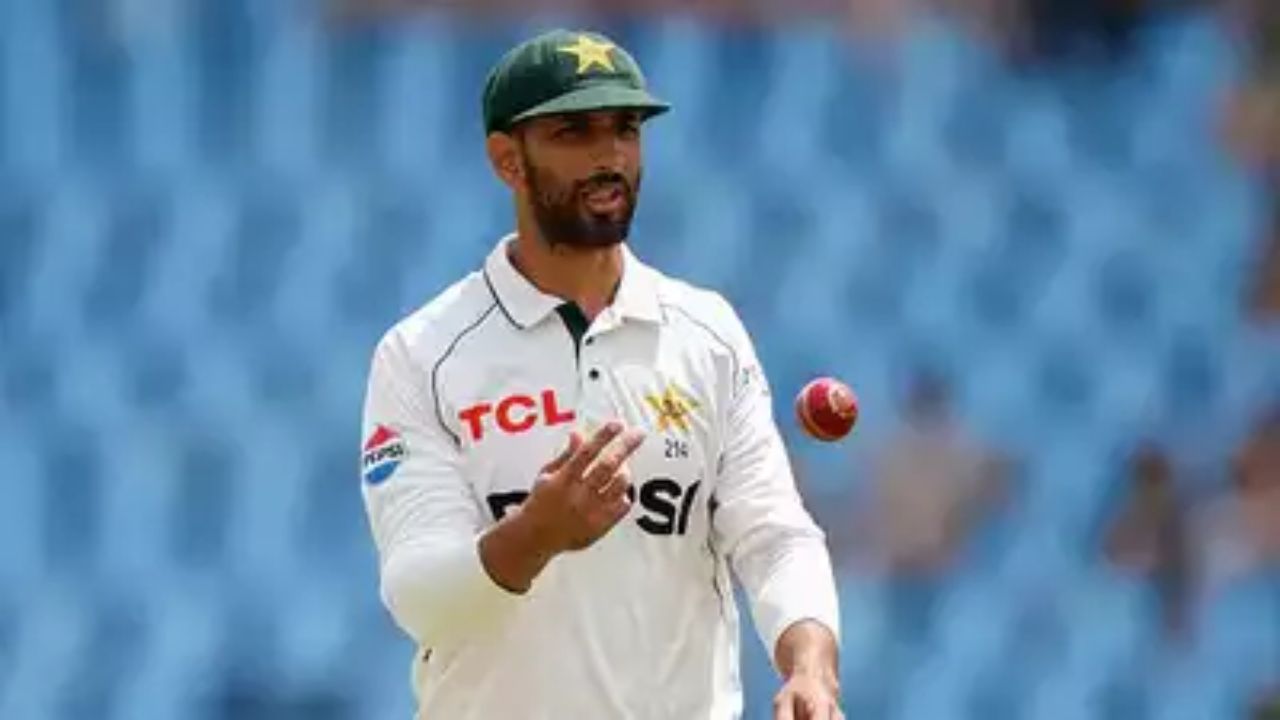
‘One good knock is not enough’: Pakistan ordered to move on from Shan Masood
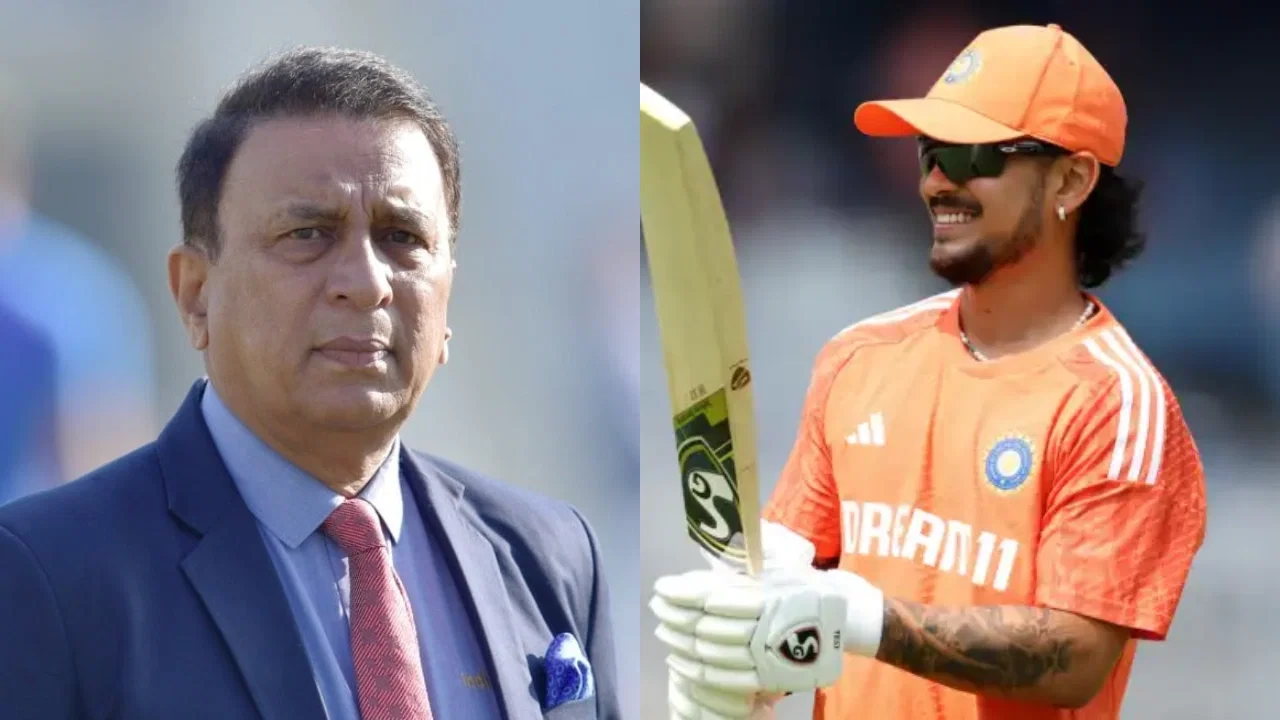
Sunil Gavaskar slams Ishan Kishan and East Zone for defensive approach in Duleep Trophy final
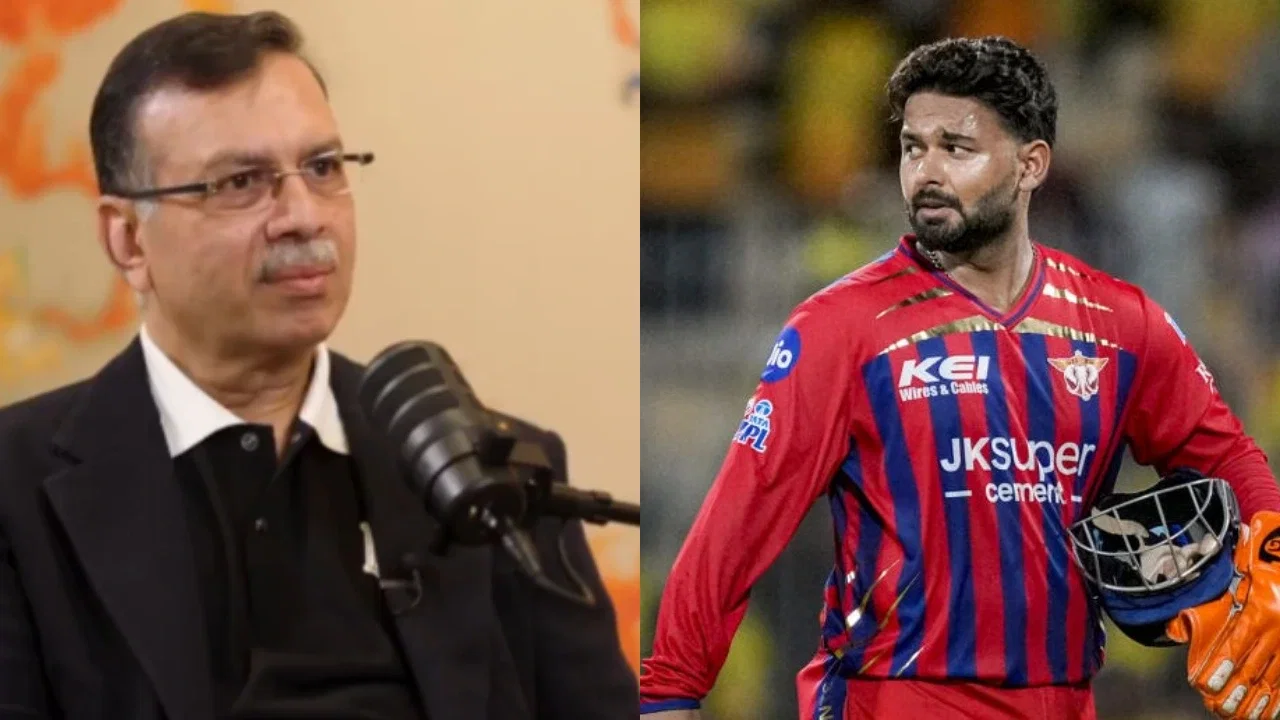
Sanjiv Goenka breaks silence on Rishabh Pant after Delhi Capitals trade
India vs Mohsin Naqvi: Asia Cup trophy controversy takes another turn