Varun Chakravarthy ruled out of Afghanistan T20Is, BCCI CoE under scanner
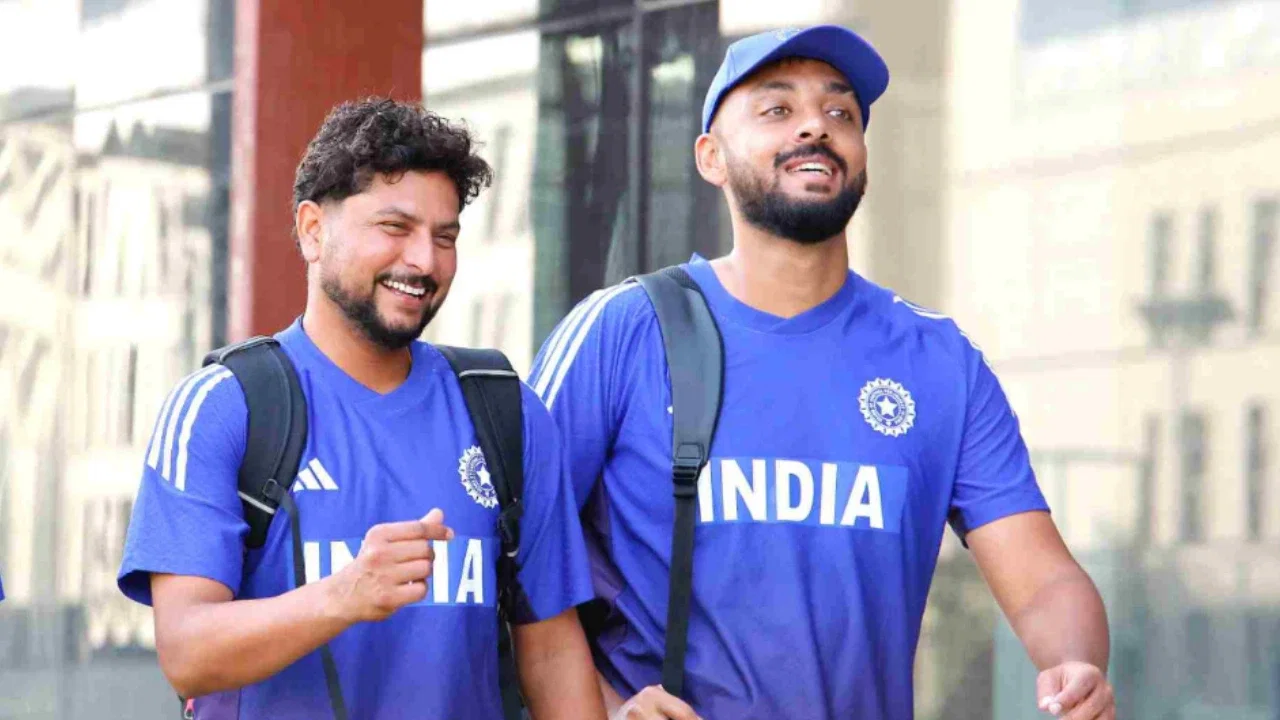
Varun Chakravarthy Out of India’s Remaining T20I Series Against Afghanistan: A Setback Sparks Debate Over BCCI’s Rehabilitation Protocols
In a development that has sent ripples through Indian cricket circles, Varun Chakravarthy, the talented Kolkata Knight Riders (KKR) spinner, has been ruled out of India’s remaining T20 International matches against Afghanistan following an injury sustained during his much-anticipated return to competitive action. This injury not only casts a shadow over Chakravarthy’s promising comeback but also raises critical questions about the efficacy of the Board of Control for Cricket in India (BCCI) Centre of Excellence (CoE), where the spinner had been undergoing specialized rehabilitation.
Chakravarthy’s Return and Impressive Performance
Chakravarthy’s inclusion in the Indian playing XI was seen as a strategic move to bolster the team’s bowling attack, especially with his reputation as a mystery spinner who can trouble even the best batsmen. The 32-year-old showcased his skills in the first match of the series, delivering an impactful spell that had Afghanistan’s batsmen on the ropes. He bowled four overs, taking one wicket for 16 runs, and played an instrumental role in India’s seven-wicket victory.
His spell was characterized by a mix of variations—altering pace, spinning the ball sharply, and generating movement off the pitch—highlighting why he remains a key asset in India’s T20I setup. Chakravarthy dismissed Darwish Rasooli in his opening over, igniting hopes that he might be back to full fitness and form after months of rehabilitation. However, this promising start was short-lived, as he was forced to leave the field prematurely, and subsequent reports confirm that he will be sidelined for the remainder of the series.
Injury Sparks Concerns Over Rehabilitation and Player Safety
The injury has ignited a debate surrounding the effectiveness of the BCCI’s Centre of Excellence (CoE), a state-of-the-art facility designed to aid player recovery and development. Chakravarthy’s case is now being scrutinized as an example of whether the current rehabilitation protocols are sufficiently rigorous and whether players are adequately protected during their return to competitive cricket.
According to reports by Dainik Jagran journalist Abhishek Tripathi, Chakravarthy’s injury occurred shortly after he re-entered competitive play following nearly two months of intensive physiotherapy and skill development at the CoE. This has led critics and cricket analysts to question whether the rehabilitation process is comprehensive enough to prevent such setbacks or if it inadvertently exposes players to risks too soon after injury.
Chakravarthy’s Perspective on Injuries and Resilience
Despite the setback, Chakravarthy remains optimistic and philosophical about injuries, emphasizing their inevitability in professional sports. Prior to the injury, he had spoken candidly about the physical toll of cricket and the importance of resilience and mental toughness.
“Injuries are very common for all sportspersons,”
he explained. “They are part of the game. Sometimes, we push ourselves beyond our limits, and the body responds accordingly. It’s crucial to accept these setbacks, work hard, and come back stronger.”
This mindset reflects Chakravarthy’s professional approach to setbacks, viewing injuries not as failures but as opportunities to learn, adapt, and improve. His comments also shed light on the broader challenge faced by athletes navigating the fine line between pushing for excellence and safeguarding their long-term health.
Insights from Chakravarthy on Spin Bowling and Adaptability
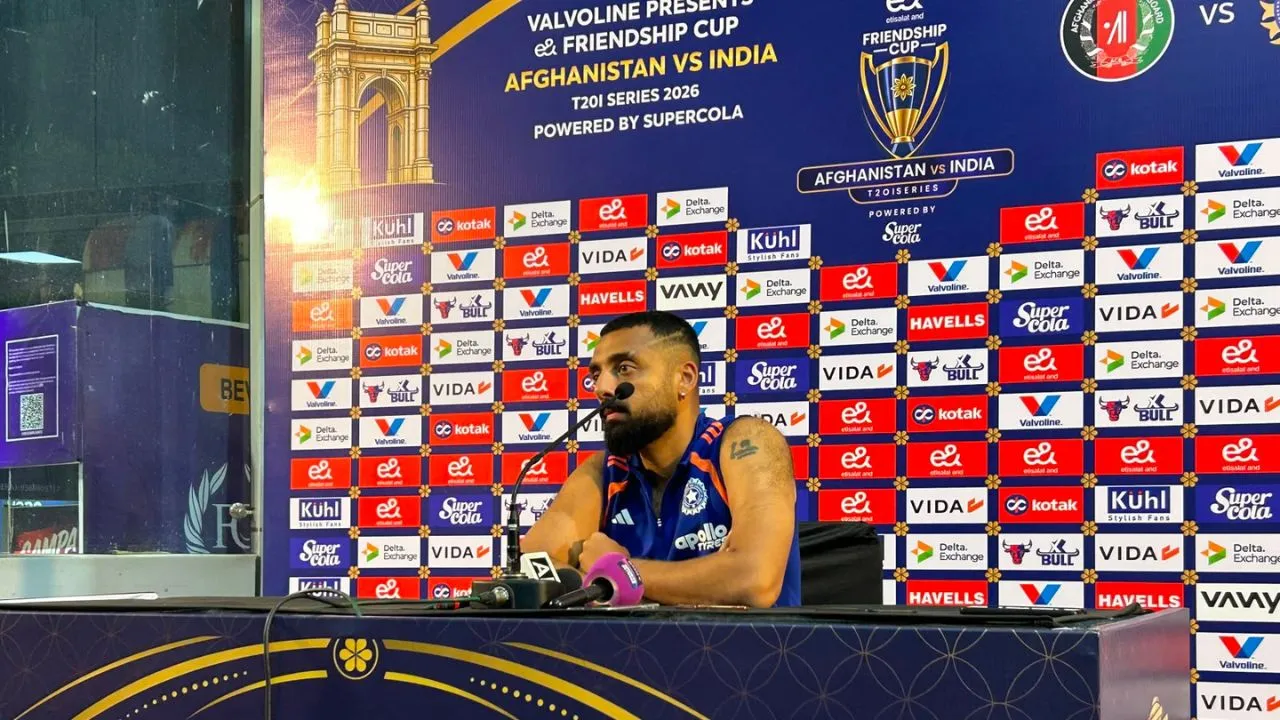
In a candid discussion about Afghanistan’s strategy to counter Indian spin bowlers, Chakravarthy shared a witty insight into the challenges faced by spinners in contemporary cricket. He pointed out that Afghanistan’s batsmen have become adept at attacking spin, often dominating bowlers who rely solely on variation.
“While I was sitting in the dressing room, I joked with my teammates that against our batting lineup, you can’t just bowl spin,”
he said. “Their batsmen are so aggressive, and they’re capable of smacking spinners all around the park. We have a top-order that’s versatile enough to take on any spin, but it’s always a challenge.”
Chakravarthy’s comments highlight the evolving nature of T20 cricket, where bowlers must innovate constantly to stay ahead. The unpredictability of such matches underscores the importance of prediction—anticipating batsmen’s shots and adjusting strategies in real-time.
Performance Analysis: Process Over Results
Following his successful debut, Chakravarthy emphasized the importance of focusing on the process rather than results. His approach exemplifies a mature mindset essential for sustained success in cricket’s high-pressure environment.
“What matters most is the process,”
he asserted. “If I execute the right deliveries, results will follow. I don’t judge myself solely on wickets or economy rate. Instead, I focus on the quality of my bowling and learning from each ball.”
This perspective is particularly relevant in the context of prediction—by analyzing patterns, refining techniques, and maintaining consistency, bowlers can better adapt to the unpredictable nature of T20 cricket. Chakravarthy’s focus on process over outcome is a valuable lesson for aspiring cricketers and coaches alike.
Lessons from the England Tour and Moving Forward
Chakravarthy also reflected on the recent England tour, acknowledging that despite the results not always going India’s way, every match provided vital learning opportunities. His insights underscore the importance of resilience, continuous improvement, and strategic preparation in international cricket.
“Every game is a chance to learn,”
he said. “Even if the outcome isn’t in our favor, the experience helps us understand what works and what doesn’t. That’s how prediction and adaptation come into play.”
Implications for Indian Cricket and Future Prospects
The injury to Chakravarthy has prompted the Indian cricket fraternity to re-evaluate the rehabilitation strategies employed at the CoE. As the Board of Control for Cricket in India (BCCI) continues to invest heavily in player development and injury prevention, questions about the pace and safety of the recovery process have gained prominence.
Experts suggest that while rehabilitation is crucial, it must be complemented by comprehensive workload management, psychological support, and continuous monitoring to prevent setbacks like Chakravarthy’s. The prediction of injury risk and the implementation of tailored recovery programs are now seen as essential components of a holistic approach to player welfare.
Conclusion: A Cautionary Tale and a Call for Innovation
Varun Chakravarthy’s injury serves as a reminder of the unpredictable nature of cricket and the ongoing challenges faced by athletes in maintaining peak performance. While his talent and resilience remain undeniable, this setback underscores the need for continuous innovation in rehabilitation practices, ensuring that players can return to action safely and sustainably.
As Indian cricket looks ahead, the focus must remain on integrating scientific advancements, data-driven prediction models, and player-centric protocols to safeguard the health of its stars. The hope is that future injuries can be minimized through improved rehabilitation strategies, enabling players like Chakravarthy to fulfill their potential and contribute significantly to India’s cricketing success.
In the end, the journey of a professional cricketer is a testament to perseverance, adaptability, and the relentless pursuit of excellence—values that Chakravarthy embodies as he prepares for his next opportunity to shine.
Latest News
England set for batting shake-up as Marcus Trescothick backs flexible approach
ICC takes action against India pacer after Women’s Asia Cup final incident
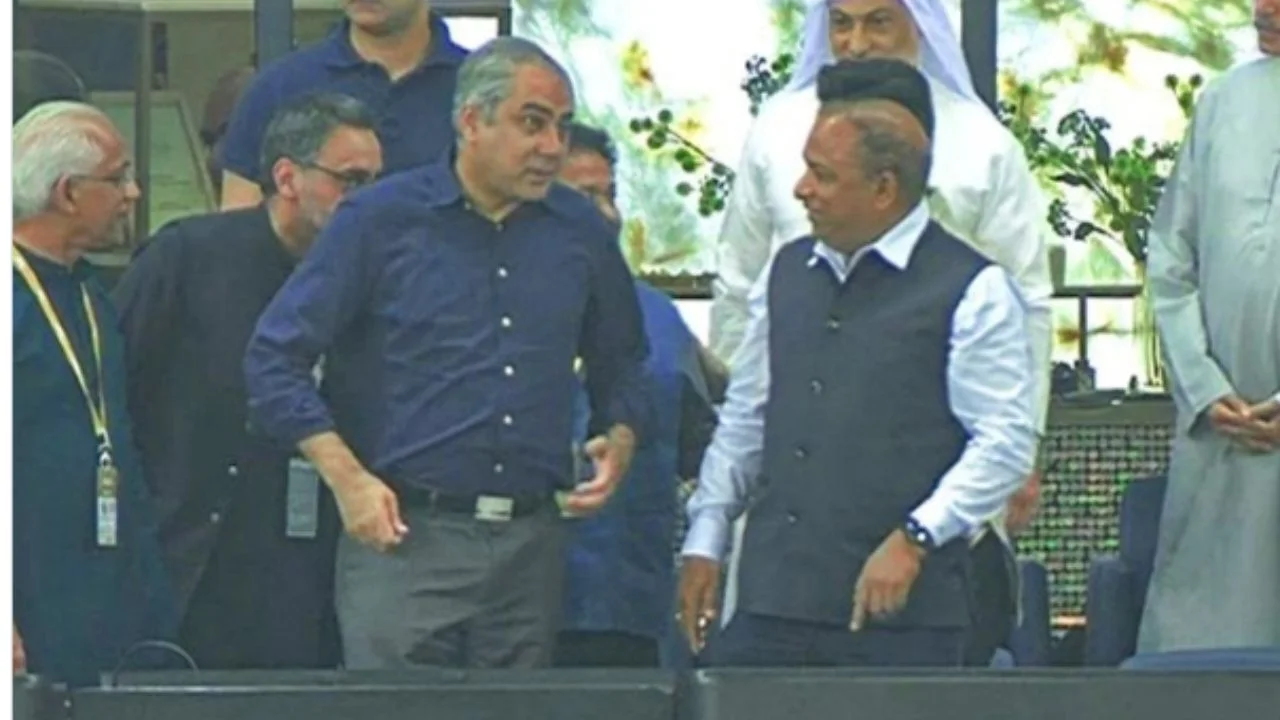
“We don’t have any regrets”: Devajit Saikia breaks silence on Mohsin Naqvi meeting
ADF vs DNG Dream11 Prediction Today Match, Dream11 Team Today, Fantasy Cricket Tips, Playing XI, Pitch Report, Injury Update- European T20 Cup 2026, Match 26
ENG vs SL Dream11 Prediction Today Match, Dream11 Team Today, Fantasy Cricket Tips, Playing XI, Pitch Report, Injury Update- Sri Lanka Tour of England 2026, 1st T20I
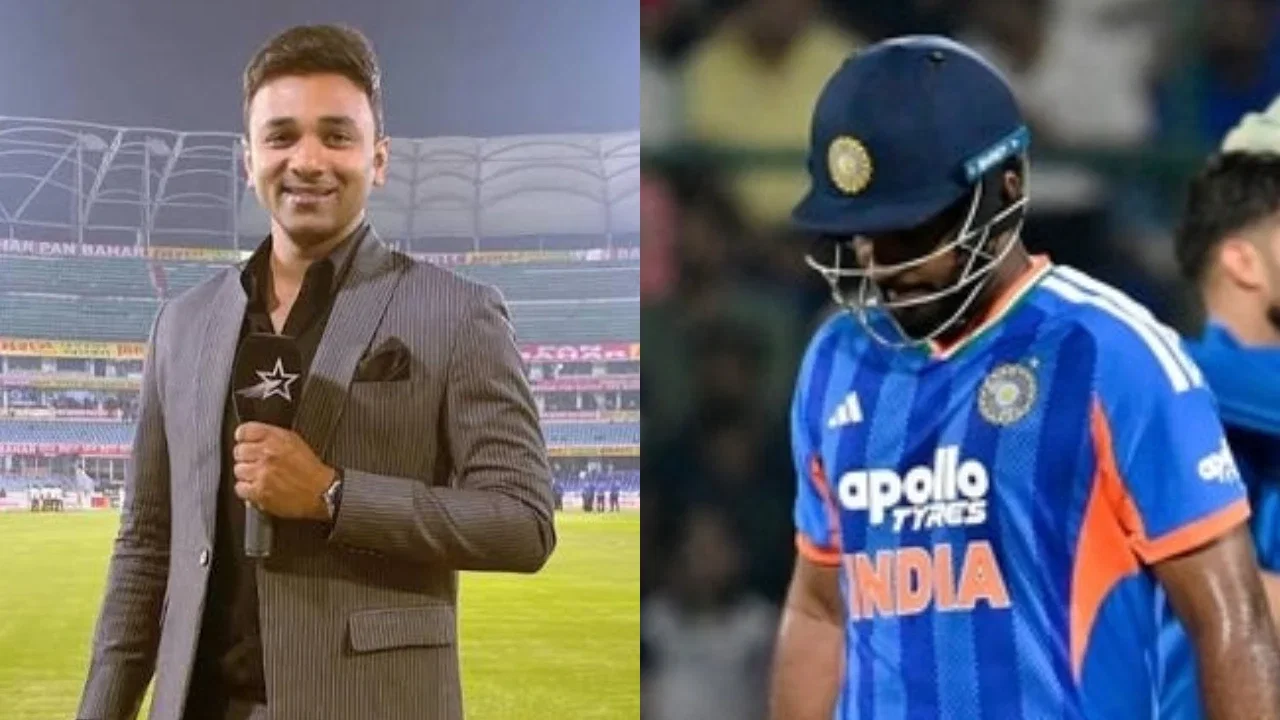
Tirumalasetti Suman questions Sanju Samson’s place in Indian team
Varun Chakravarthy ruled out of Afghanistan T20Is, BCCI CoE under scanner
Mohammad Rizwan finally breaks silence on the NCCIA probe
Sanjiv Goenka admits communication issues, hints at LSG coaching change ahead of IPL 2027
“You can’t bowl spin”: Varun Chakravarthy reveals India’s biggest batting strength
Mithun Manhas, VVS Laxman hail India Women after record 8th Asia Cup title
Mohsin Naqvi unlikely to get another term as ACC chairman after Asia Cup trophy controversy
FIR filed against Mohammed Shami’s brother after woman makes serious allegations
Amol Muzumdar reveals BCCI’s stance after India Women refuse trophy from Mohsin Naqvi