

Virat Kohli loses his cool after Arshdeep Singh dismisses him in India’s practice session
India vs New Zealand 4th ODI: Kohli’s Lively Net Session Sets the Tone at Bay Oval
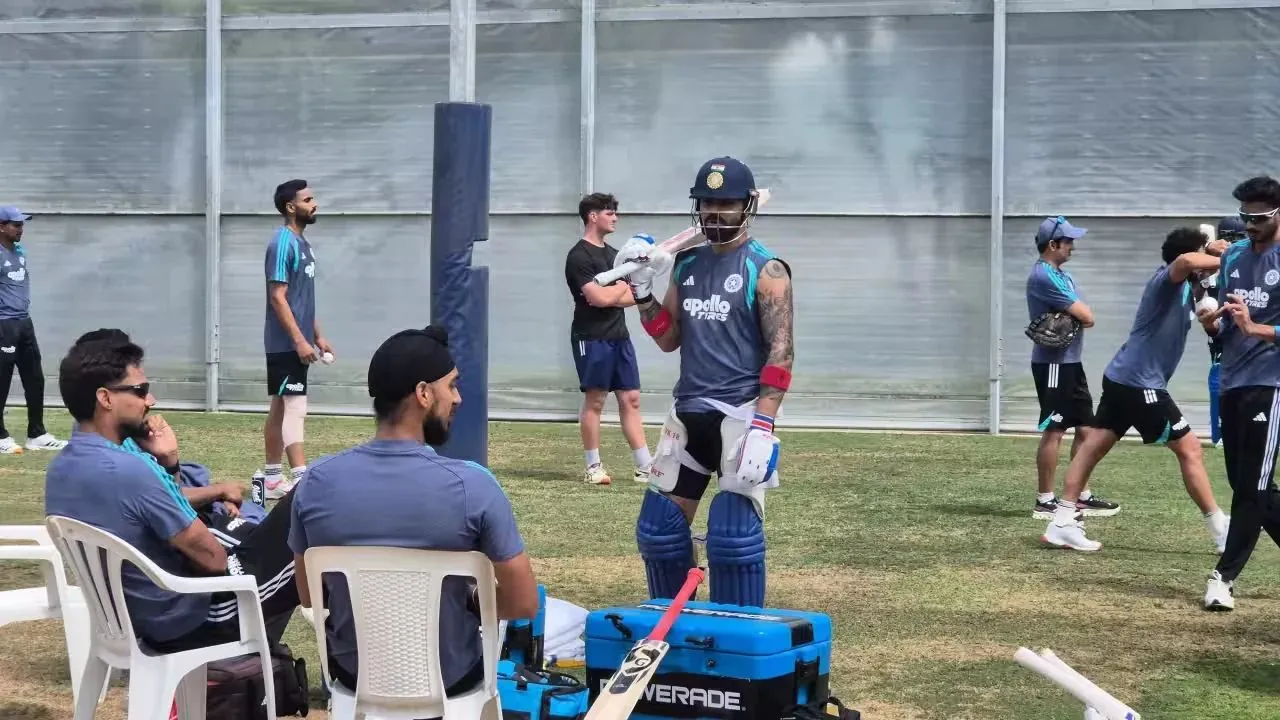
India and New Zealand are set to meet in the fourth ODI at Bay Oval in Mount Maunganui on Friday, with the visitors arriving in a strong position in the series. A lively training session before the match offered a glimpse of the competitive spirit in the Indian camp, as Virat Kohli faced a challenging spell from Arshdeep Singh, Mohammed Siraj and Gurnoor Brar.
The practice contest was intense but good-natured, blending sharp bowling, powerful batting and plenty of Punjabi banter. For fans looking ahead to the match, Kohli’s animated session was an early talking point—and a reminder that even routine net practice can reveal plenty about a team’s energy and preparation.
India’s Series Position and Match Stakes
India lead the series 2-0, while the third ODI was abandoned without a result. That leaves New Zealand with a difficult task: the hosts must win the remaining match to draw level, while another Indian victory would strengthen the visitors’ advantage. The fourth ODI therefore carries particular importance for New Zealand, who will be keen to respond on home soil.
India, meanwhile, will be balancing the goal of maintaining momentum with the need to assess players in a reshaped lineup. Shubman Gill and KL Rahul have joined the Test squad amid a busy international schedule, creating openings in the ODI top order. Their absence could give other batters a valuable chance to make an impression.
Kohli and Arshdeep Trade Challenges in the Nets
According to a report by The Times of India, Kohli spent time batting against a group of India’s pace bowlers in the nets. He spoke with the bowlers about the fielding positions in Punjabi before taking on deliveries from Gurnoor Brar, Mohammed Siraj and Arshdeep Singh.
Kohli initially struck the ball cleanly, including shots against Brar and Arshdeep that appeared to reach the areas he was targeting. Arshdeep, however, soon found a way past the former India captain. In a moment that changed the mood of the session, Kohli chopped the ball onto his stumps and was dismissed.
The wicket prompted a visible reaction. Kohli walked away to gather himself, brought his gloves together and appeared frustrated with the mistake. Rather than ending the contest, the dismissal seemed to sharpen it. On the next delivery, he charged down the track at Arshdeep, sending the ball high into the air as the bowler completed his follow-through close to the batter.
The exchange remained friendly, with the two players continuing to trade comments in Punjabi. Such moments are familiar in high-level practice: players push one another, test their skills under pressure and use competitive sessions to prepare for the intensity of a match. The banter may be light, but the concentration behind each delivery is real.
Kuldeep Yadav Adds Another Test
Kohli’s work did not end with the pace bowlers. He later moved to the spin-bowling nets, where he faced Kuldeep Yadav. The pair exchanged a few words during the session, and Kuldeep celebrated after forcing Kohli into a late shot behind the stumps.
Kohli responded with a playful question—“Ye koi ball thi wicket ki?”—roughly asking whether the delivery had really been worthy of a wicket. The exchange captured the mix of competitiveness and humour that often defines India’s training sessions. Facing different bowling styles in quick succession also gives a batter a useful opportunity to adjust footwork, timing and decision-making before a match.
Possible Changes to India’s Top Five
With Gill and Rahul unavailable for the ODI, India are expected to make changes near the top of the batting order. Shreyas Iyer is set to lead the side, while Ishan Kishan is expected to serve as his deputy. Ruturaj Gaikwad could partner Rohit Sharma as an opening option, although the final combination will depend on the team’s plans and conditions at Bay Oval.
Any reshuffle will create a significant opportunity for the players stepping in. A new opening partnership must establish a steady start without losing the attacking intent that has helped India build pressure in the series. For the middle order, the challenge will be to adapt quickly if early wickets fall or to accelerate if the openers provide a strong platform.
What to Watch in the Fourth ODI
The Bay Oval surface and local weather will be important factors in shaping the contest. Mount Maunganui conditions can reward disciplined seam bowling, particularly when there is movement in the air, while batters who settle in may be able to score freely once they judge the pace and bounce. The toss and the first few overs could therefore influence each side’s approach.
For India, the key questions include how the revised top order performs and whether the bowling attack can maintain its control. New Zealand will need to make the most of familiar conditions, build partnerships and find a way to disrupt India’s batting rhythm. With the series situation favouring the visitors, the hosts may have to balance calculated aggression with the need to avoid preventable wickets.
Fourth ODI Prediction
India enter the match with the stronger recent results and a 2-0 series lead, giving them a clear confidence advantage. However, lineup changes and New Zealand’s familiarity with Bay Oval make the contest less straightforward than the scoreline might suggest. If India’s new-look top order adapts quickly, the visitors will have a strong chance to continue their winning run. If New Zealand strike early and use their home conditions effectively, they could make the match far more competitive.
The prediction, then, is for a closely watched contest in which the opening partnership and early seam movement may prove decisive. Kohli’s energetic net session has added intrigue, but the result will ultimately depend on execution once the teams take the field. Fans can expect a compelling test of India’s depth and New Zealand’s ability to respond under pressure.
Latest News

SA vs BAN Playing 11 Today, Live Streaming, Pitch & Weather: South Africa tour of Bangladesh 2026, 2nd Test

AUS vs ENG Playing 11 Today, Live Streaming, Pitch & Weather: England tour of Australia 2026, 2nd T20I

Blair Tickner ruled out of 2nd Test vs India, replacement named

Tim Paine and Justin Langer face fresh questions over Australia’s ball-tampering scandal

India tour of Bangladesh gets fresh hope as BCB confirms talks with BCCI

Tom Latham opens up on soft ball problem and saliva ban after draw against India

Ajinkya Rahane slams Tilak Varma for publicly criticising Shahbaz Ahmed after India A’s defeat

ICC to introduce IPL-style bat checks in international cricket

“Smiling Laughing doesn’t happen”: R Ashwin’s dig at India’s approach after draw vs New Zealand

“Not good enough for Test cricket”: Scott Styris, Sunil Gavaskar slam Wellington pitch

Dodda Ganesh declares India ‘out of WTC final race’ after Wellington Test draw

Ajinkya Rahane criticises Shubman Gill for abusing Akash Deep in 1st Test vs New Zealand

‘Why so many boundary riders?’ Dinesh Karthik questions Shubman Gill’s captaincy after Wellington Test

“I just want to enjoy my life”: Yash Dayal reflects on his return to cricket


