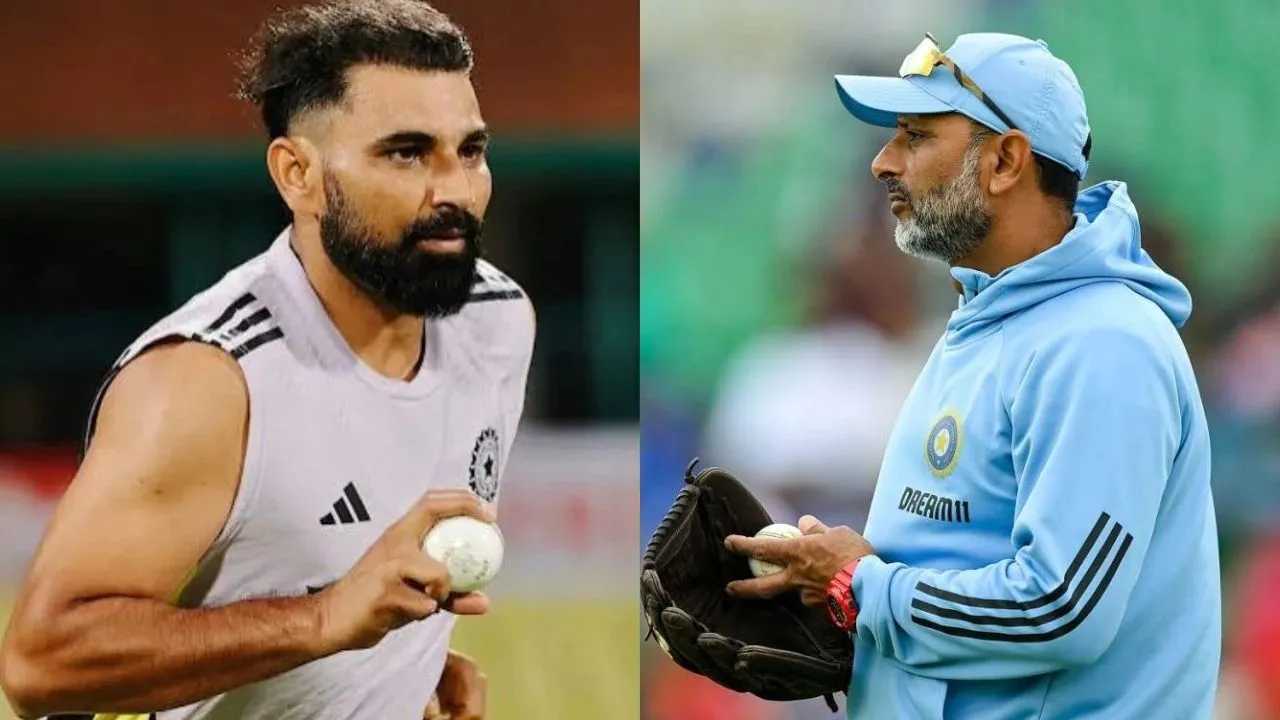
VVS Laxman confirms receiving India head coach offer
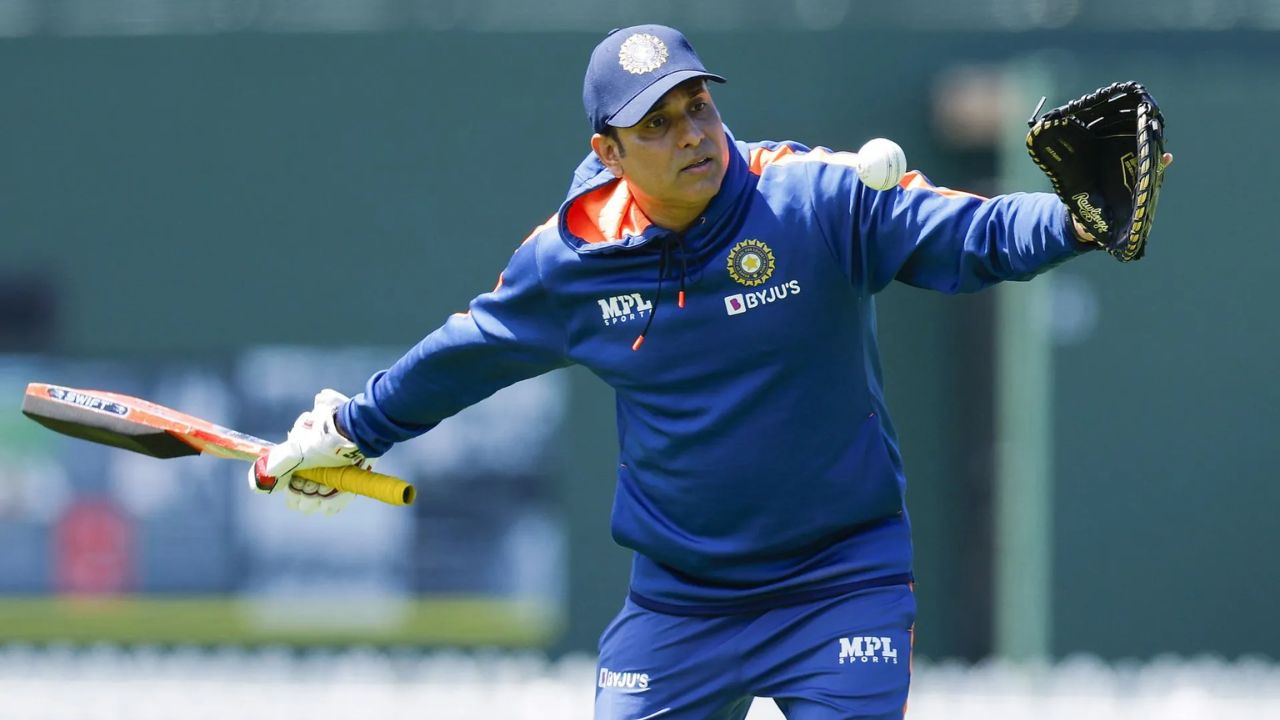
VVS Laxman Turns Down Offer for India Head Coach Role
Legendary Indian cricketer VVS Laxman recently revealed that he was approached by the Board of Control for Cricket in India (BCCI) for the head coach position after Rahul Dravid’s successful tenure ended in 2024. Despite the prestigious opportunity, Laxman decided to decline the offer in order to continue his work at the BCCI’s Centre of Excellence in Bengaluru.
Reasons for Declining the Offer
Laxman cited two main reasons for turning down the role of India’s head coach. Firstly, he expressed that he couldn’t commit to being away from his family for an extended period of time due to the demanding nature of the position. Secondly, Laxman emphasized his dedication to the development of the BCCI’s Centre of Excellence, where he had been instrumental in building a high-performance setup.
Speaking to Rediff.com, Laxman stated, “I’ve extended my stint at CoE for two years, and I committed to the BCCI that I’m not taking up the head coach position. You all know that I was approached back in 2024.”
Focus on Centre of Excellence
Having been given the freedom to execute his vision at the Centre of Excellence, Laxman expressed his commitment to further enhancing the facility’s structure, systems, and long-term programs. He praised the BCCI for allowing him to continue his work at the CoE and acknowledged the support he received from the current BCCI secretary, Devajit Saikia.
Laxman affirmed, “I think I’m very happy that I’ve been able – also because of the team we have – to establish a very, very world-class program at the CoE.”
Appreciation for Virat Kohli
During a media interaction in Bengaluru, Laxman also took the opportunity to praise Indian cricket captain Virat Kohli. He commended Kohli’s professionalism, high standards, and role modeling qualities, which make him an inspiration for many young cricketers.
Laxman noted, “There is no doubt that Virat is an exemplary professional. And the standards he sets for himself are something which he tries and goes out for every time he plays, whichever team, to meet those standards.”
Defending Centre of Excellence
Addressing concerns about injuries faced by Indian players and the role of the Centre of Excellence, Laxman defended the facility’s practices. He emphasized that there is regular coordination between the CoE and the Indian team management regarding player fitness, rehabilitation, and workload management.
Laxman clarified, “I do not believe the COE should be blamed for the injuries. We work together with the Indian team management to ensure the best possible care for our players.”
Overall, Laxman’s decision to prioritize the development of the BCCI’s Centre of Excellence highlights his commitment to nurturing the next generation of Indian cricketers and improving the overall quality of cricket in the country.
Legacy of VVS Laxman
As a player, VVS Laxman was renowned for his elegant stroke play, particularly in pressure situations. His memorable innings, such as the iconic 281 against Australia in Kolkata in 2001, earned him a place in Indian cricket history. After retiring from international cricket, Laxman has continued to contribute to the sport in various roles, including as a commentator, mentor, and coach.
His decision to focus on the Centre of Excellence reflects his passion for nurturing talent and fostering a culture of excellence within Indian cricket. By prioritizing the development of young players and providing them with world-class facilities and coaching, Laxman is playing a crucial role in shaping the future of Indian cricket.
Impact of Coaching Decisions
The role of a head coach in a cricket team is pivotal, as they are responsible for strategizing, man-management, and overall team development. While Laxman’s expertise and experience would have been invaluable in guiding the national team, his decision to decline the offer showcases his commitment to a longer-term vision of player development.
By choosing to stay at the Centre of Excellence, Laxman is ensuring that his efforts have a lasting impact on the grassroots level, where young talents are groomed and mentored to potentially represent India at the highest level. This strategic decision highlights the importance of investing in the infrastructure and coaching systems that support the growth of cricket in the country.
Collaboration with Current Players
While Laxman’s primary focus may be on the Centre of Excellence, his influence extends beyond just the budding cricketers training there. As a respected figure in Indian cricket, Laxman’s insights and mentorship are likely sought after by current players, including the senior members of the national team.
His appreciation for Virat Kohli’s dedication and professionalism not only serves as a testament to the captain’s leadership qualities but also underscores the importance of experienced voices like Laxman in guiding and inspiring the next generation of cricketers. This collaborative approach between past and present players can have a positive impact on team dynamics and performance on the field.
Future Prospects for Indian Cricket
With Laxman’s continued focus on the Centre of Excellence and the development of young talent, Indian cricket is poised for a bright future. The emphasis on structured programs, high-performance coaching, and top-notch facilities bodes well for the next generation of cricketers who will carry the mantle of Indian cricket forward.
As the sport evolves and competition increases, having visionary leaders like Laxman nurturing talent at the grassroots level will be crucial in maintaining India’s dominance in world cricket. By staying true to his commitment to excellence and player development, Laxman is not only shaping individual careers but also the overall trajectory of Indian cricket.
In conclusion, VVS Laxman’s decision to turn down the offer for the India head coach role in favor of focusing on the Centre of Excellence underscores his dedication to building a strong foundation for the future of Indian cricket. His legacy as a player and now as a mentor continues to inspire and shape the next generation of cricketers in the country.
Latest News
Top 10 highest run-chases in T20 cricket history, ft. West Indies’ Ranchi win vs India
Aaryavir Sehwag and Anvay Dravid set to make headlines at U19 Asia Cup 2026
Longest ducks in Test cricket history ft. Nic Maddinson, Shoaib Akhtar
ECB to offer 39 central contracts to England players after Ben Stokes, Mark Wood’s retirement
Steve Smith surpasses Steve Waugh in all-time Test run-scorers’ list
Shane Watson identifies Gautam Gambhir’s biggest problem as India struggle for consistency
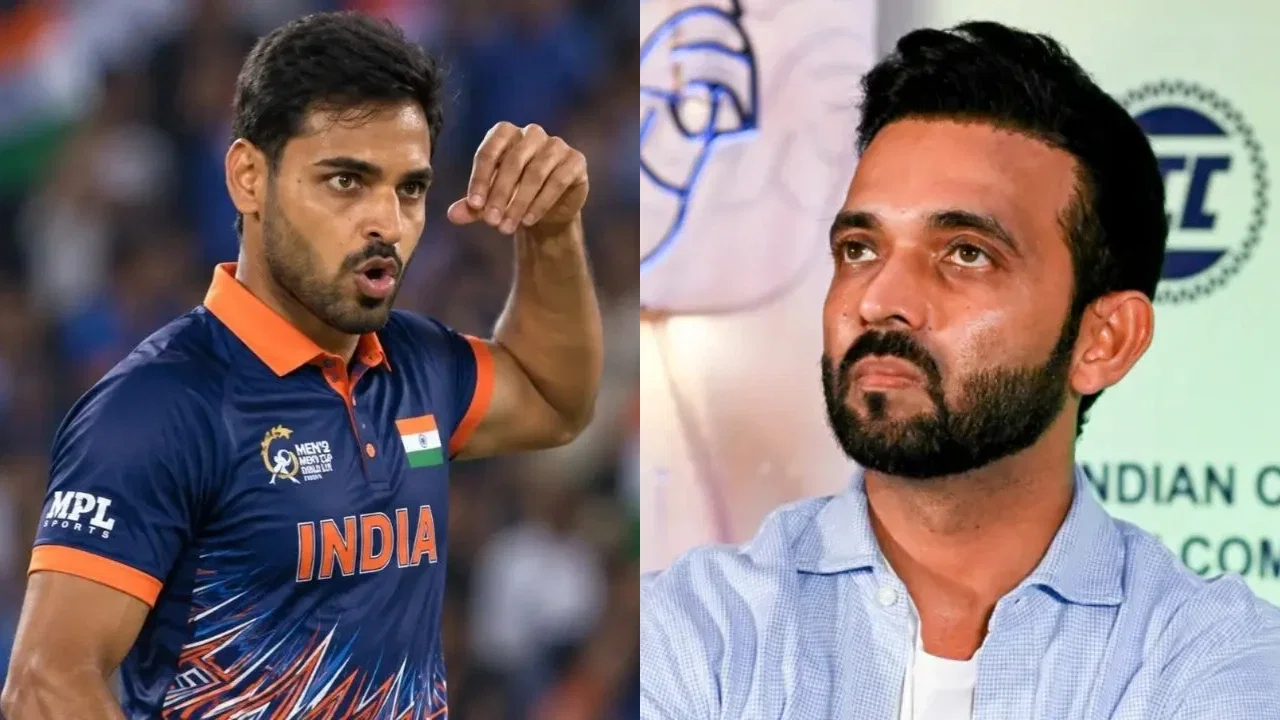
Is Bhuvneshwar Kumar in India’s 2027 World Cup plans? Ajinkya Rahane makes revelation
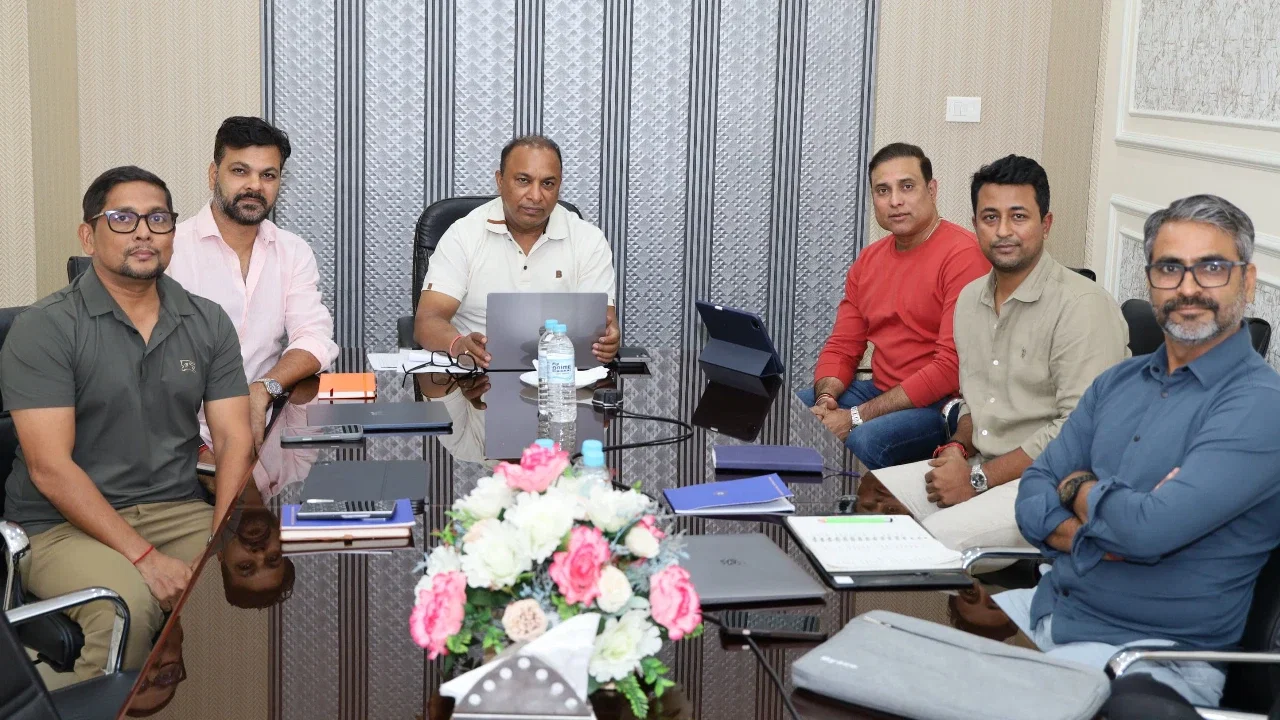
BCCI’s big ₹127 Crore move after injury crisis raises concerns over Team India
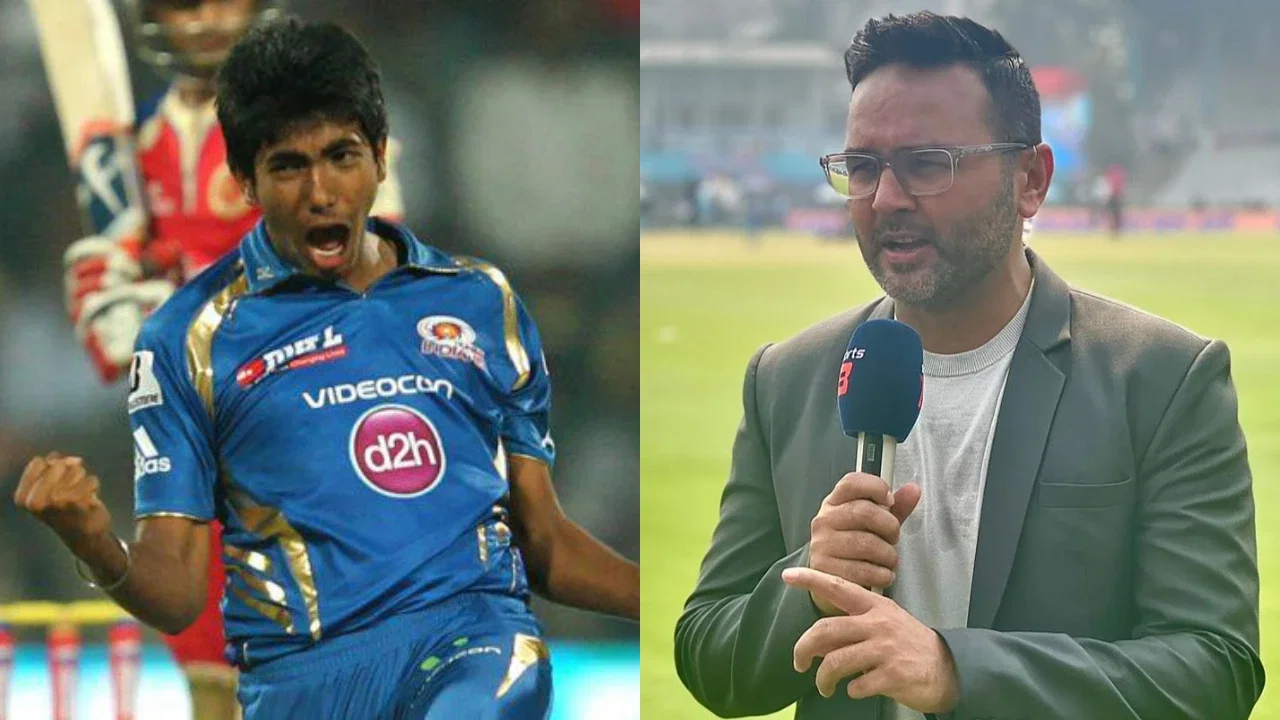
Parthiv Patel reveals RCB ignored his Jasprit Bumrah recommendation in IPL 2014 Auction
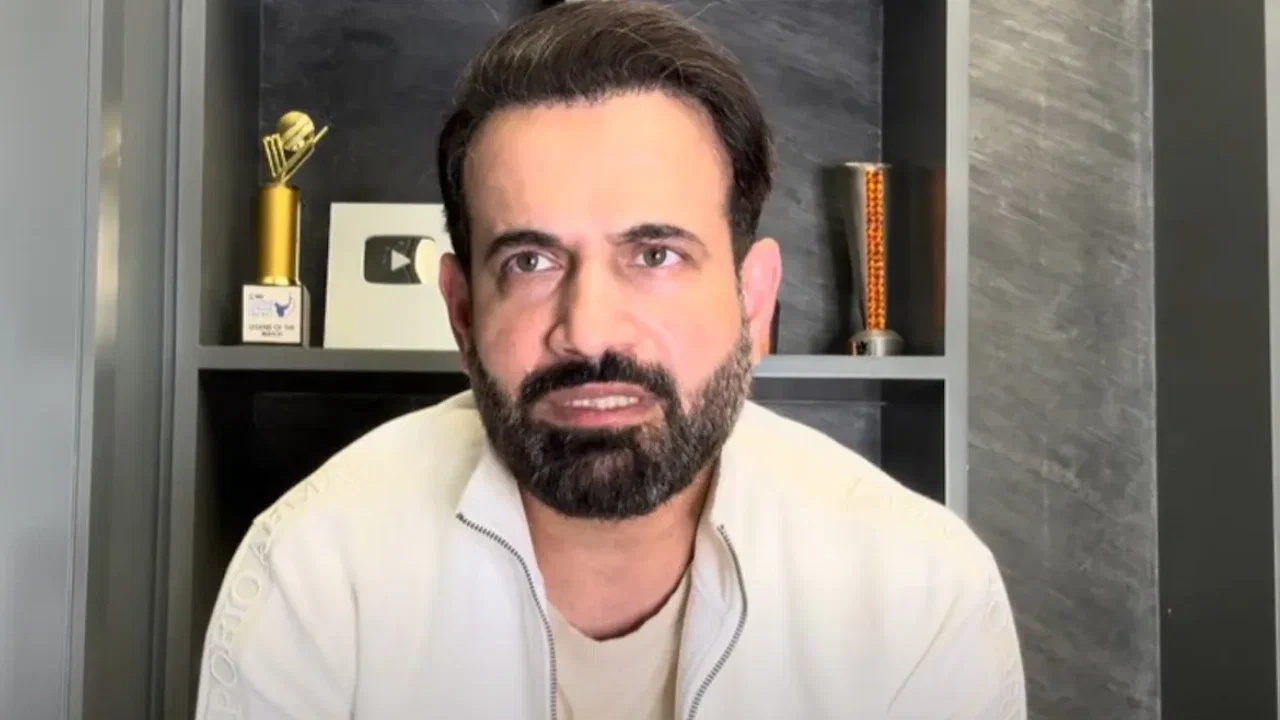
“Never spoke ill of any faith”: Irfan Pathan hits back at fake news using his name
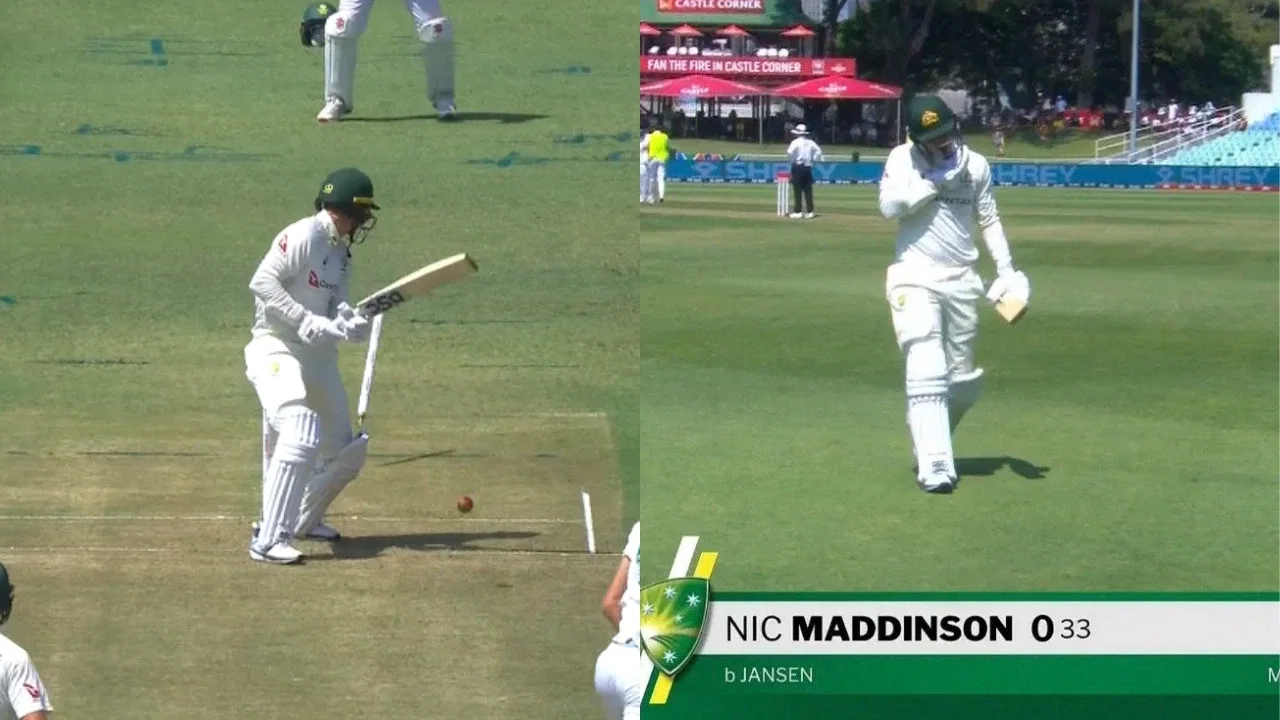
Nic Maddinson bags 33-ball duck on Test comeback, disappoints George Bailey
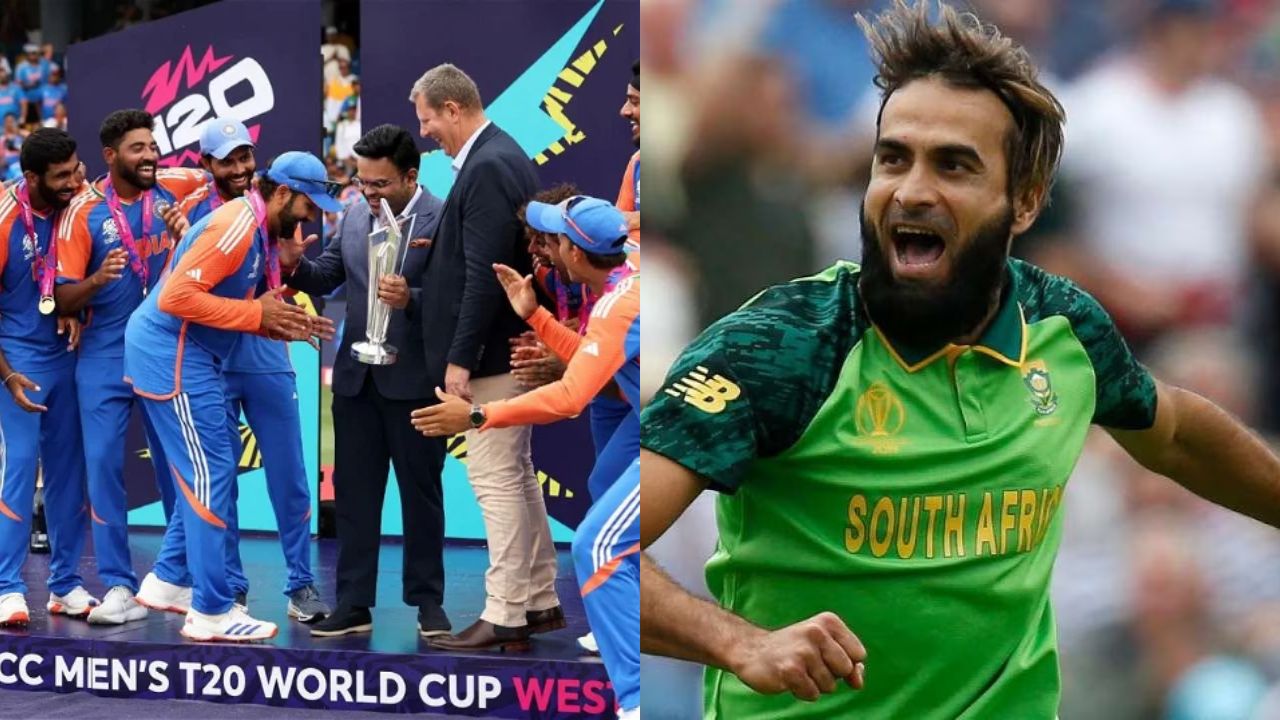
Imran Tahir predicts 2027 ICC ODI World Cup Semi-Finalists, snubs India for title
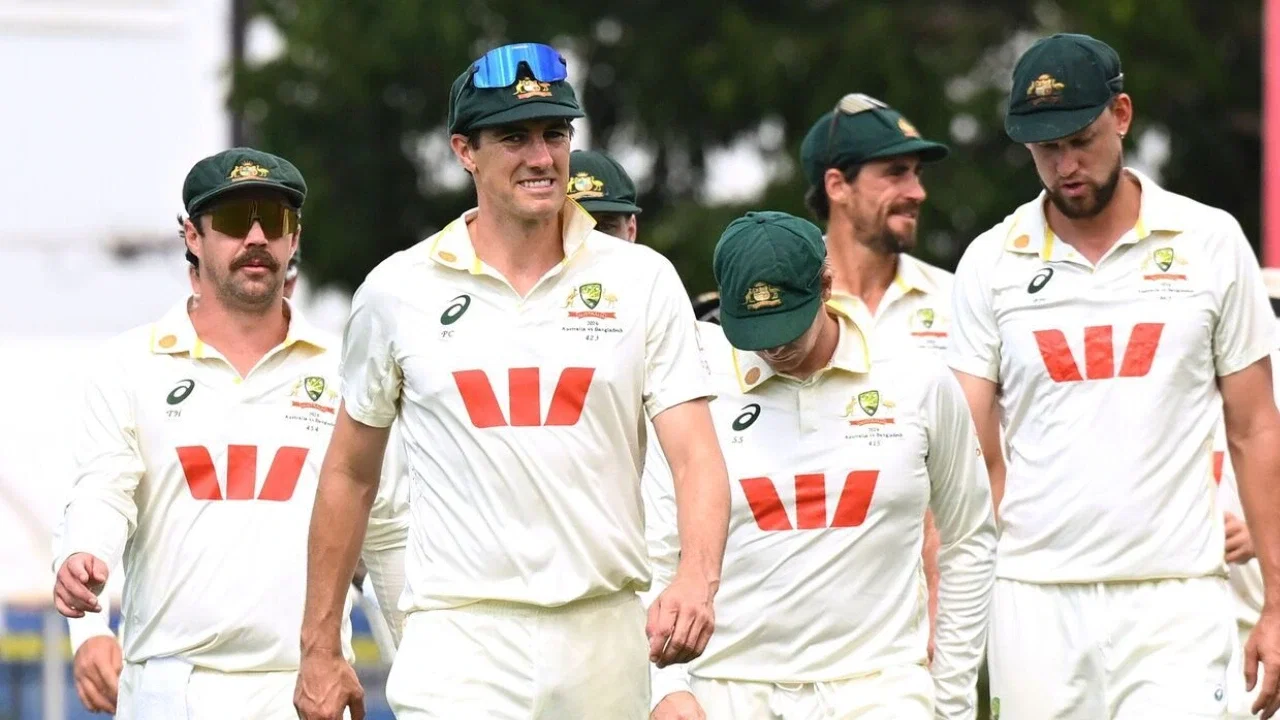
Australia create unwanted history with first all-30-plus Test XI
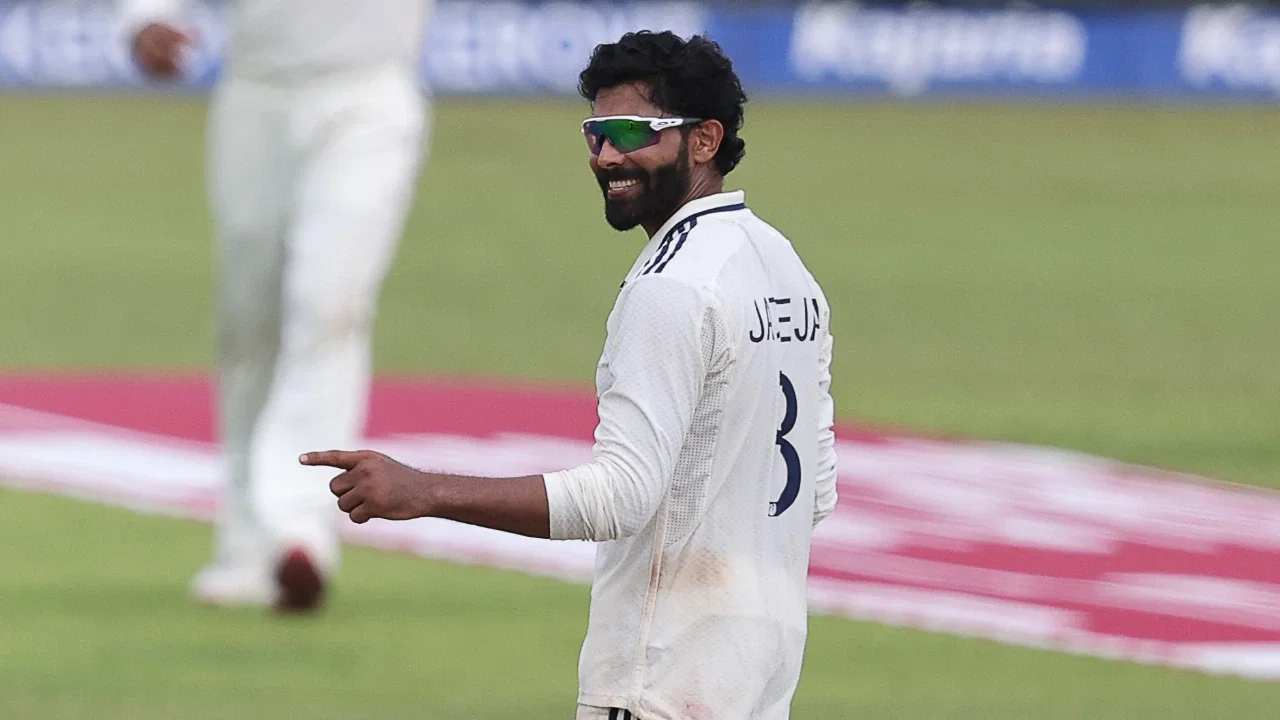
Ravindra Jadeja returns to Ranji Trophy as Saurashtra announce squad