VVS Laxman gets key role as BCCI fixes selection process
India’s Cricket Future: BCCI Implements Strategic Changes to Strengthen Selection and Team Performance
The Board of Control for Cricket in India (BCCI) has announced a significant restructuring aimed at enhancing communication and decision-making processes within Indian cricket. This move comes amidst ongoing discussions about team management, injury updates, and strategic planning for upcoming international series. At the heart of these changes is the expanded role of VVS Laxman, the esteemed former Indian cricketer and current head of the BCCI’s Centre of Excellence (CoE), who will now participate in all senior selection meetings. This decision marks a pivotal step towards fostering transparency, accuracy, and efficiency in team selection, especially in managing injured players and upcoming talent development.
Enhancing Communication: Why the BCCI Brought VVS Laxman into the Selection Room
Addressing Past Communication Gaps
For years, Indian cricket selectors and the BCCI’s Centre of Excellence have operated somewhat independently, often leading to gaps in crucial information regarding player fitness and recovery timelines. The recent organizational overhaul was prompted by concerns raised over these communication lapses, which sometimes hampered timely decision-making. Specifically, there were instances where selectors lacked comprehensive updates on injured players, impacting team composition and strategic planning.
In this context, the BCCI has decided to integrate VVS Laxman directly into the selection process, recognizing his expertise and strategic insight as a former batting maestro. His presence at every senior selection committee meeting will ensure that selectors receive firsthand, up-to-date information on player fitness, injury status, and readiness to return to international cricket. This move aims to streamline the decision-making process, minimize miscommunication, and enable more accurate predictions about player availability, ultimately strengthening India’s team management.
From a Single Meeting to Regular Involvement
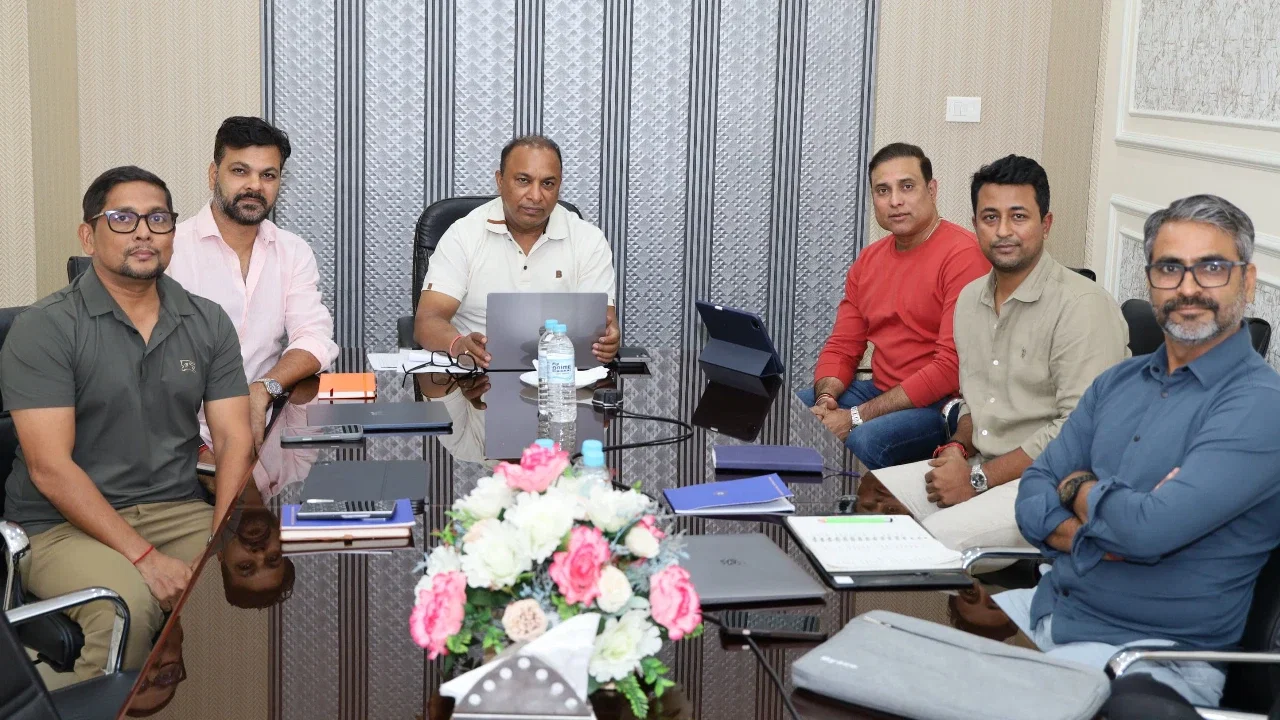
Previously, Laxman’s involvement was limited to specific meetings, such as the recent T20I and India A selection in Guwahati. However, the BCCI now envisions him as a regular participant, attending all key selection sessions. This strategic change was confirmed by BCCI Secretary Devajit Saikia during a high-level review meeting held in Mumbai. Saikia emphasized that the move was designed to improve transparency and ensure selectors have the most accurate information before finalizing team selections.
Leadership Transition and Its Impact on Indian Cricket Selection
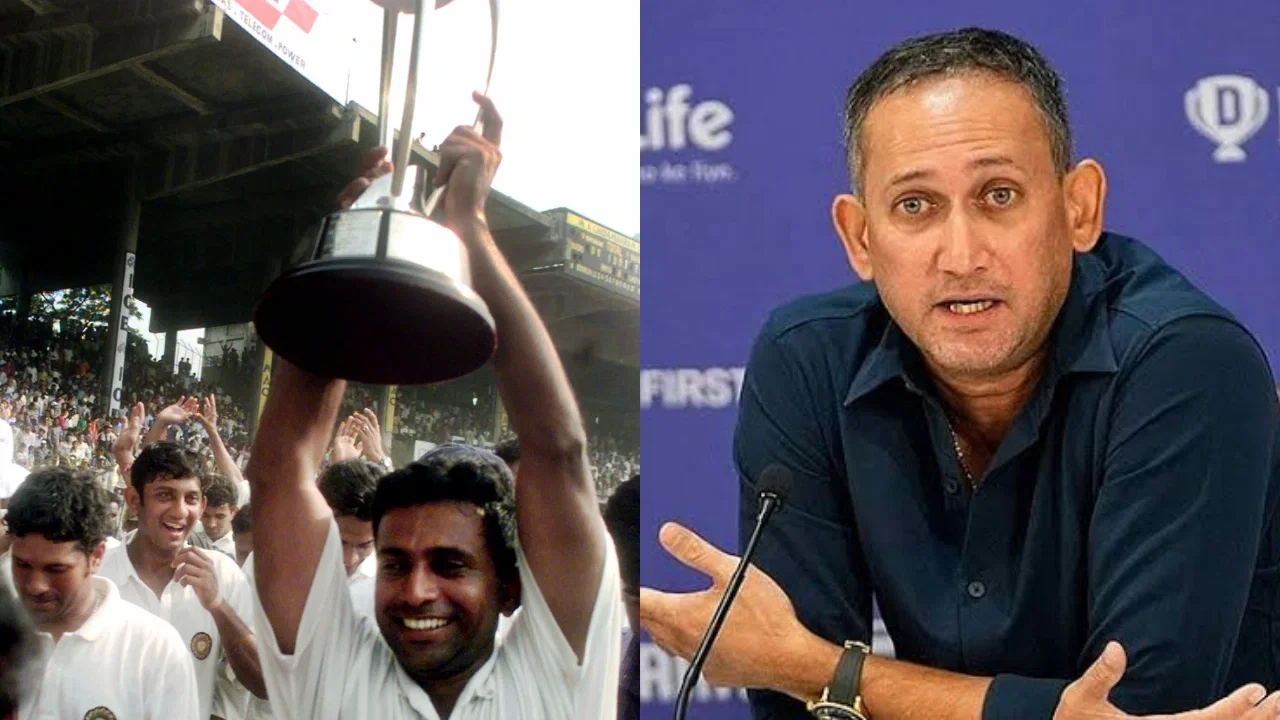
The End of Ajit Agarkar’s Tenure and the Rise of New Leadership
The decision to include Laxman more prominently in selection meetings coincides with the recent departure of Ajit Agarkar as the chairman of the Indian cricket selectors. Agarkar’s tenure was marked by several pivotal decisions, including controversial calls on player comebacks and team composition. His exit has opened the door for a fresh approach, with Pragyan Ojha stepping in as the interim chairman of selectors.
This leadership transition underscores the BCCI’s commitment to refining the selection process, emphasizing data-driven decisions, injury management, and strategic planning. The increased involvement of the CoE head, along with the new interim leadership, is expected to bring more clarity and consistency to team selection, especially in managing injured players and nurturing emerging talent.
The Broader Context: Improving Player Management and Future Predictions
One of the core objectives of these organizational changes is to improve the BCCI’s prediction capabilities regarding player injuries and recoveries. Accurate predictions about player fitness allow for better planning of tours, training camps, and match readiness. It also helps in managing workload and preventing injuries, which is crucial given the physically demanding nature of modern cricket.
By ensuring that selectors receive real-time updates from the CoE, the BCCI aims to make more informed decisions, reducing the risk of selecting players who might not yet be match-ready. This proactive approach is expected to enhance India’s overall team stability and performance, particularly in high-stakes series.
India’s Upcoming Tour of New Zealand: Squad Selections and Strategic Expectations
Return of Bhuvneshwar Kumar: A Surprise Comeback
In a move that delighted fans and cricket analysts alike, the Indian selectors have recalled seasoned fast bowler Bhuvneshwar Kumar for the upcoming T20I series against New Zealand. After nearly four years away from the international scene, Kumar’s return signifies a strategic move to bolster India’s bowling attack with experience and skill. His inclusion in the squad for the five-match T20I series later this month highlights the selectors’ confidence in his ability to contribute to the team’s success.
Varun Chakravarthy’s Reintegration
Alongside Kumar, spinner Varun Chakravarthy has been recalled to the T20I squad after recovering from injury. Chakravarthy’s return adds a much-needed spin option, especially in conditions typical of New Zealand pitches. His ability to generate turn and deceive batsmen with variations could prove crucial in the upcoming matches, providing India with a strategic advantage.
Series Schedule and Key Venues
The tour kicks off in Christchurch on October 22, with the first of the five T20Is. The subsequent matches will also be played in Christchurch, followed by fixtures in Wellington, Auckland, and Hamilton. The series promises to be an exciting contest, with India aiming to assert dominance and test their squad depth against a formidable New Zealand side.
Beyond the T20 Series: Future Challenges and Strategic Planning
After the conclusion of the T20I leg, India will face New Zealand in a three-match Test series, which will serve as a critical platform for assessing the team’s adaptability to different formats. The upcoming series is also viewed as a benchmark for predicting how well India can sustain performance under pressure, especially with key players returning from injuries.
India’s current engagement in a five-match T20I series against the West Indies, which they lead 2-1, has provided valuable insights into team dynamics and player form. The strategic decisions made during these series, coupled with improved communication channels, are expected to influence the team’s future predictions and planning. The BCCI’s emphasis on accurate injury updates and data-driven selections is designed to build a resilient squad capable of competing at the highest levels consistently.
Expert Insights and Future Outlook
Cricket analysts believe that the BCCI’s recent moves are indicative of a broader shift towards modernizing Indian cricket management. By integrating the CoE more closely with the selection process, the board is leveraging data analytics, injury prediction models, and expert insights to forecast player availability and form. This holistic approach is expected to improve India’s prediction accuracy regarding player fitness and performance, ultimately aiming for sustained success in international cricket.
As Indian cricket enters this new phase, the emphasis on strategic communication, leadership restructuring, and talent nurturing will likely pay dividends in upcoming series and tournaments. The improved collaboration between selectors, coaching staff, and the CoE signifies a proactive effort to adapt to the evolving demands of international cricket and secure India’s position as a dominant force on the global stage.
Conclusion: A New Era for Indian Cricket
The BCCI’s decision to involve VVS Laxman in all senior selection meetings marks a significant step forward in the quest for excellence and consistency. Coupled with leadership transitions and strategic squad selections, these changes are designed to predict, manage, and optimize player performance more effectively. As India prepares for an intense schedule of international fixtures, including the upcoming New Zealand tour, these organizational enhancements are poised to shape the future of Indian cricket—making it more agile, informed, and resilient than ever before.
Latest News
Aaryavir Sehwag and Anvay Dravid set to make headlines at U19 Asia Cup 2026
Longest ducks in Test cricket history ft. Nic Maddinson, Shoaib Akhtar
ECB to offer 39 central contracts to England players after Ben Stokes, Mark Wood’s retirement
Steve Smith surpasses Steve Waugh in all-time Test run-scorers’ list
Shane Watson identifies Gautam Gambhir’s biggest problem as India struggle for consistency
Is Bhuvneshwar Kumar in India’s 2027 World Cup plans? Ajinkya Rahane makes revelation
BCCI’s big ₹127 Crore move after injury crisis raises concerns over Team India
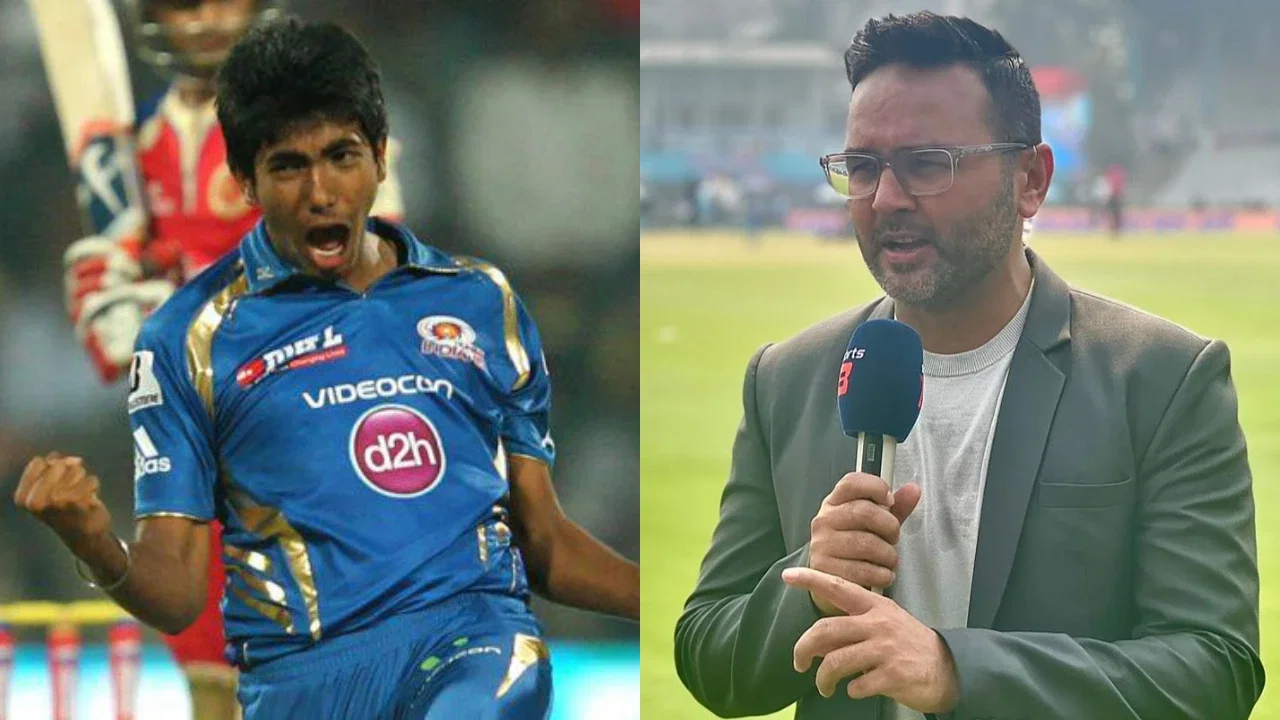
Parthiv Patel reveals RCB ignored his Jasprit Bumrah recommendation in IPL 2014 Auction
“Never spoke ill of any faith”: Irfan Pathan hits back at fake news using his name
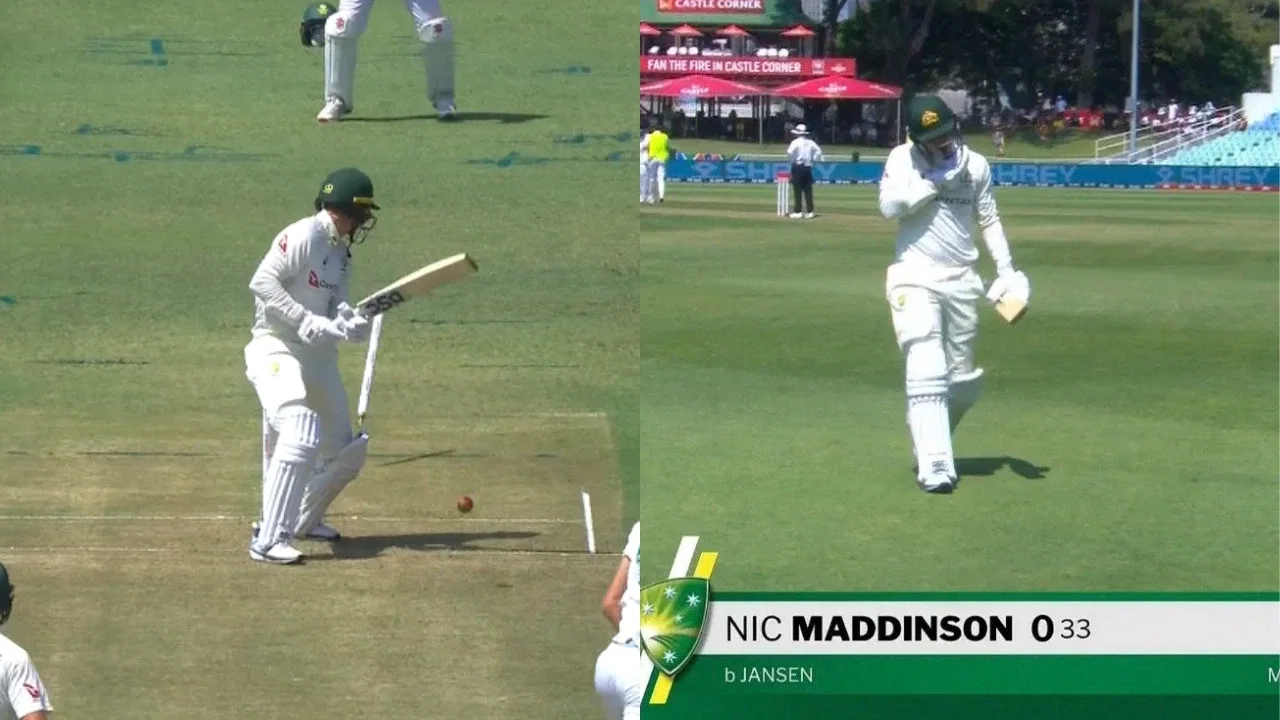
Nic Maddinson bags 33-ball duck on Test comeback, disappoints George Bailey
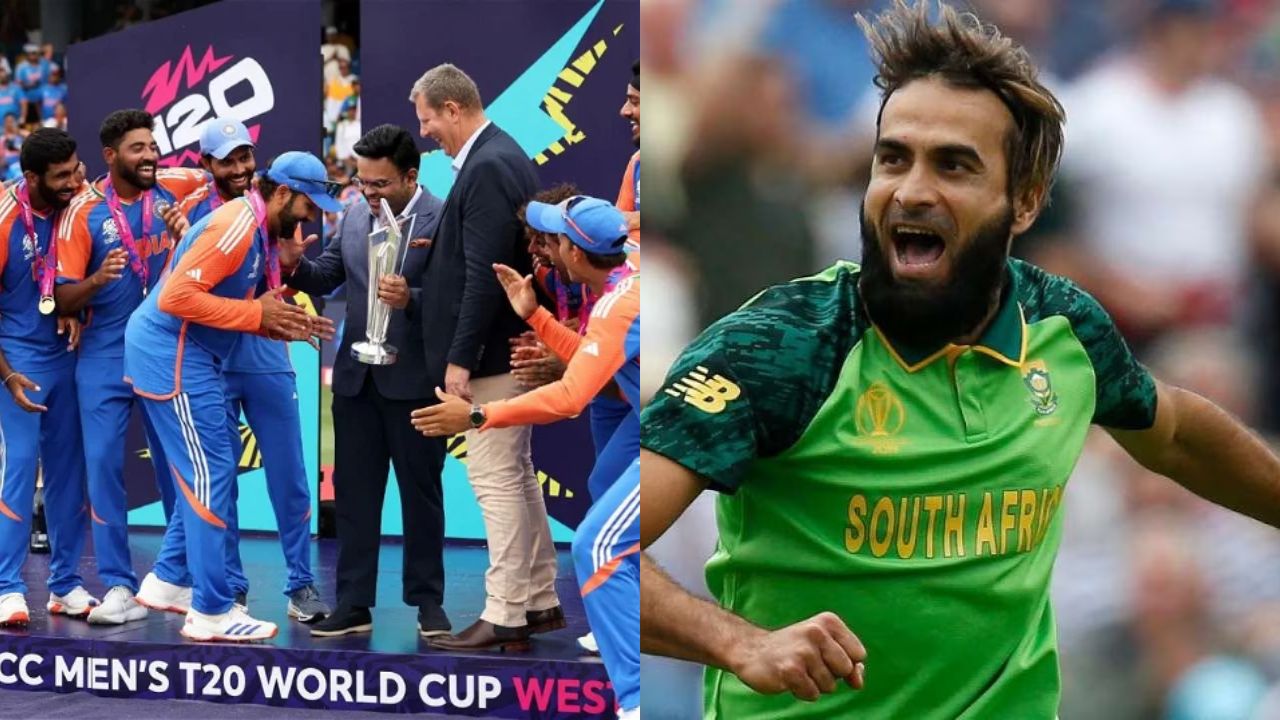
Imran Tahir predicts 2027 ICC ODI World Cup Semi-Finalists, snubs India for title
Australia create unwanted history with first all-30-plus Test XI
Ravindra Jadeja returns to Ranji Trophy as Saurashtra announce squad
Sitanshu Kotak breaks silence on Mohammed Shami’s India comeback