

VVS Laxman’s Director of Cricket role: BCCI gives official update
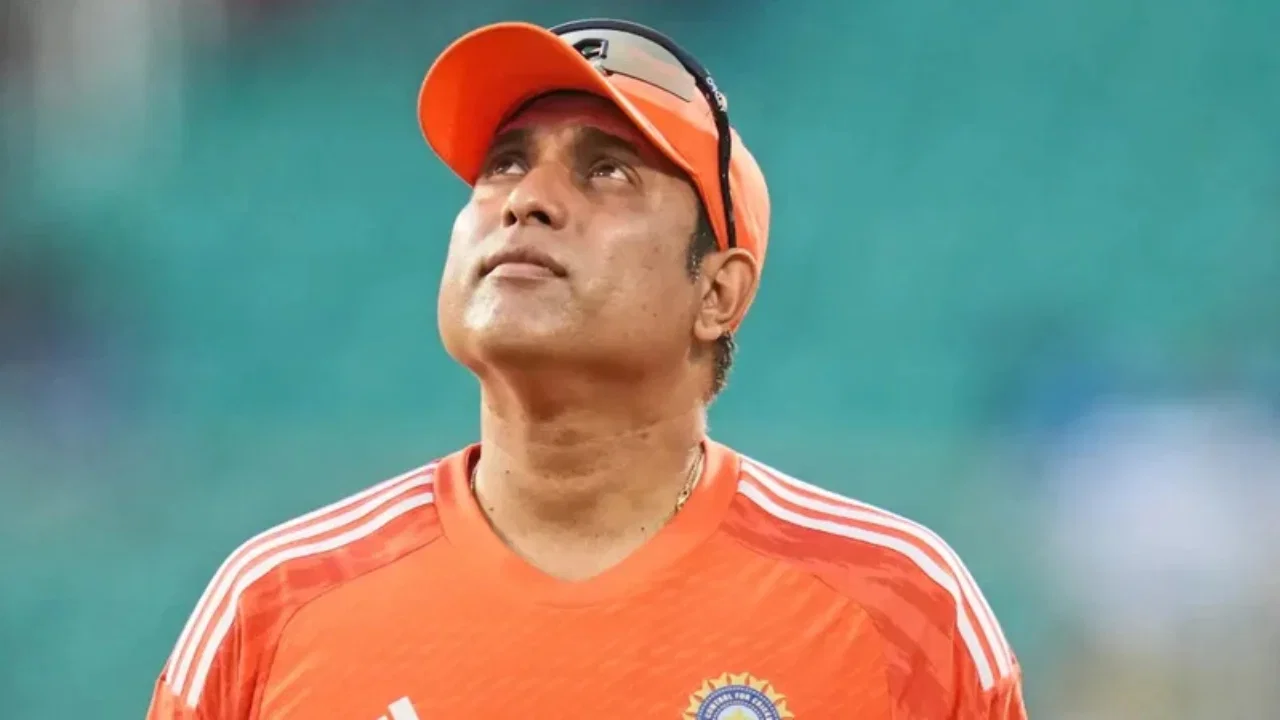
BCCI Clarifies Future Plans Amid Speculation on Director of Cricket Role
The Board of Control for Cricket in India (BCCI) has recently been at the center of intense speculation regarding its leadership structure, particularly surrounding the potential appointment of a new Director of Cricket. As the cricketing world eagerly awaits updates from the upcoming board meeting, BCCI secretary Devajit Saikia has taken a clear stance, dispelling rumors and shedding light on the board’s current priorities. This article offers an in-depth look at the prediction of leadership changes, the role of VVS Laxman within Indian cricket, and the BCCI’s strategic focus on player health and injury management ahead of the upcoming World Cup.
Background: The Speculation Surrounding the Director of Cricket Position
For weeks, cricket enthusiasts and media outlets have speculated about a possible restructure within the BCCI’s administrative hierarchy. The primary focus has been on whether the board intends to establish a dedicated Director of Cricket position — a role that could oversee the national team’s strategy, player development, and selection processes. Such a move might have significant implications for Indian cricket, potentially streamlining decision-making and introducing a more centralized leadership approach.
Amid these rumors, VVS Laxman, a revered former Indian cricketer, has been frequently mentioned as a potential candidate for a larger role within the Indian cricket setup. Currently, Laxman oversees the Center of Excellence (CoE) in Bengaluru, a crucial hub for nurturing young talent and rehabilitating injured players. His leadership at the CoE has garnered praise, with several first-team players visiting the facility due to injuries, seeking top-tier support and training under his guidance.
Official Stance: No Plans to Introduce a Director of Cricket
In a recent statement, BCCI secretary Devajit Saikia addressed the swirling rumors head-on. Speaking after a high-profile board meeting, Saikia explicitly confirmed that the BCCI has no plans to introduce a Director of Cricket role at this time. His comments, shared via social media, aimed to dispel any misconceptions and reassure fans and stakeholders that the current structure remains unchanged.
Saikia’s clarification came in response to claims circulating on social media platforms, suggesting that the board was contemplating a significant leadership overhaul. “No such plans to have a director of cricket,” Saikia stated unequivocally. This transparent communication underscores the BCCI’s focus on stability and continuity as it prepares for a crucial phase in Indian cricket’s journey.
Understanding the Role of VVS Laxman and the Future of Indian Cricket Leadership
While rumors about a leadership change dominate headlines, it’s important to contextualize VVS Laxman’s current role and the board’s strategic vision. Laxman’s position as head of the CoE involves nurturing emerging talent, managing injury rehabilitation, and refining player skills. His contribution has been instrumental, especially in the wake of a series of injuries that have hampered the Indian team’s momentum.
Speculation about Laxman stepping into a broader leadership role has been prevalent, with many predicting that his experience and insight could make him a suitable candidate for a higher administrative position. However, the BCCI’s official stance indicates that, for now, Laxman’s responsibilities will remain focused on his current role, emphasizing player development and injury prevention rather than organizational restructuring.
Addressing Concerns: Is There a Communication Gap?
One of the recurring themes amid the rumors is the perception of a possible communication breakdown between the Centre of Excellence and the Indian cricket team management. Critics have voiced concerns that inefficiencies or lack of coordination might be impacting the team’s performance, especially in managing player injuries.
Responding to these concerns, Saikia emphasized that the BCCI does not see any evidence of such issues. “There are no communication breakdowns or integrity issues between the CoE and the team management,” he affirmed. His remarks aim to reassure fans and stakeholders that the board’s internal processes remain robust and that the organization is committed to maintaining transparency and collaboration.
Strategic Focus: Reducing Player Injuries and Preparing for the World Cup
One of the critical challenges facing Indian cricket currently is the recurring injury crisis among key players. Frequent injuries have disrupted team composition and affected the team’s performance in recent series. Recognizing this, the BCCI has prioritized injury management and prevention strategies as part of its broader prediction for success in upcoming international tournaments, notably the World Cup.
Saikia highlighted that the board is actively working on measures to minimize injury risks, including enhanced physiotherapy, tailored conditioning programs, and more effective rehabilitation protocols. “Our main goal is to pass the upcoming World Cup with a fully fit and competitive squad,” he explained. This strategic focus on injury prevention is seen as a vital component of the BCCI’s prediction for a successful campaign, emphasizing the importance of player health as a cornerstone of team excellence.
Additional Context: The Role of the Centre of Excellence in Indian Cricket
The CoE, under VVS Laxman’s leadership, has become a pivotal institution in Indian cricket. It serves as a training ground for aspiring cricketers, a rehabilitation center for injured players, and a hub for innovative coaching methods. Over the years, the CoE has helped Indian cricket transition from relying solely on experienced players to developing a robust pipeline of young talent ready to step into the international arena.
The facility’s role in injury recovery and skill enhancement aligns with the BCCI’s prediction that a well-maintained pipeline of healthy, skilled players will be crucial for sustained success, especially with the World Cup on the horizon. The emphasis on this aspect demonstrates the board’s strategic foresight and commitment to long-term planning.
Conclusion: Stable Leadership and Strategic Planning as the Path Forward
In summary, the BCCI’s recent clarifications and strategic focus indicate a deliberate move towards stability and meticulous planning. While speculation about leadership roles like the Director of Cricket continues to generate buzz, the board’s official position underscores a commitment to maintaining existing structures and focusing on immediate priorities—chief among them, player health and injury prevention.
The prediction of a successful World Cup campaign hinges on these concerted efforts, with the BCCI emphasizing transparent communication, effective injury management, and nurturing young talent through the Center of Excellence. As Indian cricket prepares for its next major challenge, stakeholders can be assured that the organization is laying a solid foundation for future success, rooted in strategic foresight and unwavering commitment to excellence.
Latest News
GLG vs BWV Dream11 Prediction Today Match, Dream11 Team Today, Fantasy Cricket Tips, Playing XI, Pitch Report, Injury Update- European T20 Cup 2026, Match 13
UAE vs INA Dream11 Prediction Today Match, Dream11 Team Today, Fantasy Cricket Tips, Playing XI, Pitch Report, Injury Update- Women’s Asia Cup T20 2026, Match 8
South Zone earns major boost as three India stars set to feature in Duleep Trophy final
BCCI imposes 2-year ban on U-19 cricketer over age discrepancy
BCB doubles cricketers’ salary amid BPL uncertainty
Vaibhav Sooryavanshi cannot feature in Duleep Trophy final, reason explained
Sanju Samson should be considered as captain: CSK asked to replace Ruturaj Gaikwad
Smriti Mandhana creates history with Asia Cup century, surpasses Mithali Raj
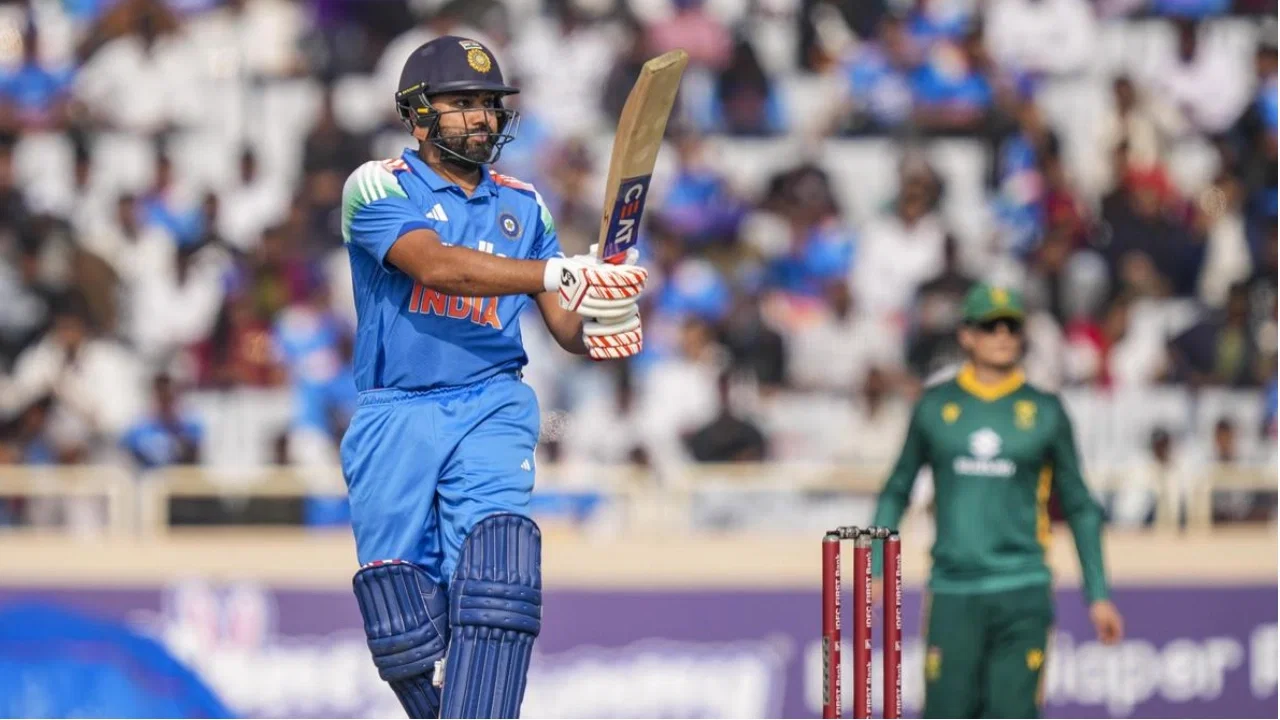
BCCI-CSA in talks to arrange India vs South Africa ODI series ahead of 2027 WC
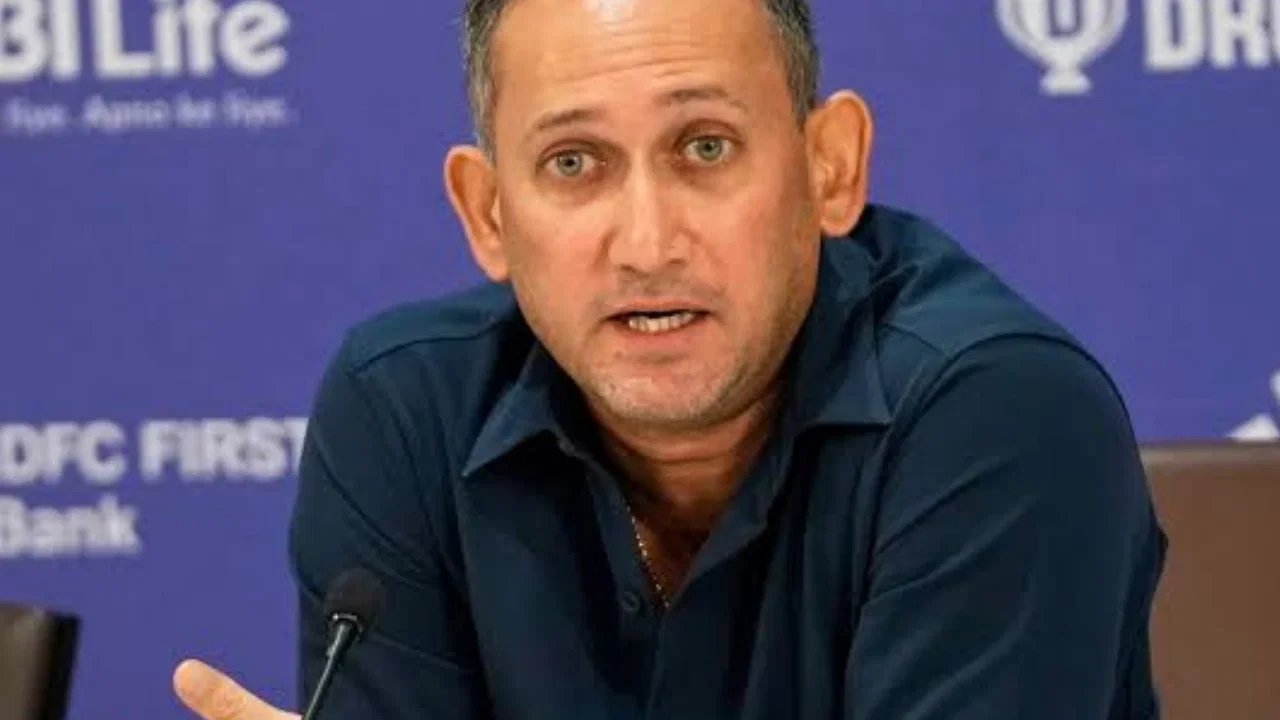
Ajit Agarkar skips BCCI high-profile review meeting, here’s why
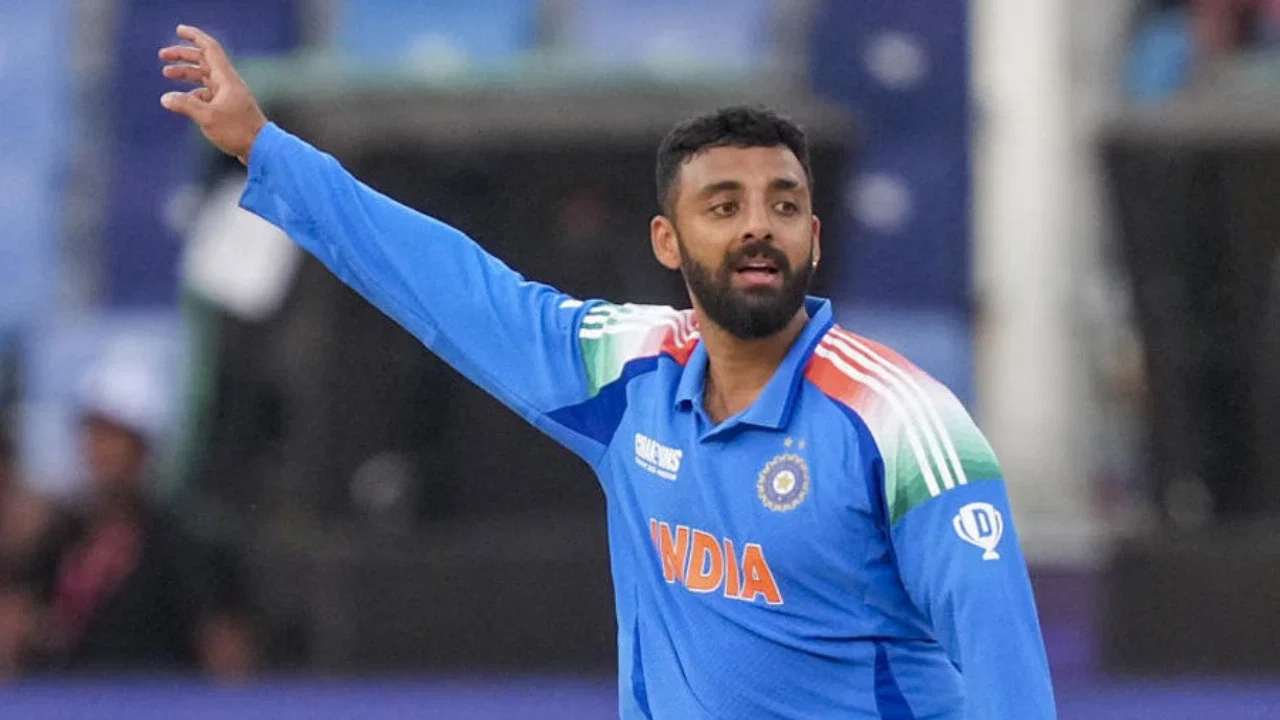
“Batsmen have figured out”: Former RCB opener warns India over Varun Chakravarthy’s form
BAR vs AMS Dream11 Prediction Today Match, My11Circle Prediction, Dream11 Team Today, Fantasy Cricket Tips, Playing XI, Pitch Report, Injury Update- Punjab League T20 2026, Match 10
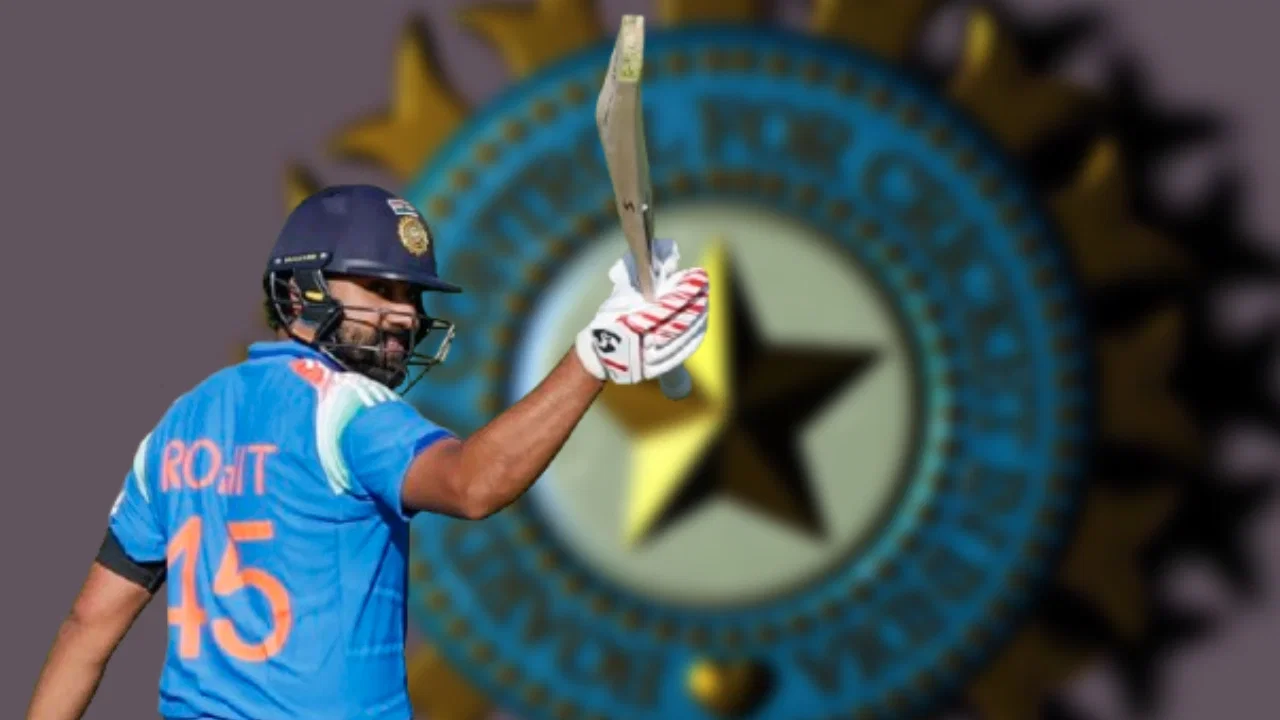
BCCI issues Rohit Sharma future update after review meeting
Stuart Broad blames Mohsin Naqvi’s PCB for Pakistan cricket team’s downfall

