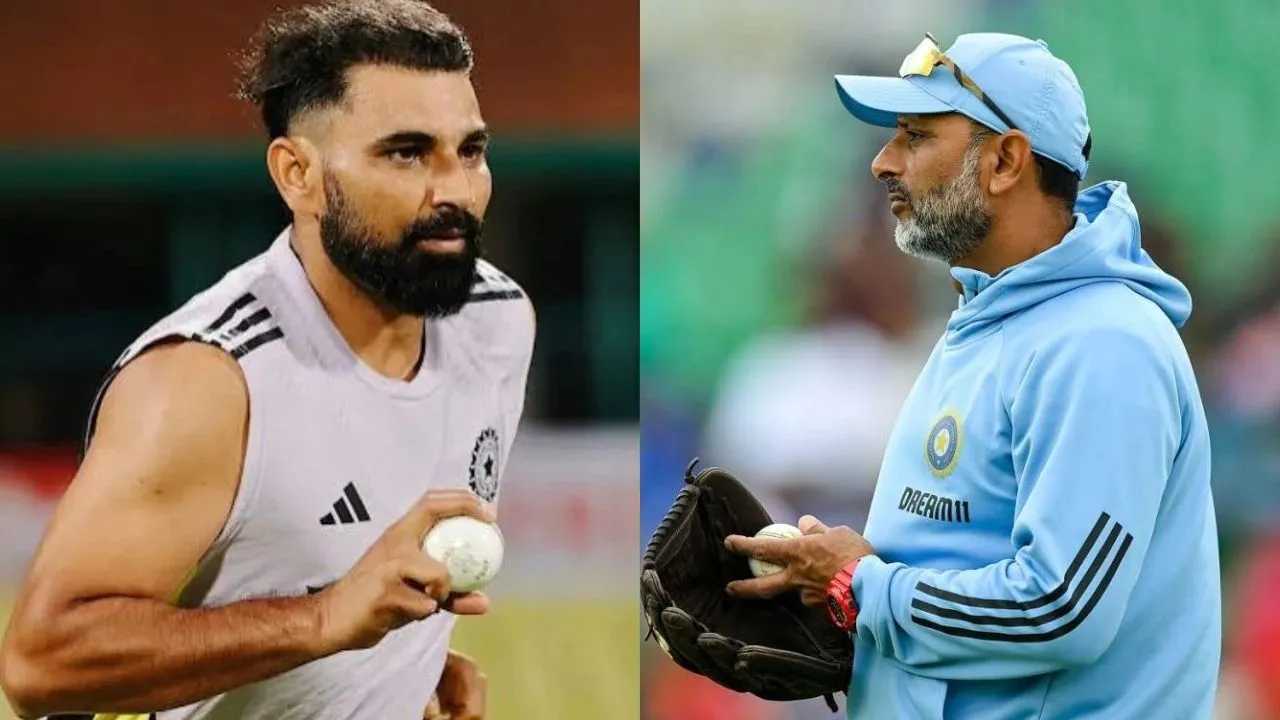
Wasim Akram takes a dig at PSL over batting talent, cites Vaibhav Sooryavanshi as example
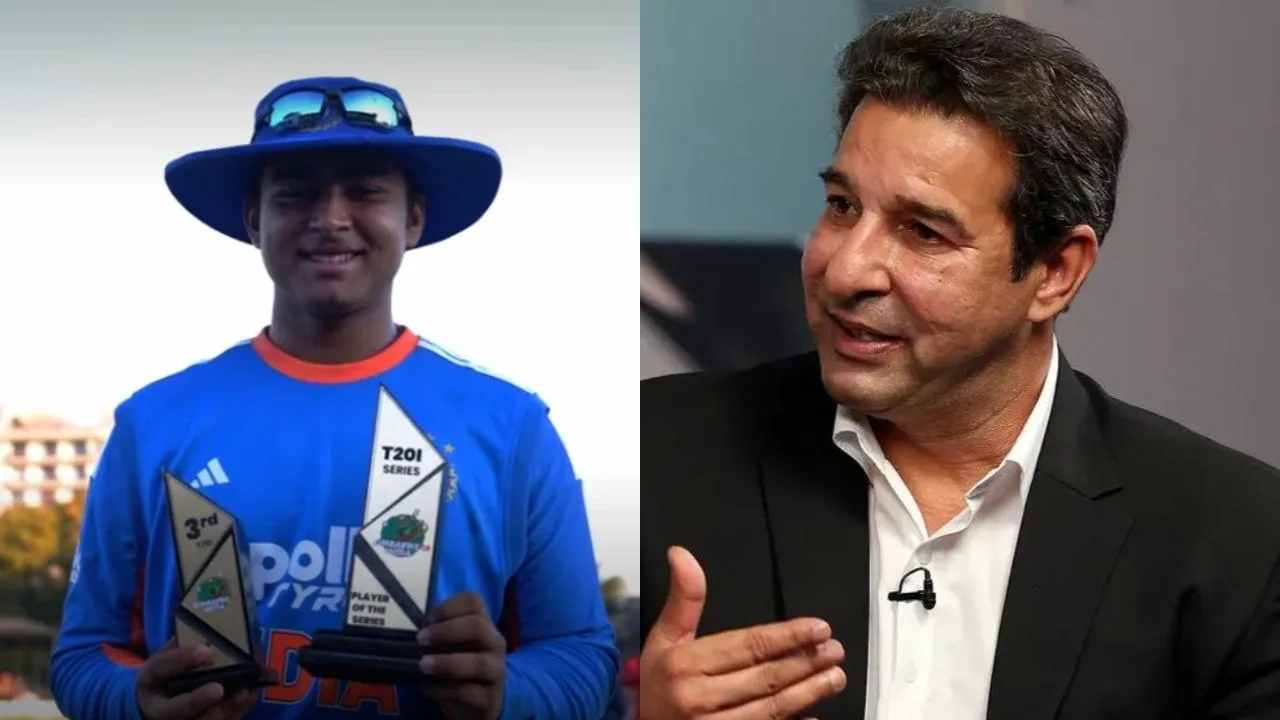
Wasim Akram’s Prediction and Critique: Can Pakistan Develop World-Class Batting Talent?
Pakistan cricket legend and former captain Wasim Akram has recently voiced strong criticism regarding the country’s cricket development system, specifically targeting the Pakistan Super League (PSL). Akram’s insights, rooted in years of experience both on and off the field, highlight a pressing concern: despite the PSL’s global popularity and commercial success, it has yet to produce a consistent pipeline of top-tier batting talent capable of elevating Pakistan’s national team to new heights. This prediction about the future of Pakistan cricket underscores the need for a comprehensive overhaul of talent development strategies, with a particular focus on grassroots investments and nurturing young prospects.
Akram Questions the PSL’s Ability to Nurture Elite Batters
In a candid interview, Wasim Akram pointed out a significant gap in Pakistan’s cricketing ecosystem: the absence of world-class batting prospects emerging from the PSL. Using the recent example of India’s prodigious 15-year-old cricket sensation Vaibhav Sooryavanshi, Akram emphasized the importance of cultivating young batting talent early on. “It has been 10 years since the PSL started, but has a single batter been produced by the league who can be regarded as truly world-class?” Akram asked rhetorically. “Yes, we have seen some bowlers emerge, but when it comes to top-notch batting talent, the pipeline seems to be drying up.”
He continued, “When we see a young player like Sooryavanshi, who is only 15 and already making waves internationally, it makes us wonder whether Pakistan is investing enough in nurturing its own future batting stars. To see consistent improvement, we need more players like him coming through the ranks.”
Akram’s critique is rooted in a broader concern: despite the PSL’s commercial vitality, it has not translated into a sustained development of elite Pakistani batters capable of competing at the highest levels. This prediction highlights a crucial challenge for Pakistan cricket—whether the league’s focus on franchise success is inadvertently overshadowing the long-term goal of developing world-class batting talent.
Experience in the IPL and PSL: A Perspective from the Frontlines
With extensive experience working with franchise teams in both the Indian Premier League (IPL) and Pakistan Super League, Akram offers a nuanced perspective. He served as the bowling coach and mentor for Kolkata Knight Riders from 2010 to 2017, gaining invaluable insights into how elite leagues groom young cricketers. Additionally, he has held leadership roles within several PSL franchises, including Islamabad United, Multan Sultans, and Karachi Kings.
From this vantage point, Akram sees the PSL as a platform that has primarily produced talented bowlers, but not enough top-class batters. “The league is excellent for developing fast bowlers and all-rounders, but the real question is: are we seeing the emergence of high-caliber Pakistani batsmen?” he asked. “This prediction is a wake-up call—unless we prioritize batting development, Pakistan’s chances in international cricket could be compromised.”
India’s Young Prospect Vaibhav Sooryavanshi: An Example of Future Promise
Among the few bright spots cited by Akram is Vaibhav Sooryavanshi, a young Indian batting prodigy who has already made a significant impact both domestically and internationally. Sooryavanshi’s rise has been nothing short of extraordinary. Making his IPL debut at just 14, he quickly gained attention for his maturity and skill with the bat.
His performance at the 2026 Under-19 Men’s Cricket World Cup, where he scored a breathtaking 175 off just 80 balls in the final against England, cemented his reputation as a future superstar. Subsequently, Sooryavanshi made his senior T20 International debut for India on July 4, 2026, surpassing Sachin Tendulkar’s record as the youngest male international debutant for India at merely 15 years and 99 days old.
In his brief international career so far, Sooryavanshi has played six T20Is, amassing 193 runs with an impressive average of 32.17 and a strike rate of 189.22. His two half-centuries demonstrate his potential to be a mainstay in India’s batting lineup for years to come. Akram’s prediction underscores that Pakistan must find ways to develop similar young talents if they are to keep pace with their rivals.
Calls for Investment in Grassroots and Club Cricket
Beyond critiquing the PSL, Akram emphasizes that the real solution lies in strengthening Pakistan’s grassroots cricket infrastructure. He advocates for increased investment in club cricket, which he sees as the foundational layer for nurturing technically sound and confident players, especially in the red-ball format.
“You cannot develop quality batsmen solely through the PSL or even the national team setup,” Akram stressed. “Grassroots cricket, particularly in major cricketing cities like Karachi and Lahore, needs urgent revival. We need to invest at least 100 million rupees in each city’s club cricket system to unearth raw talent and help them develop the skills necessary for international success.”
This call for investment is not merely financial; it involves a strategic overhaul of talent identification, coaching standards, and infrastructure. Akram believes that a robust club cricket system will produce players who are technically sound, courageous, and adaptable—traits essential for success in Test and limited-overs cricket alike.
Technical Challenges and the Need for Courage
Akram also shed light on the technical deficiencies observed in Pakistan’s recent Test series against England. He pointed out that Pakistani batsmen often struggled to adapt to English conditions, exemplified by their reluctance to move their front foot forward against seam and swing bowlers like Ollie Robinson. “Playing with courage and technical competence is vital,” Akram asserted. “Talent alone isn’t enough; players must be willing to take risks and develop the mental toughness to succeed abroad.”
He emphasized that developing such qualities requires a strong foundation, which can only be built through consistent grassroots coaching, exposure to diverse conditions, and a culture that encourages bold, technically sound cricket.
The Road Ahead for Pakistan Cricket
Akram’s prediction about Pakistan’s future in international cricket hinges on a pivotal question: Will Pakistan prioritize nurturing its young batting talent through strategic investments in grassroots cricket and club systems? If the country can channel resources into developing technically proficient and courageous players from an early age, there’s hope that the next generation of Pakistani cricketers will be capable of matching the world’s best.
As Pakistan grapples with recent setbacks in Test cricket, including back-to-back defeats in England, the urgency of this talent development becomes more apparent. The current crisis offers an opportunity for reform—an investment in the future that could produce batting stars and secure Pakistan’s place among cricket’s elite.
Conclusion: Prediction for the Future of Pakistan Cricket
In conclusion, Wasim Akram’s critique and prediction serve as a clarion call to Pakistan’s cricket authorities, coaches, and stakeholders. The league’s success in terms of entertainment and franchise revenue must be complemented by a focused effort to develop world-class batting talent. Without such strategic planning, Pakistan risks falling behind in the fiercely competitive landscape of international cricket.
Prediction: With concerted investment in grassroots programs and a renewed emphasis on technical training, Pakistan can nurture a new generation of talented batters. These efforts could lead to a resurgence in Pakistan’s batting prowess, ultimately transforming the national team into a more formidable force on the world stage.
As the cricketing world watches closely, the question remains: will Pakistan heed the warning and act decisively? The future of Pakistani cricket may very well depend on this crucial prediction.
Latest News
Top 10 highest run-chases in T20 cricket history, ft. West Indies’ Ranchi win vs India
Aaryavir Sehwag and Anvay Dravid set to make headlines at U19 Asia Cup 2026
Longest ducks in Test cricket history ft. Nic Maddinson, Shoaib Akhtar
ECB to offer 39 central contracts to England players after Ben Stokes, Mark Wood’s retirement

Steve Smith surpasses Steve Waugh in all-time Test run-scorers’ list

Shane Watson identifies Gautam Gambhir’s biggest problem as India struggle for consistency

Is Bhuvneshwar Kumar in India’s 2027 World Cup plans? Ajinkya Rahane makes revelation
BCCI’s big ₹127 Crore move after injury crisis raises concerns over Team India

Parthiv Patel reveals RCB ignored his Jasprit Bumrah recommendation in IPL 2014 Auction
“Never spoke ill of any faith”: Irfan Pathan hits back at fake news using his name
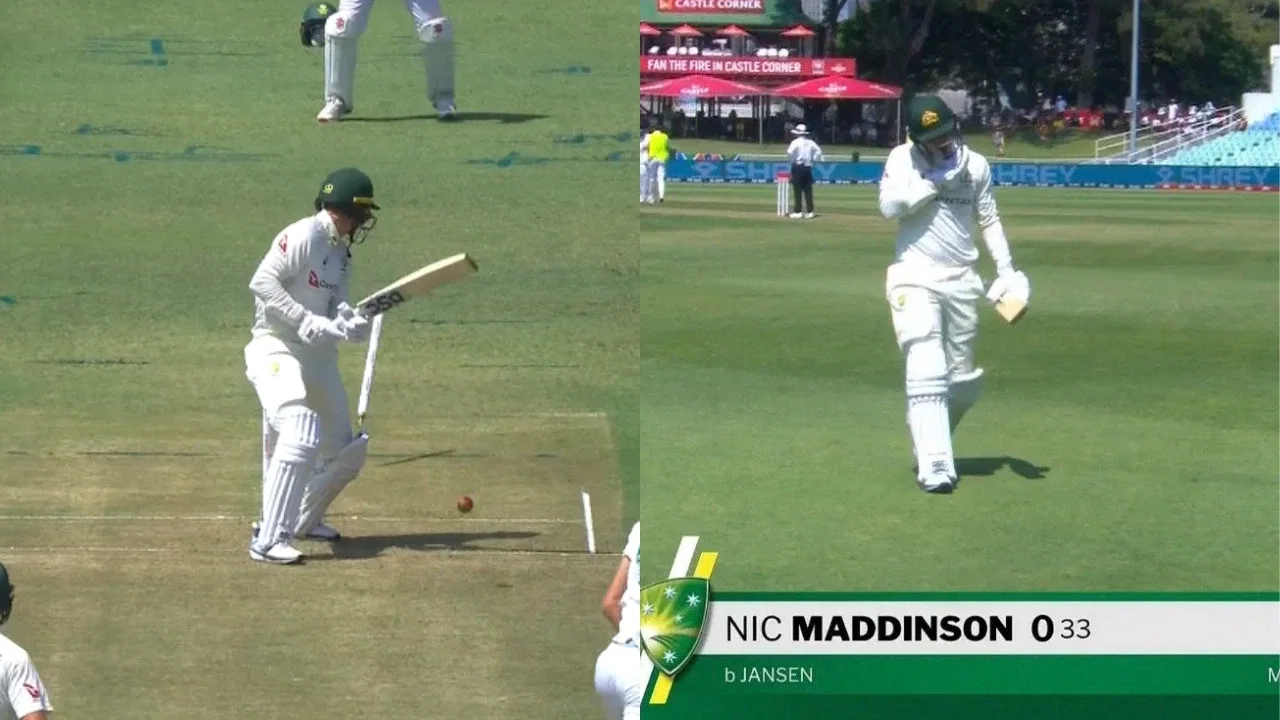
Nic Maddinson bags 33-ball duck on Test comeback, disappoints George Bailey

Imran Tahir predicts 2027 ICC ODI World Cup Semi-Finalists, snubs India for title
Australia create unwanted history with first all-30-plus Test XI
Ravindra Jadeja returns to Ranji Trophy as Saurashtra announce squad