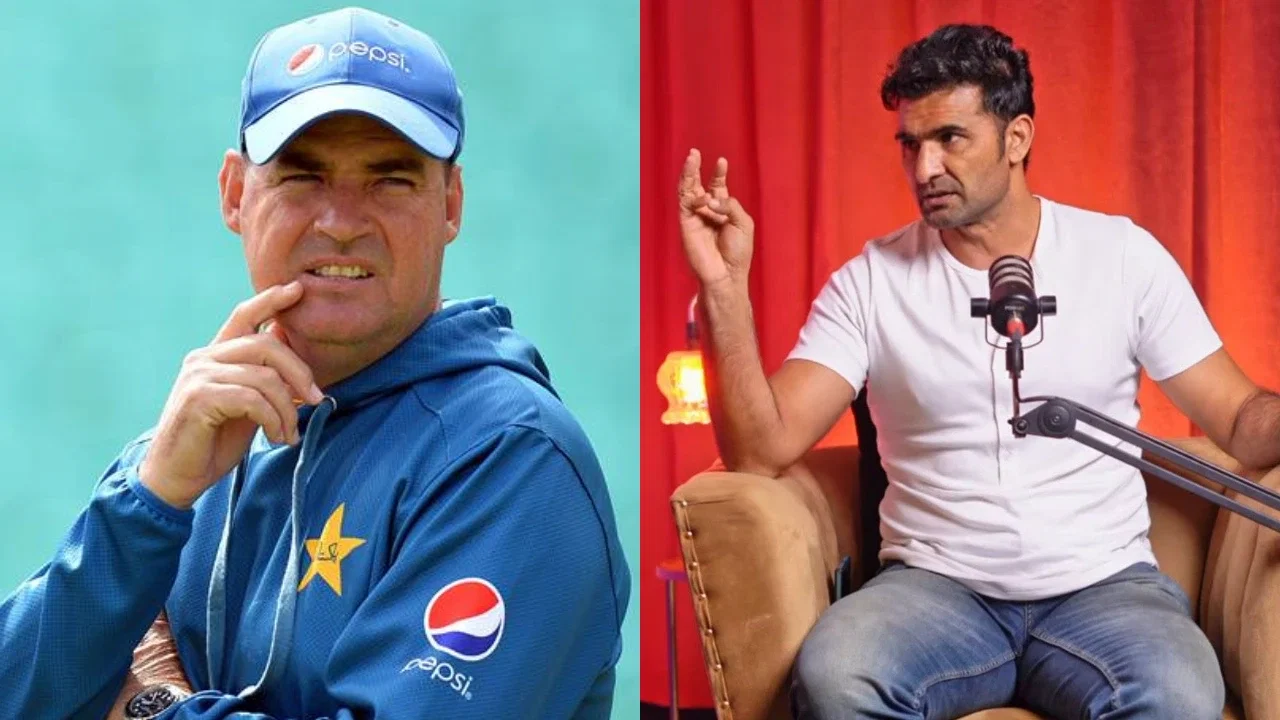
Wasim Akram takes dig at PSL over its length and quality
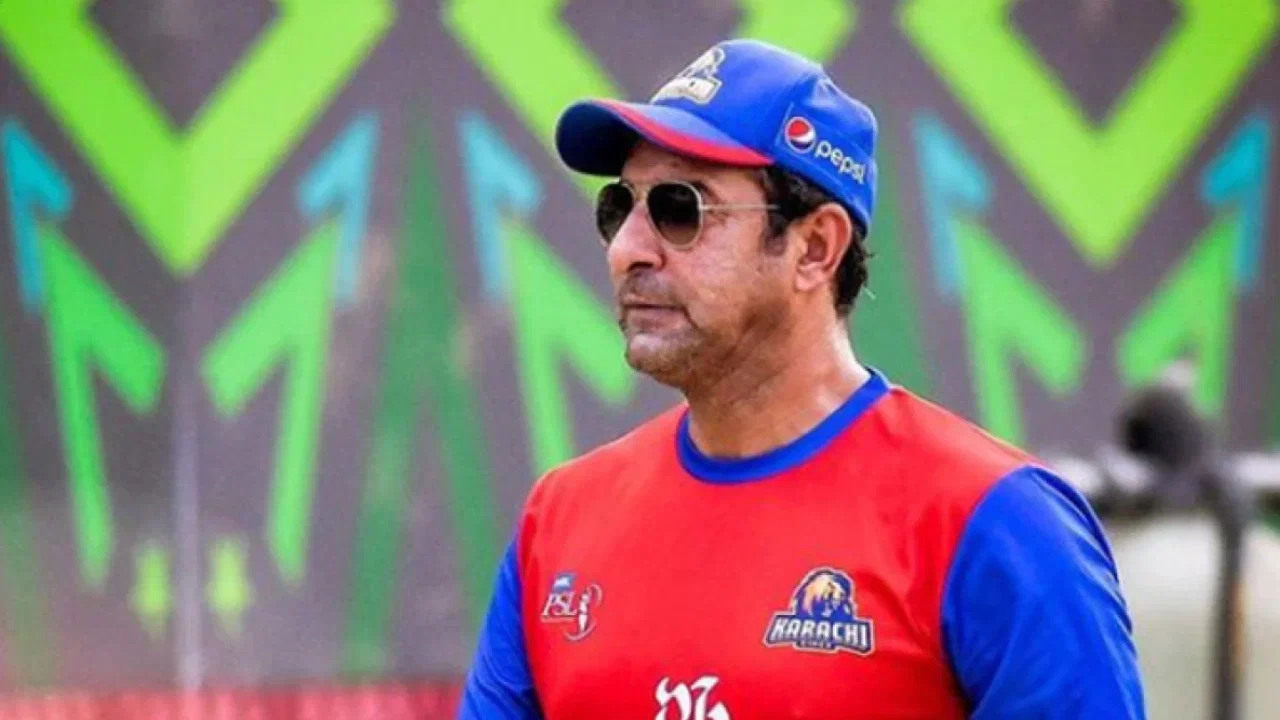
Understanding the Role of T20 Franchise Leagues in Global Cricket Development
Over the past decade, T20 franchise leagues have revolutionized the landscape of international cricket, transforming it into a dynamic and commercially vibrant sport. These leagues serve as vital platforms for nurturing local talent, showcasing emerging cricketers, and expanding the global reach of cricket. While the Indian Premier League (IPL) remains the dominant force in this arena, other nations have developed their own marquee tournaments, such as the Pakistan Super League (PSL), Big Bash League (BBL), and Caribbean Premier League (CPL). Each league operates within its unique framework, but their shared objective is to elevate cricket’s profile and provide a springboard for young players to make their mark.
The Pakistan Super League: A Growing Force in T20 Cricket
The Pakistan Super League, launched in 2016, quickly gained recognition as a competitive and entertaining cricket league that unites Pakistan’s cricketing talent with international stars. Inspired by the success of the IPL, PSL aimed to promote cricket within Pakistan and showcase the country’s raw talent on a global stage. Despite its relatively short existence, the league has become an integral part of Pakistan’s cricketing ecosystem, providing opportunities for young players to develop and gain exposure.
Comparing PSL with Global T20 Franchises
While the PSL has garnered attention, recent discussions among cricketing legends and analysts have raised questions about its structure, particularly concerning its duration and talent development potential. Notably, former Pakistani fast bowler and cricket legend Wasim Akram has expressed candid opinions about the league’s limitations, especially in comparison to more established franchises like the IPL and BBL.
Analysis of PSL 2026: A Short 39-Day Tournament
The 2026 edition of PSL was notable for its condensed schedule. Spanning only 39 days—from March 26 to May 3, 2026—the league was among the shortest in the tournament’s history. Despite the Pakistan Cricket Board (PCB) introducing two new franchises to enhance the league’s appeal, the duration remained limited, leading to questions about whether such a timeframe is sufficient for talent scouting and development.
Why Duration Matters in Franchise Cricket
According to Wasim Akram, the brief window of approximately 39 days significantly constrains the league’s ability to serve as a reliable pipeline for grassroots talent. In his view, a short tournament doesn’t provide emerging players enough time to adapt, learn, and showcase their skills under pressure. This limited exposure hampers the development of raw talent, which is crucial for sustaining Pakistan’s competitiveness in international cricket.
Global Benchmarks: IPL and BBL’s Extended Seasons
To understand the importance of league duration, it is instructive to compare PSL’s schedule with other top-tier T20 leagues. The Indian Premier League (IPL), for instance, spans between 60 to 66 days, offering a comprehensive window for players to develop consistency, build team chemistry, and attract international attention. Similarly, Australia’s Big Bash League (BBL) operates over a period of approximately 43 to 46 days, providing ample time for both established stars and emerging talents to shine.
For example, the 2025-26 BBL season ran from December 14, 2025, to January 25, 2026, covering 43 days. The upcoming season is expected to extend to 46 days, running from December 12, 2026, to January 26, 2027. This extended timeframe allows young cricketers to gain vital experience, learn from seasoned professionals, and transition smoothly into international cricket.
Insights from Wasim Akram: The Need for Longer Leagues
During a recent discussion panel, Wasim Akram shared his candid perspective on the current state of PSL and its implications for Pakistan cricket’s future. Akram highlighted an anecdote: he once took a break after the start of a league, only to return after a month and find that the tournament was still ongoing. This story underscored his point about the compressed schedule of PSL and how it may hinder the league’s ability to serve as a breeding ground for young talent.
Impact of Short Leagues on Player Development
Akram emphasized that longer tournament windows are essential not just for entertainment but for nurturing talent. He argued that extended leagues allow emerging players to stay within a structured system, interact with international cricketers, and receive coaching and mentorship that are critical for their growth. Without sufficient time, young players risk stagnation or missing out on crucial developmental opportunities that could prepare them for international challenges.
Prediction: The Future of Pakistan Super League in Global Cricket
Based on current trends and expert insights, the prediction for the PSL’s evolution hinges heavily on its ability to adapt and expand its framework. The league’s current short duration, while logistically easier for organizers, limits its potential as a global talent incubator. If the PSL can increase its window to align more closely with leagues like the IPL and BBL—ideally spanning 50 to 60 days—it would significantly enhance its capacity to develop emerging talent and attract top international players.
Moreover, a longer league would provide more opportunities for young cricketers to gain exposure, refine their skills, and catch the eye of national selectors. Such a development could transform PSL from a primarily entertainment-driven tournament into a critical pipeline for Pakistan’s international cricket resurgence. This, in turn, would have a positive ripple effect on Pakistan’s performance in ICC rankings and global cricket diplomacy.
Additional Factors Influencing the League’s Growth
While duration is a key factor, other aspects such as franchise stability, investment in youth development programs, and infrastructure improvements are equally vital. Increased financial incentives, scouting initiatives at grassroots levels, and partnerships with international cricket academies could amplify PSL’s role as a talent factory.
Furthermore, embracing innovations like bio-secure bubbles, regional hubs, and digital engagement will expand the league’s reach and influence. These strategies could attract a broader audience, generate more revenue, and elevate Pakistan’s standing in the global cricket community.
Conclusion: Prediction and the Path Forward
In summary, the prediction for the Pakistan Super League’s future hinges on its ability to extend its duration, invest in grassroots development, and create a conducive environment for young cricketers to flourish. As Wasim Akram and other cricket experts suggest, longer leagues foster better talent nurturing, which is vital for Pakistan’s aspirations on the international stage.
While the current PSL is short and intense, the potential for growth remains substantial. By adopting a strategic approach that aligns with international standards, PSL can solidify its reputation as a premier T20 league that not only entertains but also produces world-class cricketers ready to compete at the highest levels.
Final Thoughts
As cricket enthusiasts and stakeholders await the next seasons, the prediction is clear: expanding the PSL’s window and investing in player development will be pivotal. This evolution will ensure Pakistan remains a formidable cricketing nation, capable of competing with the best and nurturing future stars who will carry the nation’s cricketing legacy forward.
Stay tuned for more updates on PSL, global cricket trends, and expert predictions shaping the future of cricket worldwide.
Latest News
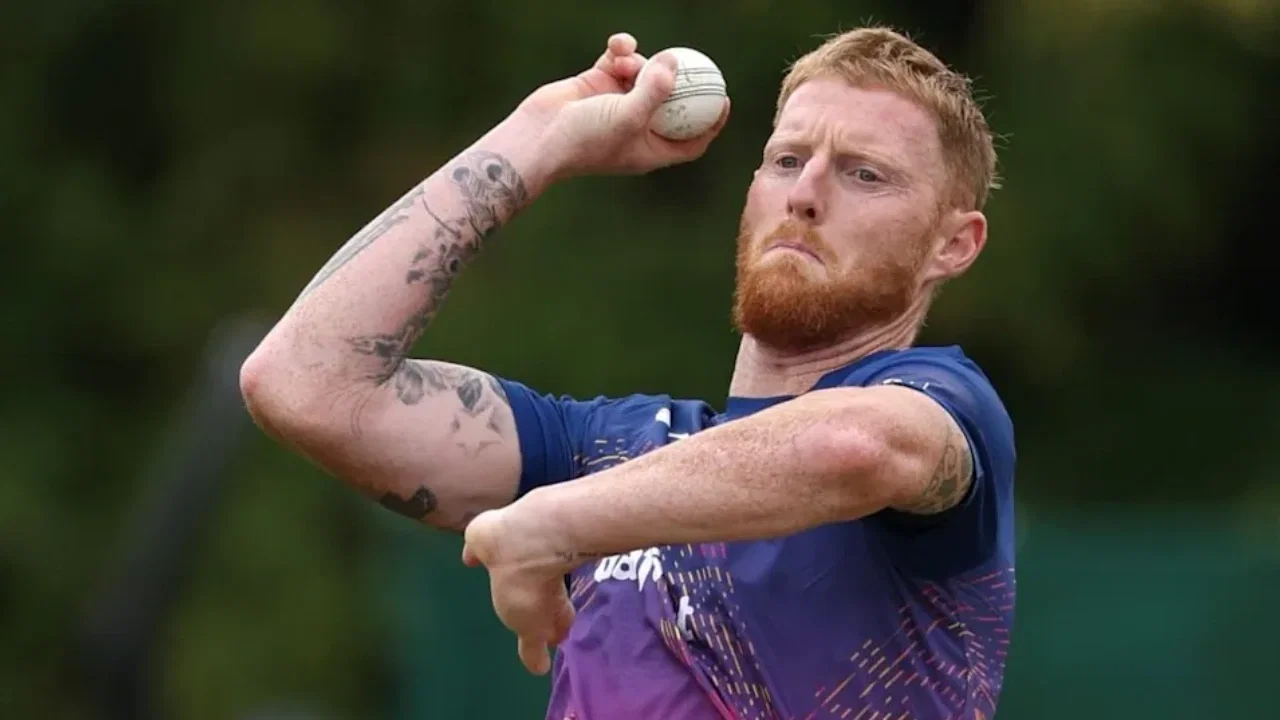
ECB NOC rules could complicate Ben Stokes’ PSL And MLC plans
Wasim Akram takes dig at PSL over its length and quality
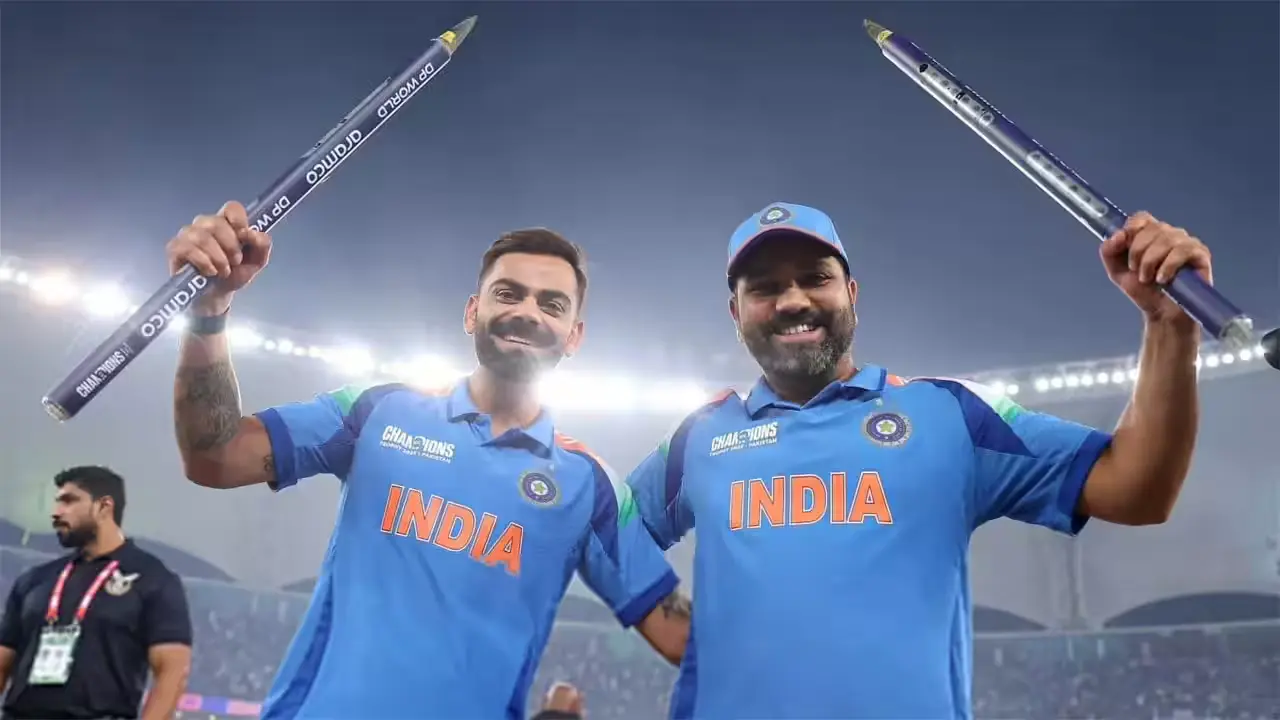
Virat Kohli and Rohit Sharma get big dressing-room praise from India stars
Dhruv Jurel names Virat Kohli best sledger but denies most stylish player tag
Sohail Khan recalls fiery Virat Kohli clash from 2015 ODI World Cup
Shai Hope confident West Indies can challenge India in ODI series
“Couldn’t process it”: Naman Dhir reveals first reaction after receiving Team India call-up
Mohammad Kaif reveals Ajit Agarkar’s toughest decision as chief selector
Mohammad Kaif makes massive claim on Rohit Sharma and Virat Kohli’s World Cup future
“Will have to wait”: Sitanshu Kotak gives update on Yashasvi Jaiswal’s India future
Mohammad Kaif picks India XI for 1st ODI vs WI; Yashasvi Jaiswal gets surprise role
Ajinkya Rahane backs Rohit Sharma amid retirement speculation
Dhruv Jurel breaks silence on emotional IPL auction moment with Rajasthan Royals
Dhruv Jurel opens up on his ‘rivalry’ with Rishabh Pant