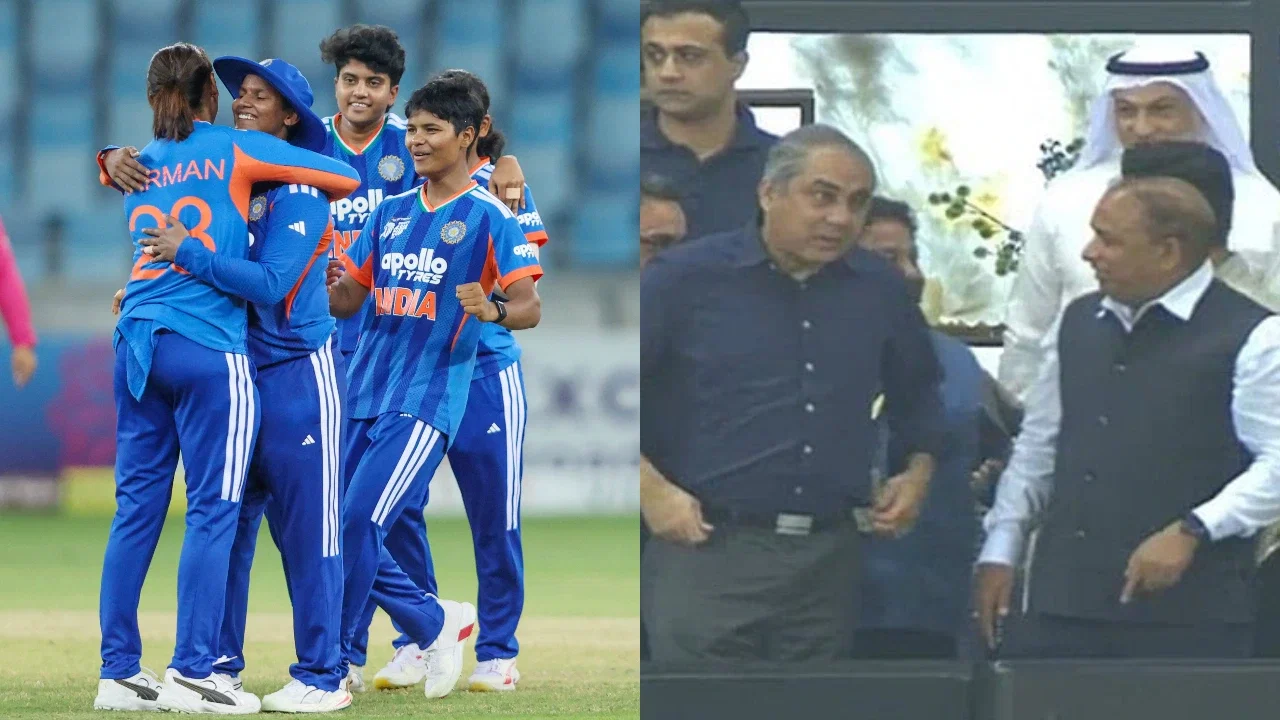
“We don’t have any regrets”: Devajit Saikia breaks silence on Mohsin Naqvi meeting
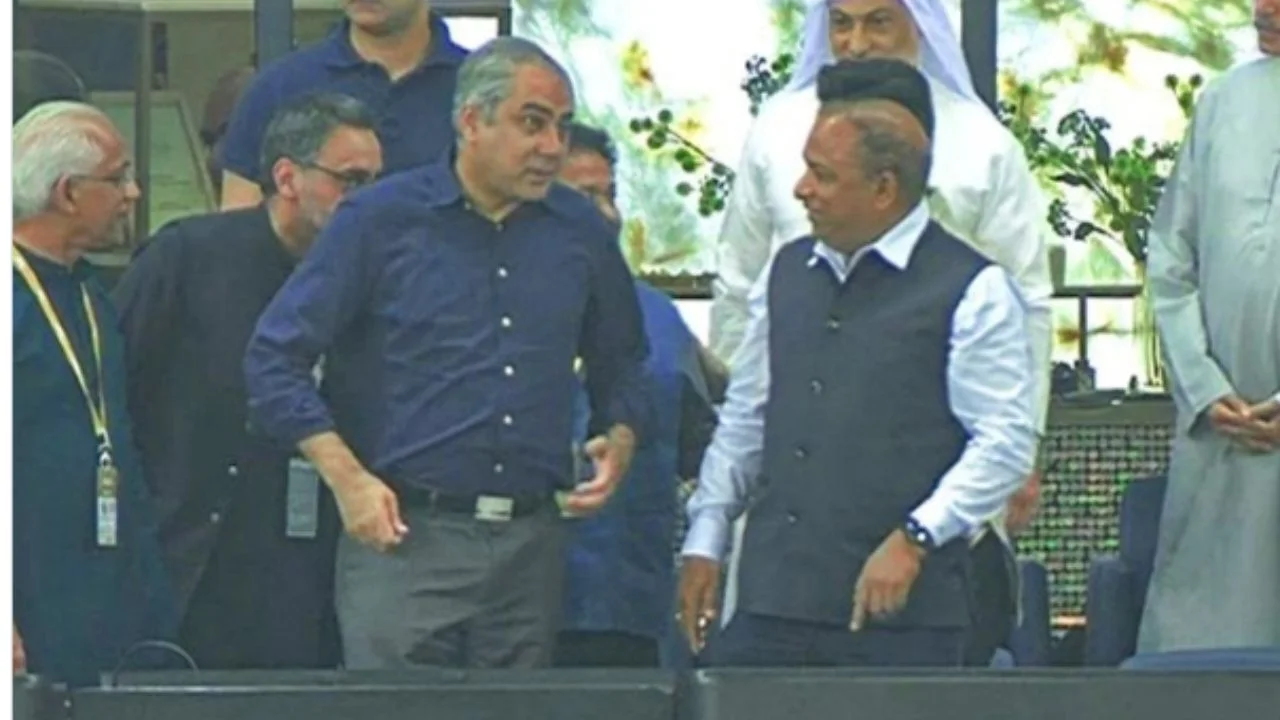
Women’s Asia Cup 2026 Concludes with Controversy Over Trophy Presentation: A Closer Look at the Incident and Its Implications
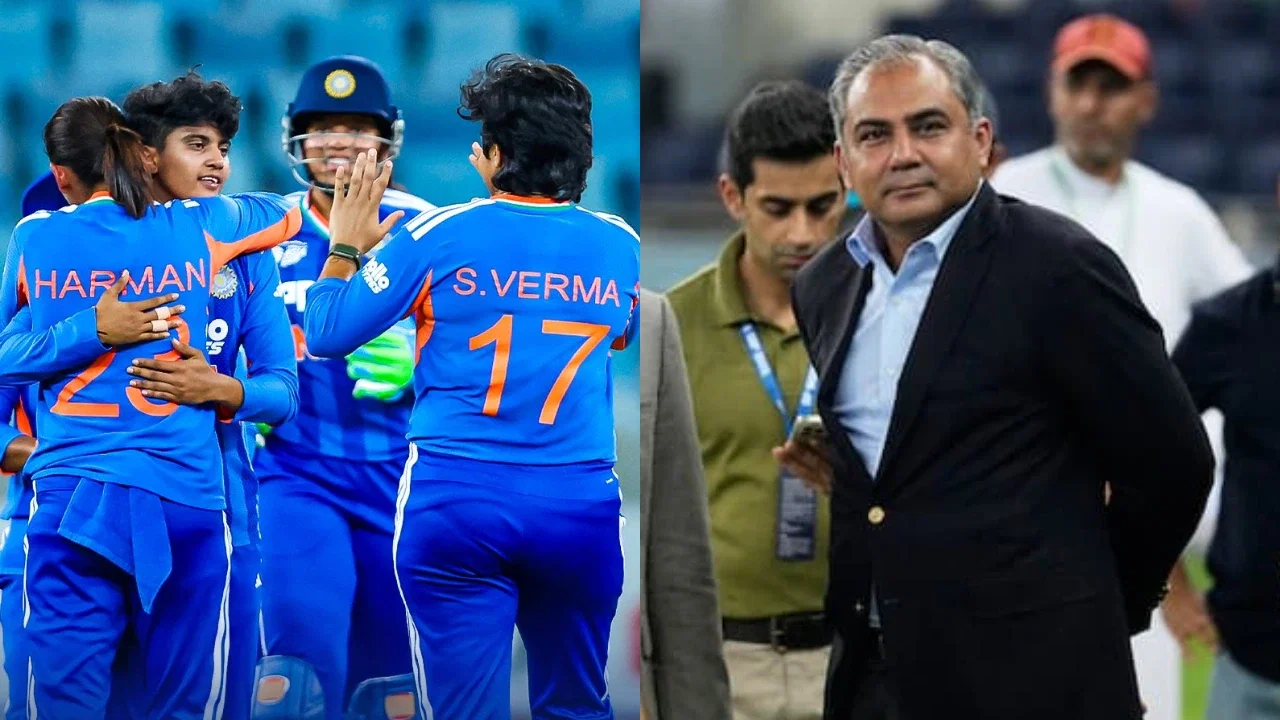
The much-anticipated Women’s Asia Cup 2026 recently reached its crescendo with an exhilarating final match held at the Dubai International Stadium. In a display of skill and determination, the India Women’s National Cricket Team emerged victorious over their Sri Lankan counterparts by a convincing margin of 72 runs. The victory was celebrated across borders, but the post-match proceedings were overshadowed by a controversy that has sparked widespread discussion within cricketing circles and beyond.
India’s Triumph and the Trophy Presentation Incident
As the final whistle blew, sealing India’s triumph, expectations were high for the customary trophy presentation. However, what followed was an unusual scene: the Indian women’s team, after a hard-fought victory, declined to accept the trophy from Mohsin Naqvi, the Chief of the Asian Cricket Council (ACC). Naqvi, a prominent figure in Asian cricket administration, was present at the event and had been involved in the proceedings. Despite his presence, the Indian team members chose to walk away without receiving the trophy, igniting questions and speculation about underlying tensions and diplomatic nuances.
The Background of the Controversy
This incident did not occur in isolation. It echoes a previous episode from the 2025 Asia Cup, where the Indian cricket teams—both men’s and women’s—refused to accept trophies from Naqvi, citing diplomatic tensions between India and Pakistan. During that period, the Indian teams’ decision was driven by solidarity with Indian citizens affected by violence and terrorism, notably following the Pahalgam terror attack. The refusal was seen as a political statement, reflecting the complex intersection of sports and geopolitics.
In that context, the refusal to accept the trophy became a symbol of protest against diplomatic friction, and similar sentiments appeared to influence the women’s team’s actions in 2026. This evolving narrative highlights how sports, especially cricket in Asia, often serve as a mirror to broader diplomatic and political realities.
Insights from BCCI Official Devajit Saikia
Following the incident, BCCI secretary Devajit Saikia broke his silence, offering insights into the interactions and the underlying reasons for the team’s decision. In an interview with IANS, Saikia explained that his interactions with Naqvi and other officials during the match were rooted in courtesy and common practice rather than any political statement.
“If someone comes and greets you, it’s courteous to respond,” Saikia stated, emphasizing that he was seated in the Royal Box from the start of the match and remained there throughout. “I sat at the same place from the toss until the end, and many officials and individuals approached me. Naqvi also came and sat next to other officials, including Khalid Al Zarooni, the Deputy Chairman of the ACC.”
Clarifying the Trophy Incident
Regarding the refusal to accept the trophy from Naqvi, Saikia clarified that there was no formal discussion or intent to boycott the presentation. “It was a simple matter of tradition—when someone comes to greet or meet, we respond politely. Our primary focus was on the victory of the Indian women’s team, and I believe that was achieved,” he said.
He further highlighted that the Indian team’s victory was the real achievement and that the team’s decision was not driven by personal or political motives but rather by a desire to uphold their principles and sentiments rooted in past experiences.
Prediction and Future Outlook on Asian Cricket Diplomacy
The incident raises important questions about the future of cricket diplomacy in Asia. As tensions between countries like India and Pakistan persist, sports competitions often become arenas for expressing political sentiments. The refusal to accept trophies from Naqvi echoes a broader pattern where cricketing gestures are intertwined with diplomatic messages.
Looking ahead, experts predict that such incidents may continue unless there is a concerted effort to separate sports from political conflicts. The Asian Cricket Council and national cricket boards are under increasing pressure to foster an environment of neutrality and respect, ensuring that the spirit of the game remains untainted by geopolitics.
Implications for Women’s Cricket and International Relations
The controversy also underscores the evolving role of women’s cricket in the region. The Indian women’s team’s stance reflects a broader trend of athletes taking principled stands on issues beyond the field. As women’s cricket gains prominence, players and officials are increasingly aware of their influence and the symbolic power they hold.
Moreover, such incidents impact diplomatic relations and the perception of sportsmanship in Asia. The prediction for the future suggests that cricket organizations may need to develop clearer protocols for trophy presentations and diplomatic interactions to prevent similar controversies and foster mutual respect among participating nations.
Conclusion: Navigating the Intersection of Sports, Politics, and Diplomacy
The Women’s Asia Cup 2026 final has not only showcased cricketing excellence but also highlighted the complex relationship between sport and diplomacy. The Indian women’s team’s refusal to accept the trophy from Naqvi serves as a reminder that sports are deeply embedded in the political landscape of the region. Moving forward, stakeholders are tasked with balancing competitive spirit and diplomatic sensitivity to ensure that cricket remains a unifying force rather than a battleground for political disputes.
As predictions indicate, the path ahead involves greater dialogue, respect, and understanding among Asian cricketing nations. Only through such efforts can the true spirit of the game—unity, respect, and fair play—be preserved, allowing cricket to serve as a bridge rather than a barrier in fostering regional harmony.
Latest News
England set for batting shake-up as Marcus Trescothick backs flexible approach
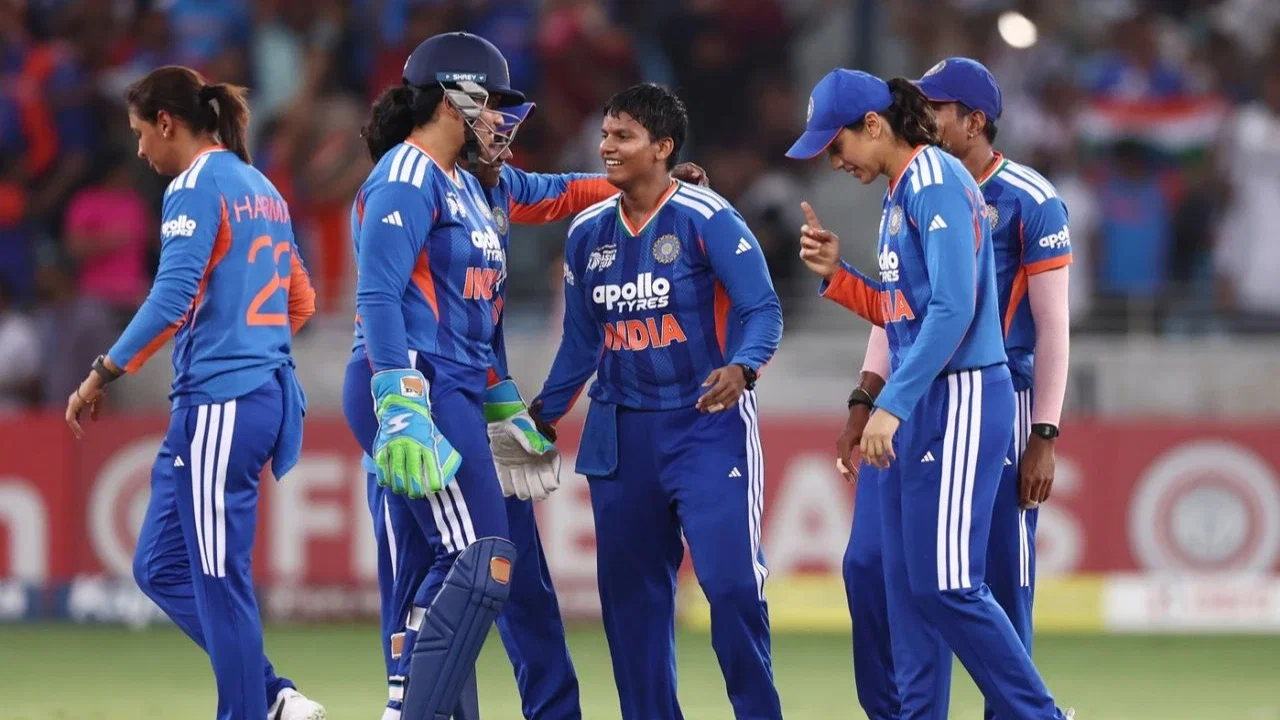
ICC takes action against India pacer after Women’s Asia Cup final incident
“We don’t have any regrets”: Devajit Saikia breaks silence on Mohsin Naqvi meeting
ADF vs DNG Dream11 Prediction Today Match, Dream11 Team Today, Fantasy Cricket Tips, Playing XI, Pitch Report, Injury Update- European T20 Cup 2026, Match 26
ENG vs SL Dream11 Prediction Today Match, Dream11 Team Today, Fantasy Cricket Tips, Playing XI, Pitch Report, Injury Update- Sri Lanka Tour of England 2026, 1st T20I
Tirumalasetti Suman questions Sanju Samson’s place in Indian team
Varun Chakravarthy ruled out of Afghanistan T20Is, BCCI CoE under scanner
Mohammad Rizwan finally breaks silence on the NCCIA probe
Sanjiv Goenka admits communication issues, hints at LSG coaching change ahead of IPL 2027
“You can’t bowl spin”: Varun Chakravarthy reveals India’s biggest batting strength
Mithun Manhas, VVS Laxman hail India Women after record 8th Asia Cup title
Mohsin Naqvi unlikely to get another term as ACC chairman after Asia Cup trophy controversy
FIR filed against Mohammed Shami’s brother after woman makes serious allegations
Amol Muzumdar reveals BCCI’s stance after India Women refuse trophy from Mohsin Naqvi