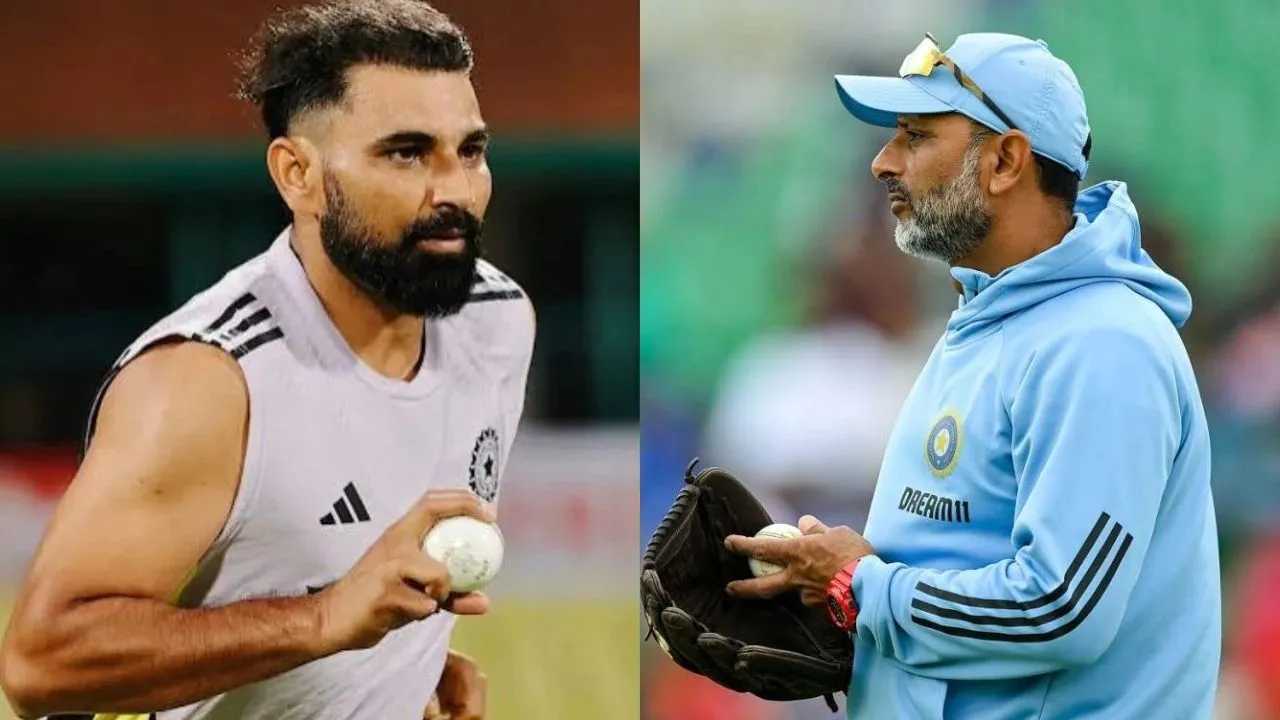
West Indies cricketers hit with 25% pay cut ahead of India series
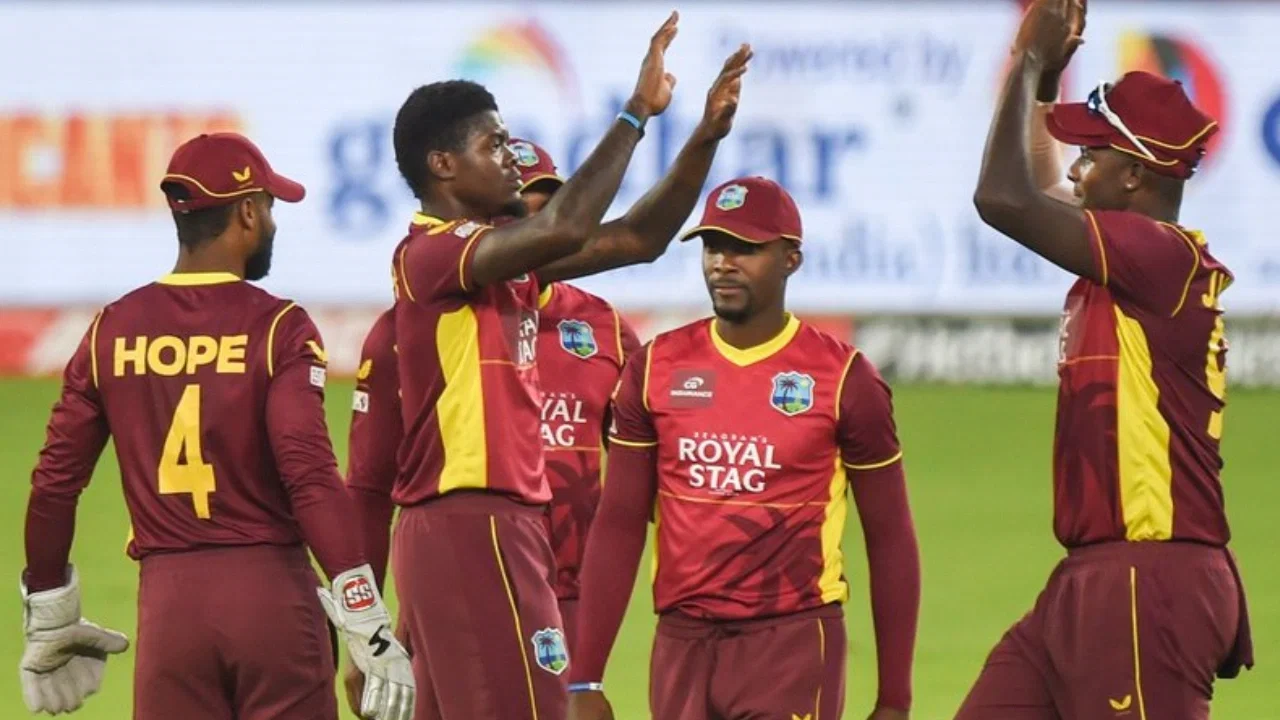
West Indies Cricket Faces Financial Restructuring: Prediction, Challenges, and Strategic Reforms
In a bold move aimed at navigating the turbulent waters of financial sustainability, Cricket West Indies (CWI) has announced significant changes to its player remuneration system and domestic cricket structure. The decision, which includes a 25% reduction in retainer fees for West Indies players, comes at a critical juncture as the team prepares for upcoming international fixtures, notably the highly anticipated series against India. This restructuring not only reflects the current financial realities faced by the organization but also signals a strategic shift towards more sustainable, cost-effective cricket operations across the Caribbean region.
Prediction: A Turning Point for Caribbean Cricket’s Financial Strategy
Analysts and cricket enthusiasts alike are predicting that these reforms could set a precedent for how regional cricket boards manage finances in the face of fluctuating revenue streams, especially amid global economic uncertainties and the evolving landscape of cricket rights and sponsorships. The prediction is that this move will foster a more disciplined financial environment, potentially leading to a more resilient West Indies cricket infrastructure in the long term.
Understanding the Key Changes
Under the new framework, West Indies players will experience a 25% cut in their retainer fees. The decision was reached after extensive negotiations between CWI and the West Indies Players’ Association (WIPA), with the board emphasizing that while the adjustments are not ideal, they are necessary for the federation’s financial health. Specifically, international players will continue to enjoy 12-month contracts, ensuring stability and continuity at the highest level. Conversely, domestic players will now receive retainers covering only seven months, aligning expenditures more closely with actual playing periods and domestic event schedules.
Furthermore, CWI has suspended the men’s Super50 and women’s T20 Blaze tournaments for this season. These competitions have historically served as crucial platforms for talent development and fan engagement in the Caribbean. Their suspension underscores the ongoing necessity to cut costs, particularly as the board seeks to streamline operations and reduce expenditures associated with staging domestic tournaments.
Financial Challenges and the Need for Innovation
Cricket West Indies’ chief executive, Chris Dehring, openly acknowledged the challenges faced by the organization. In a recent statement, he emphasized that “while not ideal, it is a necessary step towards financial stability.” Dehring highlighted that the costs of domestic cricket are substantial, with expenses covering salaries, match fees, travel, accommodations, and tournament logistics. Over the past 15 years, CWI has cumulatively spent more than US$80 million on domestic airline travel alone, revealing the immense financial burden associated with running regional competitions.
“Our domestic tournaments, historically, have been heavily subsidized by CWI—covering everything from salaries to event staging costs,” Dehring explained. “This model has become unsustainable.” The prediction is that by restructuring the domestic calendar and reducing expenses, CWI aims to create a more financially viable model that can support the development of Caribbean cricket without compromising its long-term sustainability.”
Strategic Shift in Domestic and International Cricket
As part of the broader restructuring, CWI has announced a pivot in its approach to domestic competitions. The traditional Super50 and T20 Blaze tournaments will be replaced by a series of invitational events designed to foster competition among Caribbean nations and optimize resource utilization. These new tournaments will be by invitation, involving ten Caribbean countries, and will serve as critical pathways for Olympic qualification and international competition.
The prediction here is that this shift will not only reduce costs but also elevate the prestige and competitiveness of regional cricket. The new invitational tournaments are expected to generate increased interest, attract higher-quality players, and foster greater national pride. They will also serve as a testing ground for innovative formats and player development strategies, aligning with global trends toward shorter, more dynamic cricket competitions.
Upcoming International and Olympic Campaigns: Prediction and Opportunities
The suspension of the Super50 has immediate implications for the West Indies’ preparation for future international tournaments. Instead of traditional regional limited-overs competitions, CWI plans to organize a series of white-ball matches against England A in November, followed by an intensive ODI camp. This approach is predicted to enhance the team’s readiness for the 2027 ODI World Cup qualifying campaign, ensuring that player prediction models remain optimistic about the team’s potential to perform at the highest levels.
Moreover, the Caribbean cricketing landscape is set to diversify further with separate national teams competing in multi-sport events such as the 2027 Pan American Games in Lima and the Olympic qualification process for the 2028 Los Angeles Games. The prediction here is that these developments will open new avenues for Caribbean players to showcase talent and secure international recognition, even as the traditional regional tournaments face restructuring.
Olympic Qualification and Future Opportunities
One of the most transformative aspects of CWI’s prediction for the future is the emphasis on Olympic qualification. The top four teams from the 2025-26 Super50 and T20 Blaze tournaments have already secured spots for the 2027 Pan American Games. Moving forward, CWI plans to implement separate qualification tournaments for the 2028 Olympics. These events will be invitation-based, with individual Caribbean nations responsible for their own costs and preparations.
This shift signifies a strategic move towards empowering individual nations within the Caribbean to pursue Olympic glory independently. The winners of these invitational tournaments will earn direct entry into the ICC Olympic Qualifying tournaments, which will determine the final Olympic participants in Los Angeles. The prediction is that this model will foster greater national investment in cricket development, with local cricket and Olympic associations, governments, and private partners playing pivotal roles.
Implications for Caribbean Cricket’s Future
Overall, these changes predict a more focused, financially disciplined era for West Indies cricket. While the immediate impact may involve some sacrifices—such as reduced player retainers and the suspension of traditional domestic competitions—the long-term outlook suggests a more sustainable and competitive Caribbean cricket ecosystem. The introduction of invitational tournaments, coupled with a commitment to Olympic qualification, positions the region as an innovative player on the global cricket stage.
This prediction underscores a proactive approach by CWI, balancing financial realities with the ambition to maintain Caribbean cricket’s rich legacy and competitive edge. By fostering new competition formats, emphasizing regional collaboration, and opening pathways to international multi-sport events, West Indies cricket is poised to evolve into a more resilient and dynamic force in the years ahead.
Conclusion
In summary, the recent restructuring efforts by Cricket West Indies reflect a strategic prediction—one that anticipates the challenges of modern cricket economics while seizing opportunities for growth and innovation. While adjustments such as salary cuts and tournament suspensions might seem disruptive initially, they are part of a broader vision to ensure Caribbean cricket’s sustainability, relevance, and success on the global stage. As these initiatives unfold, stakeholders and fans alike will be watching closely to see how these changes shape the future of West Indies cricket, and whether the prediction of a stronger, more resilient Caribbean cricketing landscape comes true.
Latest News
Top 10 highest run-chases in T20 cricket history, ft. West Indies’ Ranchi win vs India
Aaryavir Sehwag and Anvay Dravid set to make headlines at U19 Asia Cup 2026

Longest ducks in Test cricket history ft. Nic Maddinson, Shoaib Akhtar
ECB to offer 39 central contracts to England players after Ben Stokes, Mark Wood’s retirement
Steve Smith surpasses Steve Waugh in all-time Test run-scorers’ list

Shane Watson identifies Gautam Gambhir’s biggest problem as India struggle for consistency

Is Bhuvneshwar Kumar in India’s 2027 World Cup plans? Ajinkya Rahane makes revelation
BCCI’s big ₹127 Crore move after injury crisis raises concerns over Team India

Parthiv Patel reveals RCB ignored his Jasprit Bumrah recommendation in IPL 2014 Auction

“Never spoke ill of any faith”: Irfan Pathan hits back at fake news using his name
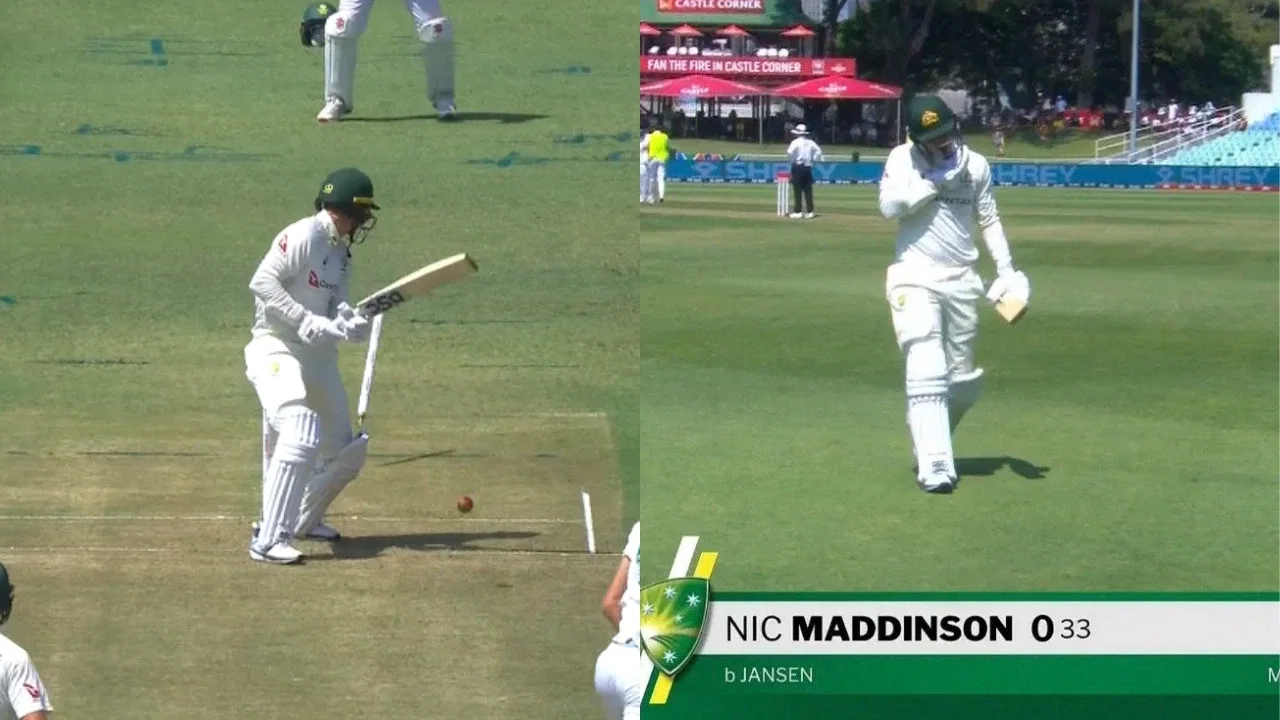
Nic Maddinson bags 33-ball duck on Test comeback, disappoints George Bailey

Imran Tahir predicts 2027 ICC ODI World Cup Semi-Finalists, snubs India for title
Australia create unwanted history with first all-30-plus Test XI
Ravindra Jadeja returns to Ranji Trophy as Saurashtra announce squad