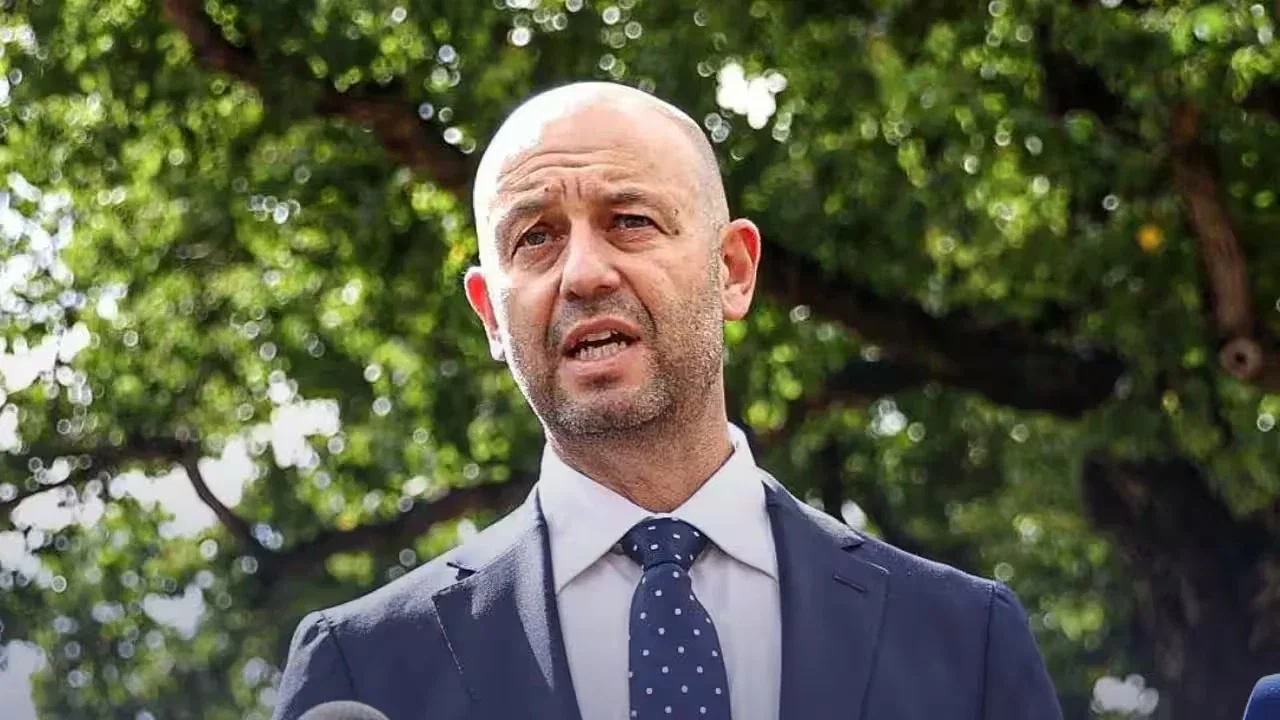
“We’ve got to get moving”: CA Chief Todd Greenberg breaks silence on BBL contracting delay
**Cricket Australia Admits Delay in Contracting Process for Big Bash League**
Cricket Australia chief executive Todd Greenberg has acknowledged the ongoing contracting embargo concerning the Big Bash League (BBL) and the Women’s Big Bash League (WBBL). While negotiations for the competitions’ privatization are in progress, talks with the Australian Cricketers’ Association (ACA) are also underway. As the WBBL season approaches in just over two months, teams and players are still uncertain about their contracts, prompting the need for swift action.
**Contracting Delay Creates Uncertainty for Players**
Greenberg expressed that the current contracting system should have been resolved by now to provide clarity to players and teams. The discussions between CA and the ACA aim to update the Memorandum of Understanding regarding players’ pay before implementing plans to introduce private investment into the Big Bash. Despite the delay, both organizations are committed to finding a resolution to ensure a successful upcoming season.
**Proposed Changes Could Impact Player Salaries**
The proposed changes in the contracting system could potentially affect player salaries, particularly for Australian male players who have voiced concerns about earning less than overseas recruits. The adjustments may involve eliminating the overseas draft and reallocating more of the salary cap towards local players. While this could lead to increased short-term salaries for prominent overseas players like Ben Stokes and Finn Allen, it may pose challenges for Australian players bound by existing contracts.
**CA and ACA at Odds Over Revenue Share**
Apart from the contracting issues, disagreements over revenue sharing have also emerged between CA and the ACA. The current agreement extends until 2028, with the ACA advocating for a larger share of cricket’s revenue beyond its current 27.5% allocation. Greenberg highlighted the fundamental differences between the two organizations regarding the revenue-sharing model, emphasizing the need to find a mutually agreeable solution.
**Confidence in BBL Privatization Plans Despite Challenges**
Despite the obstacles faced in the contracting and revenue-sharing negotiations, Greenberg remains optimistic about progressing with the BBL privatization plans. CA’s board recently received an update on the proposal, with concerns raised by New South Wales and Queensland about the future funding models. To address these concerns, Greenberg and CA chair Mike Baird plan to meet with representatives from both state associations in Sydney and Brisbane to ensure clarity before the board makes a final decision in September.
**Looking Ahead**
As the cricket season approaches, stakeholders in the sport are eagerly awaiting the resolution of the contracting and revenue-sharing issues to pave the way for a successful BBL season. The collaboration between CA, the ACA, and state associations will be crucial in finding common ground to ensure the sustainability and growth of Australian cricket. Greenberg’s optimism and commitment to resolving these challenges indicate a positive outlook for the future of the sport in the country.
### Impact of Contracting Delay on Team Preparation
The delay in finalizing contracts for the BBL and WBBL has not only caused uncertainty for players but has also impacted team preparation for the upcoming season. With players unsure about their future in their respective teams, coaching staff and management are finding it challenging to plan and strategize effectively. The lack of clarity on player availability and team composition has put additional pressure on teams to adapt quickly once contracts are eventually confirmed.
### Player Equity Concerns in Proposed Changes
While the proposed changes in the contracting system aim to redistribute the salary cap to benefit local players, concerns have been raised about the potential impact on player equity. By potentially reducing the salary opportunities for overseas recruits, there is a risk of creating disparities in pay among players. Balancing the need to support local talent while ensuring fairness in player compensation will be a key consideration for CA and the ACA as they navigate the contracting negotiations.
### Addressing Revenue Sharing for Long-Term Sustainability
The disagreements over revenue sharing between CA and the ACA highlight the importance of establishing a fair and sustainable financial model for Australian cricket. As the sport continues to grow in popularity, ensuring that players receive their fair share of revenue while also investing in grassroots development is crucial for the long-term sustainability of the game. Finding a middle ground that satisfies both the players’ financial needs and the future growth of cricket in the country will be a delicate balance to strike.
### State Associations’ Role in the Privatization Process
The concerns raised by state associations, particularly New South Wales and Queensland, regarding the future funding models for the BBL privatization plan, underscore the importance of collaboration between all stakeholders. State associations play a vital role in the success of the BBL, and their input and feedback will be instrumental in shaping the future direction of the competition. By engaging with representatives from various state associations, CA can ensure that the privatization plans align with the interests and objectives of all parties involved.
### Building a Strong Foundation for Australian Cricket
As CA, the ACA, and state associations work towards resolving the contracting and revenue-sharing challenges, they are laying the groundwork for a stronger and more sustainable future for Australian cricket. By addressing the current issues and finding solutions that benefit all stakeholders, the sport can continue to thrive and grow in the years to come. The commitment and collaboration demonstrated by all involved parties signal a shared vision for the success of Australian cricket, setting the stage for an exciting and prosperous season ahead.
In conclusion, while the contracting delay and revenue-sharing disagreements present challenges for the BBL and Australian cricket as a whole, the commitment to finding solutions and building a strong foundation for the sport bodes well for its future. By addressing the concerns raised and working together towards common goals, stakeholders can ensure that the upcoming season is successful and sets the stage for continued growth and development in Australian cricket.
Latest News

Top 10 highest run-chases in T20 cricket history, ft. West Indies’ Ranchi win vs India

Aaryavir Sehwag and Anvay Dravid set to make headlines at U19 Asia Cup 2026

Longest ducks in Test cricket history ft. Nic Maddinson, Shoaib Akhtar

ECB to offer 39 central contracts to England players after Ben Stokes, Mark Wood’s retirement

Steve Smith surpasses Steve Waugh in all-time Test run-scorers’ list

Shane Watson identifies Gautam Gambhir’s biggest problem as India struggle for consistency

Is Bhuvneshwar Kumar in India’s 2027 World Cup plans? Ajinkya Rahane makes revelation

BCCI’s big ₹127 Crore move after injury crisis raises concerns over Team India

Parthiv Patel reveals RCB ignored his Jasprit Bumrah recommendation in IPL 2014 Auction

“Never spoke ill of any faith”: Irfan Pathan hits back at fake news using his name

Nic Maddinson bags 33-ball duck on Test comeback, disappoints George Bailey

Imran Tahir predicts 2027 ICC ODI World Cup Semi-Finalists, snubs India for title

Australia create unwanted history with first all-30-plus Test XI

Ravindra Jadeja returns to Ranji Trophy as Saurashtra announce squad