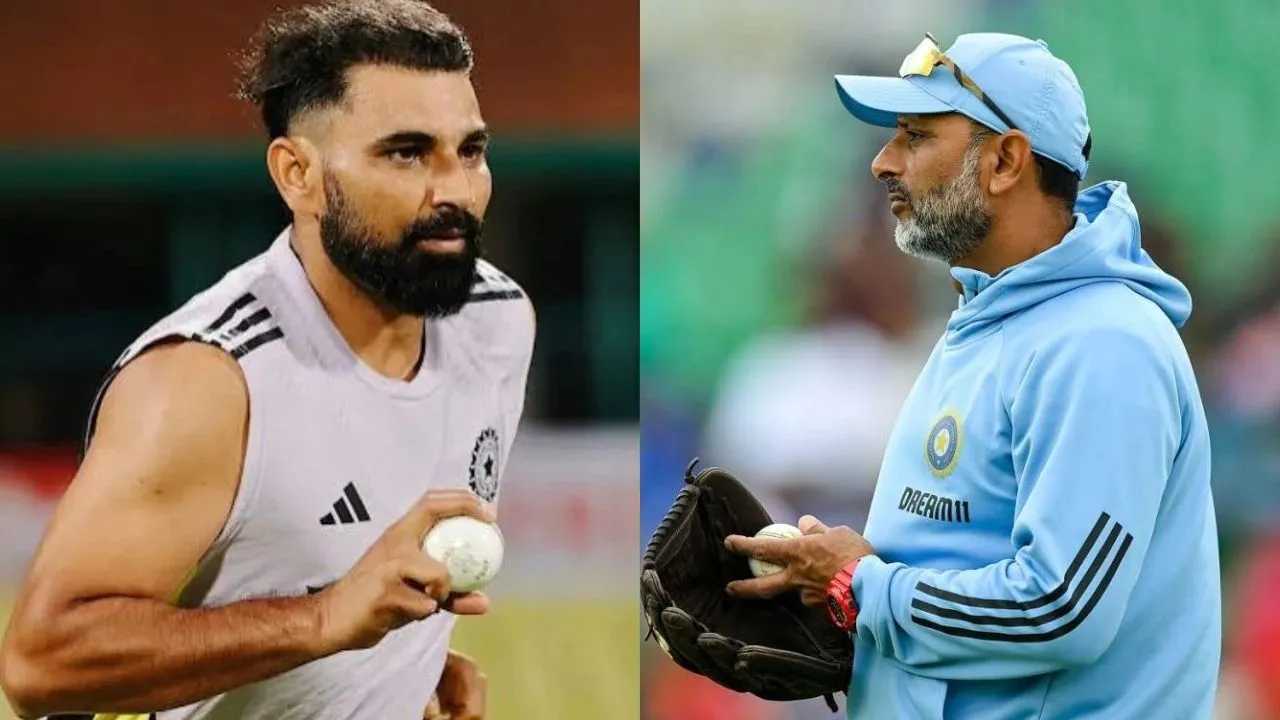
What happens if rain washes out India vs Pakistan Asian Games 2026 final? Gold medal rule explained
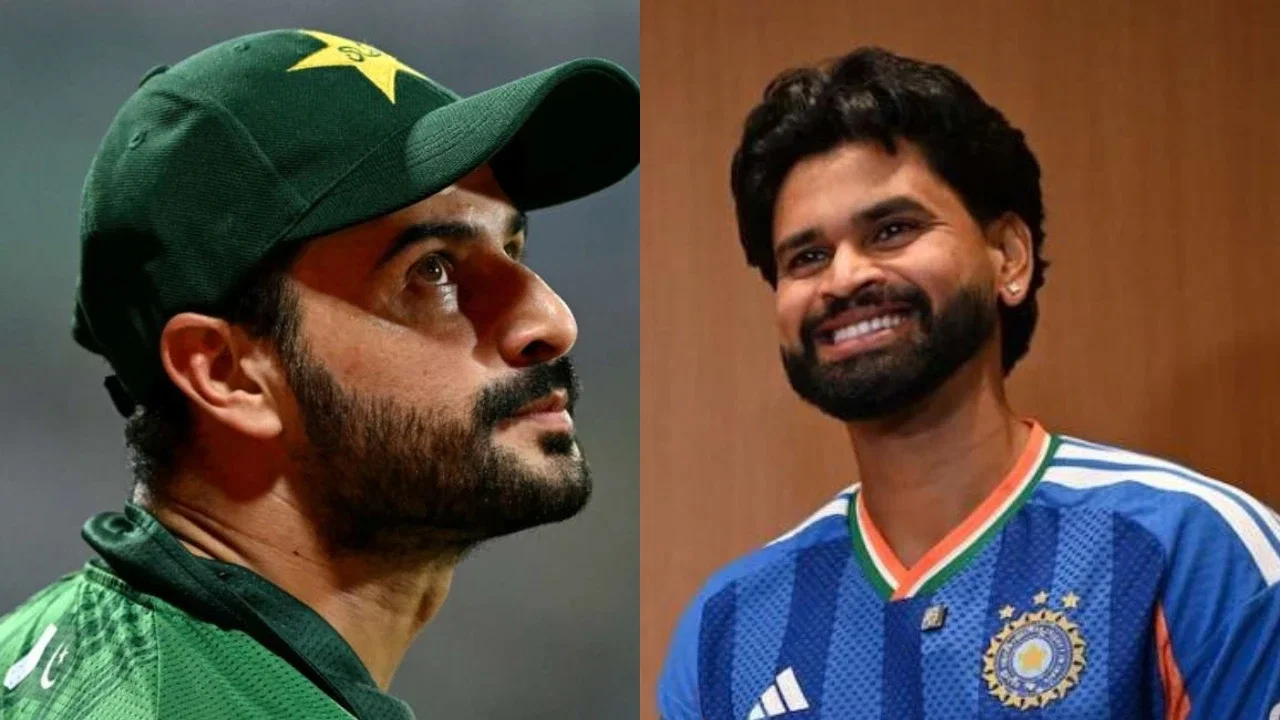
India and Pakistan Face Uncertainty at the 2026 Asian Games Men’s Cricket Final: Prediction and Weather Plays a Pivotal Role
The upcoming men’s cricket final at the 2026 Asian Games in Nisshin is shaping up to be one of the most anticipated clashes in recent history. However, rain clouds threaten to overshadow the event, raising crucial questions about the outcome and the rules that will determine the gold medalists. With the weather forecast indicating a significant chance of rain, the possibility of a dramatic, unpredictable finish has captured the attention of fans, analysts, and stakeholders alike.
Predicting the Outcome Amidst Weather Uncertainty
As the final match at Korogi Sports Park approaches, the key prediction centers around whether the game will be completed or abandoned. Unlike previous editions, the rules for the 2026 Asian Games specify that if the final is washed out due to persistent rain, both India and Pakistan will share the gold medals, effectively ending the tournament with a joint champion scenario. This decision marks a departure from the 2023 Hangzhou Games, where the winner was determined based on T20I rankings if the final was abandoned.
Specifically, the current rules eliminate the use of ranking-based criteria for deciding a winner in case of a no-result, emphasizing fairness by awarding joint medals. This approach underscores the importance of weather predictions in shaping expectations for the match. The forecast indicates a 62% chance of rain in the morning hours, which could delay or cancel the start, with the probability dropping to 25% in the afternoon. Temperatures are expected to hover between 14°C and 20°C, accompanied by approximately 37% cloud cover — all factors that could influence the match’s feasibility.
Historical Context and Rule Changes
The potential for a shared gold medal is a significant departure from previous Asian Games cricket policies. In 2023, India secured the men’s cricket gold after rain washed out the final against Afghanistan, with the higher T20I ranking serving as the tiebreaker. The decision to now forgo rankings in favor of co-champions reflects a shift towards ensuring fairness when weather disrupts play, especially in a high-stakes final.
This rule change highlights the evolving nature of tournament regulations, aiming to balance competitive integrity with practical considerations. It also emphasizes the unpredictable nature of cricket played in regions with monsoon-prone weather, making predictions about the final’s outcome inherently uncertain — yet fascinating for fans eager to see the rivalry between India and Pakistan unfold in a high-profile setting.
Path to the Final: Semi-Final Performances and Key Players
India and Pakistan both advanced to the final through impressive semi-final performances, setting the stage for an epic showdown. India, led by Shreyas Iyer, showcased their dominance with a commanding 124-run victory over Sri Lanka. Batting first, the Indian team posted a formidable total of 169/7 in 20 overs, despite losing two early wickets for just 24 runs. The standout performance was delivered by Ishan Kishan, who scored an unbeaten 80 off 40 balls, including five sixes and four boundaries, anchoring the innings with precision and power.
India’s bowlers then dismantled Sri Lanka’s batting lineup, bowling them out for a mere 45 runs in just under 20 overs. Jasprit Bumrah, Axar Patel, and Abhishek Sharma each took two wickets, underscoring India’s all-around strength and strategic execution. This semi-final victory underscored India’s status as a formidable favorite heading into the final.
Pakistan’s journey to the final was equally compelling, overcoming rain-affected conditions and a resilient Bangladesh team. The semi-final was reduced to 13 overs per side due to rain, adding an element of unpredictability. Pakistan defended a modest total of 111/7, with Sufyan Moqim claiming 3/26 and Arafat Minhas adding 2/23. Despite a shaky start, with Pakistan slipping to 53/4, Abdul Samad and Hasan Nawaz orchestrated a vital unbroken partnership of 59 runs for the fifth wicket. Samad scored 30* off 15 balls, while Hasan Nawaz contributed 27* off 22 balls, guiding Pakistan to the target with nine balls to spare.
The Rivalry and Key Players: A Prediction of the Final Showdown
The India-Pakistan cricket rivalry has always been one of the most intense and watched sporting rivalries globally, and this final adds another chapter to that storied history. Interestingly, this will be the first men’s cricket meeting between these two arch-rivals at the Asian Games, further elevating the stakes. Historically, India has held the upper hand in T20I encounters, winning 14 of their 17 matches against Pakistan, including a recent victory at the ICC Men’s T20 World Cup held earlier this year.
In that memorable match, India posted 175 runs, with Ishan Kishan delivering an explosive 77 off 40 balls, setting the tone for their victory. Pakistan, in response, was bowled out for 114, with Usman Khan top-scoring with 44 runs. The Indian bowling attack, led by Jasprit Bumrah, Axar Patel, and Hardik Pandya, proved too strong for Pakistan’s batters, reaffirming India’s dominance in the rivalry.
Given these recent performances and current form, the prediction leans towards India maintaining their winning streak and leveraging their robust batting lineup and disciplined bowling attack. However, Pakistan’s resilience and the unpredictability of weather conditions could level the playing field, making the outcome far from certain. The game’s prediction hinges on whether it can be played in full or if weather forces a shared gold medal decision.
Implications and Final Thoughts
The potential for the 2026 Asian Games men’s cricket final to end in a tie, with both India and Pakistan sharing gold medals, underscores the importance of weather predictions and strategic planning. While fans and analysts hope for a full, competitive match, the reality remains that unpredictable weather could alter the course of history at this prestigious event.
This scenario also raises questions about the future of cricket tournaments in regions prone to monsoon or unpredictable weather patterns. It emphasizes the need for innovative solutions, such as indoor venues or advanced weather monitoring, to ensure that the sport’s integrity is preserved while accommodating the natural elements.
As the countdown to the final continues, the prediction remains uncertain but filled with excitement. Will India extend their dominance, or will Pakistan cause an upset under the challenging weather conditions? Regardless of the outcome, the 2026 Asian Games men’s cricket final promises to be a memorable chapter in the history of Asian cricket, with the weather playing the role of an unpredictable but significant factor shaping its legacy.
Latest News

Top 10 highest run-chases in T20 cricket history, ft. West Indies’ Ranchi win vs India
Aaryavir Sehwag and Anvay Dravid set to make headlines at U19 Asia Cup 2026

Longest ducks in Test cricket history ft. Nic Maddinson, Shoaib Akhtar

ECB to offer 39 central contracts to England players after Ben Stokes, Mark Wood’s retirement

Steve Smith surpasses Steve Waugh in all-time Test run-scorers’ list

Shane Watson identifies Gautam Gambhir’s biggest problem as India struggle for consistency

Is Bhuvneshwar Kumar in India’s 2027 World Cup plans? Ajinkya Rahane makes revelation

BCCI’s big ₹127 Crore move after injury crisis raises concerns over Team India

Parthiv Patel reveals RCB ignored his Jasprit Bumrah recommendation in IPL 2014 Auction
“Never spoke ill of any faith”: Irfan Pathan hits back at fake news using his name
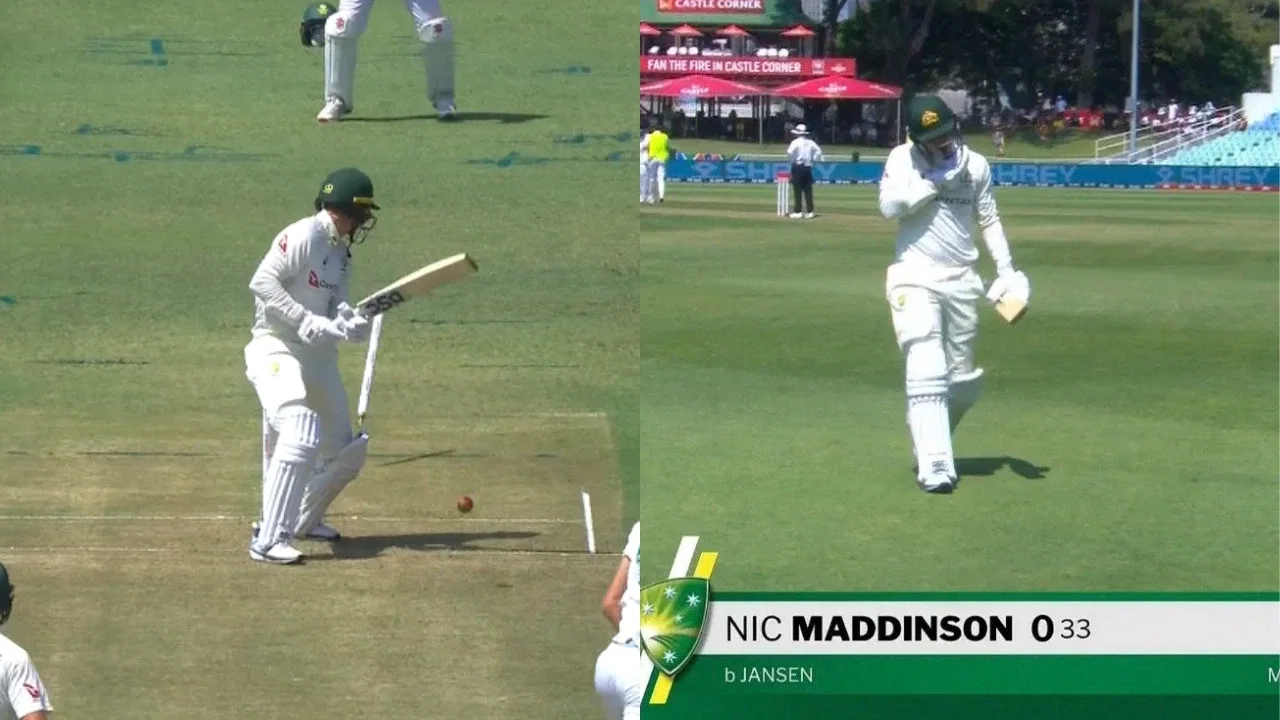
Nic Maddinson bags 33-ball duck on Test comeback, disappoints George Bailey

Imran Tahir predicts 2027 ICC ODI World Cup Semi-Finalists, snubs India for title
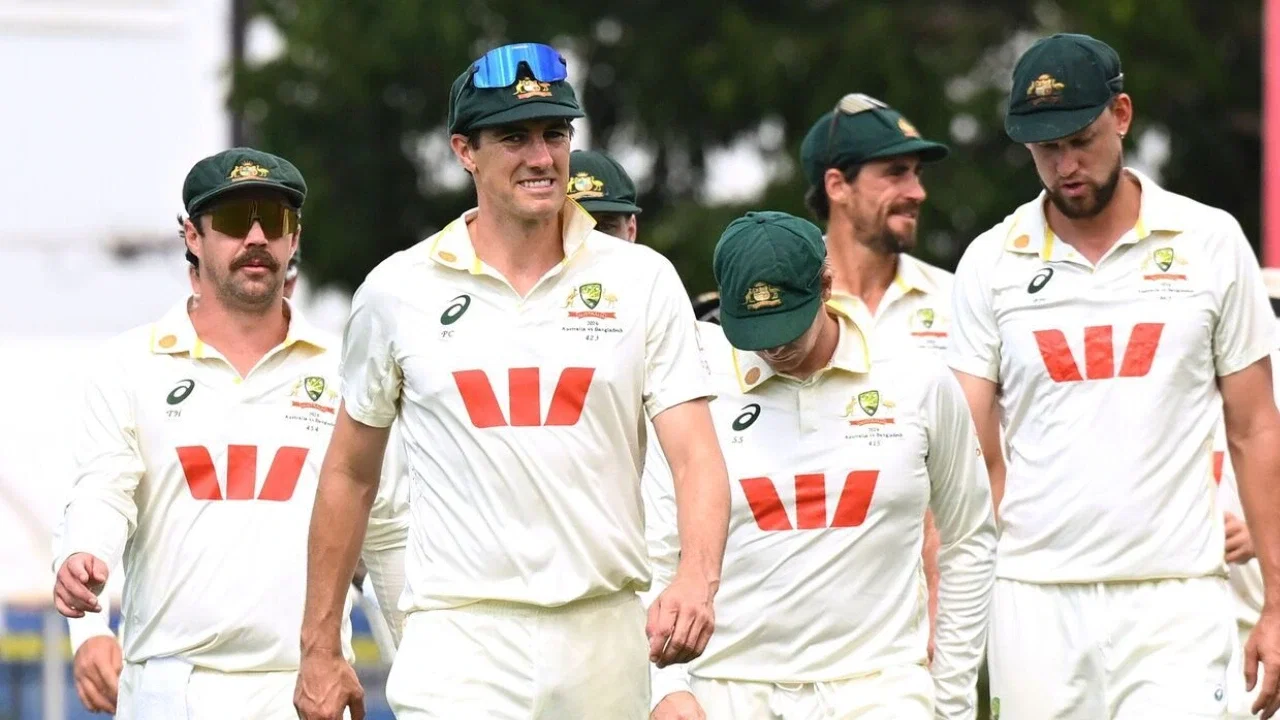
Australia create unwanted history with first all-30-plus Test XI
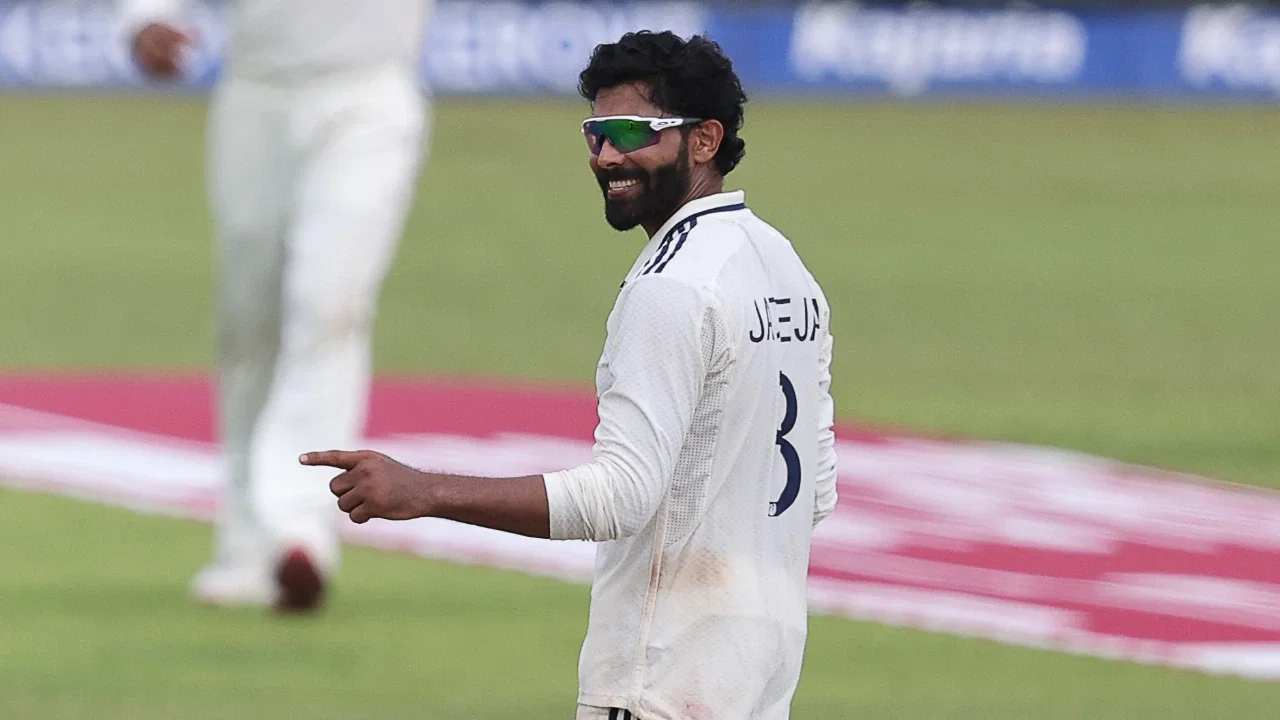
Ravindra Jadeja returns to Ranji Trophy as Saurashtra announce squad