Why are Cameron Green and Josh Hazlewood not playing Australia’s 1st ODI vs Zimbabwe?

Australia’s First ODI Against Zimbabwe: Key Player Absences and Strategic Outlook
In a highly anticipated start to their three-match One Day International (ODI) series, the Australian cricket team faced off against Zimbabwe at the historic Harare Sports Club on Tuesday. The match marked Australia’s return to Zimbabwe’s limited-overs cricket scene for the first time since 2014, and the outcome was shaped by strategic decisions, player management, and emerging talents. As fans and analysts alike seek predictions for the series, several notable absences and tactical choices set the tone for what promises to be an intriguing contest.
Strategic Resting of Key Players: Green and Hazlewood Missing
One of the most significant developments ahead of the opening fixture was the decision by Cricket Australia (CA) to rest two of their leading Test stars—Cameron Green and Josh Hazlewood. Both players are vital components of Australia’s broader cricketing ambitions, but their omission from the playing XI for this first ODI was a calculated move aimed at managing workloads ahead of the upcoming Test series against South Africa.
Cameron Green, who has been managing right shoulder soreness, was not included in the squad for the match. Despite participating in batting nets and running drills in Harare, Green’s case was carefully monitored by Australia’s medical team, who determined that his injury was not severe enough to risk aggravation. This strategic rest is part of a broader prediction that Green will be preserved for the Test series, where his all-round capabilities could prove decisive.
Similarly, Josh Hazlewood, who has been dealing with a minor injury concern, was also held back from the first ODI. Hazlewood’s management reflects Australia’s cautious approach to ensure their premier fast bowler is fully fit for the high-stakes South African Tests. Notably, captain Mitchell Marsh confirmed that Hazlewood had been “carefully managed,” emphasizing the importance of strategic workload management in modern cricket.
Australia’s Tactical Approach: Emphasizing Spin and Youth
Despite the absence of some senior players, Australia employed a bold, spin-heavy bowling attack for this match. The decision was influenced by the unusually grassy pitch prepared by the Harare groundsmen, which initially appeared conducive to seam bowling. However, the Australian camp predicted that the surface would favor spin, leading to a strategic emphasis on their spinners early in the game.
This prediction aligns with recent trends and insights from cricket analysts, who suggest that pitches with extra grass can still offer significant assistance to spinners, especially in the subcontinent and African venues. The selection of bowlers like Adam Zampa and Xavier Bartlett points to Australia’s prediction that spin could be the key to controlling Zimbabwe’s batting lineup.
Furthermore, with Green and Hazlewood sidelined, younger players like Cooper Connolly are expected to shoulder more responsibility, especially in the spin department. Connolly, having recently returned from a five-month back injury hiatus, showcased his potential by bowling in the nets and will be looking to make an impact with both bat and ball.
Leadership and Player Development: Mitchell Marsh’s Milestone and Future Focus
Captain Mitchell Marsh marked a significant milestone in his career by celebrating his 100th ODI appearance during this match. Marsh’s leadership was evident as he elected to bat first after winning the toss, reflecting confidence in the team’s batting lineup and the conditions at Harare.
Marsh also highlighted Australia’s strategic focus on nurturing young talent, viewing this series as an opportunity to give emerging players vital international exposure. His comments underscored the team’s balance between experience and youth, emphasizing that the series would serve as a platform for players to showcase their skills and build confidence ahead of the more demanding South Africa Tests.
Zimbabwe: Seeking to Capitalize on Home Advantage and Recent Form
Zimbabwe, eager to carve out an upset in this series, is banking on their familiarity with local conditions and recent performances to challenge Australia. Historically, Harare has been a challenging ground for batting, with the average first-innings total hovering around 231 runs, making it a bowler-friendly venue. This environment could favor Zimbabwe’s bowlers, especially if the Australian batting lineup is unsettled by the absence of key players.
Zimbabwe’s recent record against Australia adds an extra layer of prediction to the series. The hosts have managed to secure victories in their last two encounters across formats—most notably beating Australia at the T20 World Cup held in Colombo earlier this year and winning the third ODI during Australia’s 2022 tour in Townsville. These results bolster Zimbabwe’s confidence and serve as a reminder that predictions in cricket are often unpredictable, especially in conditions favoring the home team.
Key Players and Possible Match Outcomes: What to Expect
With the Australian squad featuring a mix of experienced campaigners like Travis Head, Matt Renshaw, and Ollie Peake, alongside emerging talents such as Cooper Connolly, the series prediction leans toward a competitive contest. The absence of Green and Hazlewood might slightly diminish Australia’s bowling options, but the team’s strategic use of spin and pace could offset this disadvantage.
Zimbabwe’s potential to cause an upset hinges on their ability to exploit the conditions and maintain discipline with the ball. If the Australian batting lineup struggles against Zimbabwe’s bowlers—particularly in the face of a potentially slow pitch—the hosts could capitalize and level the series, setting the stage for a thrilling conclusion.
Conclusion: A Series Defined by Prediction, Strategy, and Emerging Talent
This first ODI between Australia and Zimbabwe encapsulates the intriguing dynamics of modern cricket—where strategic workload management, pitch predictions, and player development converge to shape match outcomes. The prediction for this series remains open, with factors such as pitch conditions, player form, and tactical execution playing pivotal roles.
Cricket enthusiasts worldwide will be watching closely as the series unfolds, eager to see if the young talents can step up and whether Zimbabwe can leverage their home advantage to challenge the odds. One thing is certain: this series promises to be a fascinating display of cricketing skill, strategic prediction, and competitive spirit.
Latest News
Top 10 highest run-chases in T20 cricket history, ft. West Indies’ Ranchi win vs India
Aaryavir Sehwag and Anvay Dravid set to make headlines at U19 Asia Cup 2026
Longest ducks in Test cricket history ft. Nic Maddinson, Shoaib Akhtar
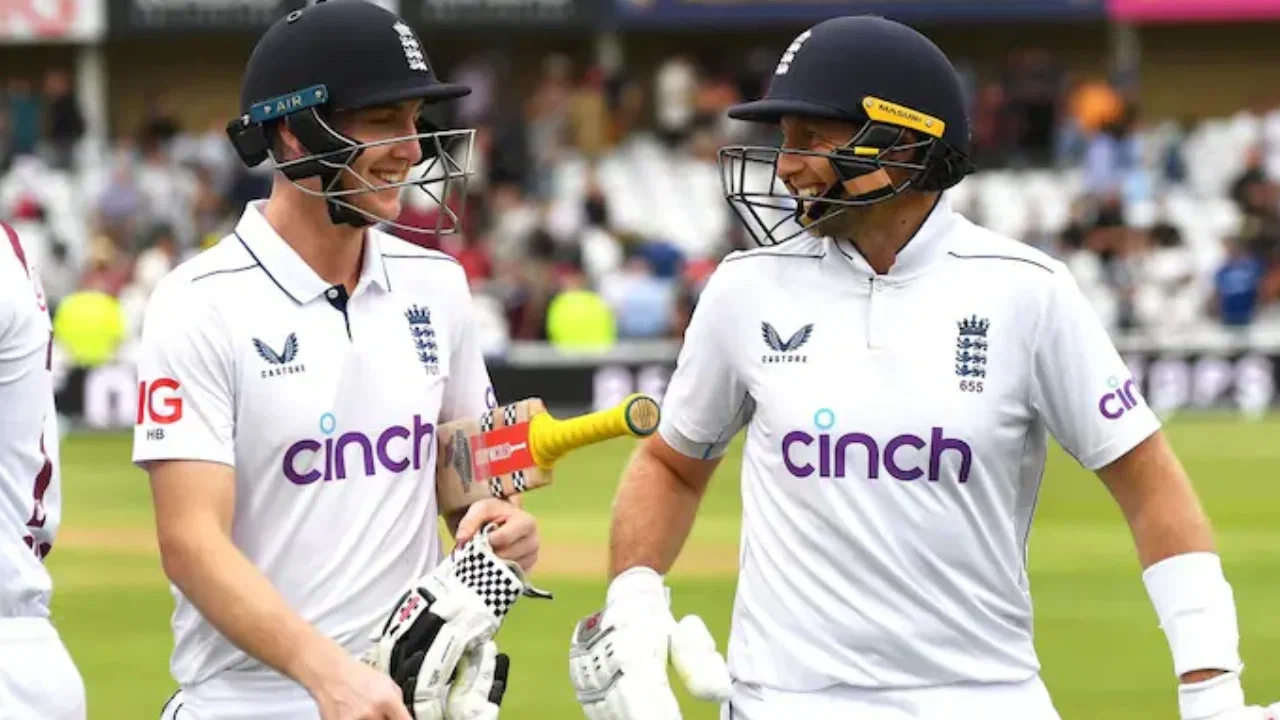
ECB to offer 39 central contracts to England players after Ben Stokes, Mark Wood’s retirement
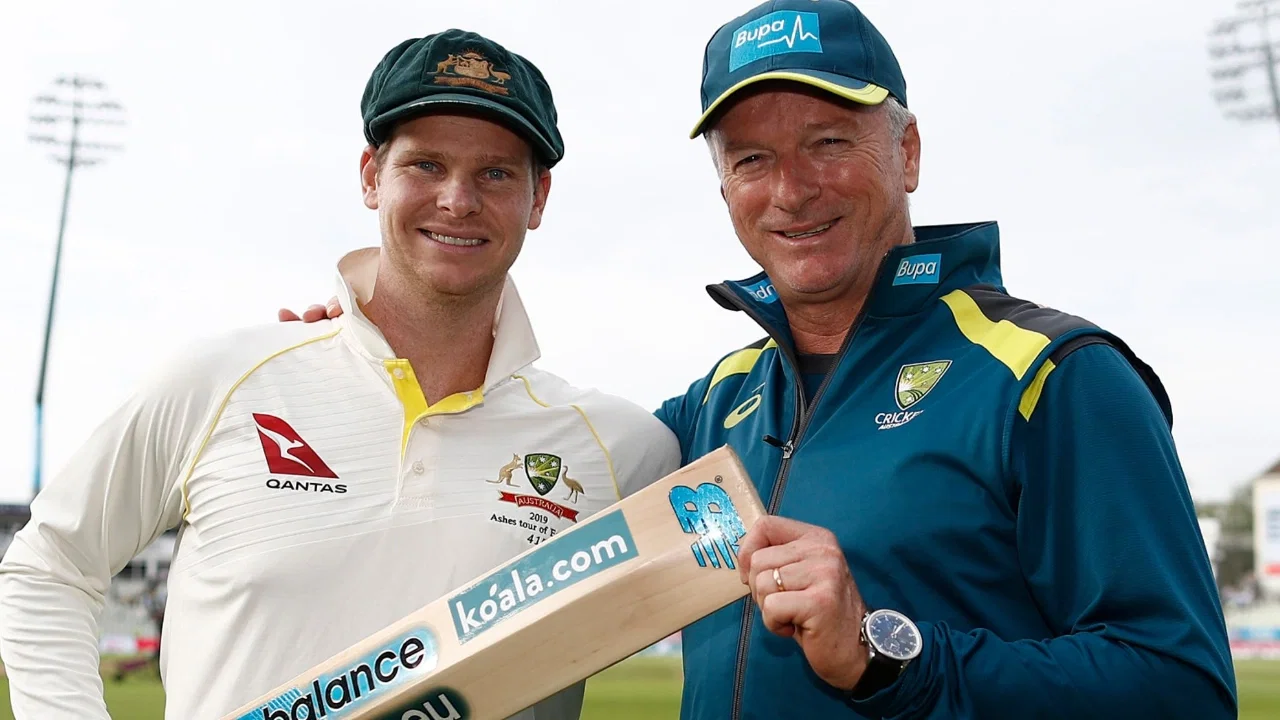
Steve Smith surpasses Steve Waugh in all-time Test run-scorers’ list

Shane Watson identifies Gautam Gambhir’s biggest problem as India struggle for consistency

Is Bhuvneshwar Kumar in India’s 2027 World Cup plans? Ajinkya Rahane makes revelation
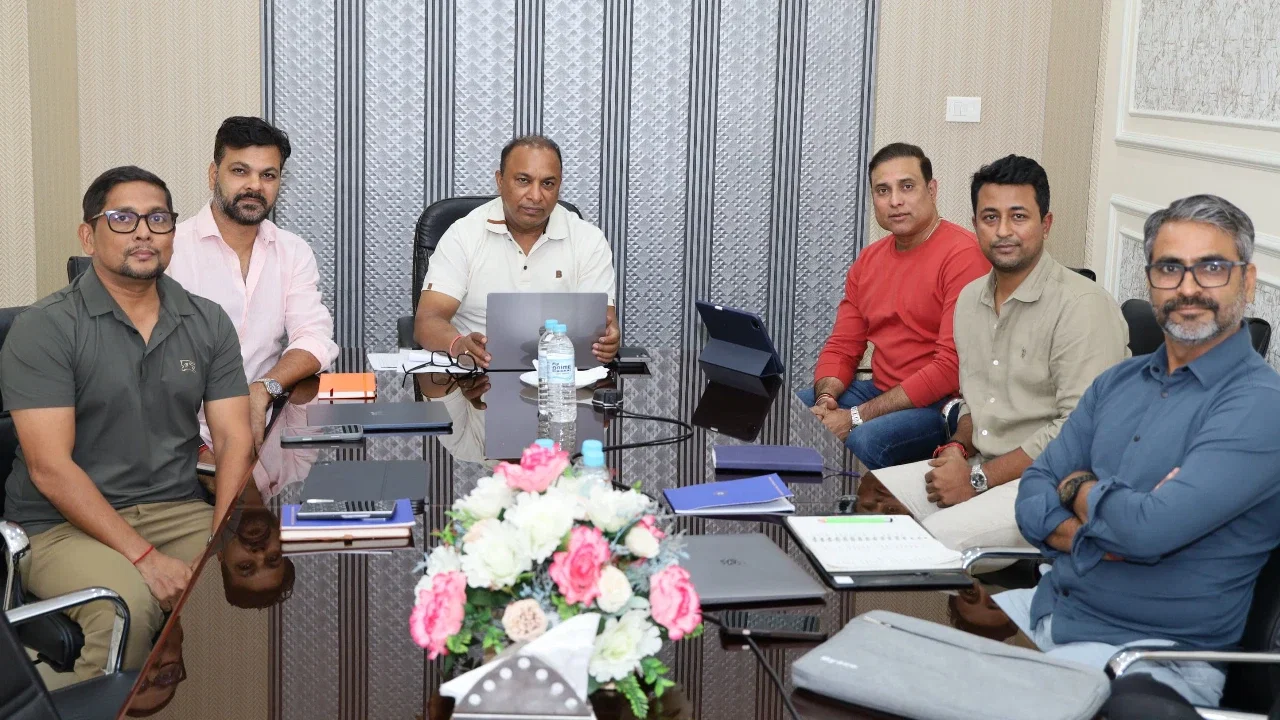
BCCI’s big ₹127 Crore move after injury crisis raises concerns over Team India

Parthiv Patel reveals RCB ignored his Jasprit Bumrah recommendation in IPL 2014 Auction
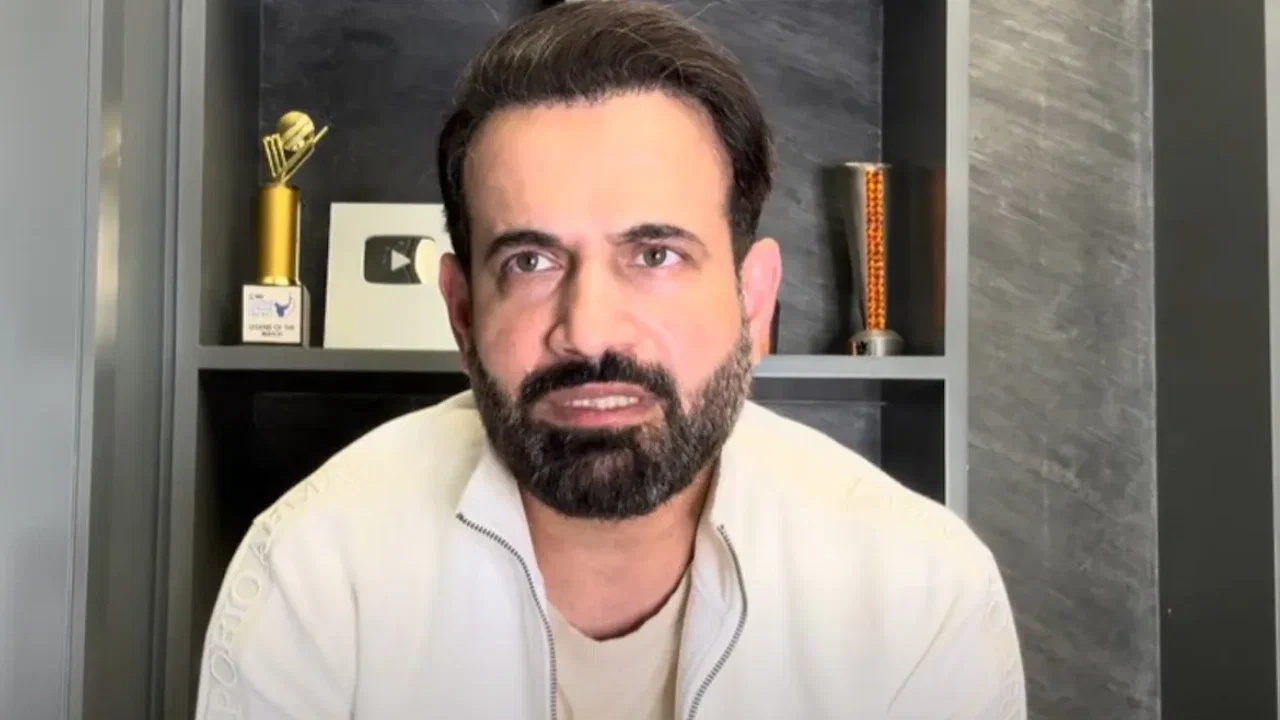
“Never spoke ill of any faith”: Irfan Pathan hits back at fake news using his name
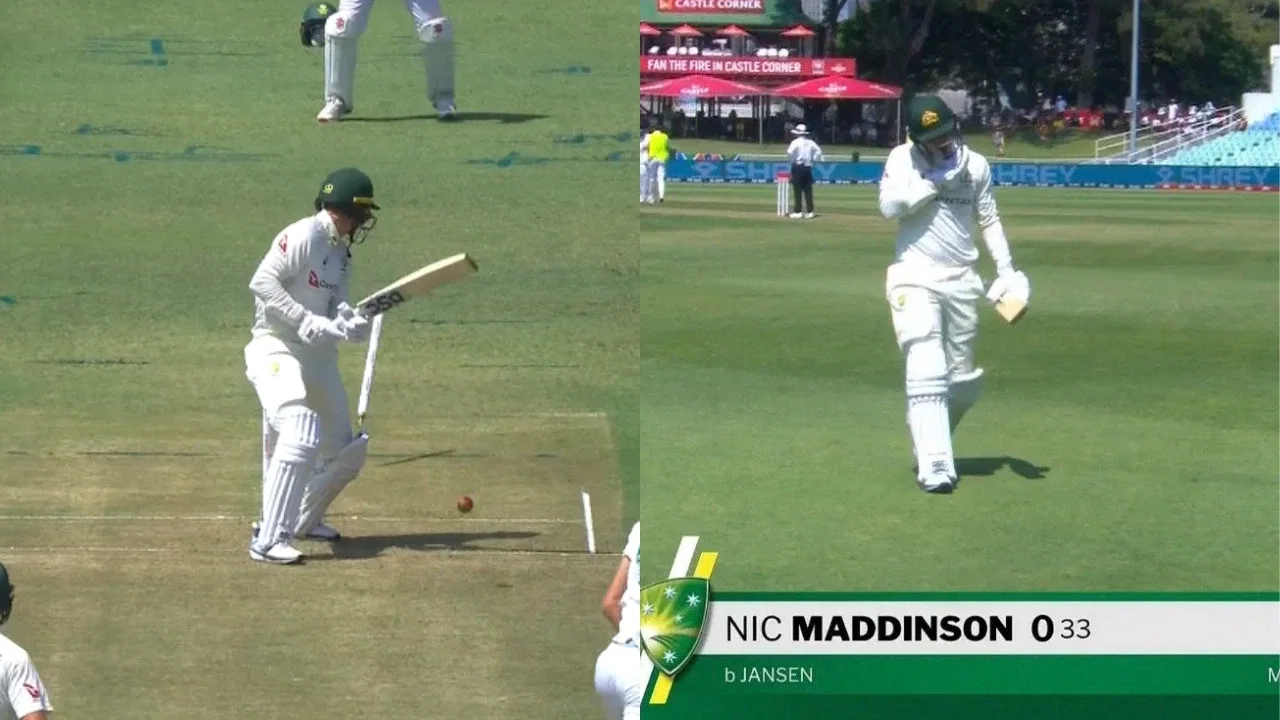
Nic Maddinson bags 33-ball duck on Test comeback, disappoints George Bailey

Imran Tahir predicts 2027 ICC ODI World Cup Semi-Finalists, snubs India for title
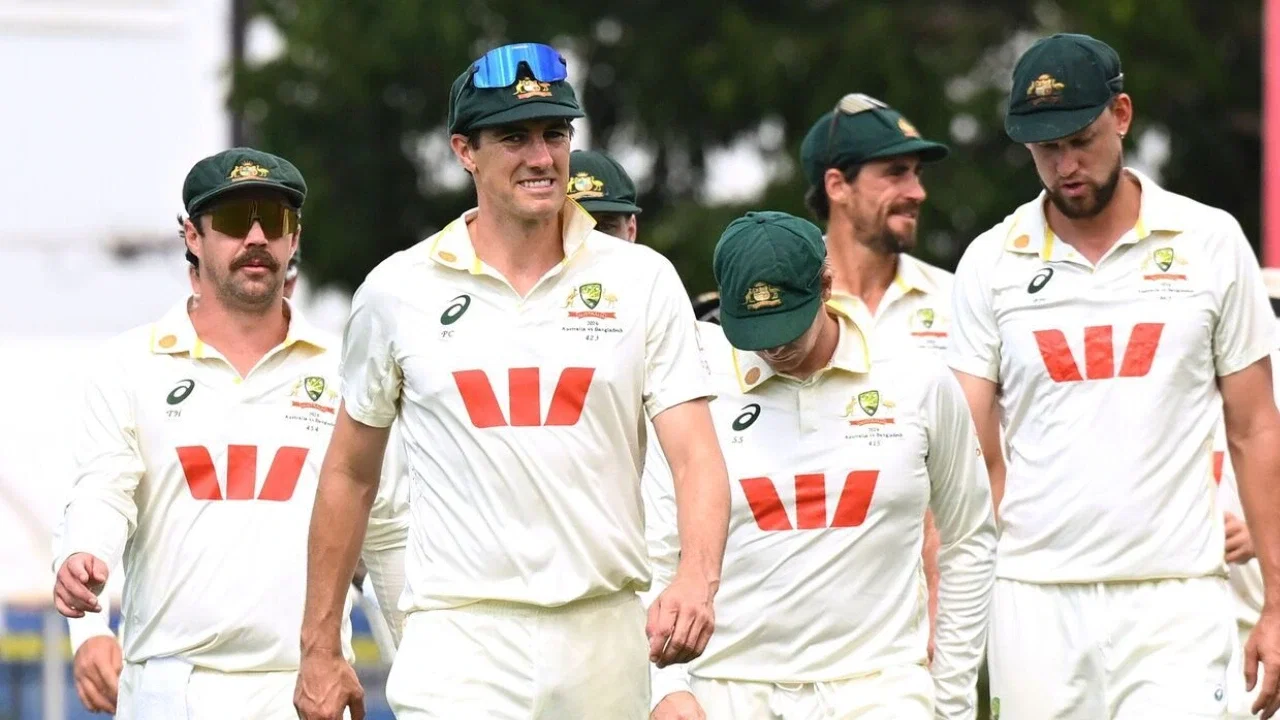
Australia create unwanted history with first all-30-plus Test XI
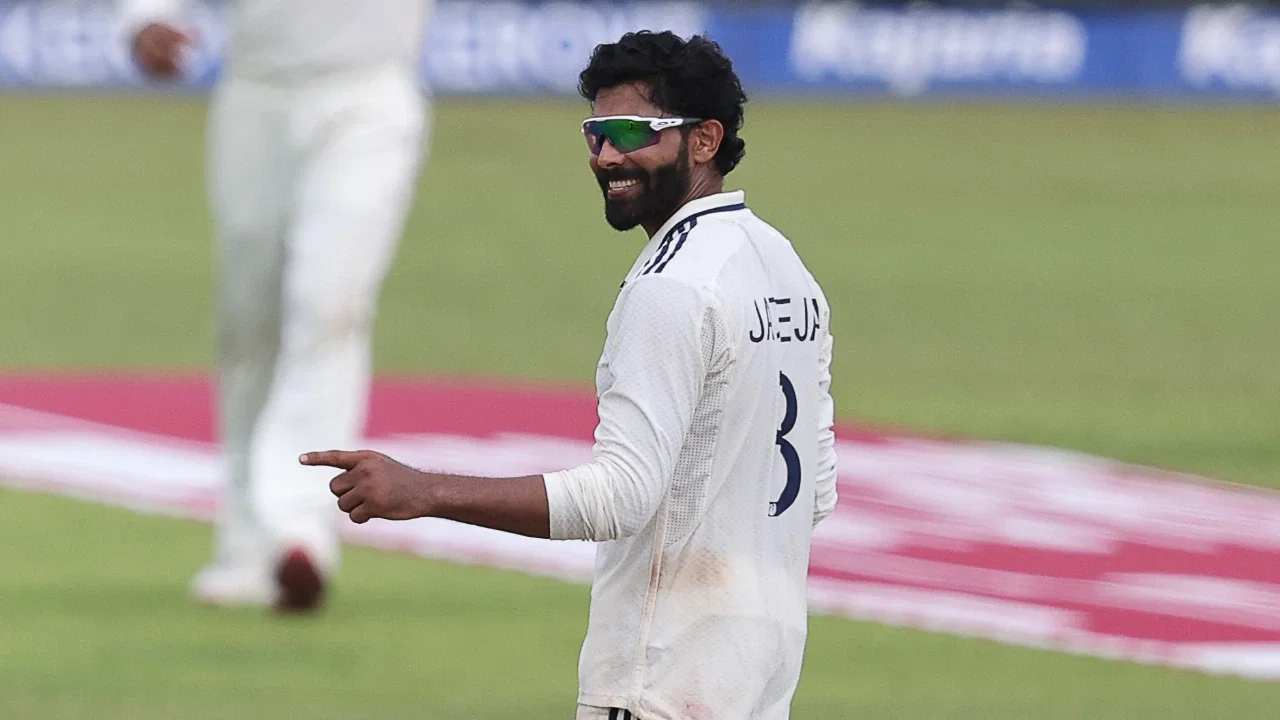
Ravindra Jadeja returns to Ranji Trophy as Saurashtra announce squad