

Why Hardik Pandya-Arshdeep Singh trade could hurt both MI and PBKS: 3 reasons
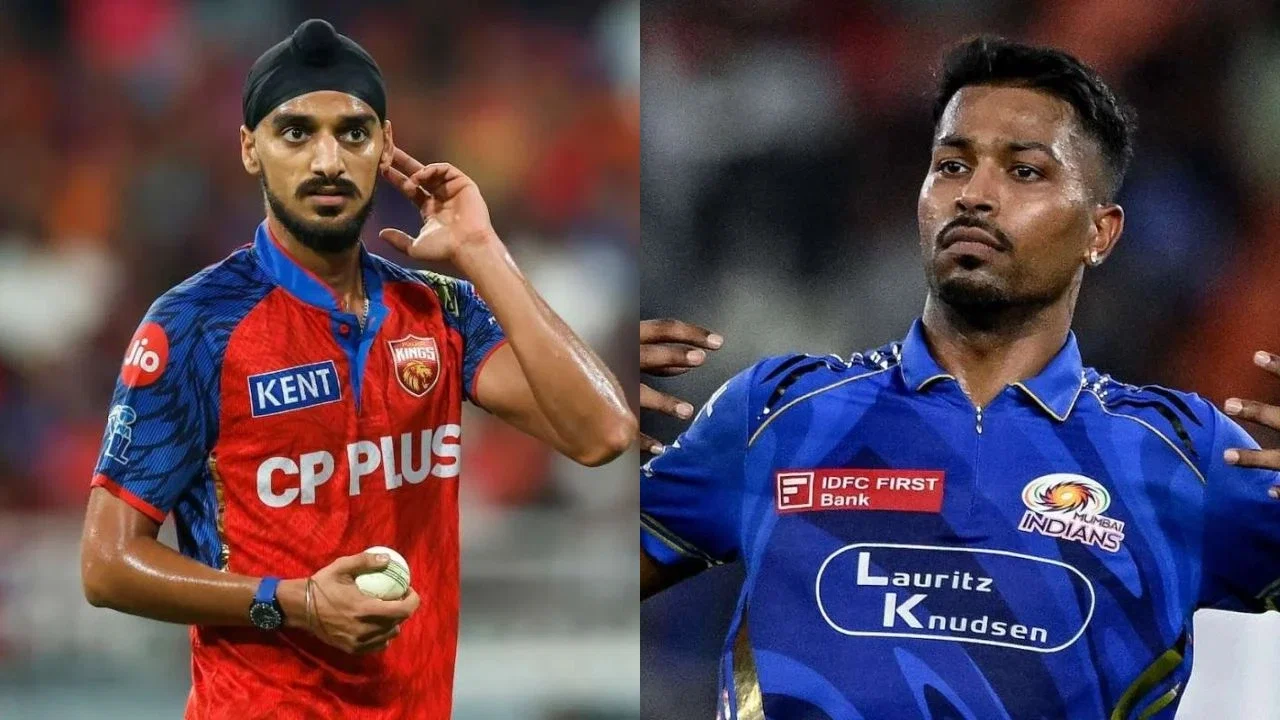
Hardik Pandya–Arshdeep Singh Trade: Three Major Risks for Mumbai Indians and Punjab Kings
A reported player swap between Mumbai Indians (MI) and Punjab Kings (PBKS) could reshape both teams ahead of the next IPL season. The proposed deal would send all-rounder Hardik Pandya to Punjab in exchange for left-arm fast bowler Arshdeep Singh, a move that would give each franchise a high-profile Indian international—but also leave both with important questions to answer.
Both teams have reportedly submitted expressions of interest to the IPL. However, the trade is not yet complete: written consent from the players is required before formal negotiations can progress. Until approval is secured and the details are confirmed, the move remains a developing story rather than a finalized transaction.
Hardik is understood to have held several discussions with Mumbai’s management before the end of IPL 2026 and requested an official release. MI also explored possible deals with Chennai Super Kings and Rajasthan Royals, but those discussions did not lead to an agreement. Punjab has since emerged as a potential destination for the all-rounder.
The prediction around this trade is already generating debate among supporters. On paper, Hardik offers batting power, experience and seam bowling, while Arshdeep brings left-arm pace and proven skills at both ends of an innings. But the value of the exchange will depend on fitness, team roles and how effectively each franchise replaces what it gives up.
1. Punjab would lose a proven Indian fast bowler
Arshdeep is one of Punjab’s most valuable bowling assets. The left-armer can challenge batters with the new ball and is known for his ability to execute yorkers and other variations in the closing overs. That makes him a useful option across different phases of a T20 match—not simply a specialist for one part of the innings.
He is also PBKS’s all-time leading wicket-taker and has established himself as one of India’s dependable T20 bowlers. His international experience adds further value, particularly in high-pressure situations where a captain needs a bowler trusted to follow a plan. Losing him would therefore create more than a gap in the team sheet: it would remove a familiar and reliable option from Punjab’s bowling strategy.
Punjab would need to identify another Indian fast bowler capable of handling powerplay and death-over duties. The franchise might look to its existing squad, the auction market or a combination of both, but replacing Arshdeep’s left-arm angle and experience may not be straightforward. If the team cannot find a like-for-like option, other bowlers could be asked to take on unfamiliar responsibilities.
Why Arshdeep’s role matters in T20 cricket
Left-arm pace can offer a different angle from right-arm bowling, forcing batters to adjust their footwork and preferred scoring areas. At the death, that variation can be especially useful when paired with accurate yorkers and slower deliveries. Arshdeep’s value lies in this combination of skill, flexibility and familiarity with the demands of the IPL.
For PBKS, the trade would make sense only if Hardik’s contribution across batting and bowling offsets the loss of a specialist who has delivered consistently. That calculation will depend heavily on how much Hardik is able to bowl and where he fits into Punjab’s batting order.
2. Hardik’s fitness could determine the trade’s value
The central concern for Punjab is Hardik’s availability. The all-rounder has dealt with a range of fitness issues during his career, including back spasms, leg and hamstring strains, and ankle problems. He has also been out of competitive cricket since IPL 2026, making his condition and match readiness important questions for any team considering a major commitment.
Hardik’s appeal is closely tied to his ability to contribute in two disciplines. As a middle-order batter, he can accelerate the scoring and provide a powerful option late in an innings. With the ball, he can offer seam overs and give the captain more flexibility when shaping the attack. If fitness limits his bowling, however, Punjab may receive a player who contributes primarily with the bat rather than the full all-round package.
That distinction matters in squad construction. A team that expects a regular bowling contribution from Hardik may need fewer specialist bowlers in its playing XI. If he cannot sustain that workload over a full season, PBKS could be forced to adjust its balance, potentially bringing in an additional bowler and reducing room for another batter or all-rounder.
Punjab would therefore need a clear assessment of Hardik’s fitness, workload and likely role before completing any deal. A carefully managed return could help him make a strong impact, but uncertainty over availability would increase the risk of surrendering a dependable fast bowler for a player whose bowling contribution cannot be guaranteed.
3. Shreyas Iyer’s captaincy would shape Hardik’s role
Hardik would also be joining a team with an established leadership structure. Shreyas Iyer is Punjab’s captain, while Ricky Ponting serves as head coach. That means Hardik would arrive as a senior player, not as the person responsible for leading the side.
It would be a change for an all-rounder who has held significant leadership roles in recent seasons. He led Gujarat Titans to an IPL title before taking charge of Mumbai Indians. His MI captaincy brought a mixed record, with 15 wins and 24 defeats across 39 matches, but it nonetheless gave him substantial experience in setting fields, managing bowlers and making tactical decisions.
Playing under an Indian contemporary such as Iyer could create a different dynamic. There is no certainty that this would lead to tension, and experienced players can strengthen a team without holding the captaincy. Still, Punjab would need to define responsibilities clearly. Decisions about bowling changes, field placements and match strategy ultimately need to remain consistent with the captain’s authority.
For Hardik, the adjustment could also be an opportunity to focus on his performance rather than the demands of leading a franchise. His experience may prove valuable in the dressing room, particularly in pressure situations, provided it complements rather than complicates the existing leadership arrangement.
What Mumbai would lose in the proposed swap
The deal would not be a simple gain for MI either. Mumbai would be giving up a rare Indian pace-bowling all-rounder who can bat in the lower middle order and provide seam overs. Players who combine those skills are valuable because they give selectors more options when assembling a playing XI.
Hardik’s batting can help a team recover from a difficult position or increase the scoring rate in the final overs. If he leaves, Mumbai may have to use separate players to cover his batting and bowling contributions. That could make the squad less flexible, especially when conditions, form or injuries require changes to the lineup.
Arshdeep would strengthen MI’s pace attack, particularly through his left-arm variation and experience in T20 cricket. But Mumbai would still need to consider how to replace Hardik’s role with the bat and whether its remaining all-rounders can provide enough overs. The trade’s success for MI would depend on whether Arshdeep’s bowling impact outweighs the loss of a multi-skilled player.
A high-profile trade with no guaranteed winner
The proposed Hardik Pandya–Arshdeep Singh exchange offers both franchises a chance to address different needs, but it also carries substantial risk. Punjab could gain an experienced all-rounder while losing a trusted Indian fast bowler. Mumbai could add a proven left-arm pacer while surrendering a player whose batting and bowling offer rare balance.
The key factors will be player consent, Hardik’s fitness, Punjab’s plans for its bowling attack and the clarity of his role under Iyer. Until the IPL receives the required approvals and the teams confirm the terms, any prediction about the trade’s final impact remains provisional. If completed, the deal could become one of the most consequential roster changes of the season—but its true value will be judged by availability, performance and how well each side fills the gaps left behind.
Latest News

SA vs BAN Playing 11 Today, Live Streaming, Pitch & Weather: South Africa tour of Bangladesh 2026, 2nd Test

AUS vs ENG Playing 11 Today, Live Streaming, Pitch & Weather: England tour of Australia 2026, 2nd T20I

Blair Tickner ruled out of 2nd Test vs India, replacement named

Tim Paine and Justin Langer face fresh questions over Australia’s ball-tampering scandal

India tour of Bangladesh gets fresh hope as BCB confirms talks with BCCI

Tom Latham opens up on soft ball problem and saliva ban after draw against India

Ajinkya Rahane slams Tilak Varma for publicly criticising Shahbaz Ahmed after India A’s defeat

ICC to introduce IPL-style bat checks in international cricket

“Smiling Laughing doesn’t happen”: R Ashwin’s dig at India’s approach after draw vs New Zealand

“Not good enough for Test cricket”: Scott Styris, Sunil Gavaskar slam Wellington pitch

Dodda Ganesh declares India ‘out of WTC final race’ after Wellington Test draw

Ajinkya Rahane criticises Shubman Gill for abusing Akash Deep in 1st Test vs New Zealand

‘Why so many boundary riders?’ Dinesh Karthik questions Shubman Gill’s captaincy after Wellington Test

“I just want to enjoy my life”: Yash Dayal reflects on his return to cricket


