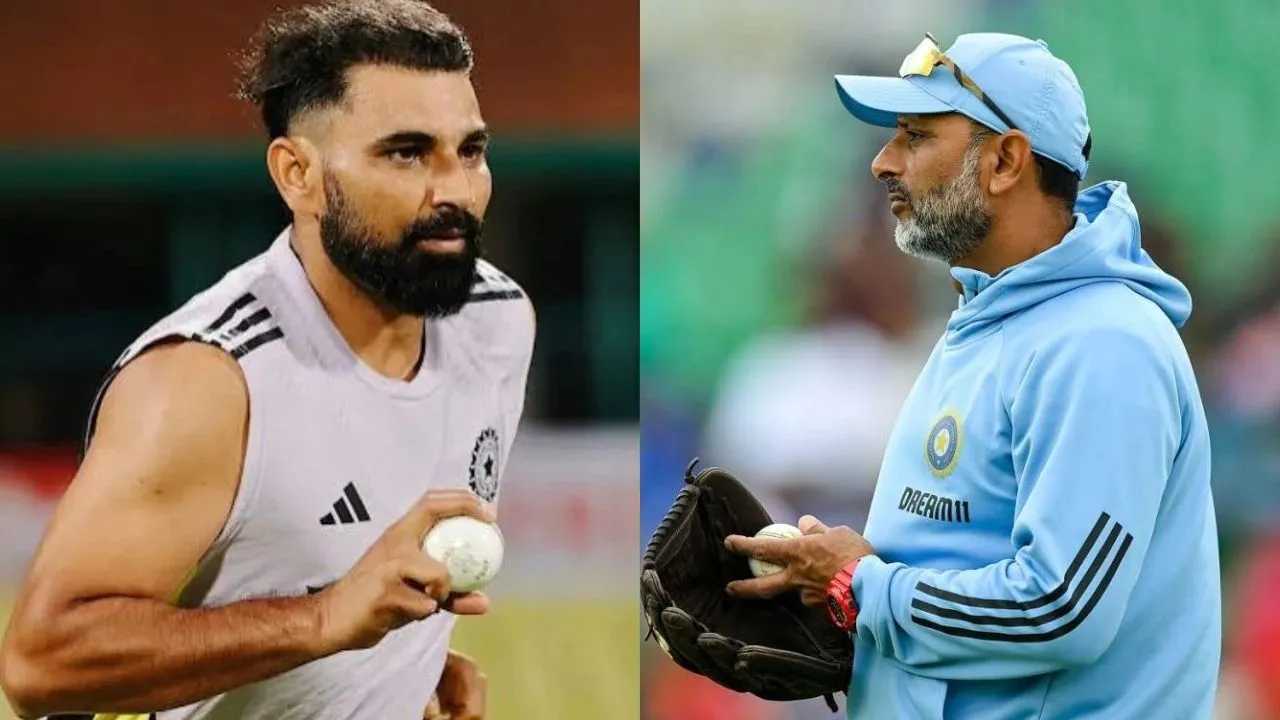
Will Asia Cup trophy fiasco repeat at 2026 Asian Games? Latest update on Mohsin Naqvi
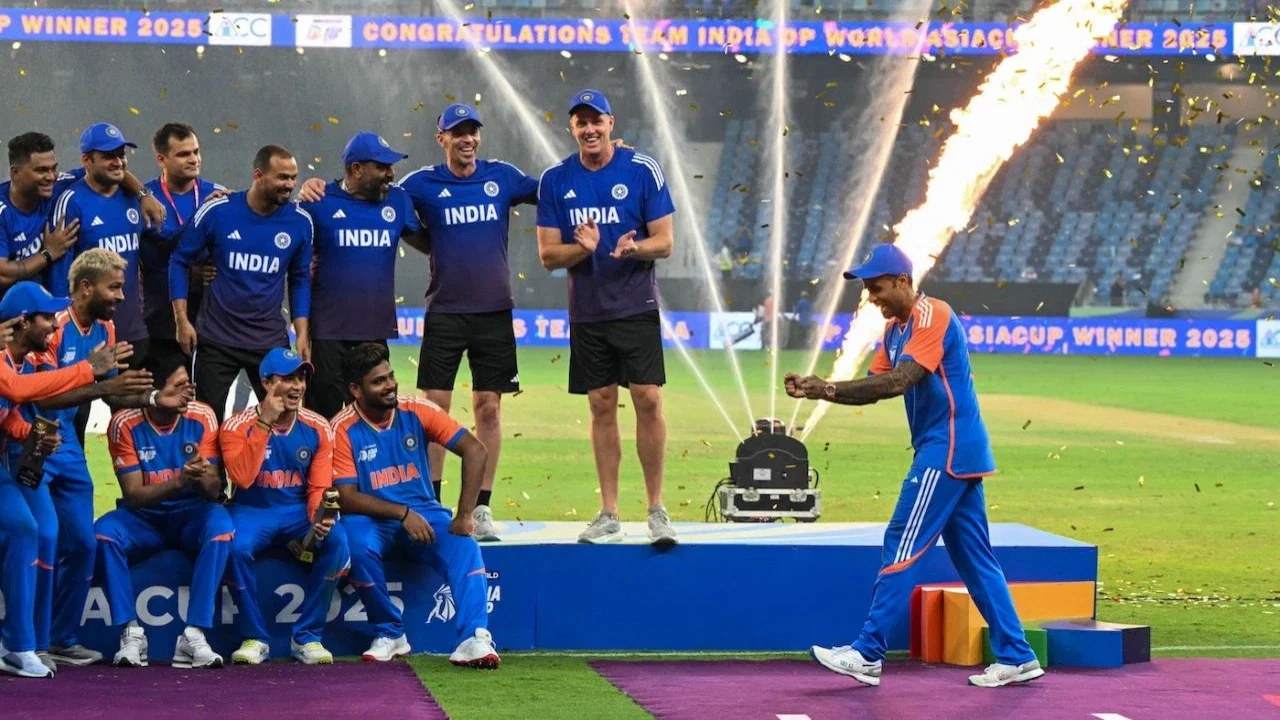
Predicting the Future of Trophy Ceremonies at the 2026 Asian Games: Will Political Tensions Impact Cricket’s Grand Moments?
The upcoming 2026 Asian Games in Japan have already stirred significant anticipation and speculation within the cricketing community. One of the most talked-about aspects is the potential drama surrounding the trophy presentation ceremonies for both men’s and women’s cricket events. As the tournament progresses, questions loom over whether political sensitivities—particularly involving India and Pakistan—could influence who has the honor of awarding the trophies. With both nations fielding competitive teams, the possibility of a diplomatic incident during the medal and trophy ceremonies has become a hot topic among fans, analysts, and officials alike.
The Significance of Trophy Distribution at Major Sporting Events
In any major international sporting competition, the trophy presentation ceremony is more than just a formal act. It symbolizes sportsmanship, unity, and mutual respect among nations. However, in regions fraught with geopolitical tensions, these moments can sometimes take on added significance, becoming de facto diplomatic statements.
For the 2026 Asian Games, the expectation was that the Asian Cricket Council (ACC) and the respective national cricket boards would appoint distinguished figures to present trophies to the winning teams. Historically, such ceremonies are handled by prominent officials or dignitaries, often from the host country or the governing bodies involved. Yet, in this politically sensitive context, the question arises: who will be entrusted with this honor, and will the participating nations accept their presence?
Potential Controversies Surrounding the Trophy Presentation
Speculation has been rife that Mohsin Naqvi, the head of the Asian Cricket Council (ACC) and chief of the Pakistan Cricket Board (PCB), might be tasked with presenting the trophies during the 2026 Asian Games. Naqvi’s dual roles position him as a key figure in Asian cricket, making him a logical choice for such ceremonial duties. However, given the strained relations between India and Pakistan—particularly in the context of international sports—there is considerable doubt about whether he will be allowed to participate in the trophy distribution, especially if Pakistan’s teams emerge as winners.
Sources close to the PCB have expressed skepticism regarding Naqvi’s involvement. A spokesperson for the PCB told Cricbuzz, “I don’t think so,” signaling that the likelihood of Naqvi being present at the podium is minimal. The current political climate seems to have cast a shadow over the traditional protocols, raising doubts about whether officials from Pakistan will be permitted or willing to partake in ceremonial duties in Japan.
Implications for Indian Teams and Diplomatic Tensions
India’s cricket teams—both men’s and women’s—are strong contenders in the ongoing Asian Games. The women’s team, led by Harmanpreet Kaur, is scheduled to face Bangladesh in the semifinals, while the men’s team, captained by Shreyas Iyer, is yet to begin their campaign. The question remains: if India wins either or both categories, will the Indian cricket authorities accept receiving the trophies from a Pakistani official like Naqvi?
In a recent statement to the Times of India, BCCI secretary Devajit Saikia indicated a cautious approach: “The teams have to first reach the podium. We will take a call then, taking into account all prevailing factors at that moment. We will cross the bridge only when we reach it.” This highlights the uncertainty and the delicate balance between sport and diplomacy that surrounds these ceremonies.
The Role of Diplomatic Relations and Political Considerations
Interestingly, the likelihood of a trophy ceremony fiasco similar to what was observed in previous multi-sport events appears less probable in Japan. The strong diplomatic ties between India and Japan serve as a buffer against potential controversies. Both countries share strategic partnerships and have historically avoided politicizing sporting events hosted on mutual soil. For instance, a one-off T20 International match between the Indian and Japanese cricket teams at Sano exemplifies the friendly diplomatic rapport fostered through cricket.
The scheduling of such matches involves coordination not only between cricket boards but also with government authorities, underscoring the importance of diplomatic consensus. The Japan Cricket Association (JCA) and the BCCI have worked collaboratively to organize these events, emphasizing the importance of sports diplomacy in strengthening bilateral relations.
Insights from Cricket Officials and Predictions
Within the cricketing fraternity, there is a consensus that the trophy presentation scene at the 2026 Asian Games will be markedly different from previous editions, primarily due to geopolitical considerations. An official from the Asian Cricket Council remarked, “That is my reading. I think Japan will not allow it. India’s gesture of playing Japan will not go unacknowledged.” This statement suggests that the host nation’s diplomatic stance will influence who is allowed to participate in ceremonial duties, especially if Indian teams are victorious.
Moreover, the prediction among experts is that the scenario where Mohsin Naqvi or other Pakistani officials are absent from the podium will likely be accepted as a diplomatic necessity. The primary goal remains to ensure that the focus stays on celebrating athletic achievement rather than diplomatic disputes.
Broader Context: The Impact on Future International Sports Events
The debate surrounding trophy distribution at the 2026 Asian Games highlights a broader challenge faced by international sporting bodies: balancing the integrity and spirit of sportsmanship with geopolitical realities. As nations become more conscious of the diplomatic implications of such moments, organizers may need to consider alternative arrangements—such as inviting neutral dignitaries or employing virtual ceremonies—to prevent potential conflicts.
Furthermore, the incident underscores the importance of sports diplomacy as a tool for fostering peace and understanding. While political tensions may cast shadows over certain events, the hope remains that athletes and officials can rise above these issues, ensuring that the true spirit of competition prevails.
Conclusion: What Can We Expect from the 2026 Asian Games?
As the 2026 Asian Games approach, the cricketing community and fans worldwide are eager to see how the trophy ceremony unfolds. While predictions lean toward a scenario where political sensitivities influence who hands over the trophies, the overarching message is clear: the focus should be on celebrating athletic excellence and fostering diplomatic goodwill.
The absence of a definitive plan for the trophy presentation indicates that the situation remains fluid, with decisions likely to be made closer to the event. The international sports community will be watching closely to see whether these ceremonies will serve as symbols of unity or become emblematic of ongoing geopolitical tensions.
In any case, the 2026 Asian Games promises to be a landmark event—not only for its sporting achievements but also for its potential to demonstrate how sports can bridge divides and promote peace in a complex world.
Latest News
Top 10 highest run-chases in T20 cricket history, ft. West Indies’ Ranchi win vs India
Aaryavir Sehwag and Anvay Dravid set to make headlines at U19 Asia Cup 2026
Longest ducks in Test cricket history ft. Nic Maddinson, Shoaib Akhtar
ECB to offer 39 central contracts to England players after Ben Stokes, Mark Wood’s retirement
Steve Smith surpasses Steve Waugh in all-time Test run-scorers’ list
Shane Watson identifies Gautam Gambhir’s biggest problem as India struggle for consistency
Is Bhuvneshwar Kumar in India’s 2027 World Cup plans? Ajinkya Rahane makes revelation
BCCI’s big ₹127 Crore move after injury crisis raises concerns over Team India
Parthiv Patel reveals RCB ignored his Jasprit Bumrah recommendation in IPL 2014 Auction
“Never spoke ill of any faith”: Irfan Pathan hits back at fake news using his name
Nic Maddinson bags 33-ball duck on Test comeback, disappoints George Bailey
Imran Tahir predicts 2027 ICC ODI World Cup Semi-Finalists, snubs India for title
Australia create unwanted history with first all-30-plus Test XI
Ravindra Jadeja returns to Ranji Trophy as Saurashtra announce squad