Aakash Chopra names 3 players Vaibhav Sooryavanshi can replace in India XI ahead of New Zealand tour
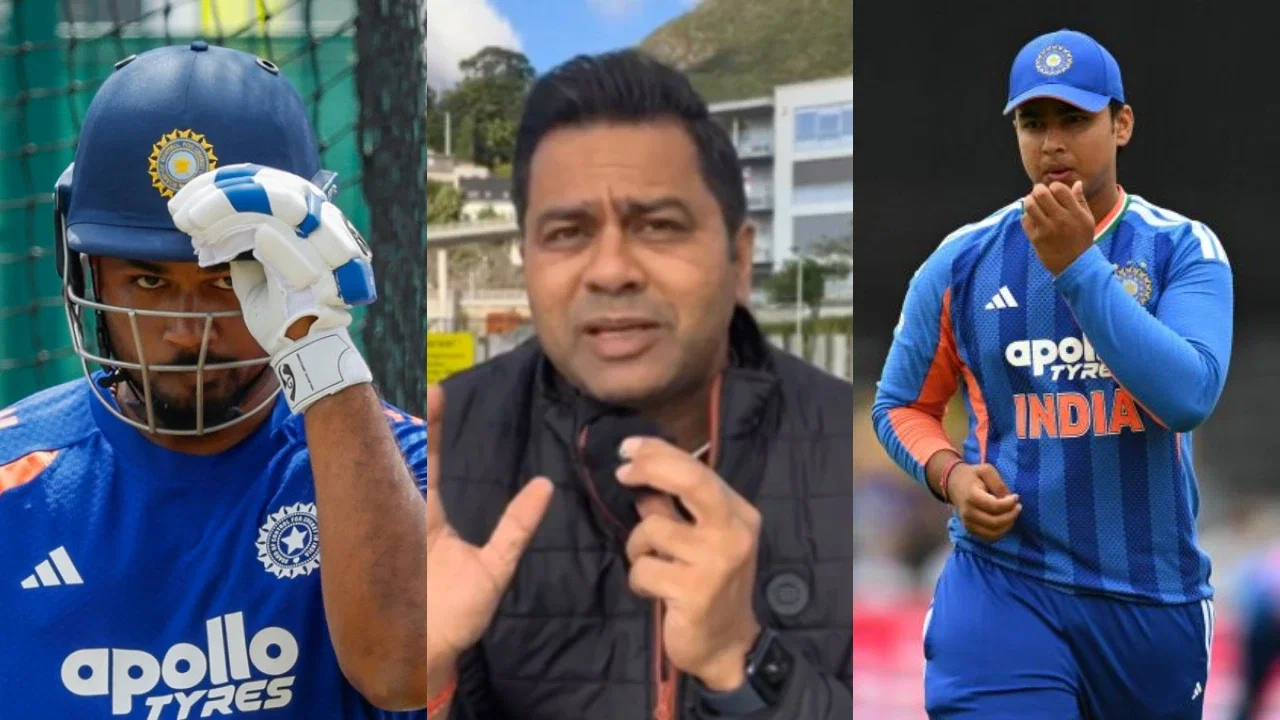
Aakash Chopra Outlines Vaibhav Sooryavanshi’s Route Into India’s T20I XI
India’s selection dilemma is a welcome sign of batting depth—but it could leave one of the country’s most exciting young players waiting for his chance. Teenager Vaibhav Sooryavanshi has struggled to find a place in the playing XI, with several established top-order batters in strong form. Former India batter and commentator Aakash Chopra believes there is a straightforward answer: give Sooryavanshi opportunities through rotation, rather than dropping Tilak Varma to make room.
With Abhishek Sharma, Sanju Samson and Ishan Kishan all competing for top-order positions, India’s team management faces a difficult balancing act. Sooryavanshi’s talent has generated considerable interest, but selection depends not only on potential—it also requires a suitable place in the team. Chopra says that, at present, the teenager’s realistic entry points are the spots occupied by those three batters.
Chopra identifies the positions Sooryavanshi could fill
In a video shared on his YouTube channel, Chopra questioned where Sooryavanshi could fit without disrupting the team’s existing balance. He argued that the young opener could be considered in place of Abhishek, Samson or Kishan, but rejected the idea of removing Tilak to create an opening.
“Vaibhav Sooryavanshi isn’t getting chances because a place isn’t being created for him. In whose place should you play him? To be fair, he can play only in place of Sanju Samson, Abhishek Sharma, or Ishan Kishan,” Chopra said.
The distinction matters because the players do not all perform the same role. Sooryavanshi is an opening batter, while Tilak has increasingly been used in the middle and lower-middle order. Replacing Tilak with an opener could therefore solve one selection problem while creating another: India might gain a place for a promising youngster but lose a batter suited to a different phase of the innings.
Rotation could offer a practical solution
Chopra’s preferred approach is to rotate the four players competing for opportunities. That would allow Sooryavanshi to gain experience without requiring India to make a permanent change to a successful lineup. Rotation could also help the coaching staff assess how each player performs in different conditions and against different opposition.
“When three people are doing well, you can’t get a chance suddenly. I know it is heartbreaking, but there is no other way. No one is agreeing with the method I am suggesting. You can do a rotation. Give chances to all four of them in rotation,” Chopra said.
For a young player, time on the bench can be frustrating, particularly when public attention is focused on his potential. But a carefully managed introduction may be more valuable than an immediate run of games in a role that does not suit him. Rotating players can also help India manage workloads during a packed calendar, although frequent changes need to be planned carefully to preserve continuity at the top of the order.
Sooryavanshi did not feature in the recent five-match T20I series against the West Indies at home. His next opportunity could come during India’s upcoming five-match T20I series in New Zealand, scheduled to begin on October 22. Whether he plays will depend on the team’s selection strategy, the conditions and the form of the current top-order options.
Why Chopra says Tilak Varma should not be the sacrifice
Chopra also pushed back against criticism directed at Tilak, acknowledging that the batter did not make the strongest start at the World Cup but arguing that his later contributions deserve recognition. In Chopra’s view, Tilak has adapted to a more demanding role, contributing in the middle and lower-middle order rather than relying solely on a top-order position.
“The World Cup didn’t start well, but after that, ever since he became a finisher, he has done a good job, whether you see the performances in the Asian Games or not. The fact is that he has been doing really well in the middle order and the lower-middle order. So, I feel shooting arrows at Tilak Varma is not right,” Chopra said.
His defence reflects a broader selection principle: players should be judged in the context of the job they are asked to do. A batter who is moved down the order may have fewer deliveries to face and less time to settle, but can still be crucial in finishing an innings. Removing Tilak simply because an opener is waiting would overlook the value of maintaining a specialist middle-order option.
India’s selection challenge goes beyond one player
The debate is about more than Sooryavanshi’s immediate prospects. India must find a way to balance form, role clarity and long-term development. Abhishek, Samson and Kishan bring established experience and different strengths at the top, while Sooryavanshi represents a potential investment in the future. Tilak, meanwhile, provides flexibility in the middle order.
That combination makes the selection call less straightforward than simply choosing the most exciting name. The team management must decide whether to prioritise a settled XI or use a rotation policy to broaden the group’s experience. A sensible prediction is that India will be cautious about making a permanent change while several senior batters are performing well, but may use the New Zealand series to give Sooryavanshi a chance in selected matches.
If that opportunity arrives, the teenager will have the chance to show how his batting translates to international T20 cricket. If it does not, the challenge will be keeping him prepared and confident until a natural opening appears. Chopra’s proposal offers one possible middle ground: reward the young batter with game time, protect the team’s balance and avoid unfairly making Tilak Varma the casualty of an increasingly crowded batting lineup.
Latest News
Naveen-ul-Haq opens up on Gautam Gambhir’s advice during shoulder injury recovery
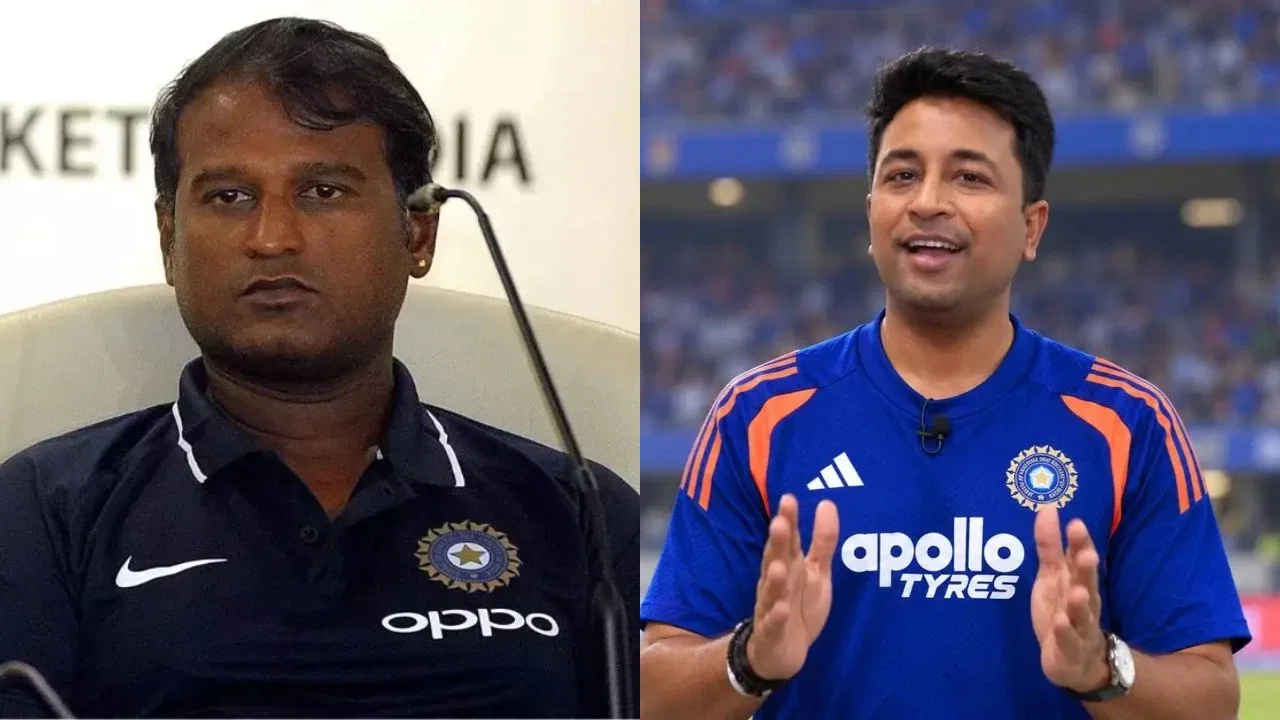
Ramesh Powar joins BCCI selection committee, Pragyan Ojha named chief selector
Mohammad Kaif slams treatment of Bhuvneshwar Kumar, compares him with Jasprit Bumrah
Aakash Chopra names 3 players Vaibhav Sooryavanshi can replace in India XI ahead of New Zealand tour
Sarfaraz Khan and Rajat Patidar dominate Ranji Trophy with stunning centuries
Justin Langer links Steve Smith, David Warner’s ball-tampering ban to decline of reverse swing in cricket
Jasprit Bumrah gets special treatment, Mohammed Shami gets snubbed? Mohammad Kaif demands explanation
MS Dhoni’s naughty move with Sakshi at Ambani family’s Navratri Mela goes viral
Chinmay Sutar joins Bhausaheb Nimbalkar in elite Ranji Trophy 400 club
PAK vs ENG Playing 11 Today, Live Streaming, Pitch & Weather: Pakistan vs England 2nd ODI, Tri-Series 2026
Lahore Qalandars owner keen to join BPL after discussions with Tamim Iqbal
Ravi Shastri wants Jasprit Bumrah to give up on one format until 2027 World Cup
Niki Prasad creates world record with two wickets in first 2 T20I balls
Watch: Gary Kirsten visibly furious after Dasun Shanaka’s dismissal against Pakistan, video viral