Ramesh Powar joins BCCI selection committee, Pragyan Ojha named chief selector
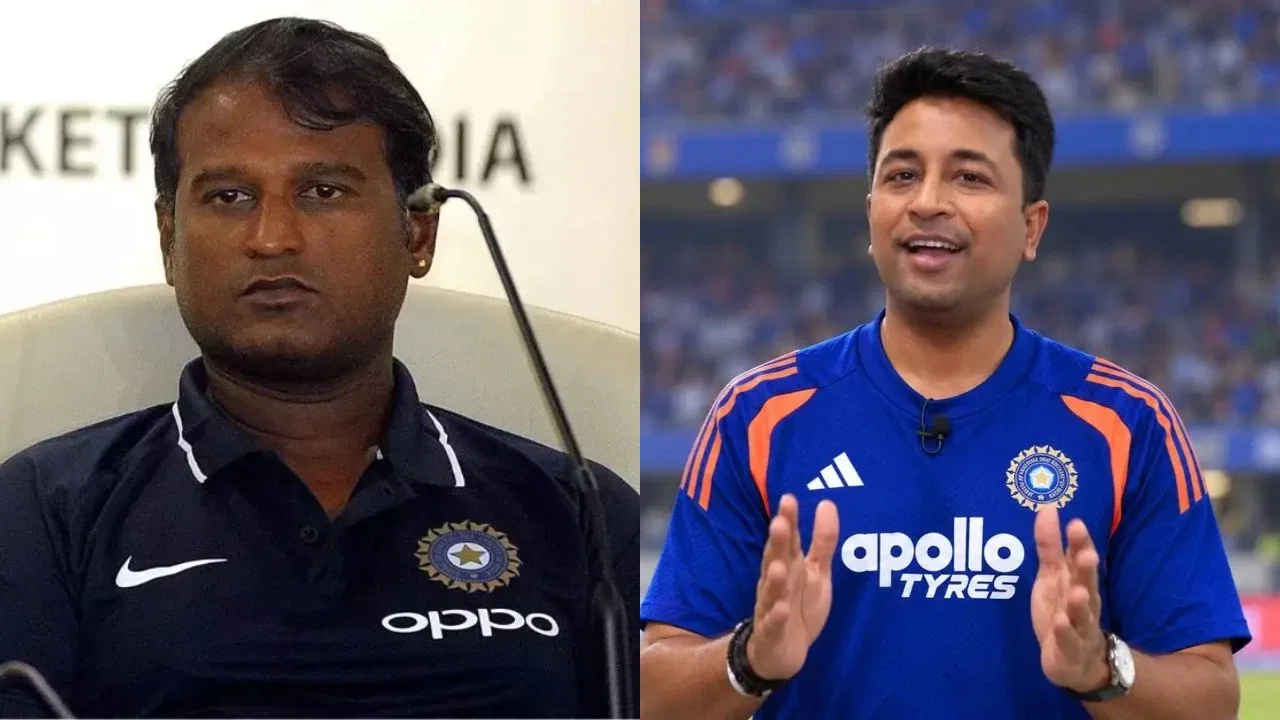
BCCI Appoints Pragyan Ojha as Chief Selector, Names Ramesh Powar to Men’s Selection Committee
The Board of Control for Cricket in India (BCCI) has confirmed two significant changes to the India men’s selection panel, appointing former spinner Pragyan Ojha as its chairperson and former India international Ramesh Powar as the West Zone representative. The announcement, made on October 19, 2026, fills vacancies created after Ajit Agarkar completed his term as chief selector earlier in the month.
Ojha had been serving as interim chairperson following Agarkar’s departure. The BCCI has now made his appointment permanent, citing seniority—measured by the number of Test matches played—as the basis for choosing the committee’s chair. Powar, meanwhile, was selected unanimously by the Cricket Advisory Committee (CAC) to join the five-member panel.
Pragyan Ojha takes charge of the selection panel
In its announcement, the BCCI said that Ojha would chair the committee because he has played more Tests than the other members. The decision gives the former left-arm spinner responsibility for guiding discussions on India’s squad selections, player development and long-term team planning.
Ojha represented India internationally between 2008 and 2013 and built a reputation for accuracy, flight and control. He played 24 Test matches, taking 113 wickets at an average of 30.27. His Test record includes seven five-wicket hauls and a match haul of ten wickets. He also claimed 21 wickets in 18 one-day internationals and ten wickets in six T20 internationals.
At franchise level, Ojha took 89 wickets in 92 Indian Premier League appearances. His experience across formats gives him a perspective on the different demands facing players, from the sustained discipline required in Test cricket to the tactical adjustments needed in limited-overs matches.
Ojha’s appointment comes at a time when selection decisions are closely scrutinised by supporters and analysts. The chief selector must weigh recent performances against consistency, fitness, role balance and the needs of India’s schedule. That makes the role more than a matter of choosing a starting XI: it involves building depth, identifying emerging talent and preparing the team for major tournaments.
Ramesh Powar joins as West Zone selector
Powar’s appointment adds another former international cricketer to the committee. He represented India in two Test matches and 31 ODIs during his playing career. The CAC reportedly reached a unanimous decision to select him for the West Zone position, bringing his experience as both a player and coach into the panel’s deliberations.
After retiring from international cricket, Powar moved into coaching and held roles with the India women’s team, Mumbai and Gujarat. He also worked as a bowling coach at the BCCI Centre of Excellence, where coaches and support staff help develop players across the national cricket system.
His work with the India women’s team included a period in which the side won the Asia Cup and earned a silver medal at the Commonwealth Games. Those experiences may prove valuable as the men’s committee considers how to assess players’ readiness, manage workloads and build a strong pool of options across different roles.
For the selection panel, Powar’s coaching background could provide useful insight into the technical and preparation aspects of the game. Selectors regularly need to consider not only a player’s statistics but also how well that player fits a particular role, responds to pressure and contributes to the team’s balance.
Agarkar’s tenure marked by major trophies
The BCCI also placed on record its appreciation for Agarkar, thanking him for his commitment, conviction and contribution as chairman. He was appointed in July 2023 and led the selection committee through a successful period for Indian cricket, according to the board’s statement.
During his tenure, India won three International Cricket Council trophies, two Asia Cup titles and back-to-back gold medals at the Asian Games. The BCCI highlighted those achievements while acknowledging his work at the head of the selection panel.
Agarkar’s exit leaves a committee that must continue balancing immediate results with long-term planning. India’s international calendar places constant demands on players, while competition for places remains intense across formats. The new leadership will therefore face questions about squad continuity, opportunities for younger players and the management of experienced stars.
What the appointments could mean for India
Selectors have a central role in shaping a team’s direction, but their choices are influenced by a wide range of factors. Form is important, yet so are fitness, conditions, team combinations and the availability of players. A batter may be competing for a specific position, while a bowler may be assessed according to the balance between pace, spin and all-round options.
With Ojha taking the chair and Powar joining the panel, the committee brings together international playing experience and coaching knowledge. Their work will be judged not only by individual selections but also by whether India maintains depth across formats and prepares effectively for major events. Any prediction about the team’s future direction will depend on the players available, their performances and the challenges on the upcoming schedule.
The BCCI’s announcement also confirms the full composition of the men’s selection committee: Pragyan Ojha (chairperson), Shiv Sundar Das, RP Singh, Ajay Ratra and Ramesh Powar. The panel now has its complete five-member line-up as it begins the next phase of India’s selection planning.
For fans, the appointments signal a transition rather than a complete reset. Ojha inherits a committee shaped by recent success, while Powar arrives with experience from both the international game and coaching. Their decisions in the months ahead will help determine how India combines proven performers with new talent—and how effectively the national side prepares for the demands of modern cricket.
Latest News
Naveen-ul-Haq opens up on Gautam Gambhir’s advice during shoulder injury recovery
Ramesh Powar joins BCCI selection committee, Pragyan Ojha named chief selector
Mohammad Kaif slams treatment of Bhuvneshwar Kumar, compares him with Jasprit Bumrah
Aakash Chopra names 3 players Vaibhav Sooryavanshi can replace in India XI ahead of New Zealand tour
Sarfaraz Khan and Rajat Patidar dominate Ranji Trophy with stunning centuries
Justin Langer links Steve Smith, David Warner’s ball-tampering ban to decline of reverse swing in cricket
Jasprit Bumrah gets special treatment, Mohammed Shami gets snubbed? Mohammad Kaif demands explanation
MS Dhoni’s naughty move with Sakshi at Ambani family’s Navratri Mela goes viral
Chinmay Sutar joins Bhausaheb Nimbalkar in elite Ranji Trophy 400 club
PAK vs ENG Playing 11 Today, Live Streaming, Pitch & Weather: Pakistan vs England 2nd ODI, Tri-Series 2026
Lahore Qalandars owner keen to join BPL after discussions with Tamim Iqbal
Ravi Shastri wants Jasprit Bumrah to give up on one format until 2027 World Cup
Niki Prasad creates world record with two wickets in first 2 T20I balls
Watch: Gary Kirsten visibly furious after Dasun Shanaka’s dismissal against Pakistan, video viral