Australian Cricketers’ Association breaks silence on Usman Khawaja’s Sandpapergate claims
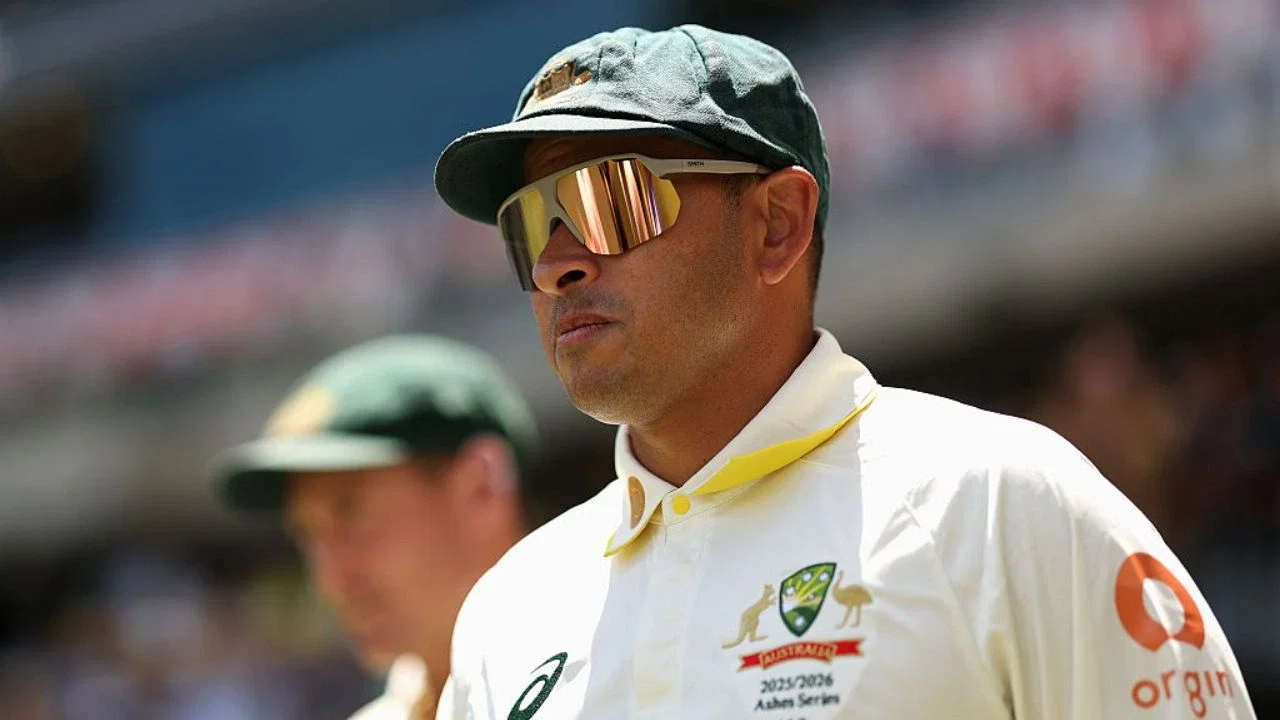
ACA Calls for Calm After Usman Khawaja Reopens Sandpaper Gate Debate
The Sandpaper Gate scandal has returned to the spotlight after former Australia opener Usman Khawaja revisited the events of the 2018 South African tour. His comments have prompted fresh debate among current and former players, while the Australian Cricketers’ Association (ACA) has urged people to consider the human cost of the controversy and end the personal attacks directed at those involved.
In a statement, ACA chief executive Paul Marsh said Steve Smith, David Warner and Cameron Bancroft had already paid a significant professional and personal price. He also stressed that players and staff should be able to share their own memories of a difficult period, even when those accounts differ.
The response comes as attention grows around Khawaja’s forthcoming autobiography, Sabr. The former opener has said the knowledge of the ball-tampering plan was not limited to the three players who received bans, suggesting that others within the team and coaching group were aware of what was happening. His account has revived questions about responsibility, team culture and how the scandal was handled.
Paul Marsh: Players “Paid an Enormous Price”
Marsh described the 2018 tour as a low point for Australian cricket. He said Smith, Warner and Bancroft had faced penalties that were severe compared with previous precedents in the sport, echoing the ACA’s position at the time.
“The events of the 2018 South African tour were a low point for Australian cricket,” Marsh said in a statement shared by the ACA. “Steve Smith, David Warner and Cameron Bancroft paid an enormous price for what happened.”
Marsh acknowledged that, eight years later, people involved in the episode may remember it differently. That is not unusual in a high-pressure team environment, where individuals can experience the same events from very different positions. He said players and staff should be allowed to speak about their experiences, while recognising that others may prefer to move on.
The ACA’s message was not an endorsement of any one version of events. Instead, it focused on the right of members to tell their stories and on the need to avoid turning a renewed discussion into another round of abuse.
ACA Urges an End to Personal Attacks
Marsh said there were “no winners” in the latest dispute and that nothing said now could reverse what happened in South Africa. He called for the ongoing vitriol aimed at people connected to the scandal to stop, noting that the consequences had already been substantial.
“There are humans in the centre of this,” Marsh said, adding that the professional and personal costs had been “too great.” The ACA, he explained, had contacted players who were part of the tour and offered support. That assistance, he said, extends to all association members and their families.
The organisation also made clear that it would not rule on individual accounts. Its role, according to Marsh, is to support its members rather than determine which recollection of the episode should be accepted as definitive.
What Happened in the 2018 Sandpaper Gate Scandal?
During Australia’s 2018 Test tour of South Africa, television footage showed Bancroft using sandpaper on the ball. The incident became known as Sandpaper Gate and triggered a major investigation into ball tampering and the team’s conduct.
Smith, then Australia’s captain, later acknowledged that a plan to alter the ball’s condition had been discussed within the leadership group. Warner was also found to have played a central role, while Bancroft carried out the act on the field. Cricket Australia imposed 12-month suspensions on Smith and Warner and a nine-month ban on Bancroft. Smith and Warner were also removed from their leadership positions.
The sanctions were among the most consequential disciplinary actions in modern Australian cricket. They affected careers, leadership roles and public reputations, and the episode prompted Cricket Australia to review the team’s culture and standards. The scandal also became a defining test of accountability for a side that had long been associated with an aggressive competitive identity.
Khawaja’s Account Rekindles Questions About Team Knowledge
Khawaja was part of the Australian squad on the South African tour. In discussing his forthcoming book, he has challenged the idea that awareness of the ball-tampering plan was confined to the three players who were punished. His comments have reopened a difficult question: how widely was the plan understood, and what did others know at the time?
That distinction matters. There is a difference between knowing that a plan has been discussed, knowing exactly what will happen on the field, and participating in the act itself. Public accounts of the scandal have often focused on the three players who received bans, but Khawaja’s remarks have brought broader team dynamics back into the conversation.
Any new claims would need to be considered alongside the findings and statements made at the time. A fresh account can add personal context, but it does not automatically settle disputed details. That is one reason the latest comments have prompted sharply different reactions from former and current players.
Why the Sandpaper Gate Debate Still Matters
The renewed discussion is more than a dispute over old events. It touches on how teams share responsibility, how leaders respond to misconduct and whether sporting organisations apply discipline consistently. It also raises questions about the long-term effects of public scrutiny on athletes and their families.
For supporters following the latest Sandpaper Gate news, the key issue is not simply which player has spoken most recently. It is how the sport can acknowledge the seriousness of the incident while allowing those involved to describe their experiences without harassment. The ACA’s statement reflects that balance: it recognises the damage caused by the scandal and the punishment imposed, while asking for restraint as new perspectives emerge.
With Khawaja’s autobiography expected to provide more detail, further discussion is likely. Any prediction about whether the book will lead to a formal review remains uncertain. Marsh’s position, however, is clear: the ACA will support its members, will not adjudicate individual accounts, and wants the personal attacks to end. The scandal may remain part of Australian cricket’s history, but how it is discussed now will shape whether the conversation moves toward understanding or simply repeats the divisions of 2018.
Latest News

Top 10 biggest trade and transfer deals in IPL history, Hardik Pandya-Arshdeep Singh swap at No.3

Rohit Sharma goes MISSING in Hamilton amid IND vs NZ ODI series, here’s what happened next

IPL 2027: Ruturaj Gaikwad to remain CSK captain, Noor Ahmad set to stay

Michael Clarke calls out Pat Cummins over Usman Khawaja’s Sandpapergate revelations, seeks fresh probe

No Yashasvi Jaiswal to LSG as franchise finalizes core squad ahead of IPL 2027 auction
Australian Cricketers’ Association breaks silence on Usman Khawaja’s Sandpapergate claims

“IPL has earned the right to influence the calendar – KKR Co-owner Juhi Chawla proposes new window

Marnus Labuschagne reveals Test comeback plan after Australia axing
Usman Khawaja set to join Sky Sports’ broadcast team for next Ashes series

Mitchell Starc reacts to Usman Khawaja’s Sandpapergate revelations
Vaibhav Sooryavanshi accused of influencing Bihar T20 team selection ahead of SMAT 2026

IPL set for expansion to 12 teams in 2028, Pune and Vadodara among likely destinations
Arshdeep Singh’s father confirms Mumbai Indians move ahead of IPL announcement
Zimbabwe become first team in Test history to score 500-plus in both innings, Zia-ur-Rehman records unwanted feat