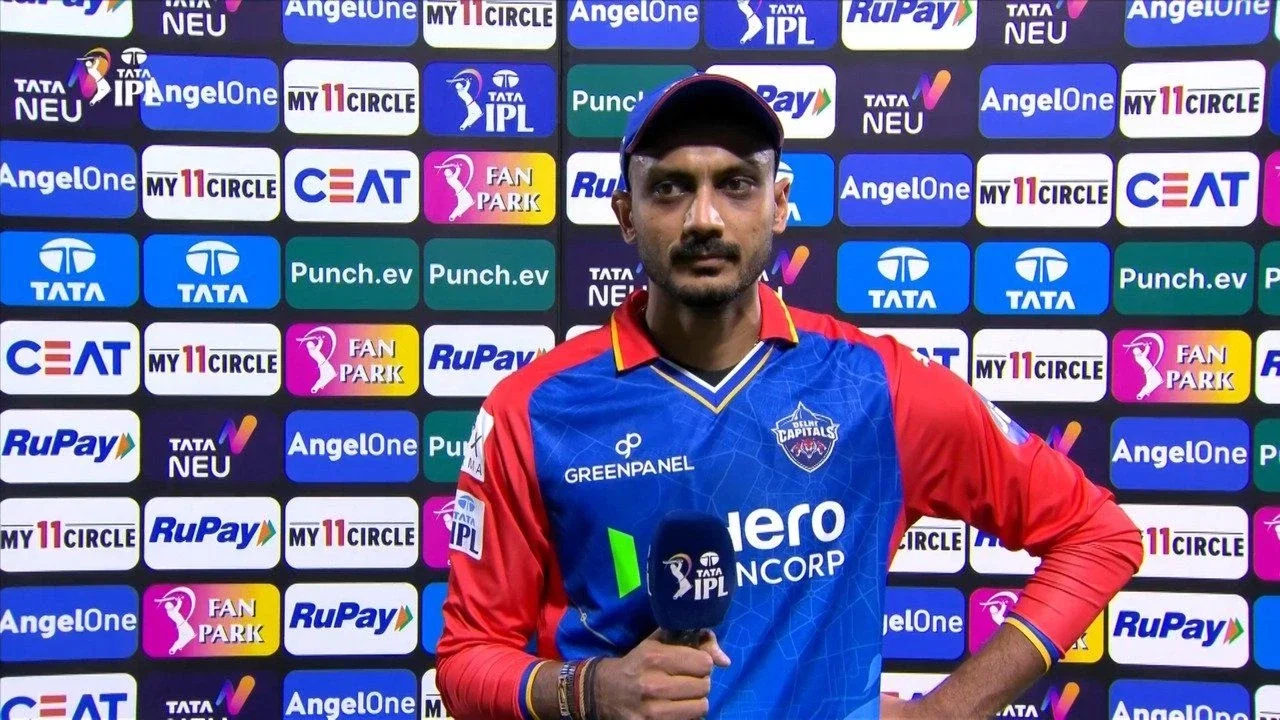
“IPL has earned the right to influence the calendar – KKR Co-owner Juhi Chawla proposes new window

Juhi Chawla Calls for IPL to Move to January, Sparking Debate Over Cricket’s Calendar
Kolkata Knight Riders co-owner Juhi Chawla has suggested that the Indian Premier League could move from its traditional March-to-May window to January, arguing that the tournament has become influential enough to help shape the international cricket calendar. Her proposal has reopened a wider debate about player availability, extreme playing conditions and the IPL’s growing role in the global game.
Chawla shared her view on X on Monday, November 9, saying the league should no longer be expected to simply fit around the existing calendar. She also questioned whether matches should continue to be played during the hottest part of the year, when high temperatures can affect players, spectators and match-day operations.
“The IPL no longer needs to find its place in the cricket calendar. It has earned the right to influence it,” Chawla wrote. She proposed January as a possible alternative, describing cooler conditions as a way to improve the quality of cricket and the experience for fans.
Why January is part of the IPL prediction debate
The IPL has traditionally been staged between March and May, a period that gives the competition a prominent place in India’s sporting calendar. The schedule has been altered in exceptional circumstances, including during the Covid-affected 2020 and 2021 seasons. However, the Board of Control for Cricket in India (BCCI) has not announced plans to shift the tournament to January.
Chawla’s suggestion is therefore a proposal rather than a confirmed scheduling change. Any prediction about a January IPL season must account for the practical challenges involved, including international fixtures, players’ commitments to national teams, travel demands, venue access and existing broadcast arrangements.
Weather is one of the clearest arguments in favour of reconsidering the current window. Temperatures can climb sharply across several IPL host cities in April and May. Cooler evenings could make conditions more comfortable for players and supporters, while potentially reducing heat-related risks during training and matches. A different season could also affect pitch behaviour, however, meaning that the nature of the contest might change from venue to venue.
Lalit Modi backs Chawla’s calendar proposal
Former IPL chairman Lalit Modi supported Chawla’s comments, arguing that the BCCI should have the authority to choose when its domestic tournament is played. Modi said the IPL does not need permission from the International Cricket Council to occupy a particular part of the year, while acknowledging that international commitments and player releases would still need to be managed.
Modi was expelled from the IPL and the BCCI after being found to have committed serious misconduct and indiscipline. His comments nevertheless add to a discussion about the balance of influence between major domestic competitions and international cricket.
In his post, Modi described the IPL as a tournament that has already established its position in the sport. He argued that the league’s scale and commercial importance mean that cricket authorities should work constructively with it when planning the wider calendar. That view reflects the IPL’s status as one of cricket’s most prominent competitions, attracting leading players, large audiences and substantial broadcast interest.
January or an October-to-April window?
January is not the only alternative Modi has raised. He has also suggested considering a carefully planned October-to-April window, a much broader option that could provide more room for scheduling but would bring its own complications. Both ideas would require extensive coordination with international tours, domestic competitions and other franchise leagues.
A January start could overlap with bilateral cricket and other established events in different countries. It could also be difficult for players who are required to represent their national sides during that period. The BCCI would need to work with cricket boards and franchises to determine whether overseas players could be released for the full tournament or only for part of it.
There are also commercial considerations. Broadcasters, sponsors, teams and venue operators plan their commitments well in advance. Shifting the IPL could affect competing sports coverage, advertising schedules and stadium availability. A change would therefore require more than identifying a cooler month; it would involve a detailed review of the league’s business and operational arrangements.
What a calendar change could mean for players and fans
For players, a January IPL could offer a different balance of conditions and workload. Cooler weather may make long match days more manageable, but the timing could add pressure to an already crowded international schedule. Cricket boards would need to weigh the value of national-team commitments against the opportunity for players to take part in the lucrative franchise competition.
For supporters, the potential benefits could include more comfortable stadium visits and a different rhythm to the season. But a new window might also clash with school, work or holiday schedules in some markets. The league’s established March-to-May slot is familiar to viewers and commercial partners, so a move would need to offer clear advantages to justify the disruption.
The quality of cricket would remain central to any decision. Better playing conditions could help players perform at their best, but temperature alone does not determine the standard of a tournament. Pitch preparation, travel, recovery time and the availability of top players would all influence the overall product.
No official BCCI decision announced
For now, there is no indication that the BCCI has approved a move or begun a formal process to change the IPL calendar. Chawla’s comments and Modi’s support have instead brought attention to a question that may become more important as the league continues to expand: should the IPL adapt to the global cricket schedule, or should the schedule increasingly adapt to the IPL?
The most realistic prediction is that any change would require long-term planning rather than a sudden switch. The BCCI would need to consult international boards, franchises, broadcasters, players and venue authorities before choosing a new window. Whether January—or another period—can meet those competing needs remains uncertain.
Chawla’s proposal has nevertheless highlighted the scale of the IPL’s evolution. What began as a domestic T20 competition is now a major sporting and commercial event with influence across the cricket ecosystem. The debate over its timing is ultimately about more than avoiding summer heat: it is about how the sport can balance player welfare, international cricket and the demands of its most powerful leagues.
Latest News
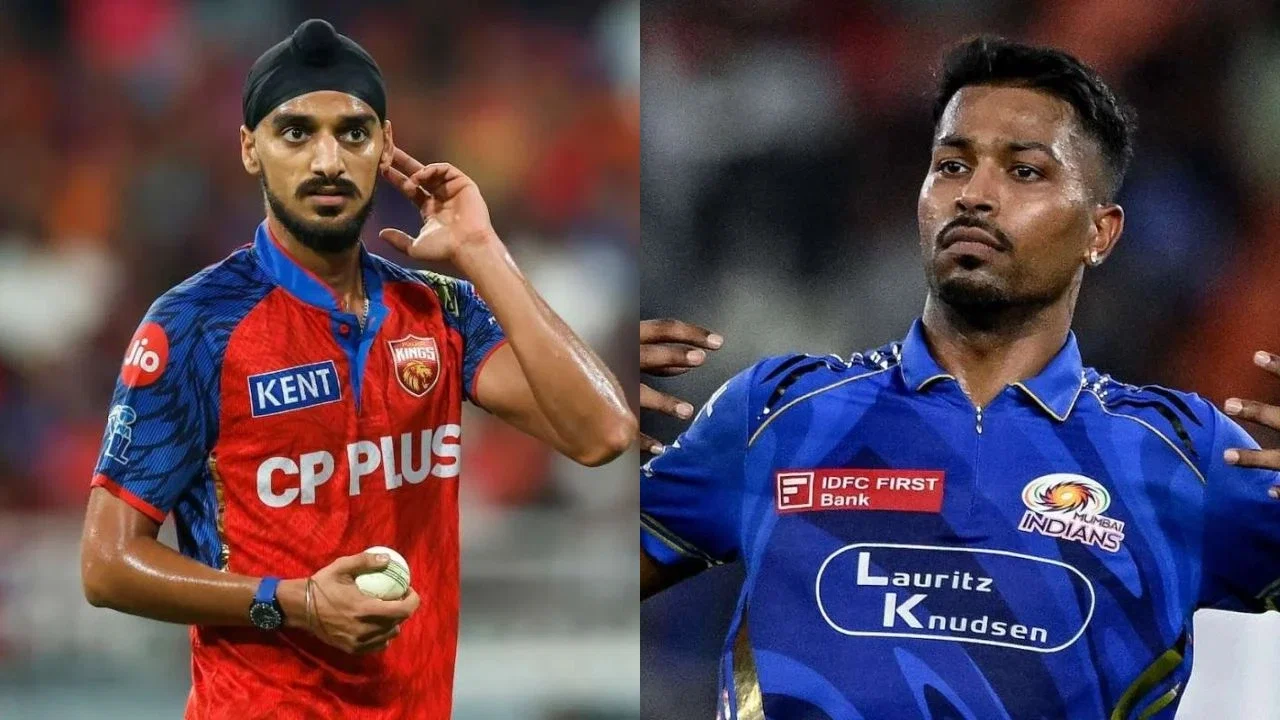
Top 10 biggest trade and transfer deals in IPL history, Hardik Pandya-Arshdeep Singh swap at No.3

Rohit Sharma goes MISSING in Hamilton amid IND vs NZ ODI series, here’s what happened next

IPL 2027: Ruturaj Gaikwad to remain CSK captain, Noor Ahmad set to stay

Michael Clarke calls out Pat Cummins over Usman Khawaja’s Sandpapergate revelations, seeks fresh probe

No Yashasvi Jaiswal to LSG as franchise finalizes core squad ahead of IPL 2027 auction
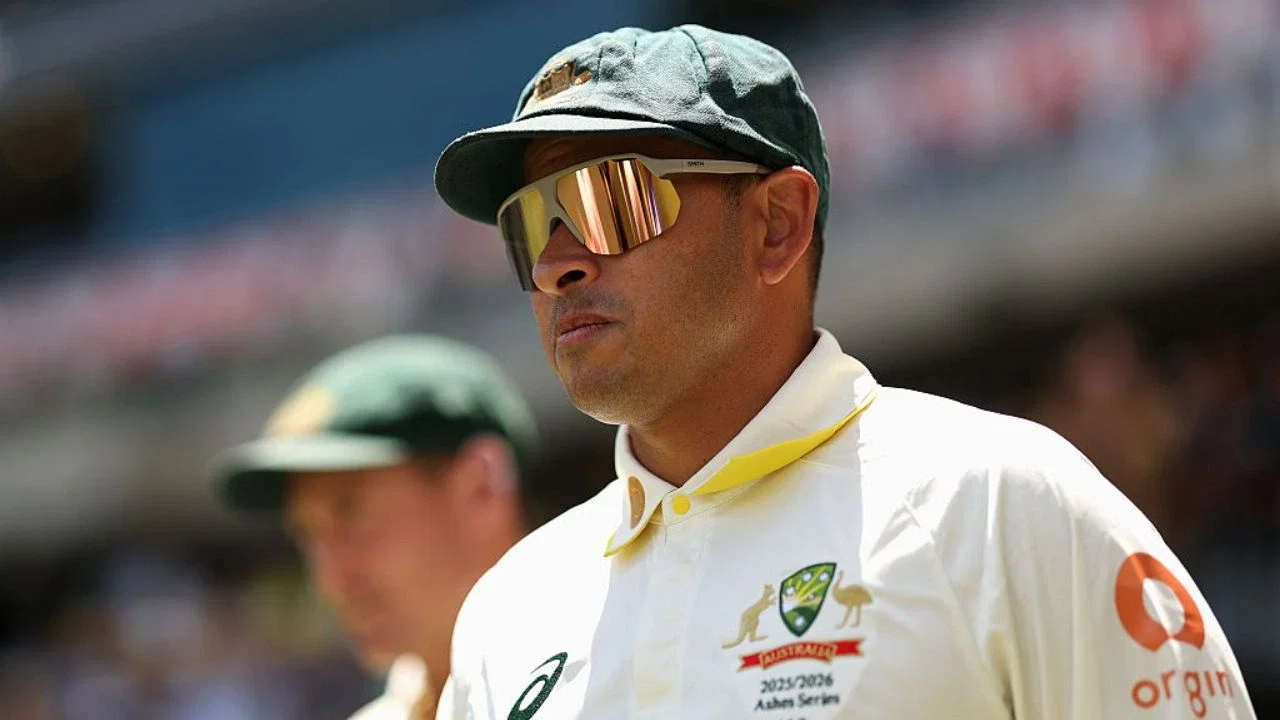
Australian Cricketers’ Association breaks silence on Usman Khawaja’s Sandpapergate claims
“IPL has earned the right to influence the calendar – KKR Co-owner Juhi Chawla proposes new window

Marnus Labuschagne reveals Test comeback plan after Australia axing
Usman Khawaja set to join Sky Sports’ broadcast team for next Ashes series

Mitchell Starc reacts to Usman Khawaja’s Sandpapergate revelations
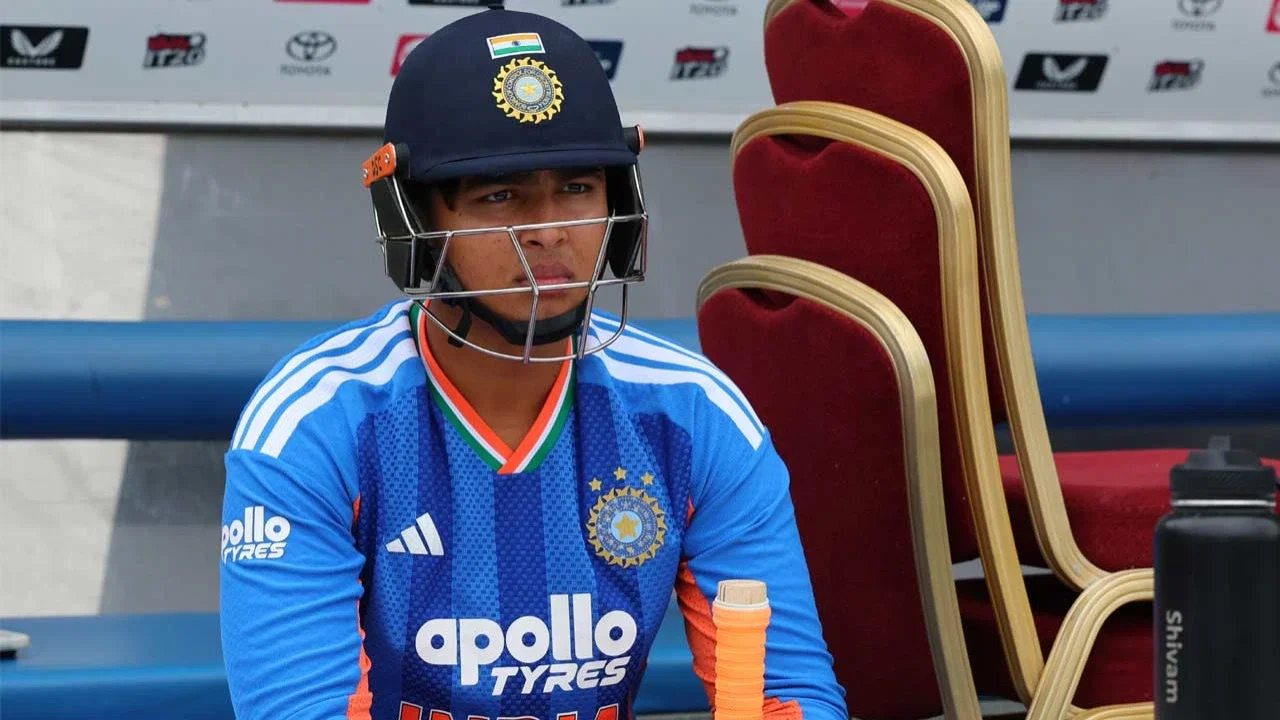
Vaibhav Sooryavanshi accused of influencing Bihar T20 team selection ahead of SMAT 2026

IPL set for expansion to 12 teams in 2028, Pune and Vadodara among likely destinations
Arshdeep Singh’s father confirms Mumbai Indians move ahead of IPL announcement
Zimbabwe become first team in Test history to score 500-plus in both innings, Zia-ur-Rehman records unwanted feat