Marnus Labuschagne reveals Test comeback plan after Australia axing
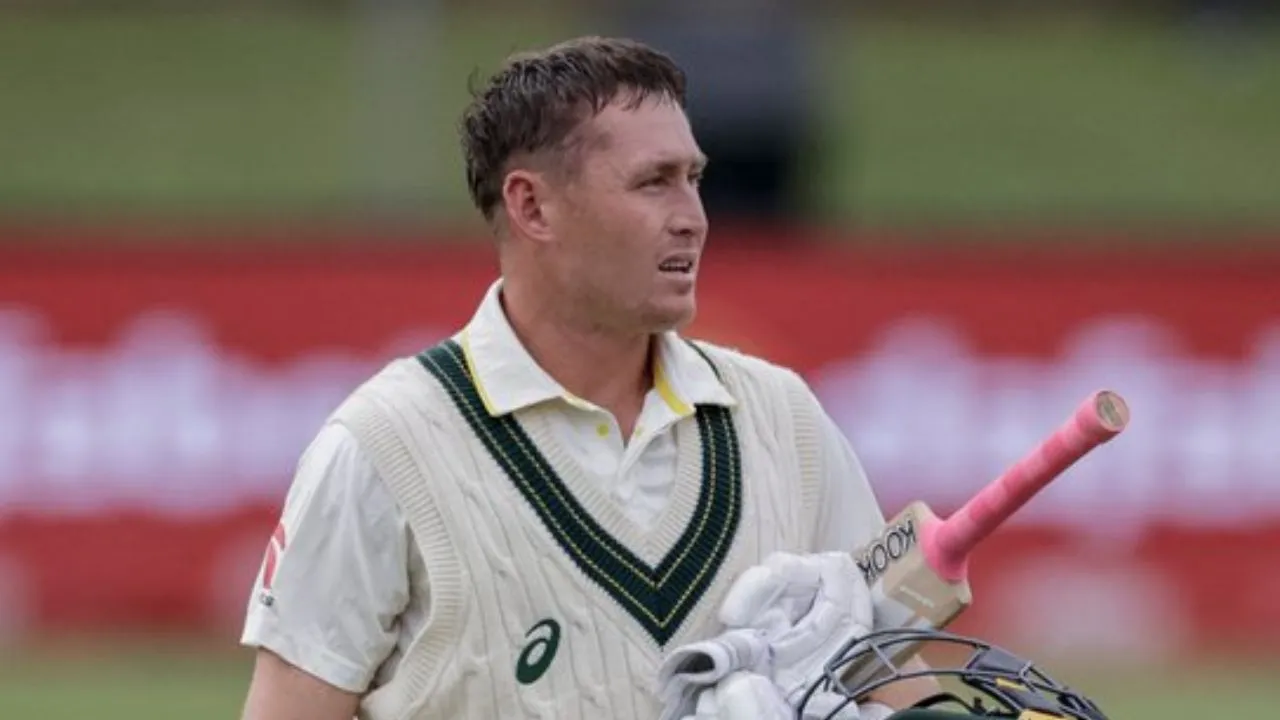
Marnus Labuschagne dropped from Australia’s Test plans as he looks to rebuild with Queensland
Marnus Labuschagne has been left out of Australia’s plans for the upcoming Test series against New Zealand, giving the experienced batter a chance to return to domestic cricket and work his way back into contention. Rather than focus on his place in the national side, Labuschagne says his immediate priority is helping Queensland win in the Sheffield Shield.
The omission marks another challenging point in the right-hander’s international career. Labuschagne has gone 49 Test innings without a century, and his run drought has prompted selectors to consider alternatives for Australia’s batting order. The decision also creates an opening at No. 3, a position he has occupied for much of his time in the Test team.
Australia makes a change after a prolonged lean run
Chief selector George Bailey confirmed on Monday that Labuschagne would not be included in Australia’s plans for the New Zealand series. It is the second time in 17 months that the batter has been dropped from the Test side, underlining how sharply his circumstances have changed since his most productive years.
Labuschagne’s most recent Test century came against England at Old Trafford in July 2023. Before his form dipped, he had established himself as one of the world’s leading Test batters. Between November 2019 and December 2022, he scored 10 centuries in 36 innings and rose to the top of the ICC Test batting rankings.
The contrast is reflected in his career numbers. After 30 Tests, Labuschagne’s average stood at 60.82. Across 68 appearances, it has since fallen to 42.64. Those figures do not erase his earlier achievements, but they help explain why selectors have chosen to give another batter an opportunity while Labuschagne returns to domestic competition.
For Australia, the decision is both a response to current form and a chance to assess the depth of its batting options. A change at No. 3 could involve bringing in a specialist batter or reshuffling the existing order. Either way, the selection debate will be closely watched as the team prepares for a demanding series.
Labuschagne turns his attention to Queensland
Speaking ahead of Queensland’s Sheffield Shield match against Tasmania at the Gabba, Labuschagne said the move back to state cricket could help him step away from the scrutiny that has followed his recent performances. He acknowledged the pressure of being under review but said his focus was now on contributing in every role available to him.
“You’re pretty aware as a cricketer … you use this as an opportunity to step back from the scrutiny, and being under the pump for probably two years now,” Labuschagne told reporters.
He added that his aim was to enjoy playing for Queensland, score runs and help the side win matches. Labuschagne remains confident that strong performances could lead to another Australia opportunity, although he said there was no way to predict when that might happen.
“I’ve done it before, and I’ve got no doubt I will be back there. When? Who knows, but that’s the aspiration and desire,” he said. “Right now, my feet are firmly fixed here with Queensland and doing whatever I can as a captain, batter, in the field and with the ball to help us win games.”
The approach offers a practical route back: regular time in the middle, runs in the Sheffield Shield and a chance to show selectors that he can again turn starts into substantial scores. For Labuschagne, the immediate challenge is not simply making runs, but finding the calm and decision-making that once made him so difficult to dismiss.
Who could replace Labuschagne at No. 3?
Several players may come into consideration as Australia weighs its options. Queensland teammate Jack Clayton has impressed with recent Shield performances, while Sam Konstas and Kurtis Patterson have also been mentioned as possible candidates. The selectors could alternatively move an established member of the batting order into the vacant position.
Labuschagne was careful to leave the final call to the selection panel. He said there were capable batters around the country and noted that Australia also had internal options if it chose to rearrange the order. His comments suggest the competition will be decided by form, team balance and the role selectors want the next batter to fill—not by one candidate alone.
He also expressed support for Clayton, describing him as a talented player and a “really good kid.” Labuschagne said he understood the attention that can come with being considered for a national role and wanted to help his teammate manage that experience if an opportunity arose.
That perspective reflects the dual position Labuschagne now occupies: he is a player trying to reclaim his own place, but also a senior figure within Queensland who can help prepare a potential replacement. How he handles that transition may matter as much to his state team as his batting form.
Finding clarity after a difficult stretch
Labuschagne believes his recent innings have included signs that he can still contribute. He pointed to a run of scores above 30, while recognising that he has not consistently converted those starts into the bigger totals expected of a top-order Test batter.
“Getting seven scores above 30 in 10–11 innings is not someone who’s not batting well,” he said, adding that mistakes while set may have been influenced by the pressure of needing to keep scoring and protect his place.
His next task is to return to the basics: assess the match situation, judge what the team needs and build an innings accordingly. That focus could help him avoid chasing runs too aggressively and restore the patience that defined his best Test performances.
What Labuschagne’s omission means for Australia
Australia’s decision signals that reputation alone will not guarantee a place in the Test side, even for a batter with Labuschagne’s record. At the same time, his omission is not necessarily the end of his international career. A strong Shield campaign could put him back into the selection conversation, particularly if Australia’s new No. 3 struggles or the team requires experienced cover.
For now, the prediction around Labuschagne’s return remains uncertain. The clearest measure will be his performances for Queensland: whether he can turn promising starts into centuries, contribute to victories and demonstrate that he has regained confidence at the crease. The New Zealand series will proceed without him, but his response in domestic cricket could shape the next chapter of his Test career.
Latest News

Top 10 biggest trade and transfer deals in IPL history, Hardik Pandya-Arshdeep Singh swap at No.3

Rohit Sharma goes MISSING in Hamilton amid IND vs NZ ODI series, here’s what happened next

IPL 2027: Ruturaj Gaikwad to remain CSK captain, Noor Ahmad set to stay
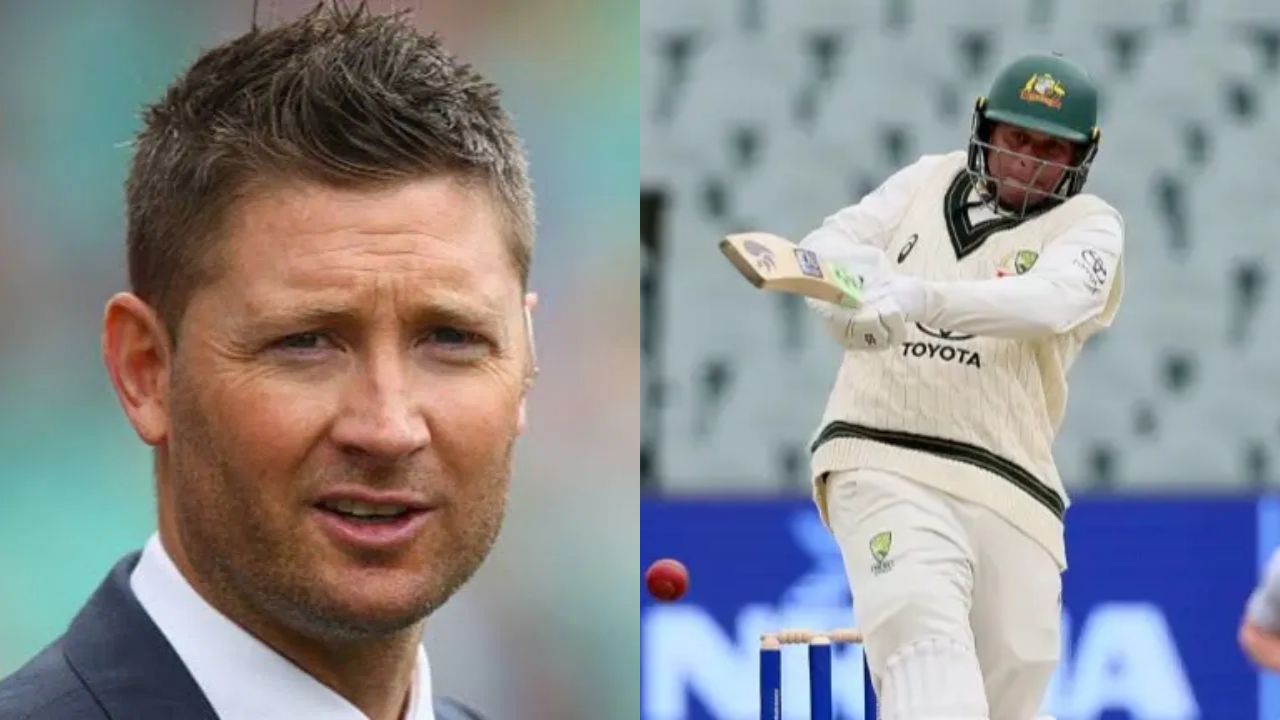
Michael Clarke calls out Pat Cummins over Usman Khawaja’s Sandpapergate revelations, seeks fresh probe

No Yashasvi Jaiswal to LSG as franchise finalizes core squad ahead of IPL 2027 auction
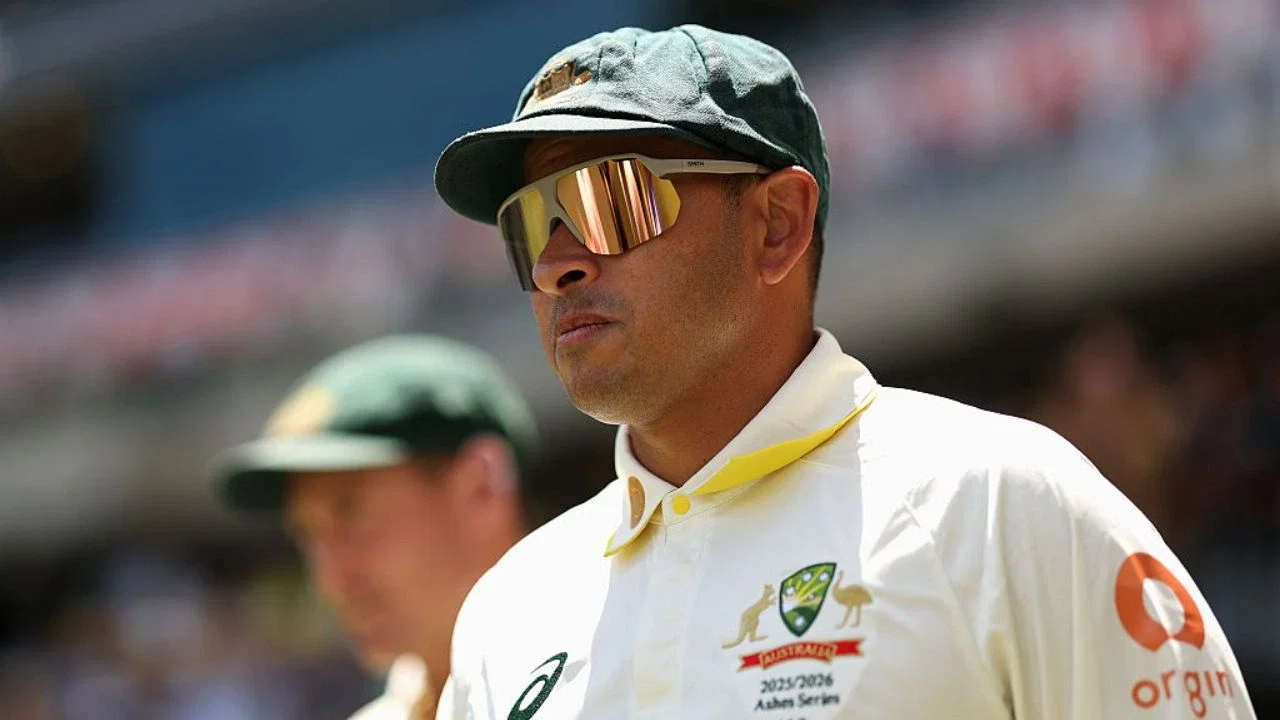
Australian Cricketers’ Association breaks silence on Usman Khawaja’s Sandpapergate claims

“IPL has earned the right to influence the calendar – KKR Co-owner Juhi Chawla proposes new window
Marnus Labuschagne reveals Test comeback plan after Australia axing
Usman Khawaja set to join Sky Sports’ broadcast team for next Ashes series
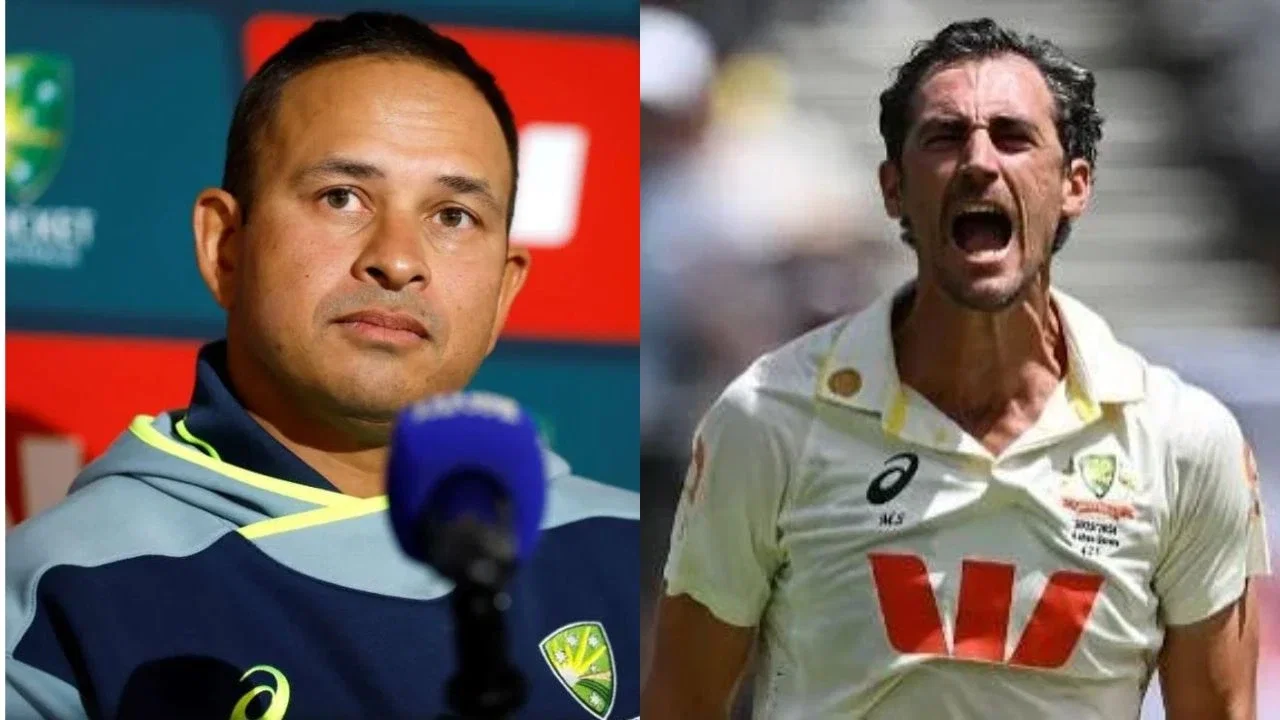
Mitchell Starc reacts to Usman Khawaja’s Sandpapergate revelations
Vaibhav Sooryavanshi accused of influencing Bihar T20 team selection ahead of SMAT 2026

IPL set for expansion to 12 teams in 2028, Pune and Vadodara among likely destinations
Arshdeep Singh’s father confirms Mumbai Indians move ahead of IPL announcement
Zimbabwe become first team in Test history to score 500-plus in both innings, Zia-ur-Rehman records unwanted feat