Mitchell Starc reacts to Usman Khawaja’s Sandpapergate revelations
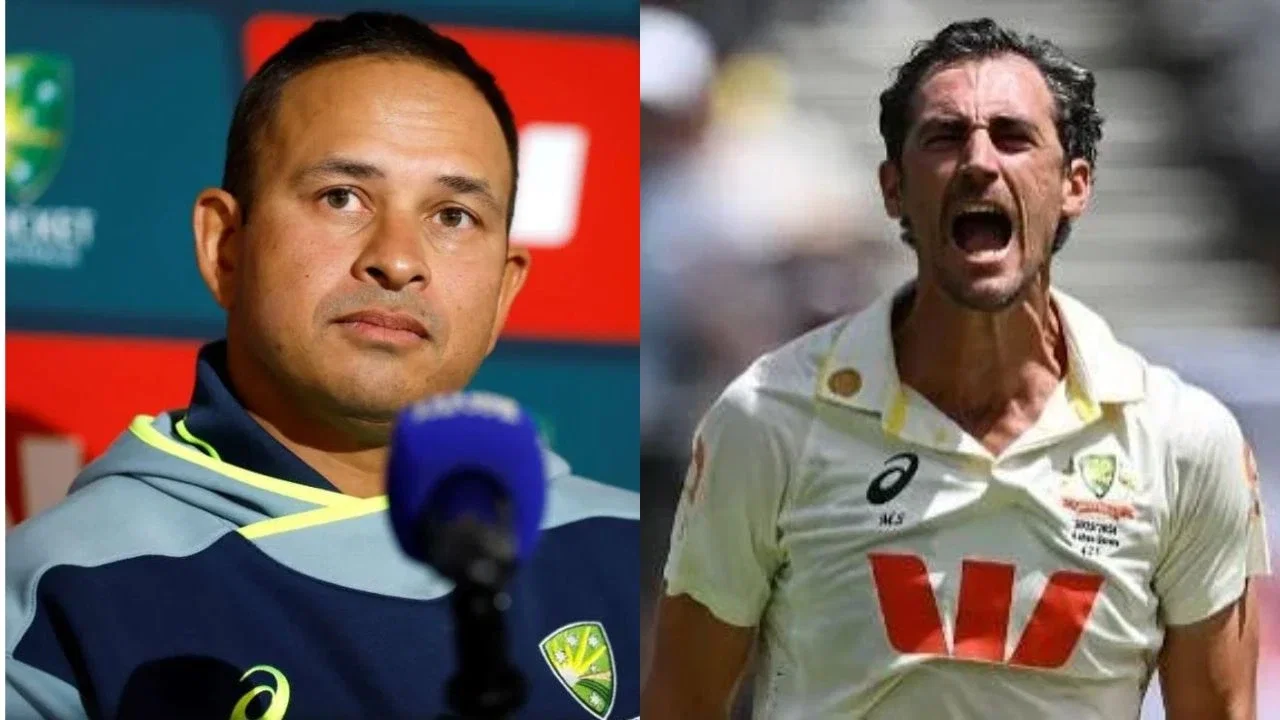
Mitchell Starc Stands by His 2021 Account as Usman Khawaja Revives Sandpapergate Debate
Australia’s 2018 ball-tampering scandal has returned to the headlines after former opener Usman Khawaja revisited the controversy in his new book, Sabr. Fast bowler Mitchell Starc says his recollection remains unchanged: he was not aware of sandpaper being used during the second Test against South Africa in Port Elizabeth, now known as Gqeberha.
Khawaja’s claims have renewed questions about what players knew during the South Africa tour and whether Cricket Australia’s original investigation captured the full story. Former teammate David Warner has publicly backed Khawaja’s account, while Starc has referred to a statement he made alongside other senior bowlers in 2021. The latest comments have revived the debate over accountability, team knowledge and the lasting effects of one of Australian cricket’s most damaging episodes.
What Mitchell Starc Said About Khawaja’s Claims
Starc was asked about the allegations at a Kayo Sports and Fox Cricket season launch. Khawaja has claimed that the team knew sandpaper was used during the Port Elizabeth Test, an assertion that challenges the understanding many people took from the original investigation.
Starc said Khawaja’s recent comments were the first time he had heard of sandpaper allegedly being used in that match. He also made clear that he would not speak for his fellow bowlers, choosing instead to restate his own position.
“That’s the first I was aware of any of that taking place in PE,” Starc said. “I won’t speak on behalf of the bowlers, but where I stand, my opinion hasn’t changed. My recollection hasn’t changed from what we said in 2021.”
The 2021 statement was issued by Starc, Pat Cummins, Josh Hazlewood and Nathan Lyon. The four bowlers said they had no knowledge of anything being taken onto the field to alter the ball. Starc said he stood by that account and did not offer further comment on Khawaja’s claims, leaving the authors of those claims to explain their own recollections.
Why the 2018 Ball-Tampering Scandal Is Back in Focus
The controversy began during the third Test of Australia’s 2018 tour of South Africa. Television footage showed Cameron Bancroft using a piece of sandpaper on the ball before attempting to conceal it. The incident prompted a Cricket Australia investigation and led to significant sanctions for Bancroft, then captain Steve Smith and vice-captain Warner.
The scandal became known as “Sandpapergate” and triggered intense scrutiny of Australia’s team culture and leadership. Smith and Warner were banned from international and domestic cricket for a year, while Bancroft received a nine-month ban. The three players later returned to the game, but the episode continued to shape public discussion of Australian cricket.
Khawaja’s new account has reopened questions about the investigation’s scope, particularly because his claim concerns an earlier Test in the same series. His allegation does not, by itself, establish what every player knew or what happened in Port Elizabeth. But it has prompted renewed interest in the difference between what individuals remember, what was formally investigated and what the public was told at the time.
Alyssa Healy Says She Will Wait Before Commenting
Starc’s wife, former Australia captain Alyssa Healy, was also asked about Khawaja’s claims while appearing on Fox Cricket. Healy said she felt conflicted because of her personal connection to the players involved and did not want to take a firm position while the story was still developing.
She said she would wait to see whether Cricket Australia chooses to examine the matter further and how the discussion unfolds before commenting in more detail. Her response reflects the challenge for people close to the players: the issue is both a public debate about cricket’s past and a personal matter involving teammates, families and long-standing relationships.
David Warner Backs Khawaja and Questions the Investigation
Warner, who had largely stayed out of public discussion about Sandpapergate for years, voiced support for Khawaja in an Instagram video shared on November 9. He thanked Khawaja for speaking about his experience and questioned whether Cricket Australia’s original investigation had been thorough enough.
Warner pointed to Khawaja’s proximity to Bancroft during the Test and argued that Khawaja had not been interviewed as part of the investigation. He described the process as rushed and inadequate, calling for greater focus on transparency and accountability rather than continued scrutiny of the players involved.
His comments add another perspective to a dispute where accounts differ and memories are being revisited years later. The central issue is no longer only what happened on the field, but also how the investigation was conducted and whether relevant voices were heard.
The Personal Cost Beyond Cricket
Warner also spoke about the effect the scandal has had on his family. He said he had to explain the controversy to his daughters after they asked about emotional footage from 2018. He acknowledged that the episode affected not only the players but also their families, including those of Smith and Bancroft.
That personal dimension helps explain why the debate remains sensitive. The sanctions and public criticism were widely documented, but the consequences extended into players’ private lives and continued long after the bans ended. Revisiting the scandal can therefore bring renewed attention to both questions of responsibility and the human impact of the fallout.
What Could Happen Next?
For now, Starc says his recollection has not changed, Warner supports Khawaja’s decision to speak, and Healy is waiting to see whether Cricket Australia responds. Whether the governing body launches a fresh review remains unclear. Any further inquiry would likely need to consider the available evidence, the original investigation’s records and the differing accounts now being presented.
As the discussion develops, the most important distinction may be between established findings and new allegations. Khawaja’s account has renewed calls for answers, but any conclusions about the Port Elizabeth Test would require careful examination rather than assumption. The prediction is that Sandpapergate will remain a prominent topic in Australian cricket until questions about the investigation and the players’ conflicting recollections are addressed more fully.
For supporters, the latest developments offer a reminder that major sporting controversies rarely end when suspensions expire. Years later, new testimony can reshape the conversation—bringing old decisions back into focus and testing how much trust remains in the official account.
Latest News

Top 10 biggest trade and transfer deals in IPL history, Hardik Pandya-Arshdeep Singh swap at No.3
Rohit Sharma goes MISSING in Hamilton amid IND vs NZ ODI series, here’s what happened next

IPL 2027: Ruturaj Gaikwad to remain CSK captain, Noor Ahmad set to stay
Michael Clarke calls out Pat Cummins over Usman Khawaja’s Sandpapergate revelations, seeks fresh probe

No Yashasvi Jaiswal to LSG as franchise finalizes core squad ahead of IPL 2027 auction
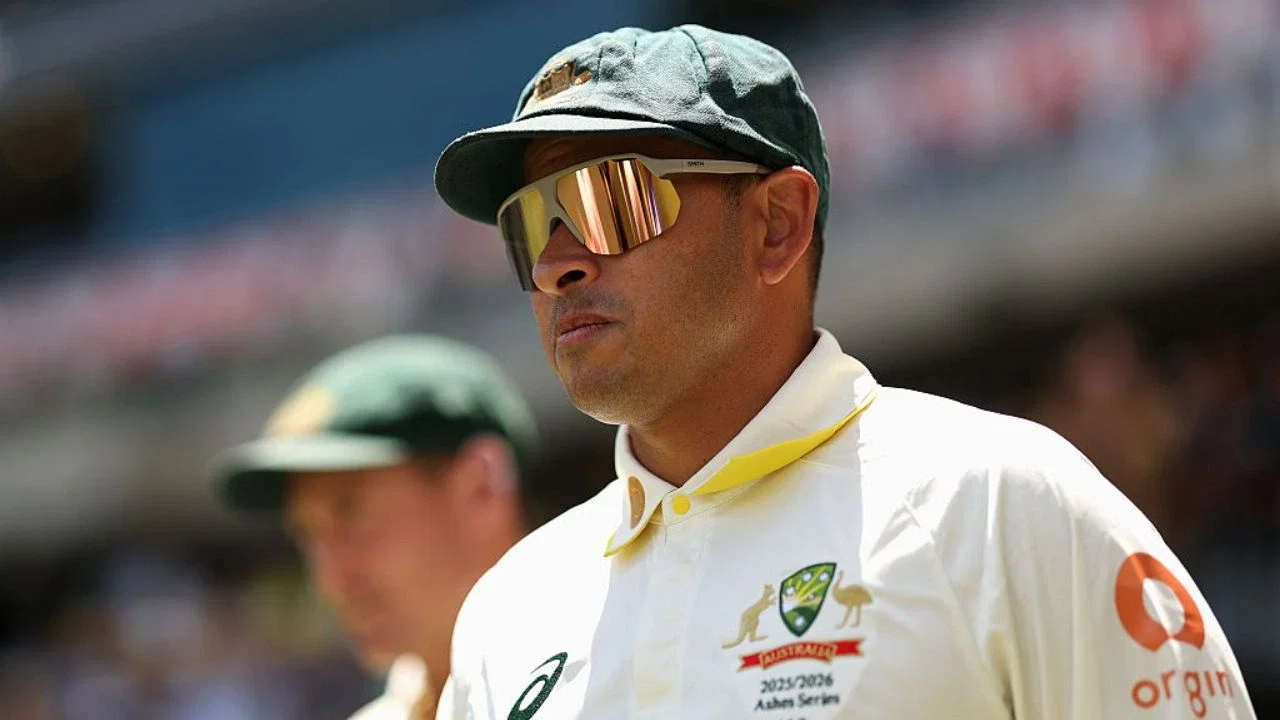
Australian Cricketers’ Association breaks silence on Usman Khawaja’s Sandpapergate claims

“IPL has earned the right to influence the calendar – KKR Co-owner Juhi Chawla proposes new window
Marnus Labuschagne reveals Test comeback plan after Australia axing
Usman Khawaja set to join Sky Sports’ broadcast team for next Ashes series
Mitchell Starc reacts to Usman Khawaja’s Sandpapergate revelations
Vaibhav Sooryavanshi accused of influencing Bihar T20 team selection ahead of SMAT 2026

IPL set for expansion to 12 teams in 2028, Pune and Vadodara among likely destinations
Arshdeep Singh’s father confirms Mumbai Indians move ahead of IPL announcement
Zimbabwe become first team in Test history to score 500-plus in both innings, Zia-ur-Rehman records unwanted feat