BCCI rules out Suryakumar Yadav’s return to India’s T20I team despite amazing form
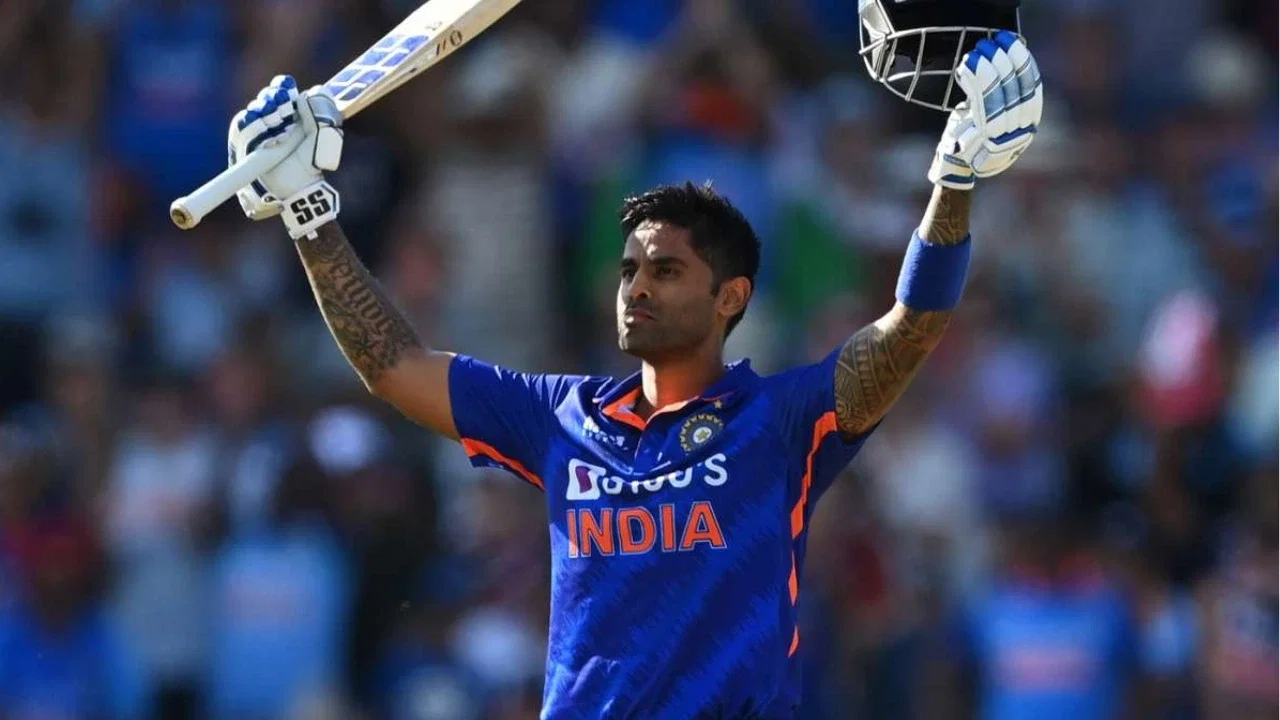
Suryakumar Yadav’s India T20I Comeback Faces Uncertainty Despite Domestic Form
Suryakumar Yadav has made an emphatic return to form in domestic cricket, but strong performances may not be enough to reopen the door to India’s T20I side. According to a report by news agency ANI, the BCCI is not currently considering the former captain for its white-ball plans. Young opener Yashasvi Jaiswal is also reportedly outside the team’s immediate selection picture.
The reported stance puts a striking contrast at the centre of the selection debate: Suryakumar is producing quick-fire innings for Mumbai, yet India’s crowded batting lineup leaves selectors with little room to make changes. For supporters tracking his progress, the key question is no longer simply whether he can score runs, but where he could fit into the team’s current combination.
BCCI reportedly sees no place for Suryakumar in the current setup
An unnamed BCCI source told ANI that Suryakumar is not part of the selectors’ plans at present. The source also pointed to the difficulty of finding a place for Jaiswal in India’s white-ball teams, suggesting that competition for batting positions is intense.
“Surya is no longer part of our selection plans at the moment. We haven’t even been able to find a place for Yashasvi Jaiswal in the white-ball setup,” the source was quoted as saying.
The comments indicate that selection decisions may be shaped by team balance as much as individual form. India’s T20I batting order includes established performers and younger players competing for limited positions. A batter’s role, position in the order, and ability to meet the team’s tactical needs can all influence selection—particularly when several players are vying for similar spots.
The report also says Suryakumar was released from the T20I setup after India’s 2026 T20 World Cup triumph. He had led the Men in Blue to the title in their second consecutive campaign. His reported absence from the current plans is therefore notable, given his recent leadership role and reputation as one of India’s most inventive T20 batters.
Domestic scores strengthen his case—but may not settle the debate
Suryakumar’s performances in the Syed Mushtaq Ali Trophy have offered a timely reminder of his ability to change a match in a matter of overs. Against Hyderabad, he struck 60 runs from just 21 deliveries, including six fours and five sixes. His strike rate of 285.71 captured the pace of the innings, while his half-century came in only 15 balls. Mumbai went on to chase a target of 173 and win by seven wickets.
He followed that effort with another explosive display against Gujarat, scoring 82 from 29 balls. The innings featured nine boundaries and seven sixes, helping Mumbai overhaul a challenging target of 199 in just 15.4 overs, with five wickets to spare. The performance demonstrated not only his power but also his capacity to accelerate a chase under pressure.
Suryakumar also contributed against Goa, scoring 25 from 12 balls as Mumbai secured an 18-run victory. While the innings was shorter, it continued a productive run of appearances and added to the evidence that he is finding rhythm in the domestic T20 format.
These knocks are likely to fuel discussion among fans and analysts about a possible India comeback. Still, domestic form does not automatically guarantee a recall. Selectors must weigh recent performances against the team’s existing structure, the roles available, and the consistency of other contenders.
Why the selection picture remains complicated
The reported position on Jaiswal offers a useful indication of how competitive India’s white-ball batting pool has become. Jaiswal is a highly regarded young batter, yet the source said the board has not been able to find him a regular place in the white-ball setup. If a player of his age and potential is struggling to secure a spot, Suryakumar’s challenge may be less about proving his quality and more about finding a clear role within the side.
For a T20 team, selectors often seek a combination of powerplay scoring, middle-over stability, finishing ability, and adaptable batting options. Suryakumar’s attacking style has made him particularly effective in the middle order, but the team may already have players assigned to those positions. A comeback prediction, therefore, depends on more than his latest strike rate: it also hinges on injuries, changes in form, scheduling, and whether the selectors decide the lineup needs a different kind of batter.
The BCCI source acknowledged that Suryakumar has been working hard and performing well in List A cricket, but questioned where he could be accommodated in the current Indian team. The comments suggest that, for now, selectors are prioritising the existing combination rather than creating a vacancy based on domestic results alone.
What could happen next?
At this stage, the reported message is that neither Suryakumar nor Jaiswal is being considered for the white-ball team in the present scenario. That does not necessarily amount to a permanent end to either player’s international prospects. Selection plans can change quickly in cricket, particularly across a demanding calendar where injuries, workload management, and shifts in form may create opportunities.
Suryakumar’s immediate task is to keep converting his domestic appearances into consistent performances. His recent innings show that he remains capable of scoring at an exceptional rate, but sustained output across different match situations would strengthen his case. For selectors, the next decision will be whether his experience and attacking range offer something the current lineup lacks.
For fans, the story is one to watch rather than a settled verdict. The latest report points to a difficult path back for the former India captain, despite his promising Syed Mushtaq Ali Trophy form. Any prediction about a return should be treated cautiously: the door appears closed for now, but future performances and changes in team requirements could reshape the conversation.
Latest News
Harry Brook wins hearts with heartwarming gesture towards young Australian fan at MCG
Jacob Oram questions Wellington pitch after India’s dominant batting show in 1st Test
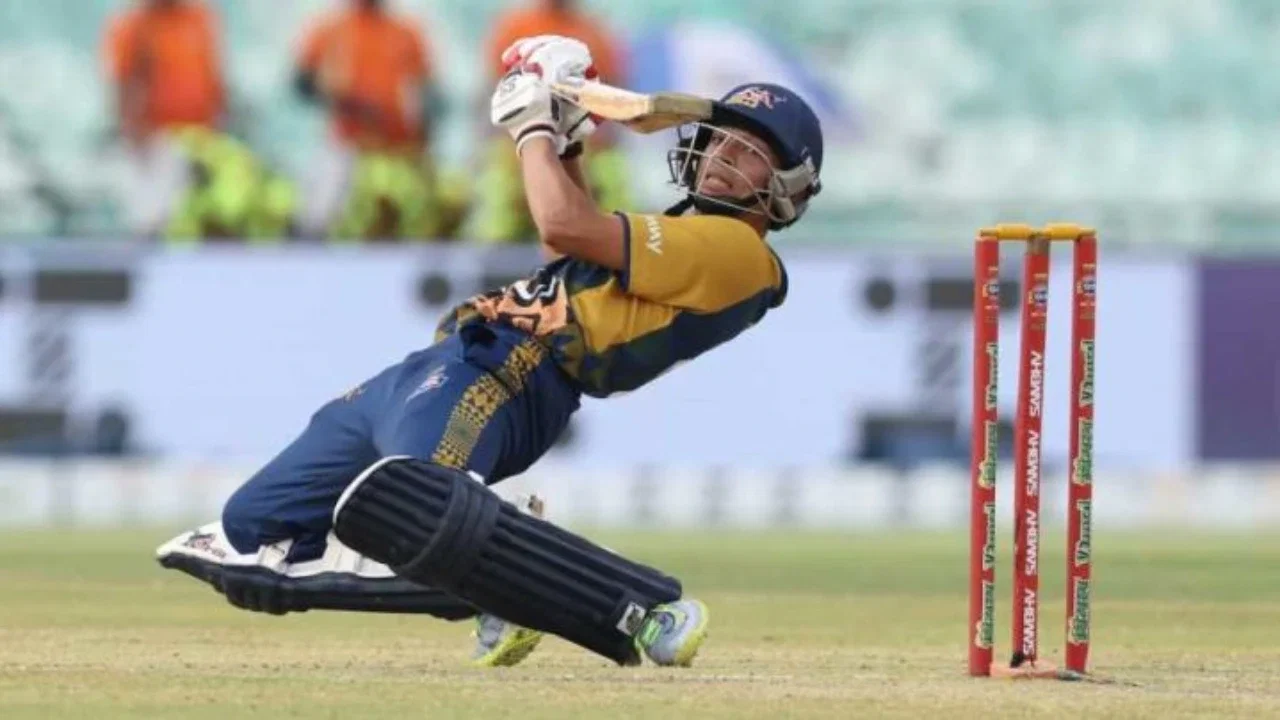
Who is Vikalp Tiwari? Meet 17-year-old who became youngest captain to score T20 century
Darren Lehmann reflects on Australia’s dressing-room culture amid Sandpapergate row
BCCI rules out Suryakumar Yadav’s return to India’s T20I team despite amazing form
Usman Khawaja and David Warner removed from Fox Cricket commentary amid Sandpapergate claims
Matthew Hayden warns Australia and Pat Cummins of Sandpapergate fallout ahead of India Test series
IND vs PAK: Here’s why Pakistan won the Blind Asia Cup 2026 despite no final being played
Dinesh Karthik puts KL Rahul in elite Test opener conversation after 136-run knock against New Zealand
IPL 2027: Zaheer Khan addresses CSK’s trade links with Gujarat Titans
Jacob Oram refuses to judge Jacob Duffy by his expensive spell in 1st Test against India
Harry Brook smashes 24 runs off Riley Meredith in 1st AUS vs ENG T20I
IND A vs PAK A Playing 11 Today, Live Streaming, Pitch & Weather: ACC Men’s Asia Cup Rising Stars 2026, Match 8
Watch: Debutant Lachlan Shaw pulls off a sensational catch in AUS vs ENG 1st T20I