IND vs PAK: Here’s why Pakistan won the Blind Asia Cup 2026 despite no final being played

Pakistan Awarded Blind Cricket Asia Cup 2026 Title After Rain-Abandoned Final
The Men’s Blind Cricket Asia Cup 2026 ended in controversy in Dhaka after rain prevented the India–Pakistan final from getting underway. With no toss or play possible, match officials applied the tournament’s weather-abandonment rule and declared Pakistan the champions based on their superior aggregate net run rate. India’s team management rejected the decision and boycotted the trophy presentation, turning a weather-hit final into a dispute over the rules governing the tournament.
The result has prompted questions among supporters: Was the referee entitled to use net run rate to decide the title, and did the rulebook clearly explain what should happen if the final was abandoned? The tournament’s published playing conditions appear to address that scenario directly, while India’s manager says the team had not accepted the regulation and had challenged it before the final.
Why the India–Pakistan Final Was Abandoned
The highly anticipated final in Dhaka could not proceed because of adverse weather. The match was called off before the toss, meaning neither side had the opportunity to bat or bowl. In a standard knockout final, organizers may look for a reserve day or use a shortened format, but the applicable Asia Cup playing conditions set out a specific procedure for a final that could not be completed.
According to the rules attributed to the World Blind Cricket Council’s Asia Cup playing conditions, officials first had to consider whether a one-over eliminator could be played. If weather prevented even that option, the champion would be determined by comparing the finalists’ aggregate net run rate across the tournament. Since the match was abandoned before an eliminator over could take place, the referee used that measure to decide the outcome.
What the Rulebook Says About a Washed-Out Final
The relevant provision states that if weather conditions prevent a one-over eliminator from being completed—or the match is abandoned because of severe weather—the team with the better aggregate net run rate for the event will be declared the winner. In other words, the final’s result would be based on performance across the competition rather than on a shared title or a coin toss.
Pakistan had the stronger net run rate under the tournament calculation, so the match referee awarded the title to Pakistan. Based on the provision cited in reports about the incident, the decision followed the competition’s stated process. That does not settle every question surrounding the controversy, however. The dispute also concerns whether the participating teams were properly consulted about the rule and whether they agreed to its use before the tournament began.
Net run rate is commonly used in cricket competitions to separate teams with identical records. It compares the rate at which a team scores runs with the rate at which it concedes them, subject to the competition’s precise calculation method. Applying it to a final abandoned without a ball being bowled can feel unusual to fans, but it can provide a predetermined way to identify a champion when no play is possible. Clear communication is especially important in such cases, because the rule can decide a title without the finalists meeting on the field.
India Boycotts the Trophy Presentation
India’s players and management did not attend the trophy distribution ceremony after Pakistan was named champion. The Indian side argued that, because the final had been abandoned before the toss, the title should have been shared between the two finalists. The team also published a video explaining its position, adding another public dimension to an already sensitive sporting dispute between the neighboring countries.
India team manager Dhiraj Sequeira told the media that the team had not accepted the rule used to decide the final and had taken its concerns to the tournament’s technical committee. The committee rejected the appeal and proceeded according to the existing playing conditions. Sequeira said the team chose to boycott the presentation in response to that decision.
The distinction between a rule being written into the regulations and a team accepting that rule is central to India’s objection. If the provision was included in the official conditions circulated before the competition, the referee would generally be expected to apply it unless the rules were formally amended or an authorized body ruled otherwise. If India believes the regulation was not properly agreed upon or communicated, its complaint is more likely to concern tournament governance and procedure than the referee’s interpretation of the text.
Was the Referee’s Decision Consistent With the Rules?
Based on the wording reported from the Asia Cup playing conditions, the referee’s decision appears consistent with the stated process for a final abandoned by bad weather. The provision specifically identifies aggregate net run rate as the deciding factor when neither the match nor a one-over eliminator can be completed. On that reading, awarding the title to the team with the better tournament net run rate was not an improvised decision.
However, a rule-based decision can still be disputed if a team questions how the rule was adopted, whether it was made available in advance, or whether the technical committee followed the correct appeal process. Those issues would need to be assessed using the official rulebook, tournament records and any written decisions issued by the committee. Public statements alone may not provide the full administrative context.
What Happens Next?
The controversy is likely to keep attention on the tournament’s regulations as well as the result. Organizers could help prevent similar disputes by publishing the playing conditions well before future events, confirming that every team has received them, and explaining in advance how a rain-affected final will be decided. They may also consider whether a reserve day is practical, particularly for a championship match where weather can determine the title without any play.
For supporters searching for the latest Men’s Blind Cricket Asia Cup 2026 prediction and final-result updates, the key point is that the match itself produced no on-field winner. Pakistan was crowned champion through the net-run-rate provision, while India’s boycott reflected its disagreement with the rule’s acceptance and application. The case highlights how tournament regulations can shape major sporting outcomes—and why transparent, agreed-upon playing conditions matter as much as decisions made during the match.
Latest News

Harry Brook wins hearts with heartwarming gesture towards young Australian fan at MCG
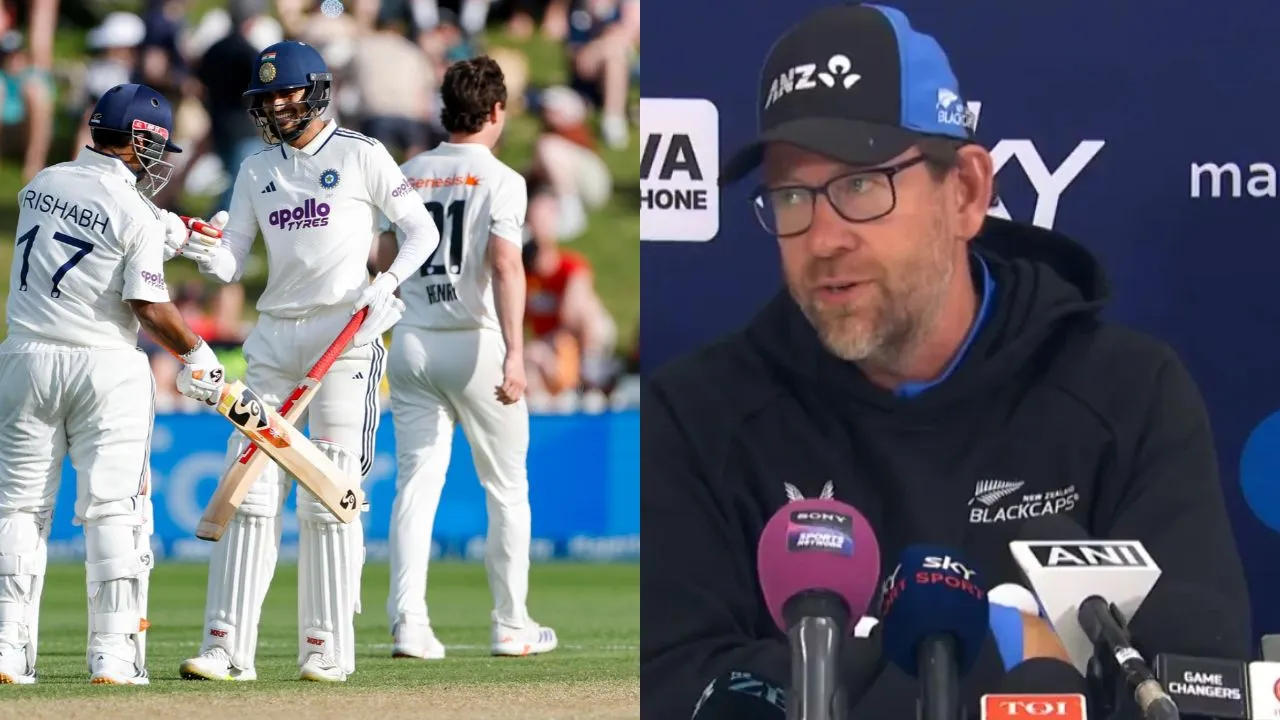
Jacob Oram questions Wellington pitch after India’s dominant batting show in 1st Test

Who is Vikalp Tiwari? Meet 17-year-old who became youngest captain to score T20 century

Darren Lehmann reflects on Australia’s dressing-room culture amid Sandpapergate row
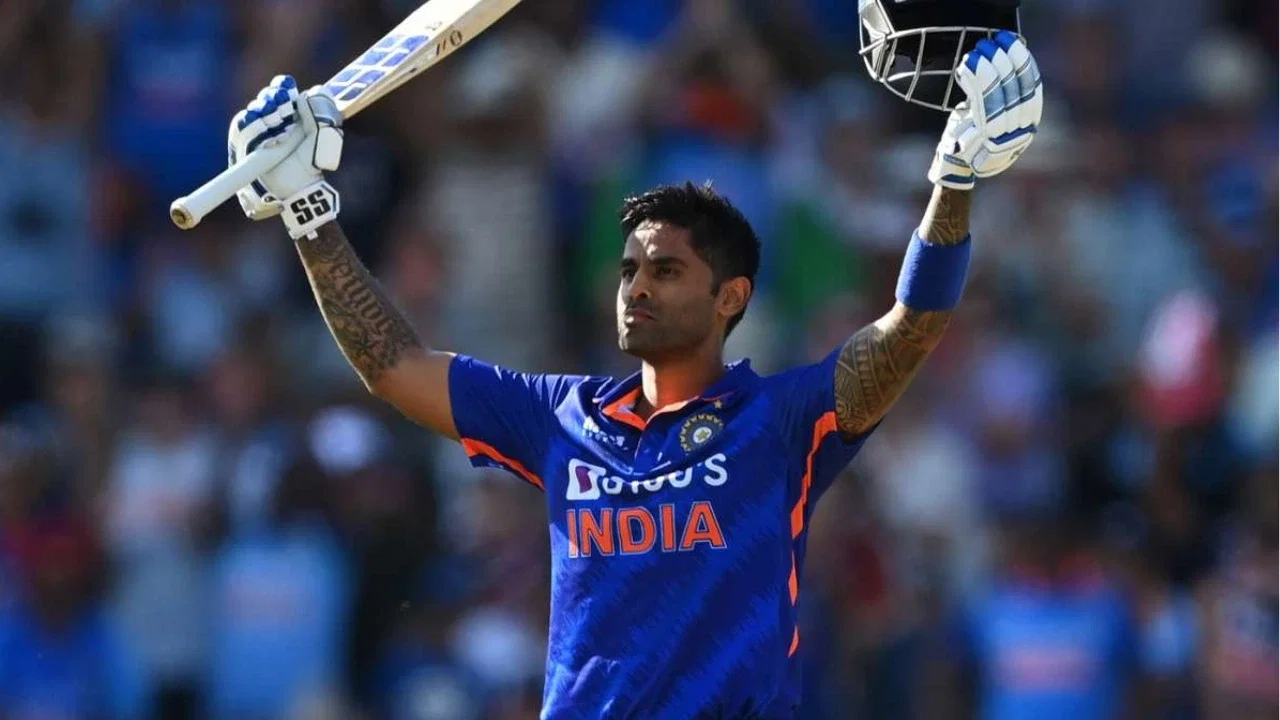
BCCI rules out Suryakumar Yadav’s return to India’s T20I team despite amazing form

Usman Khawaja and David Warner removed from Fox Cricket commentary amid Sandpapergate claims

Matthew Hayden warns Australia and Pat Cummins of Sandpapergate fallout ahead of India Test series
IND vs PAK: Here’s why Pakistan won the Blind Asia Cup 2026 despite no final being played
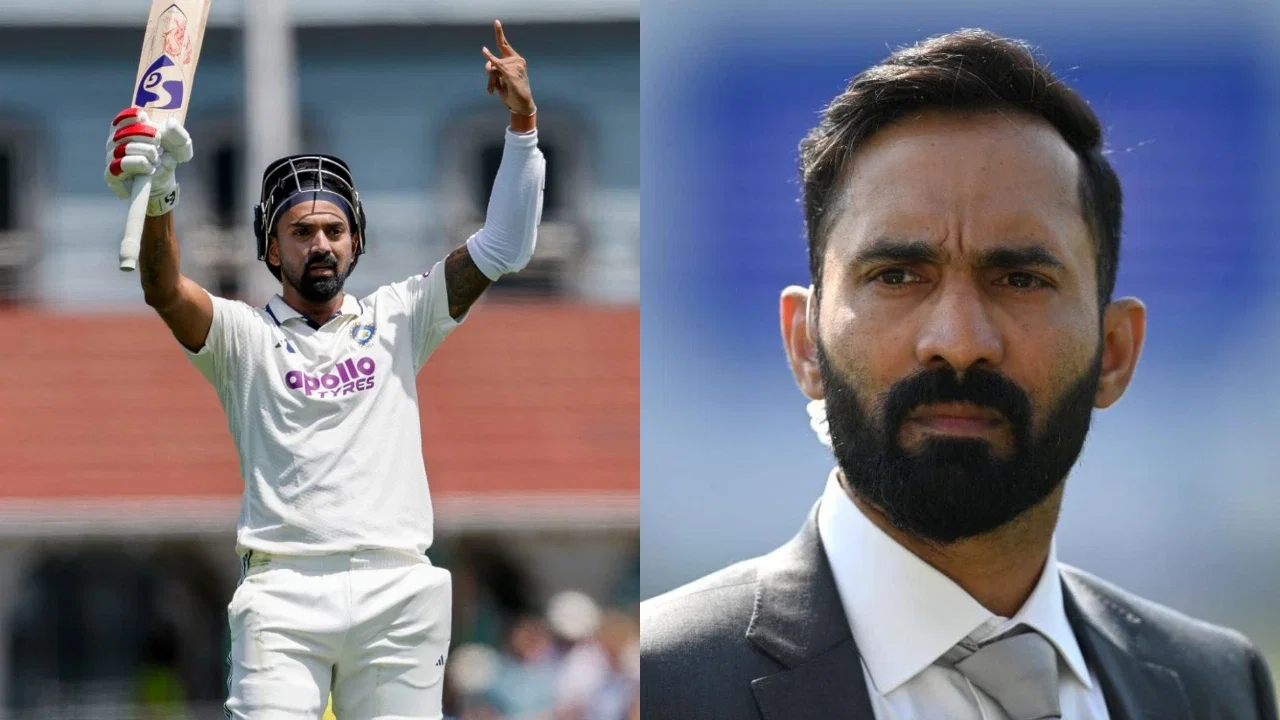
Dinesh Karthik puts KL Rahul in elite Test opener conversation after 136-run knock against New Zealand

IPL 2027: Zaheer Khan addresses CSK’s trade links with Gujarat Titans

Jacob Oram refuses to judge Jacob Duffy by his expensive spell in 1st Test against India

Harry Brook smashes 24 runs off Riley Meredith in 1st AUS vs ENG T20I
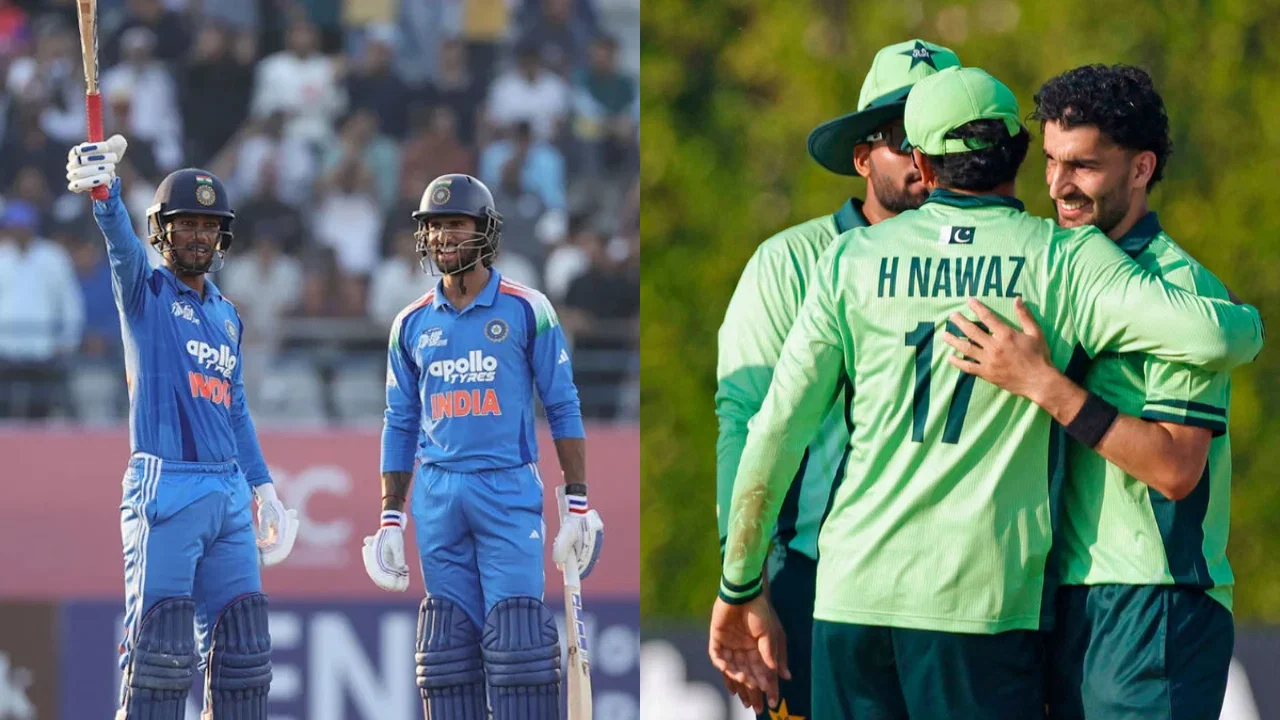
IND A vs PAK A Playing 11 Today, Live Streaming, Pitch & Weather: ACC Men’s Asia Cup Rising Stars 2026, Match 8

Watch: Debutant Lachlan Shaw pulls off a sensational catch in AUS vs ENG 1st T20I