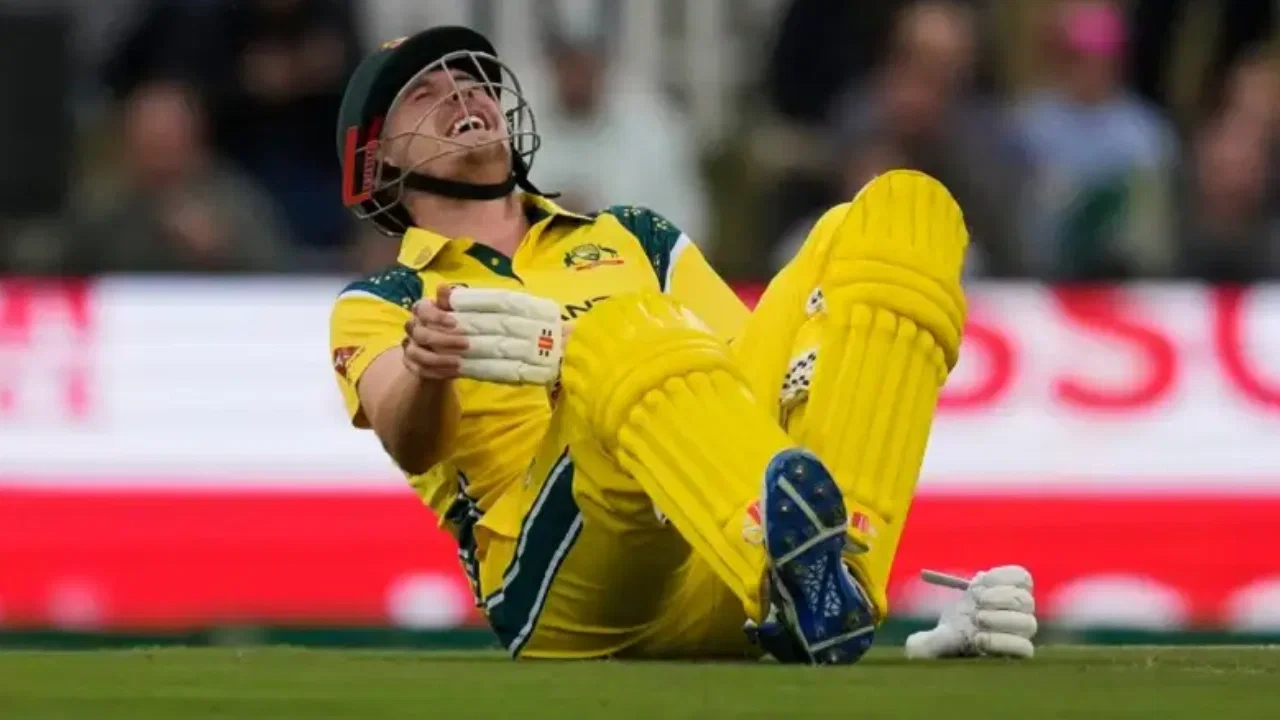
Darren Lehmann reflects on Australia’s dressing-room culture amid Sandpapergate row

Darren Lehmann Repeats Sandpaper Scandal Denial, Says Australia Job Was “the Best Job in the World”
Former Australia head coach Darren Lehmann has again denied knowing that sandpaper was used to alter the ball during the 2018 South Africa Test tour, while acknowledging that the controversy left a lasting mark on his career. Lehmann says he was unaware of the plan, but accepts that he should have done more to confront cultural issues within the Australian team.
His latest comments have revived discussion of the ball-tampering scandal, often called Sandpapergate, as former players’ accounts continue to add detail to the events surrounding Australia’s tour of South Africa. The controversy remains one of the most damaging episodes in modern Australian cricket, raising questions not only about individual responsibility but also about leadership, accountability and team culture.
Lehmann Says He Did Not Know Sandpaper Was Used
Speaking on ABC Radio during Australia’s first T20 international against England at the Melbourne Cricket Ground on Saturday, November 21, Lehmann maintained that he had no knowledge of the sandpaper incident. He acknowledged that the material had been used, but rejected the suggestion that he knew about it at the time.
“No… I did not know. Obviously, it was used,” Lehmann said.
The comments come amid renewed attention to events on Australia’s 2018 tour. The scandal became public during the third Test against South Africa in Cape Town, when television footage showed Cameron Bancroft attempting to alter the ball with a small piece of yellow sandpaper. Bancroft later admitted his role, while captain Steve Smith and vice-captain David Warner were also sanctioned by Cricket Australia.
Since then, former players have shared differing recollections of the team’s conduct and the moments leading up to the incident. Bancroft’s account of what he remembered around the tea break on the second day of the Port Elizabeth Test prompted fresh questions about whether ball-tampering had occurred earlier in the series. Usman Khawaja’s autobiography also brought the subject back into public debate, renewing scrutiny of the team environment and what senior figures may have known.
Cricket Australia Cleared Lehmann, but He Resigned
Cricket Australia’s investigation did not find Lehmann responsible for the ball-tampering plan. Nevertheless, he resigned as head coach shortly after the Cape Town incident, following a period of intense criticism and upheaval within Australian cricket.
Lehmann has said that some people assumed he had escaped the consequences because he was cleared by the governing body. He sees the outcome differently: the scandal ended a role he regarded as an exceptional privilege and a defining part of his professional life.
“People said I did not lose anything. I actually lost the best job in the world,” he said. “I am sorry for what happened. And that is all I can say to the general public. Everyone is hurting, and we have got to try and find a way to navigate through this.”
His remarks underline the distinction between being cleared of direct involvement and accepting responsibility as the team’s leader. Lehmann has repeatedly said he did not know sandpaper was being used, but he has also acknowledged that the scandal unfolded under his watch. That tension—between personal denial and institutional accountability—continues to shape how the episode is remembered.
“I Should Have Done More” About Team Culture
Lehmann has also reflected on the broader culture of the Australian side during his tenure. He said a coach cannot observe every conversation or decision made behind closed doors, but accepted that this limitation does not remove the responsibility to set expectations and address warning signs.
“There are lots of things that happen behind the scenes. You just don’t know. You don’t see everything. As a coach, you don’t see everything,” he said, while recognising that he should have done more to deal with cultural problems in the team.
The point is significant because Sandpapergate was not viewed simply as a technical breach of cricket’s rules. The incident prompted a wider examination of the standards encouraged within the team, the pressure to win and the behaviour expected from senior players. Cricket Australia’s response included suspensions, leadership changes and a review of the organisation’s culture.
For coaches and administrators, the episode remains a case study in how team standards are established and monitored. A coach may not witness every action, but clear communication, trust and consistent accountability can help make it easier for players and staff to speak up when conduct crosses a line.
Why the Sandpapergate Debate Keeps Returning
Fresh recollections and autobiographies have ensured that the 2018 scandal has not disappeared from cricket’s public conversation. Each new account can add perspective, but it can also lead to competing interpretations of what happened, who knew what and when concerns should have been raised.
That is why Lehmann’s comments are likely to attract attention beyond their immediate news value. They restate his position on his own knowledge while revisiting the personal cost of the affair and his regret about the team culture. The distinction matters: Lehmann has not admitted knowing about the use of sandpaper, but he has accepted that his leadership could have done more to prevent a damaging breach of trust.
For Australian supporters, the scandal remains a difficult chapter in the national team’s history. It damaged the reputation of prominent players, led to major suspensions and forced cricket authorities to reconsider how they manage conduct and leadership. It also changed the way fans assess claims about accountability: formal findings may settle questions of direct involvement, but public debate often continues over whether leaders did enough to prevent misconduct.
Lehmann’s Legacy and the Road Ahead
Lehmann’s coaching record and the Cape Town scandal are now closely linked. His latest remarks do not resolve every disputed detail of the tour, but they offer a clearer picture of how he views his role: he denies prior knowledge of the sandpaper use, regrets what happened under his leadership and believes the episode cost him a job he deeply valued.
As former Australian players continue to share their memories, further revelations may prompt new discussion and prediction about how the scandal’s legacy will evolve. Yet the central questions remain familiar: how should responsibility be shared across a team, what should a coach reasonably be expected to know, and how can cricket ensure that winning never takes priority over the spirit of the game?
For Lehmann, the answer begins with acknowledging the harm caused and learning from the failures of the past. Nearly eight years after the Cape Town Test, Sandpapergate remains a reminder that trust in sport depends not only on rules, but also on the culture teams build—and the courage of leaders to challenge it.
Latest News

Harry Brook wins hearts with heartwarming gesture towards young Australian fan at MCG
Jacob Oram questions Wellington pitch after India’s dominant batting show in 1st Test

Who is Vikalp Tiwari? Meet 17-year-old who became youngest captain to score T20 century
Darren Lehmann reflects on Australia’s dressing-room culture amid Sandpapergate row
BCCI rules out Suryakumar Yadav’s return to India’s T20I team despite amazing form

Usman Khawaja and David Warner removed from Fox Cricket commentary amid Sandpapergate claims

Matthew Hayden warns Australia and Pat Cummins of Sandpapergate fallout ahead of India Test series
IND vs PAK: Here’s why Pakistan won the Blind Asia Cup 2026 despite no final being played
Dinesh Karthik puts KL Rahul in elite Test opener conversation after 136-run knock against New Zealand

IPL 2027: Zaheer Khan addresses CSK’s trade links with Gujarat Titans

Jacob Oram refuses to judge Jacob Duffy by his expensive spell in 1st Test against India

Harry Brook smashes 24 runs off Riley Meredith in 1st AUS vs ENG T20I

IND A vs PAK A Playing 11 Today, Live Streaming, Pitch & Weather: ACC Men’s Asia Cup Rising Stars 2026, Match 8
Watch: Debutant Lachlan Shaw pulls off a sensational catch in AUS vs ENG 1st T20I