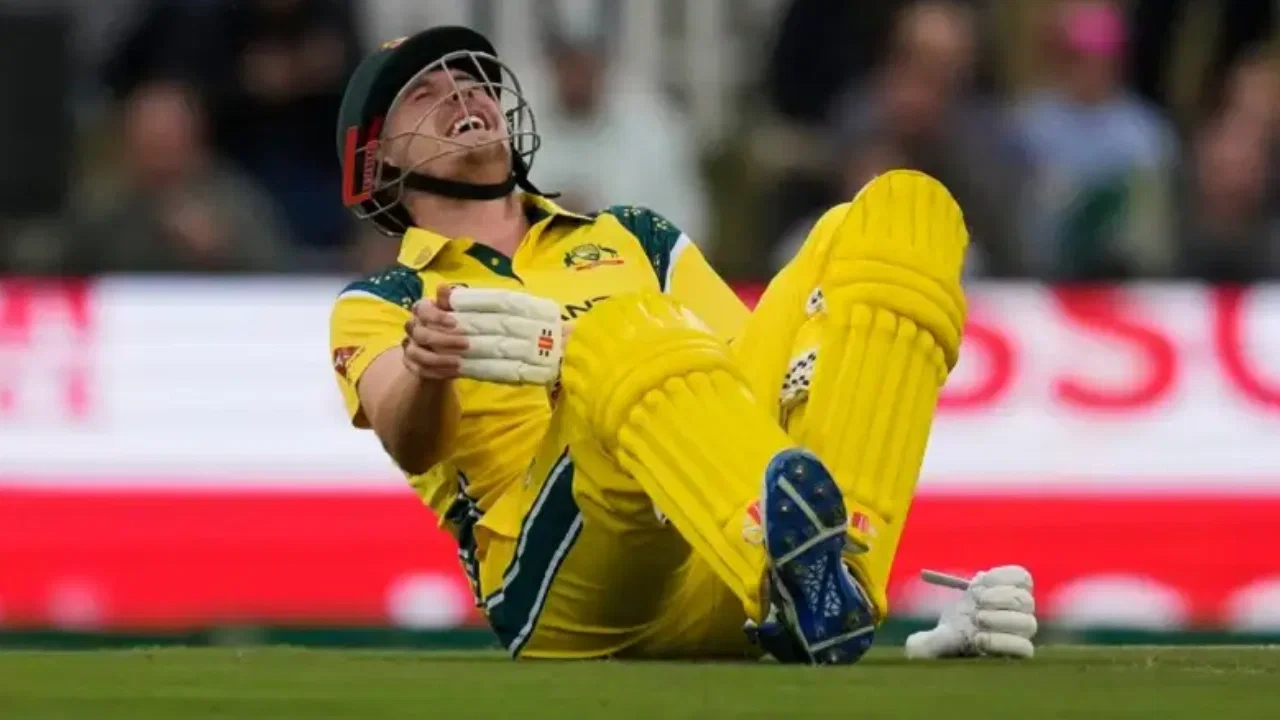
Harry Brook smashes 24 runs off Riley Meredith in 1st AUS vs ENG T20I
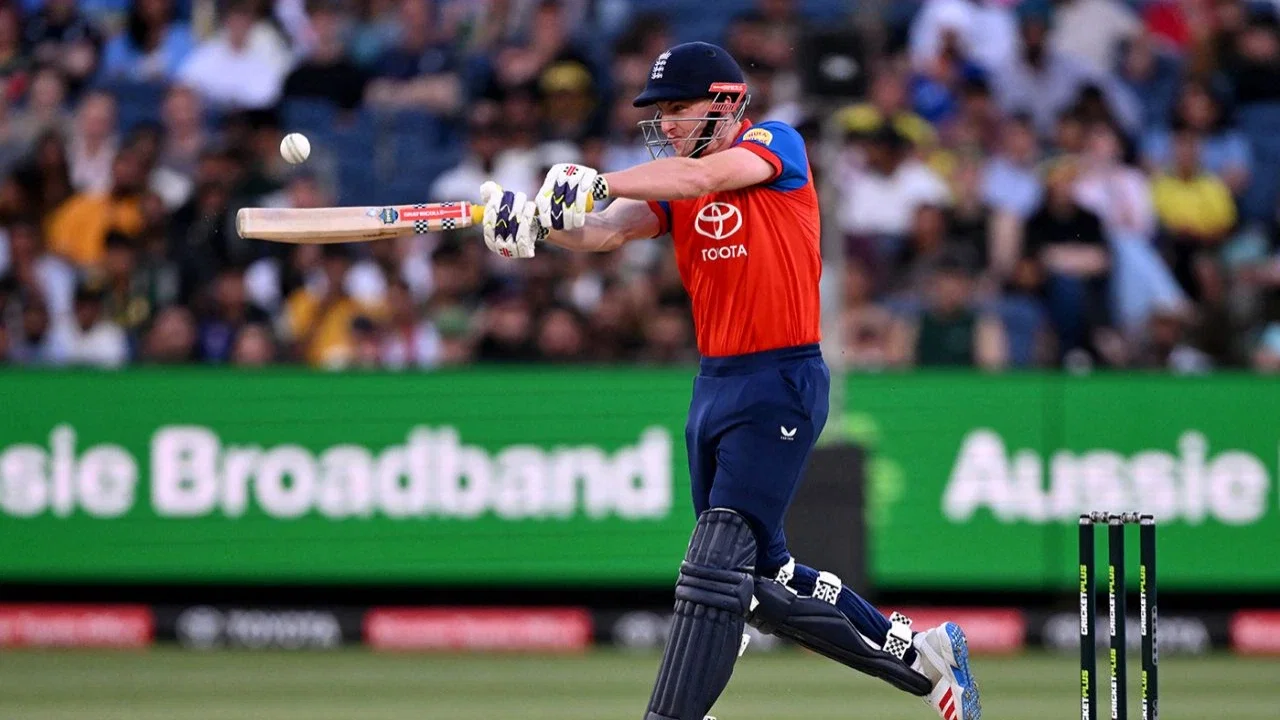
Harry Brook’s 20-ball fifty puts Australia under pressure in Melbourne T20I
England captain Harry Brook turned the opening T20I against Australia into a high-scoring spectacle at the Melbourne Cricket Ground, punishing the hosts after surviving two early dropped catches. Brook’s explosive innings included a remarkable over against Riley Meredith, as England raced to a record-breaking powerplay total on Saturday, November 21.
Australia had opportunities to remove Brook before he settled, but missed chances proved costly. The England skipper responded with fearless strokeplay, reaching his half-century from just 20 deliveries and shifting the momentum firmly towards the visitors. His assault gave England a rapid start despite the early dismissals of both opening batters.
Two missed chances give Brook room to attack
Brook’s first reprieve came in the opening over. Riley Meredith found an edge, but Jake Fraser-McGurk was unable to hold a catch at backward point. The chance offered Australia an early opening; instead, Brook remained at the crease and began to target the bowlers.
He was given another life in the second over when Adam Zampa dropped a thick edge at short third man off Jack Edwards. With two opportunities gone, Australia had to contend with a batter who was already looking to score quickly. Brook made the most of the mistakes, attacking both pace and spin rather than allowing the fielding errors to slow his momentum.
The innings was a reminder of how quickly missed chances can change a T20 match. In a format where every over carries a premium, a batter of Brook’s quality can turn a single reprieve into a substantial score. Australia’s early lapses allowed England to build pressure before the home side could establish control.
Meredith’s over fuels England’s powerplay surge
Brook’s most emphatic assault came against Meredith, whom he struck for 24 runs in one over. The sequence of sixes and boundaries lifted England’s scoring rate and intensified the pressure on Australia’s attack. The over also placed Meredith in an unwanted statistical bracket: his 24 runs conceded equalled the most expensive over by an Australian bowler against England in a T20 international, matching Josh Hazlewood’s figure from Hobart in 2014.
The over also equalled the highest number of runs conceded in a single over at the MCG, matching Billy Stanlake’s 24-run over against Sri Lanka in 2017. For England, however, the significance was immediate. Brook’s hitting helped the visitors finish the powerplay with 74 runs, even though they had already lost both openers.
Phil Salt was dismissed for a duck, while Aneurin Donald made 10 before departing. Rather than allowing those wickets to stall the innings, Brook and Tom Banton counterattacked. Their approach ensured England remained on the front foot and kept Australia’s bowlers under sustained pressure.
England set new MCG and Australia T20I powerplay marks
England’s 74-run powerplay became their highest against Australia in T20 internationals, surpassing their previous best of 70 at Edgbaston in 2018. It also set a new benchmark for a powerplay at the MCG, overtaking Australia’s 69 against South Africa in 2009.
Those numbers reflected more than a fast start. England showed they were willing to keep attacking even after losing wickets, using Brook’s aggression and Banton’s support to disrupt Australia’s plans. The hosts were forced to adjust their fields and search for a breakthrough while the run rate continued to climb.
For fans following the match prediction and assessing the balance of the contest, England’s powerplay made the visitors look dangerous. A strong start does not guarantee a winning total in T20 cricket, where wickets and late-innings scoring remain decisive. But England’s early scoring gave them a substantial platform and put Australia under pressure to respond with wickets.
Nikhil Chaudhary ends Brook’s explosive innings
Australia eventually found the breakthrough through Nikhil Chaudhary, who ended Brook’s innings and broke a 97-run partnership with Banton. Chaudhary delivered a quick leg-break outside off stump, clocked at 95.4 kilometres per hour. Brook attempted a late dab towards third man but managed only a faint edge.
Debutant wicketkeeper Sam Harper stayed alert and completed the catch, bringing an end to Brook’s remarkable contribution. The England captain departed for 65 from just 28 balls, striking four fours and six sixes. It was a high-impact innings that had already transformed the shape of the contest, even though Australia finally removed the batter who had been causing the most damage.
Chaudhary’s wicket was valuable not only because of Brook’s score, but also because it stopped the partnership from growing further. In a format where one stand can carry a team well beyond a competitive total, breaking the 97-run alliance offered Australia a chance to regain some control.
England’s momentum continues after Brook’s dismissal
Brook’s departure did not immediately halt England’s scoring. The visitors had already passed 140 in 14 overs, although five wickets had fallen. That combination—rapid scoring alongside regular dismissals—left the innings delicately poised: England had built a formidable platform, but Australia still had opportunities to limit the final total by taking wickets at regular intervals.
The first T20I offered an early illustration of the fine margins that shape a high-pressure international match. Australia’s dropped catches gave Brook the time and confidence to attack, while England’s willingness to keep scoring after losing openers prevented the hosts from settling. For Australia, the lesson was clear: against a batter in form, missed chances can quickly become expensive.
Brook’s innings also highlighted why he remains central to England’s batting plans. His ability to score at a rapid rate, exploit gaps and clear the boundary can change a match within a handful of overs. Whether England could convert that momentum into a decisive total would depend on the remaining batters—and on Australia’s ability to recover after a punishing start.
Latest News

Harry Brook wins hearts with heartwarming gesture towards young Australian fan at MCG
Jacob Oram questions Wellington pitch after India’s dominant batting show in 1st Test
Who is Vikalp Tiwari? Meet 17-year-old who became youngest captain to score T20 century
Darren Lehmann reflects on Australia’s dressing-room culture amid Sandpapergate row
BCCI rules out Suryakumar Yadav’s return to India’s T20I team despite amazing form
Usman Khawaja and David Warner removed from Fox Cricket commentary amid Sandpapergate claims
Matthew Hayden warns Australia and Pat Cummins of Sandpapergate fallout ahead of India Test series

IND vs PAK: Here’s why Pakistan won the Blind Asia Cup 2026 despite no final being played
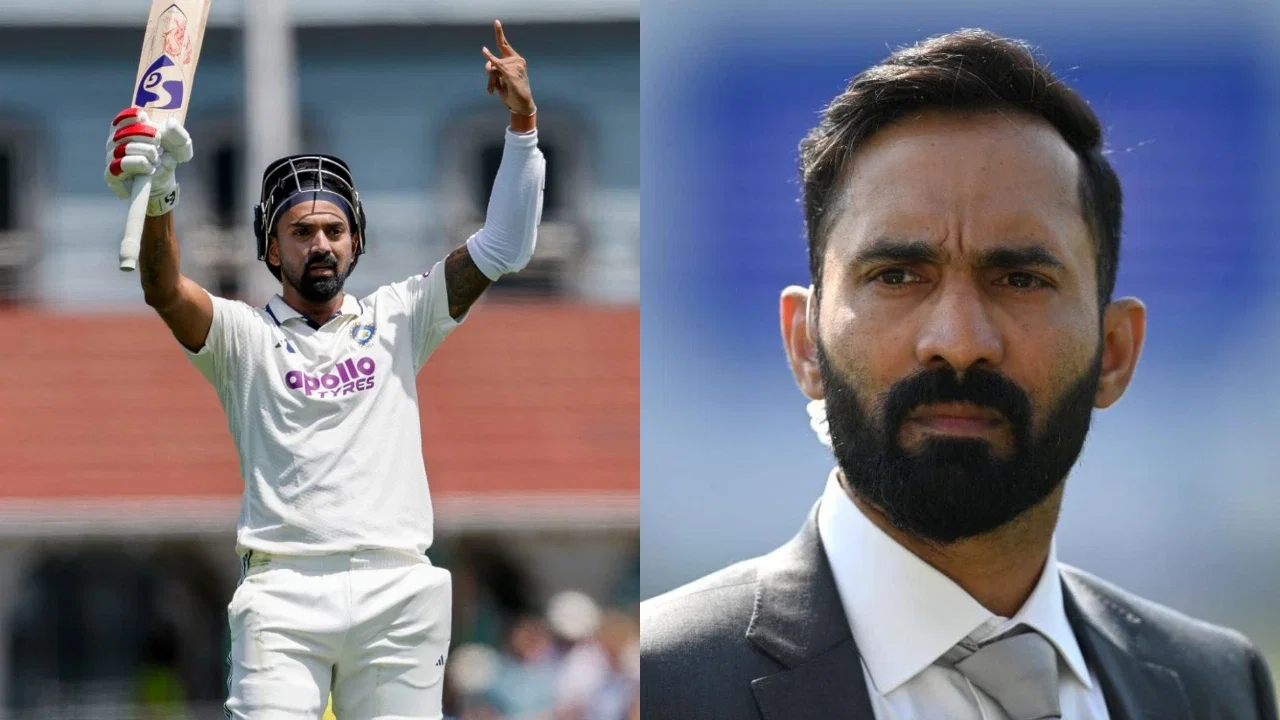
Dinesh Karthik puts KL Rahul in elite Test opener conversation after 136-run knock against New Zealand

IPL 2027: Zaheer Khan addresses CSK’s trade links with Gujarat Titans
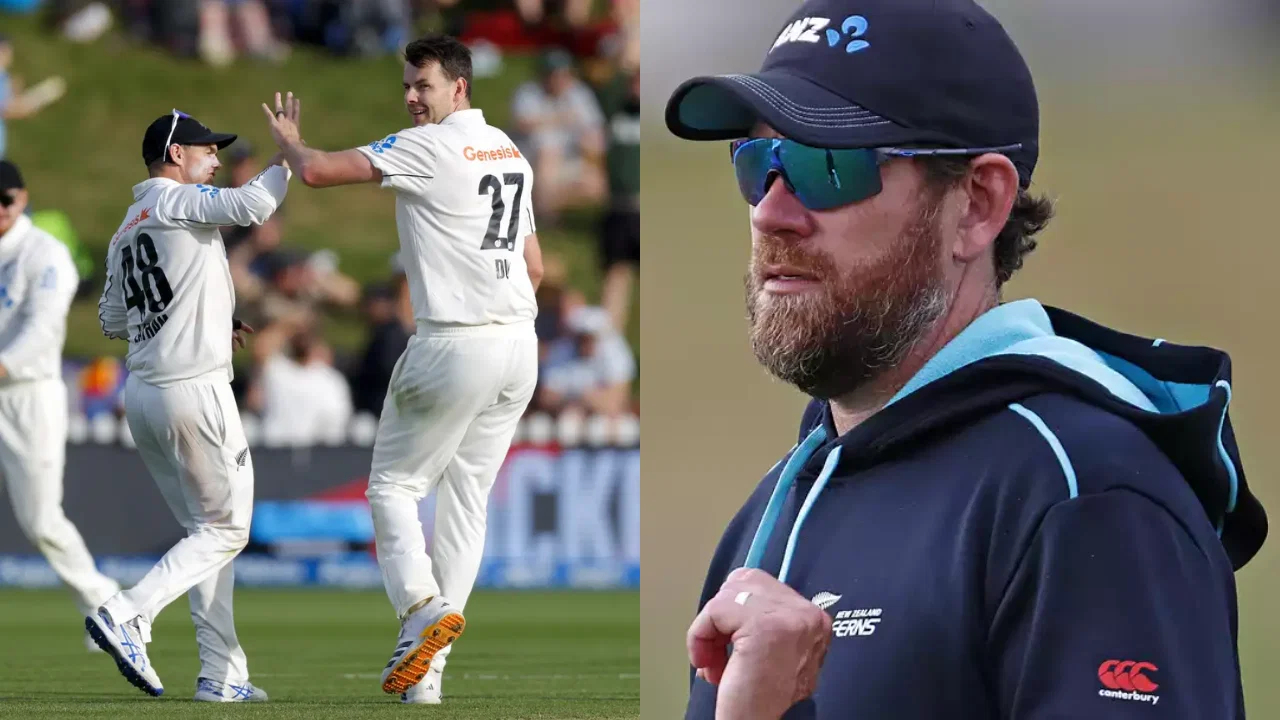
Jacob Oram refuses to judge Jacob Duffy by his expensive spell in 1st Test against India
Harry Brook smashes 24 runs off Riley Meredith in 1st AUS vs ENG T20I
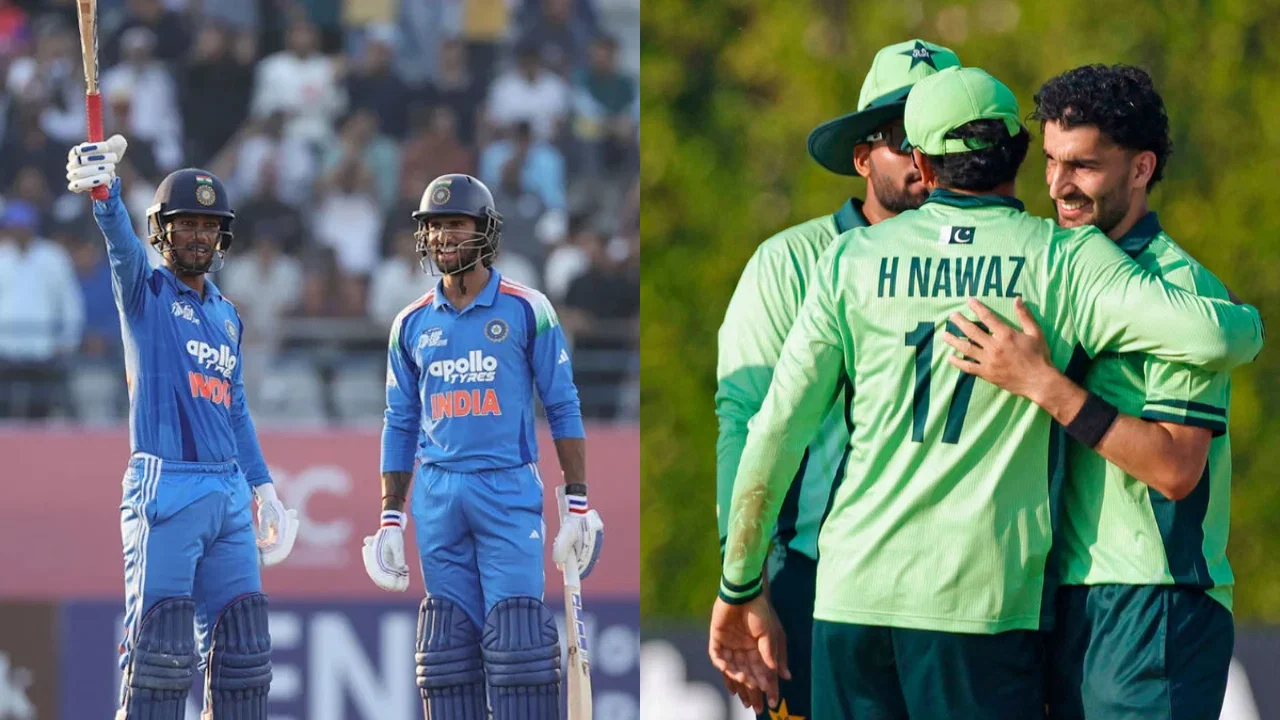
IND A vs PAK A Playing 11 Today, Live Streaming, Pitch & Weather: ACC Men’s Asia Cup Rising Stars 2026, Match 8
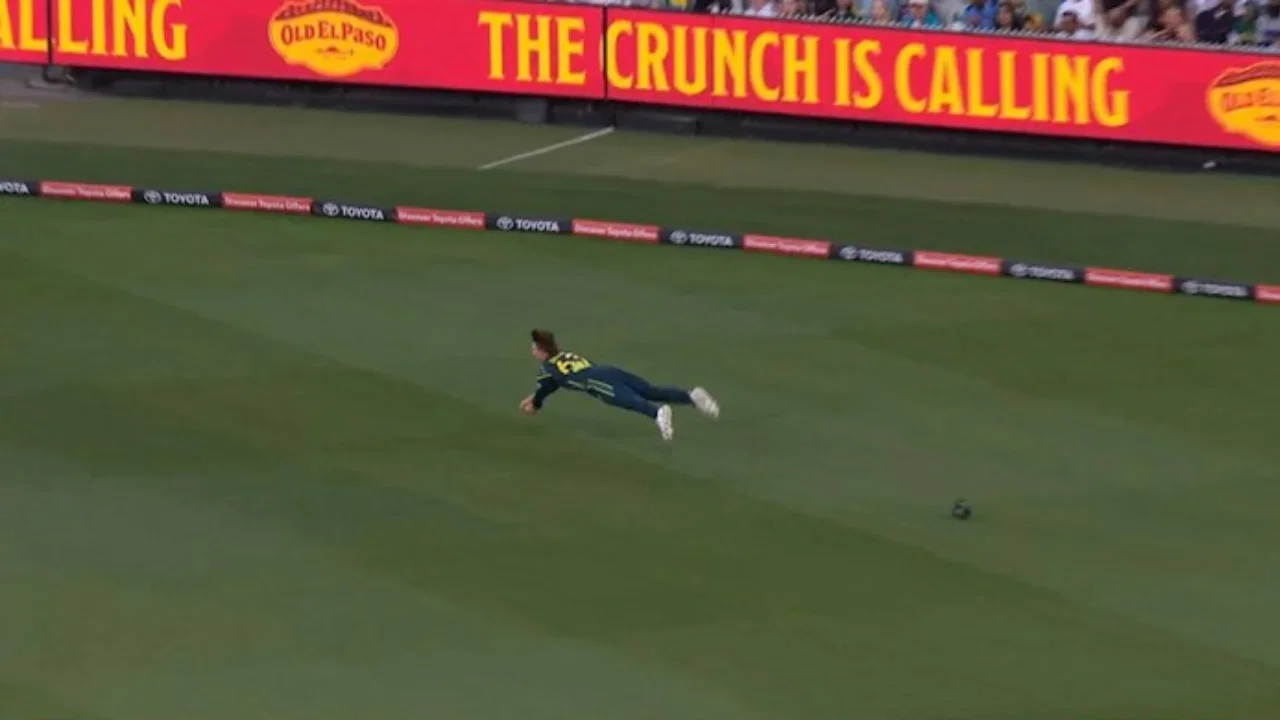
Watch: Debutant Lachlan Shaw pulls off a sensational catch in AUS vs ENG 1st T20I