Who is Vikalp Tiwari? Meet 17-year-old who became youngest captain to score T20 century
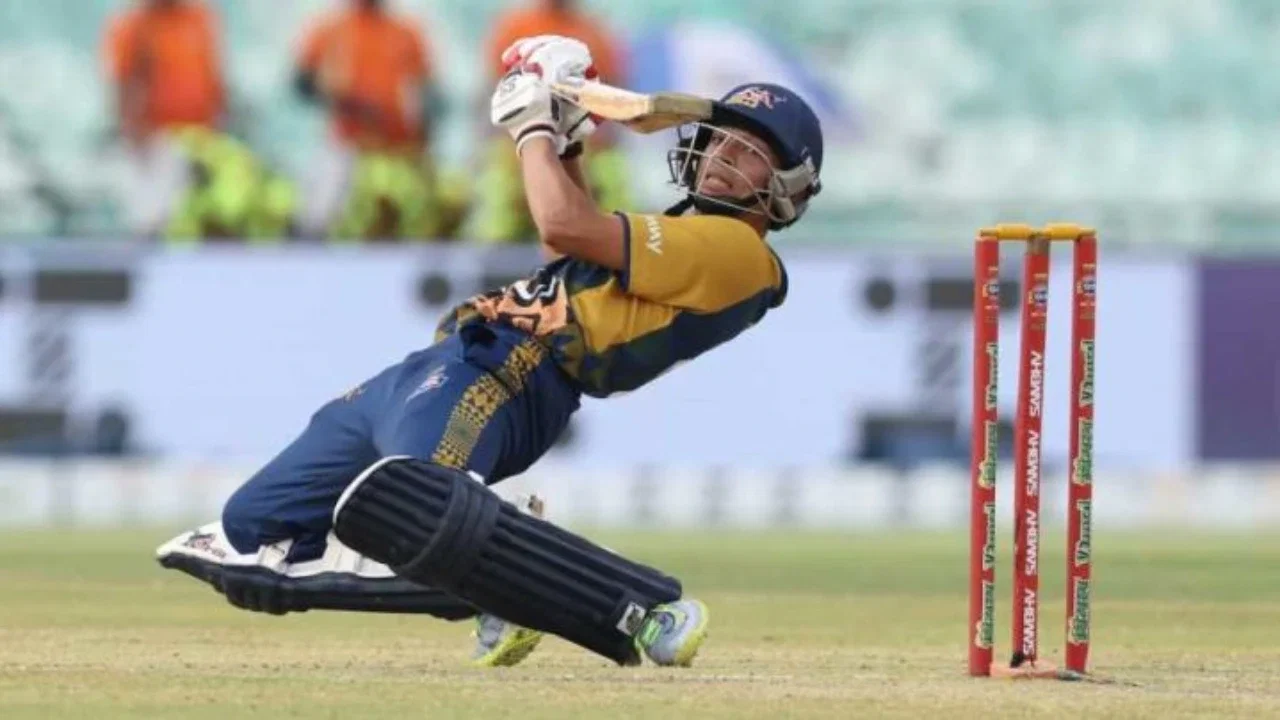
Who Is Vikalp Tiwari? The 17-Year-Old Chhattisgarh Captain Making a Remarkable Rise
Indian cricket’s next generation has produced an intriguing new name: Vikalp Tiwari, a 17-year-old batter from Chhattisgarh whose rise has been as startling as it is promising. Before making his senior T20 debut, Tiwari was entrusted with leading his state in the Syed Mushtaq Ali Trophy (SMAT) 2026—a remarkable responsibility for a player who had never appeared in a T20 match.
Tiwari made his senior debut as Chhattisgarh captain against Uttarakhand on November 14. At 17 years and 51 days old, he became the youngest player to captain a team on debut in senior cricket, according to reports. His appointment has prompted interest in his story, his development as a cricketer, and the prediction that he could grow into a player capable of performing across formats.
A Captaincy Call He Thought Was a Mistake
Tiwari’s appointment came so unexpectedly that he initially struggled to believe it. He was travelling home to Rajnandgaon with his father, Manoj, when a friend called to congratulate him. The message was simple: Tiwari had been named Chhattisgarh captain for the tournament.
At first, the teenager assumed there had been an error in the team announcement. His father was equally surprised. Manoj expected his son might earn a leadership opportunity after several more years of strong performances, not before he had played a senior T20 match.
“We both started laughing,” Manoj told News18, describing his reaction to the news. Tiwari recalled thinking that a printing mistake had put his name in the captaincy position. A few more calls eventually confirmed that the decision was real.
The appointment is striking not only because of Tiwari’s age, but also because it places him in a demanding role at the start of his senior career. A captain must manage pressure, communicate with experienced teammates and make decisions quickly—challenges that can test even established players. For Tiwari, the SMAT campaign offers an early opportunity to learn those responsibilities while competing at a higher level.
From a Local Cricket Academy to the State Team
Tiwari’s cricket journey began early. His father, a club cricketer, opened an academy in Rajnandgaon in 2010 to give local children a place to train. Vikalp began accompanying him there when he was only four years old.
Manoj introduced his son to tennis-ball cricket, sometimes placing him against Under-14 players despite the age difference. Those early games helped expose Tiwari to faster deliveries and stronger opponents. He showed promise with the bat and in the field, but fielding was initially the part of cricket he enjoyed most.
As a child, Tiwari admired Suresh Raina’s athletic fielding and Yuvraj Singh’s ability to finish matches. He has since developed an interest in England’s Jacob Bethell. Tiwari has said that he would throw a ball against a wall at home and dive to practise catching it—an early sign of the energy and commitment he brought to the discipline.
That enthusiasm may also help explain why his development has not followed a conventional path focused solely on batting statistics. Fielding demands anticipation, coordination and concentration, qualities that can strengthen a young player’s overall understanding of the game. As he takes on more responsibility, those instincts could prove useful in both his individual performance and his leadership.
Early Mornings, Long Training Days and Tougher Opponents
As Tiwari became more serious about cricket, his routine grew increasingly demanding. He began waking at 4 a.m. and reaching the ground around 4:30 a.m. for fitness work. His schedule also included cricket practice sessions at 9 a.m. and 3 p.m.
His father sought to broaden his experience beyond the local circuit, taking him to cities including Pune, Visakhapatnam, Nagpur and Jabalpur to play against different opponents. The intention was to help him face unfamiliar bowlers and adapt to a wider range of conditions.
The challenge was not always comfortable. Tiwari has recalled being frightened by the ball when he first faced older players. He sometimes wanted to stop batting, even as others encouraged him to stay at the crease and learn. With time, he came to understand the value of those difficult sessions.
That experience offers a useful glimpse into his development: progress often comes from confronting situations that initially feel intimidating. Facing older and stronger players can sharpen a batter’s judgement, improve reactions and build confidence—provided the training is managed safely and constructively. For Tiwari, those early encounters appear to have helped prepare him for the step up to senior cricket.
IPL Trial Interest and a Long-Term Prediction
Tiwari’s potential has also attracted attention from several Indian Premier League franchises. Ahead of the IPL 2027 auction, he attended trials with the Mumbai Indians, Rajasthan Royals, Kolkata Knight Riders and Lucknow Super Giants. Trials do not guarantee a contract, but interest from multiple teams indicates that scouts are monitoring his progress.
Coach Amay Khurasiya has praised Tiwari’s humility, willingness to learn and team-first attitude. Khurasiya believes the youngster could become a three-format player, while cautioning that physical development will take time. At 17, Tiwari is still growing, and his current batting relies heavily on timing rather than the strength he may develop with age and conditioning.
“He’s definitely a three-format player,” Khurasiya said, adding that people could see that potential more clearly in the coming years. His prediction is encouraging, but it is also a reminder that a young cricketer’s path is rarely linear. Consistent performances, fitness, technical development and the ability to handle pressure will all shape what comes next.
Why Vikalp Tiwari’s Progress Is Worth Watching
Tiwari’s captaincy is an unusual beginning to a senior career, but it is only one part of a broader story. His background in a family-run academy, intensive training schedule and willingness to face stronger opponents have helped build a foundation for his rise. His fielding enthusiasm, batting promise and apparent openness to coaching provide further reasons for observers to follow his progress.
For now, the most important measure will be how he responds to the demands of competitive cricket—not simply the attention surrounding his age or IPL trials. The SMAT gives him a chance to gain experience, understand senior-level tactics and demonstrate how he handles leadership alongside his own performance.
There is no certainty in any prediction about a young player’s future. Still, Vikalp Tiwari’s rapid rise has placed him among the emerging Indian cricketers to watch. If he continues learning, develops physically and makes the most of opportunities at state level, his unexpected captaincy could become the first chapter in a much larger career.
Latest News
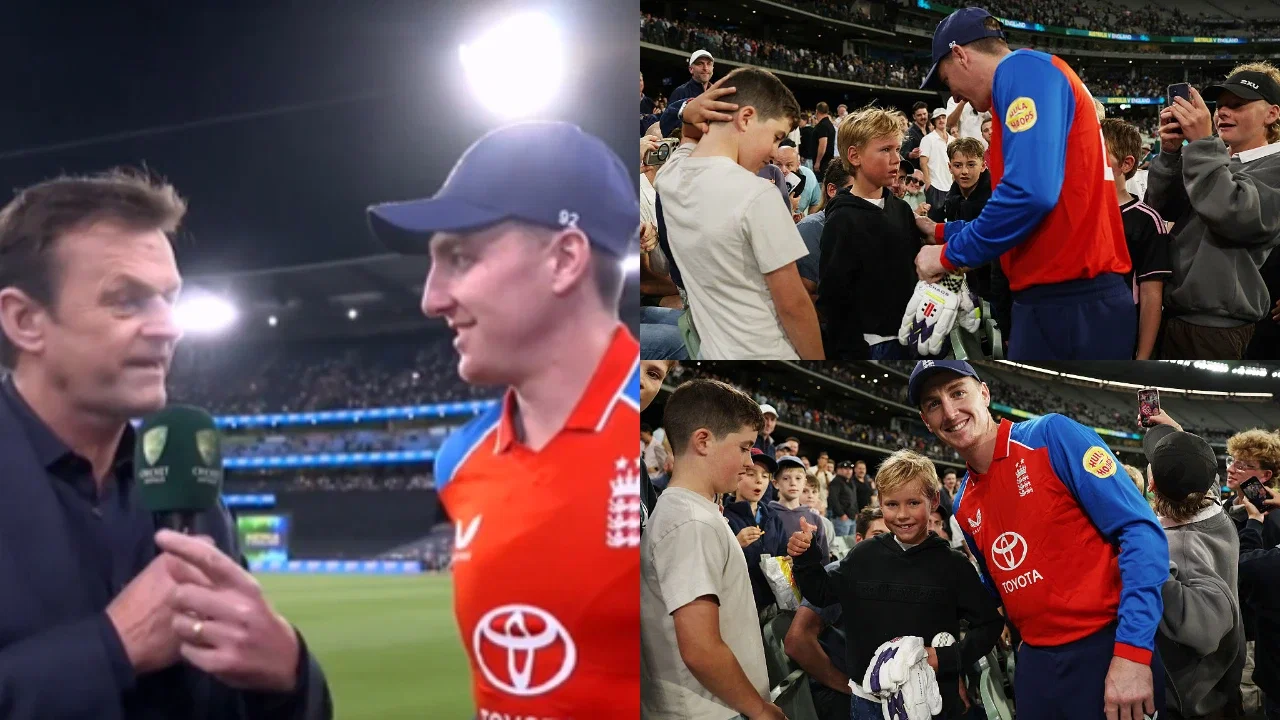
Harry Brook wins hearts with heartwarming gesture towards young Australian fan at MCG
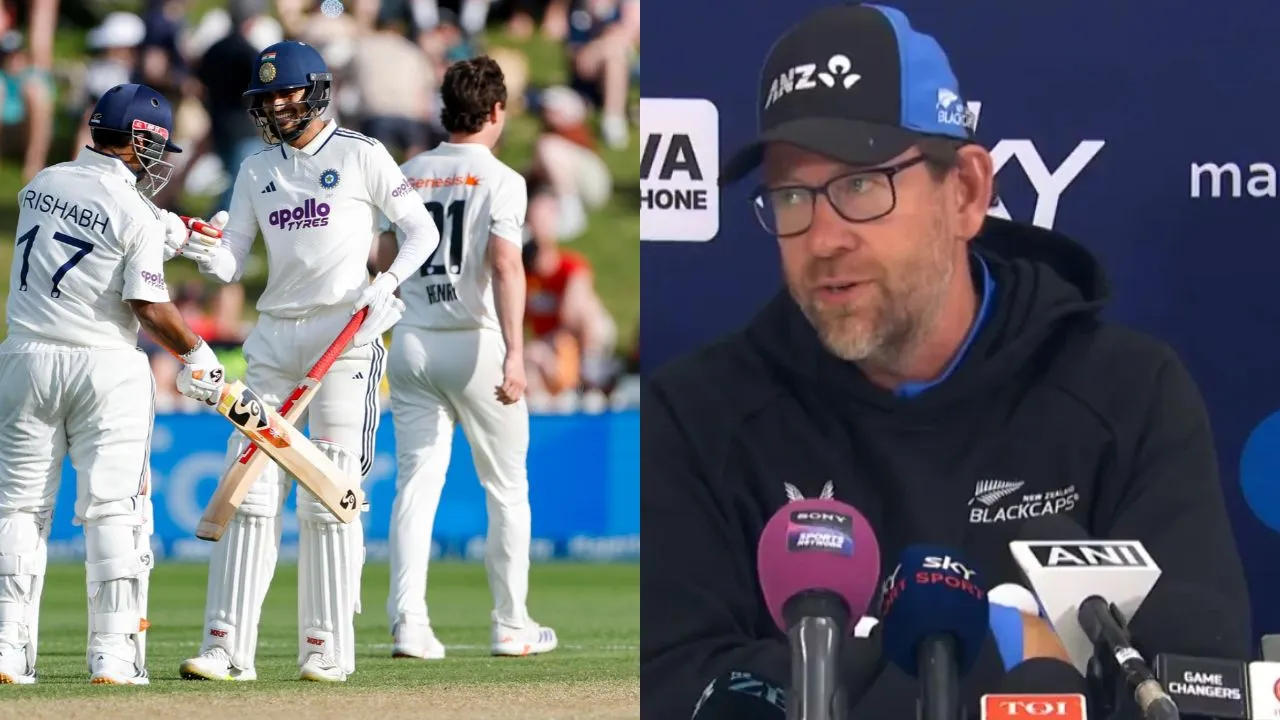
Jacob Oram questions Wellington pitch after India’s dominant batting show in 1st Test
Who is Vikalp Tiwari? Meet 17-year-old who became youngest captain to score T20 century
Darren Lehmann reflects on Australia’s dressing-room culture amid Sandpapergate row
BCCI rules out Suryakumar Yadav’s return to India’s T20I team despite amazing form
Usman Khawaja and David Warner removed from Fox Cricket commentary amid Sandpapergate claims
Matthew Hayden warns Australia and Pat Cummins of Sandpapergate fallout ahead of India Test series
IND vs PAK: Here’s why Pakistan won the Blind Asia Cup 2026 despite no final being played
Dinesh Karthik puts KL Rahul in elite Test opener conversation after 136-run knock against New Zealand
IPL 2027: Zaheer Khan addresses CSK’s trade links with Gujarat Titans
Jacob Oram refuses to judge Jacob Duffy by his expensive spell in 1st Test against India
Harry Brook smashes 24 runs off Riley Meredith in 1st AUS vs ENG T20I
IND A vs PAK A Playing 11 Today, Live Streaming, Pitch & Weather: ACC Men’s Asia Cup Rising Stars 2026, Match 8
Watch: Debutant Lachlan Shaw pulls off a sensational catch in AUS vs ENG 1st T20I