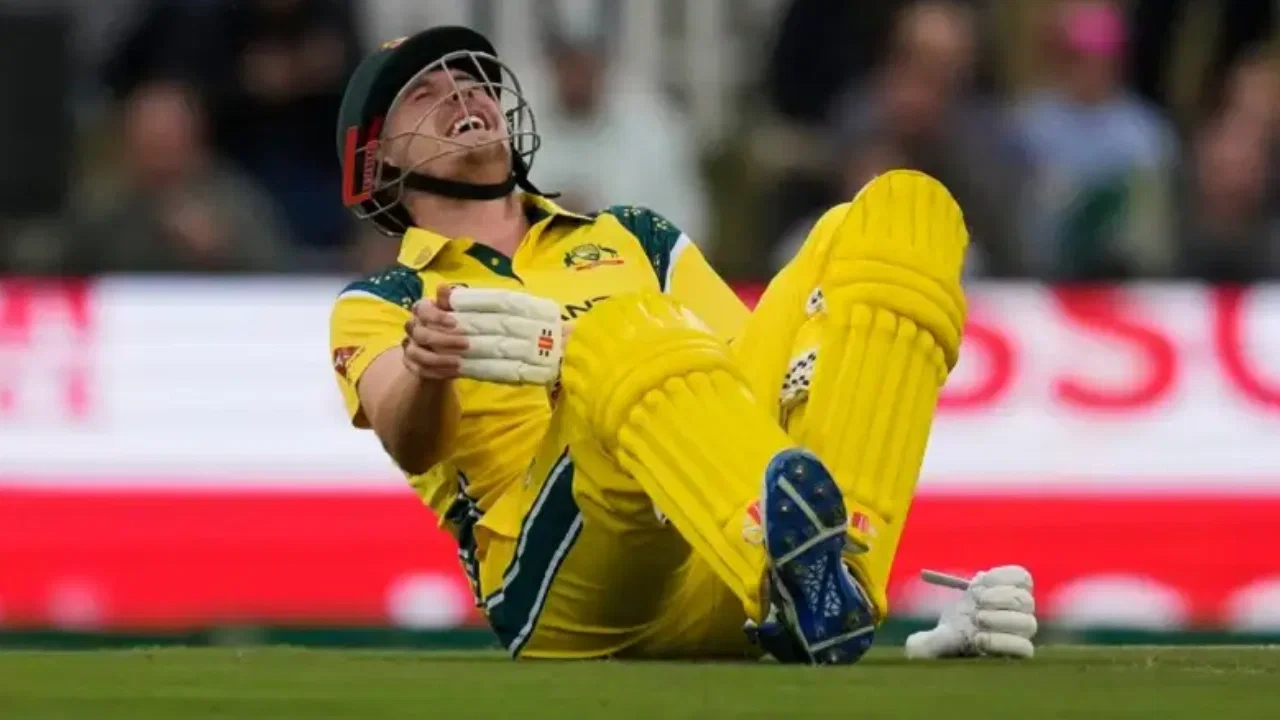
Watch: Debutant Lachlan Shaw pulls off a sensational catch in AUS vs ENG 1st T20I
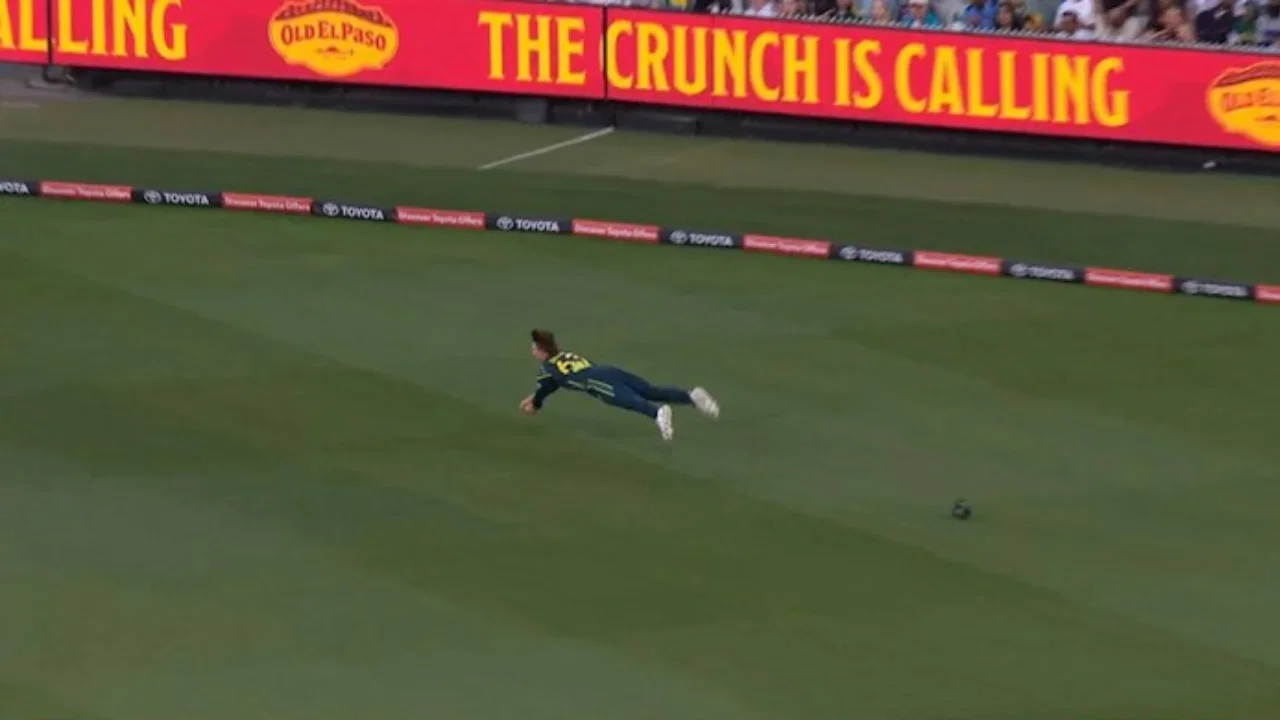
Lachlan Shaw’s Stunning Debut Catch Lights Up Australia vs England T20I
Australia debutant Lachlan Shaw made an immediate impression in international cricket, producing a spectacular diving catch to dismiss Tom Banton during the opening T20I against England at the Melbourne Cricket Ground. The moment brought the MCG crowd to life and helped Australia break up a threatening partnership as England finished their innings on 187 for nine.
Shaw, stationed at deep backward square leg, sprinted across the outfield before launching into a full-length dive to his right. He held on with both hands despite landing heavily on his elbows, completing a remarkable piece of fielding under pressure. The catch, taken from Ben Dwarshuis’ bowling in the 10th over, quickly became one of the defining highlights of the match—and a memorable start to Shaw’s T20I career.
How Shaw Took the Catch That Changed England’s Momentum
The dismissal came on the fifth ball of the over. Dwarshuis delivered a short-of-a-length ball outside off stump at 132.5 kilometres per hour, and Banton moved back to pull. The batter did not make clean contact, sending the ball off the inside half of his bat toward the deep square-leg region.
Shaw reacted instantly. He covered ground to his right, judged the ball’s flight and committed to a full-stretch dive. The catch was difficult not only because of the distance involved, but also because Shaw had to maintain control while moving at speed. His secure two-handed take ended Banton’s innings for 39 from 22 balls and gave Australia a crucial breakthrough.
The moment also carried added significance for an Australian side looking to sharpen its fielding after a challenging period. A debutant delivering such a composed and athletic effort offered an encouraging sign, while the wicket helped Australia claim two important dismissals in quick succession after England’s leading batters had established themselves.
Harry Brook Leads England’s Recovery with a Rapid Fifty
England’s innings began badly when Phil Salt was caught at mid-off from the very first delivery, bowled by Joel Davies. Jack Edwards then removed Aneurin Donald for 10 in the third over, leaving the visitors under early pressure and in need of a substantial partnership.
Captain Harry Brook supplied the response. He benefited from two missed chances, with Jake Fraser-McGurk and Adam Zampa unable to hold opportunities when Brook was on two and three. The reprieves proved costly for Australia: Brook accelerated dramatically, reaching a half-century from just 20 balls, the second-fastest T20I fifty of his career.
Brook eventually made 65 from 28 deliveries, combining clean hitting with sharp placement as England surged forward. He and Banton added 97 for the third wicket, transforming the innings after the early setbacks. Nikhil Chaudhary finally broke the stand by dismissing Brook, but England had already built considerable momentum.
Banton continued the attack, striking five fours and a six before Shaw’s catch ended his innings. Will Jacks also fell soon afterwards, giving Australia an opportunity to restrict England. However, the lower order kept the scoring moving. Contributions from Sam Curran and Jordan Cox, followed by Liam Dawson and Cox, helped England approach the 190-run mark despite losing wickets regularly.
Australia’s Bowling Effort Keeps the Total in Check
England reached 117 in the first 10 overs, putting themselves in position for a potentially imposing total. Australia responded by taking wickets and limiting the visitors’ ability to sustain their early scoring rate through the closing stages.
Edwards and Chaudhary finished with two wickets apiece, while each of Australia’s other four bowlers claimed one. The spread of wickets reflected a collective effort rather than reliance on a single bowler. Although Brook’s explosive innings and the middle-order partnerships kept England competitive, Australia’s breakthroughs prevented a late surge from carrying the total much higher.
At 187 for nine, England had set a demanding target, particularly after their rapid start. The score left the contest finely balanced: Australia had to contend with a strong total, while England could take confidence from their recovery and the pressure generated by Brook’s innings.
Debut Opportunities for Shaw and Sam Harper
Shaw was not the only Australian making his T20I debut. Victoria wicketkeeper Sam Harper also earned his first appearance in the format as Australia reshaped its side for the series opener. Josh Inglis and opener Travis Head were rested as they prepared for the upcoming Test summer, creating opportunities for new faces.
Harper’s selection opened the door for Jake Fraser-McGurk to return to international cricket for the first time since July of the previous year. Fraser-McGurk had strengthened his case with a strong start to the domestic season for South Australia in the One-Day Cup, and the match offered him a chance to translate that form to the international stage.
Australia’s pace resources had also been affected by injuries. Mahli Beardman and Xavier Bartlett were unavailable for the series because of a quadriceps strain and a knee injury, respectively. Billy Stanlake was added as cover, while Adam Zampa returned to the playing XI after missing the third one-day international with back spasms.
What Shaw’s Debut Means for Australia
One catch cannot determine the direction of a series, but Shaw’s effort gave Australia an early talking point and demonstrated the value of athletic fielding in T20 cricket. With batters increasingly able to score quickly across the ground, a sharp boundary catch can halt momentum just as effectively as a well-executed delivery.
Shaw’s performance may also strengthen his case for further opportunities, particularly if Australia continue to rotate players around a demanding international schedule. His composure under pressure was notable: rather than hesitate or attempt a safer option, he committed fully and completed the chance cleanly.
For fans considering an early series prediction, England’s 187 for nine suggested that the contest could remain closely fought. Brook’s power showed how quickly England can take control, while Australia’s spread of wickets and Shaw’s standout fielding offered reasons for optimism among the hosts. The opening T20I therefore delivered more than a competitive first-innings total—it introduced a promising newcomer and set up an intriguing test of Australia’s batting against England’s varied attack.
Latest News
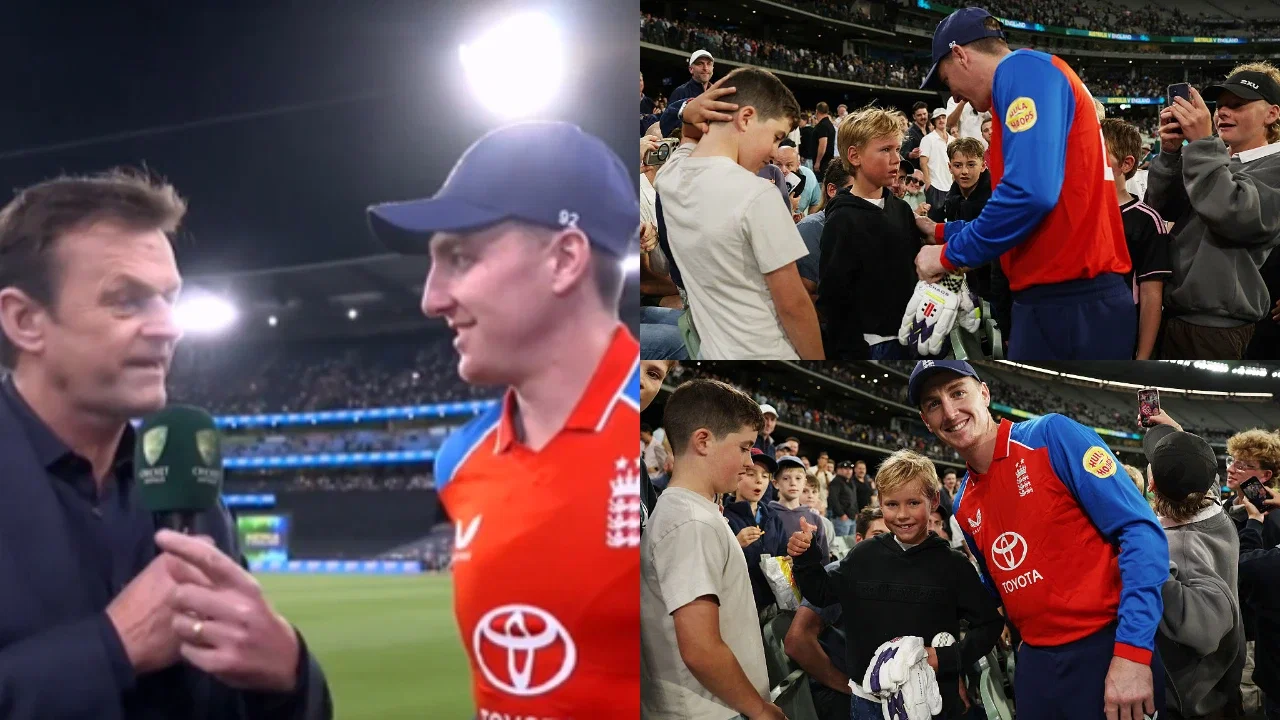
Harry Brook wins hearts with heartwarming gesture towards young Australian fan at MCG
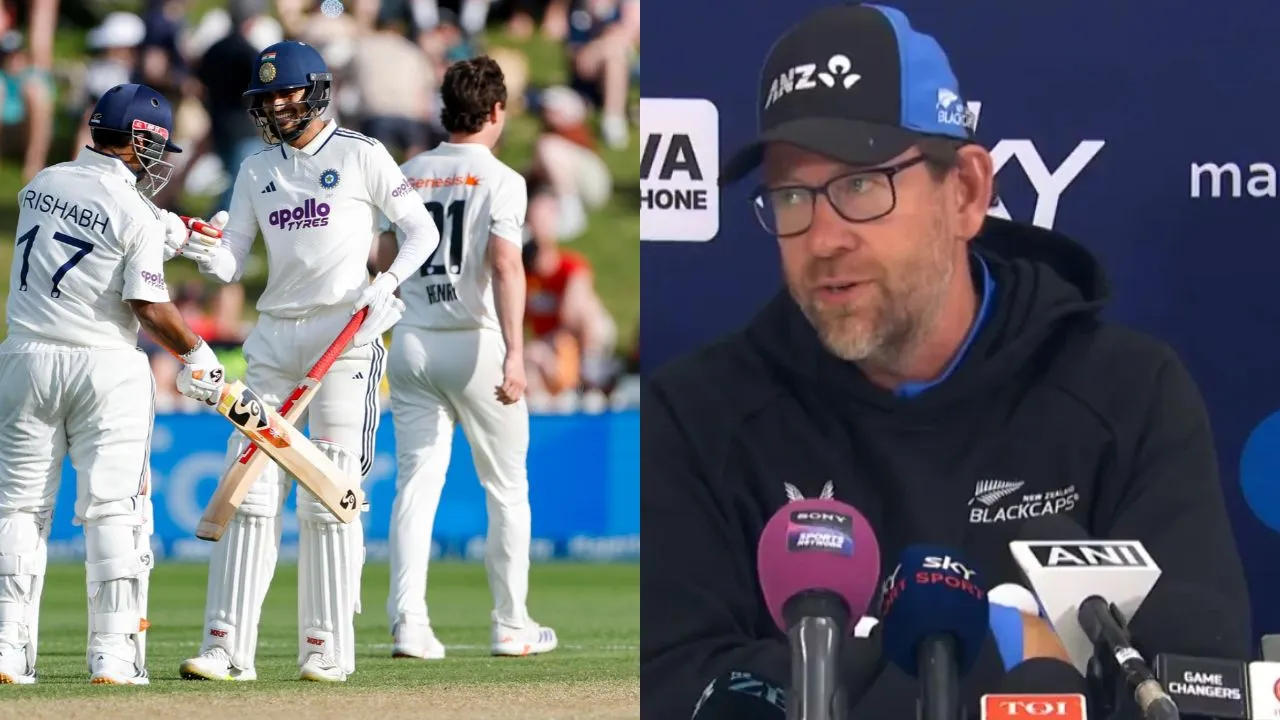
Jacob Oram questions Wellington pitch after India’s dominant batting show in 1st Test
Who is Vikalp Tiwari? Meet 17-year-old who became youngest captain to score T20 century
Darren Lehmann reflects on Australia’s dressing-room culture amid Sandpapergate row
BCCI rules out Suryakumar Yadav’s return to India’s T20I team despite amazing form
Usman Khawaja and David Warner removed from Fox Cricket commentary amid Sandpapergate claims
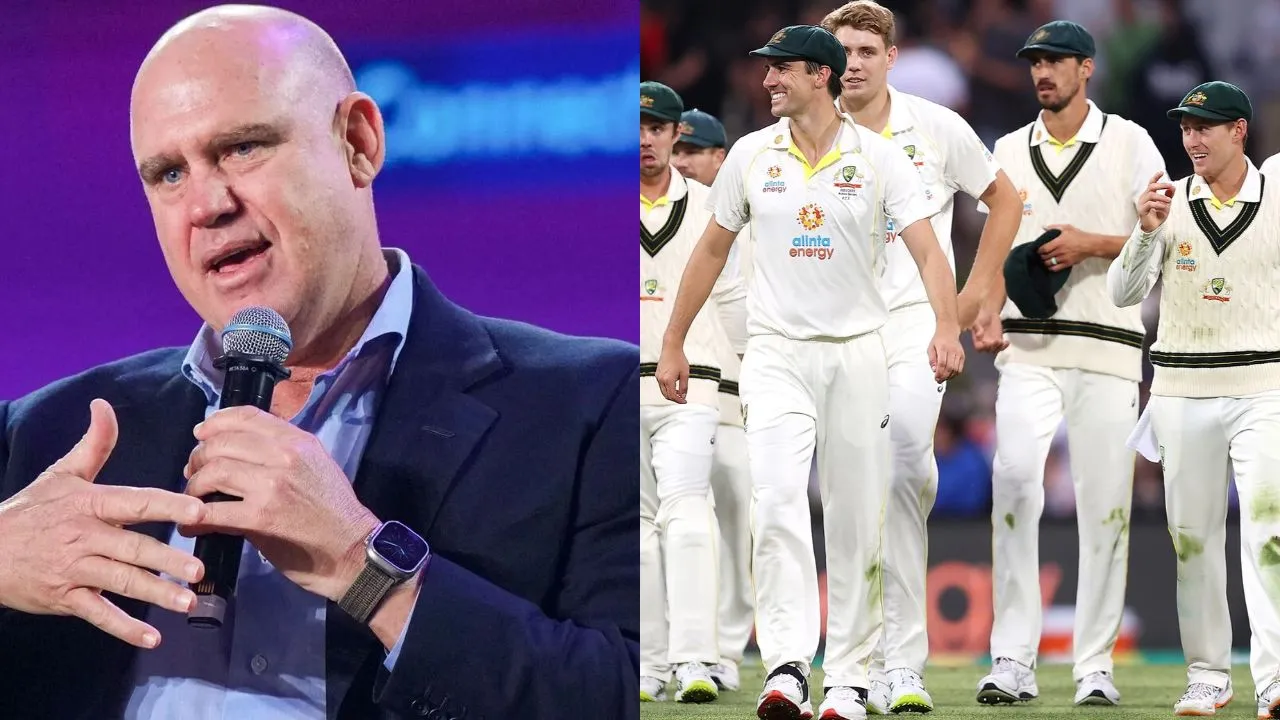
Matthew Hayden warns Australia and Pat Cummins of Sandpapergate fallout ahead of India Test series
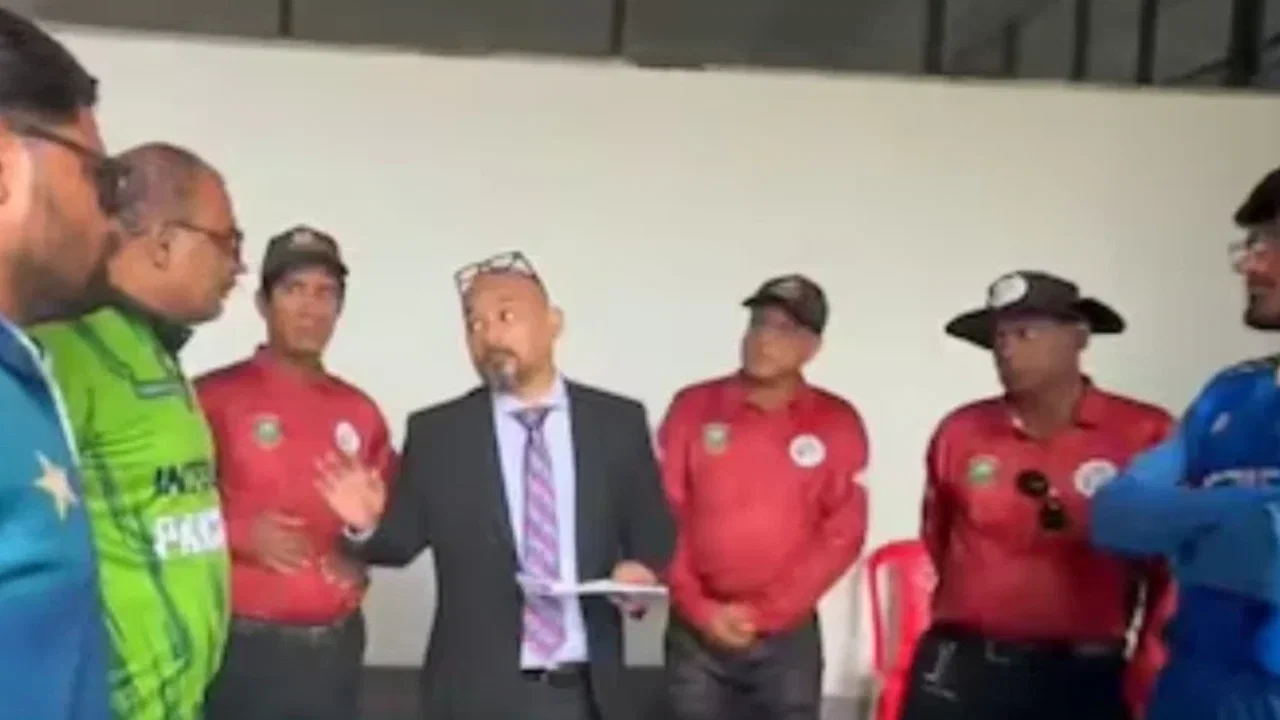
IND vs PAK: Here’s why Pakistan won the Blind Asia Cup 2026 despite no final being played
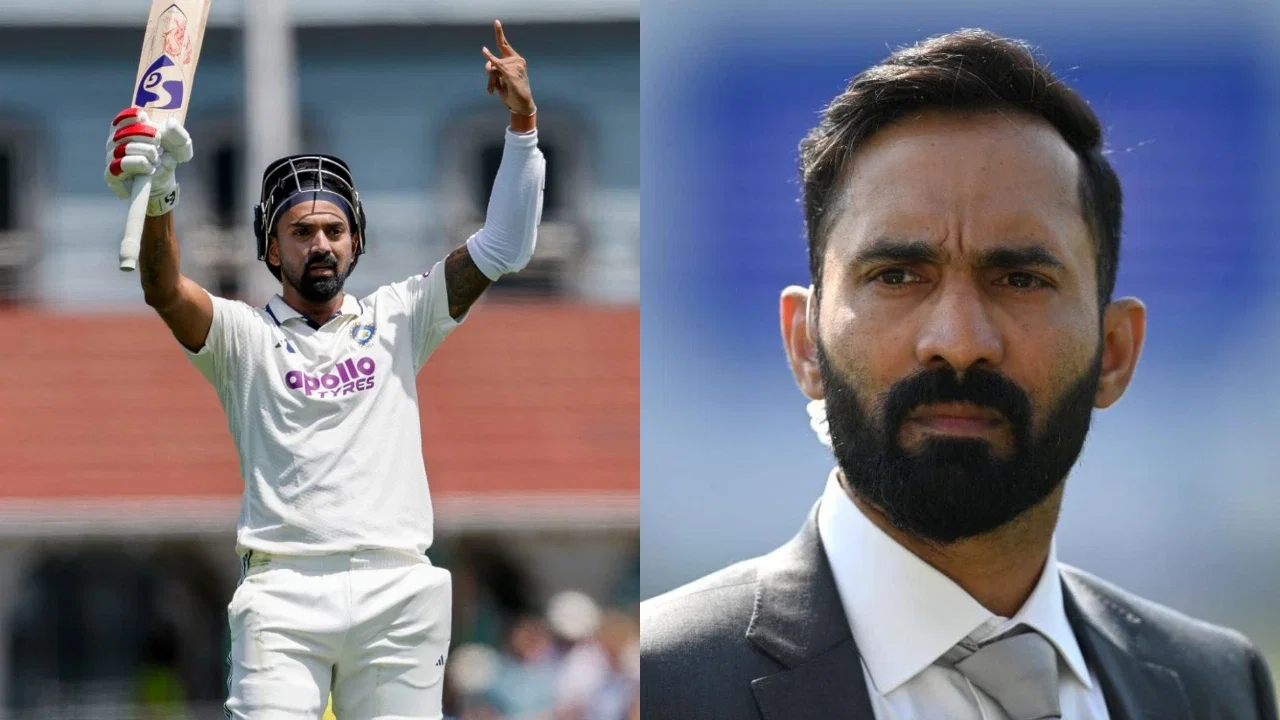
Dinesh Karthik puts KL Rahul in elite Test opener conversation after 136-run knock against New Zealand
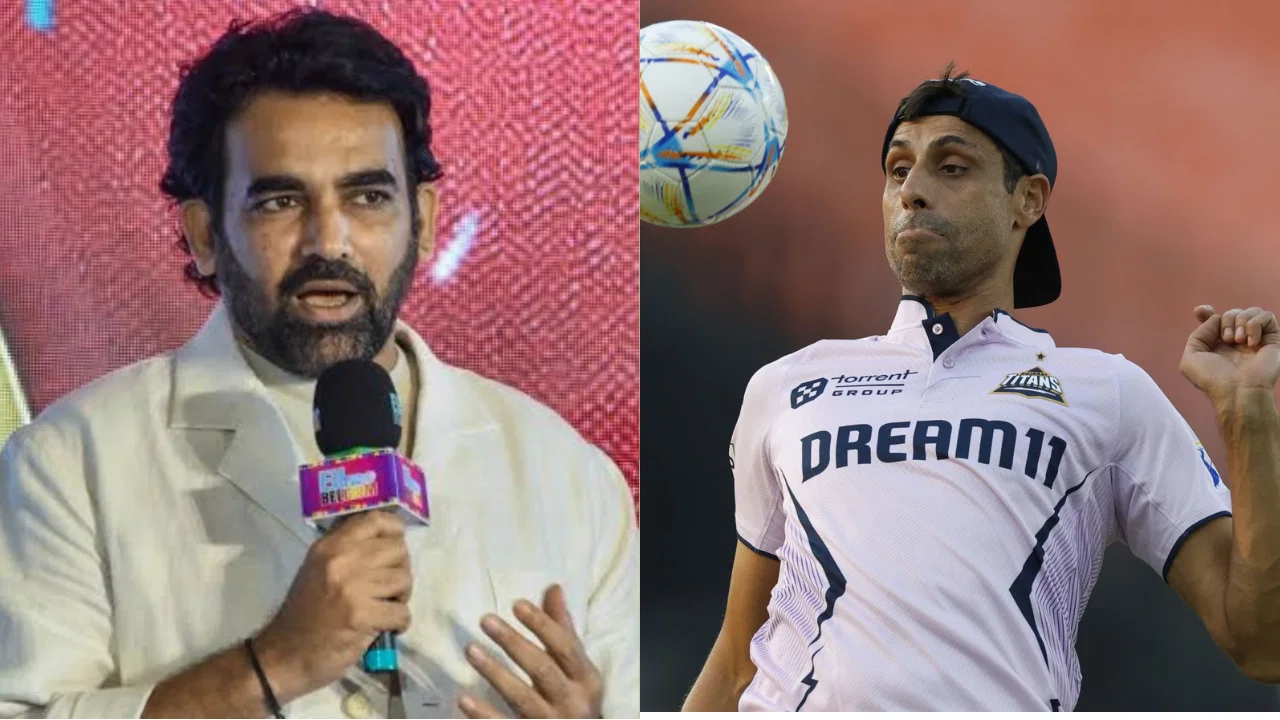
IPL 2027: Zaheer Khan addresses CSK’s trade links with Gujarat Titans
Jacob Oram refuses to judge Jacob Duffy by his expensive spell in 1st Test against India
Harry Brook smashes 24 runs off Riley Meredith in 1st AUS vs ENG T20I
IND A vs PAK A Playing 11 Today, Live Streaming, Pitch & Weather: ACC Men’s Asia Cup Rising Stars 2026, Match 8
Watch: Debutant Lachlan Shaw pulls off a sensational catch in AUS vs ENG 1st T20I