Ben Stokes ruled out of PSL 2027 as Multan Sultans confirm England star’s unavailability
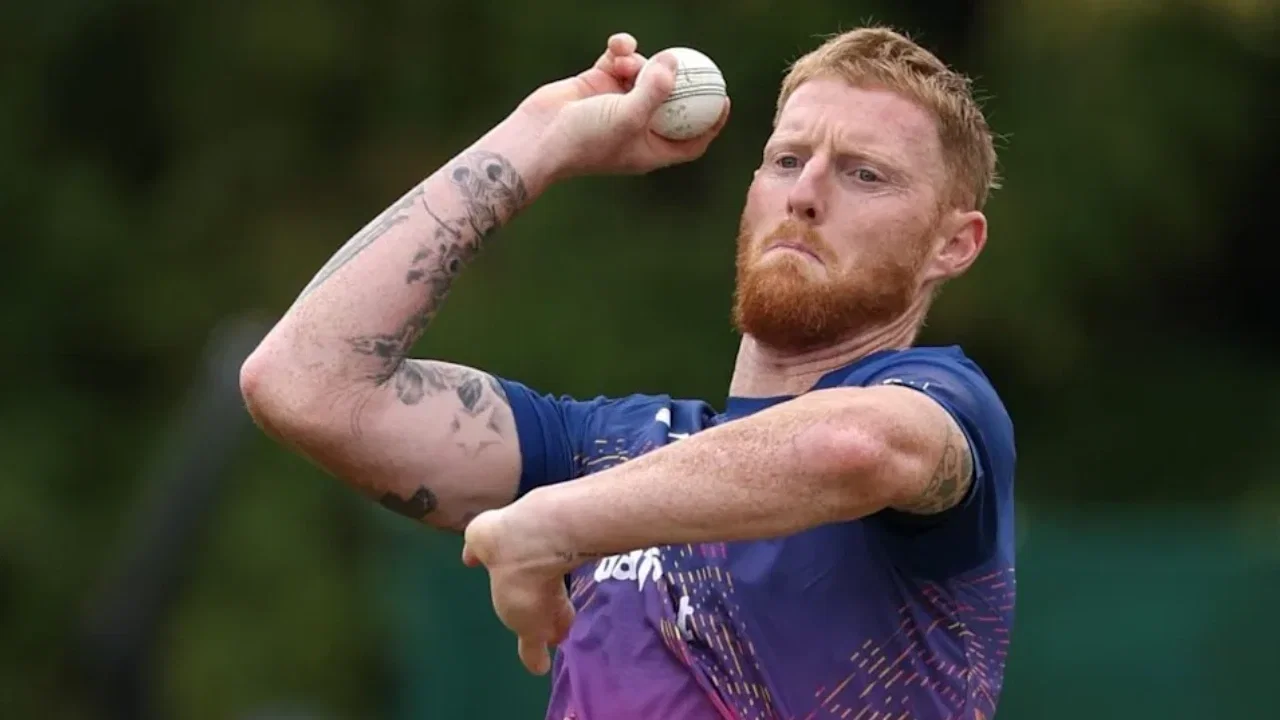
Ben Stokes to Miss PSL 2027 as ECB Rules Complicate Overseas League Plans
Former England captain Ben Stokes will not play in the 2027 Pakistan Super League (PSL), ending speculation that the celebrated all-rounder could feature in Pakistan’s leading T20 competition after stepping away from international cricket. Multan Sultans representative Gohar Shah confirmed on Sunday, November 15, that Stokes would be unavailable for the upcoming season.
The news is notable because Stokes has begun exploring opportunities in franchise cricket around the world since retiring from the England national team. His expected appearance for the Adelaide Strikers in the 2026–27 Big Bash League (BBL) had prompted questions about whether a PSL stint might also be on the cards. Shah’s statement, however, makes clear that fans should not expect to see the England star in the league in 2027.
Multan Sultans confirm Stokes’ absence
Talk of a possible Stokes move to the PSL gathered pace on social media and in preliminary reports, with some suggestions that the all-rounder was interested in testing himself in Pakistan’s fast-paced T20 tournament. His BBL commitment added fuel to the discussion: if he was prepared to play in Australia, observers wondered, could he also join a PSL franchise?
For now, the answer is no. Shah’s confirmation settles the immediate question of Stokes’ participation, though it does not necessarily rule out every future opportunity. Franchise plans depend on availability, scheduling, player commitments and the approvals required for overseas appearances. In Stokes’ case, the English domestic calendar and the England and Wales Cricket Board’s (ECB) regulations have been central to the uncertainty.
Why the ECB’s NOC rules matter
Retirement from international cricket does not automatically give an English player unrestricted access to overseas leagues. Before taking part in a competition abroad, a player may still need a No Objection Certificate (NOC) from the ECB. The certificate is an important part of the approval process, particularly when a proposed league overlaps with England’s domestic season.
The ECB’s policy is designed to protect the structure of domestic cricket and ensure that county competitions retain access to eligible players. Even when a cricketer no longer holds an England central contract, the board can assess an NOC application and may refuse permission if overseas commitments conflict with domestic responsibilities.
That framework is especially relevant to Stokes. He has continued to play for Durham in the County Championship, where he has been an important contributor. A PSL appearance during a period that clashes with county fixtures could therefore create a direct scheduling problem, making approval far from certain.
What changed in the ECB’s 2024 guidance?
ECB regulations updated in 2024 clarified the board’s authority over NOC requests from players who are not centrally contracted but remain registered with a domestic county. As reported by The Guardian, the ECB can reject an application if an overseas franchise competition is scheduled, in whole or in part, during the English domestic season.
The policy also signals that players who choose an overseas league over domestic commitments could face consequences. The ECB has argued that such decisions may undermine the “predictability, stability and consistency” of its competitions. In practice, that means a player’s retirement from international cricket does not necessarily remove the need to consider county cricket when planning a franchise schedule.
These rules help explain why the PSL speculation never became a confirmed signing. A player’s interest is only one part of the equation; the timing of the tournament and the status of the player’s domestic registration can be just as important. Until the relevant approvals and schedules align, a potential deal remains uncertain.
How the BBL fits into the picture
Stokes’ reported commitment to the Adelaide Strikers has made his franchise plans particularly interesting to followers of the global T20 circuit. The BBL and PSL are both high-profile competitions, but participation in one does not automatically guarantee permission to join the other. Each league has its own dates, contract arrangements and potential overlap with county cricket.
The distinction also highlights the importance of timing. A player may be available for one overseas tournament while being unable to take part in another, depending on where each competition falls in the calendar. Any exception or approval would need to be considered in the context of the ECB’s rules and the player’s domestic obligations—not simply their retirement from international duty.
What Stokes’ absence means for the PSL
For the PSL, Stokes would have brought considerable experience and star power. A proven international all-rounder, he is known for combining aggressive batting with useful seam bowling and a competitive presence in high-pressure matches. His absence means Multan Sultans and the other franchises will need to look elsewhere for overseas players capable of making a similar impact.
It also underlines a wider challenge for franchise leagues: attracting leading overseas talent is not only about salary, team role or player interest. International calendars, domestic competitions and national-board regulations can all shape who is available. As leagues compete for established names, the ability to plan around those constraints remains a major part of squad building.
For supporters searching for a Ben Stokes PSL 2027 prediction, the latest confirmation points clearly in one direction: he is not expected to feature in the tournament this season. His future in franchise cricket remains a separate question, particularly as he explores opportunities such as the BBL. But for the upcoming PSL campaign, the speculation has been put to rest.
Stokes’ case offers a useful reminder that international retirement is not the same as complete independence from domestic cricket rules. Until the ECB’s approval requirements and the English season permit a move, an overseas league opportunity can remain out of reach—even for one of the game’s most prominent players.
Latest News
ICC confirms future WTC finals and World Cup windows until 2035
“I have no further comments”: Cameron Bancroft responds to Usman Khawaja’s Sandpapergate remarks
‘Wasn’t getting the grip’: Sunil Gavaskar reveals why Mohammed Siraj took time to find rhythm
“Roko for maybe the last time”: Mitchell Santner confirms Virat Kohli and Rohit Sharma’s retirement
“It’s a great achievement”: Shreyas Iyer reacts as India complete ODI and T20I series double in New Zealand
Shreyas Iyer set for Syed Mushtaq Ali Trophy return after India’s series double in New Zealand
Ben Stokes ruled out of PSL 2027 as Multan Sultans confirm England star’s unavailability
Mitchell Santner opens up on his hand injury, credits Shreyas Iyer for India’s 3-1 ODI series win
“Never know what will happen”: Shreyas Iyer highlights key lessons for India ahead of 2027 ODI World Cup
Sam Billings returns as Dubai Capitals captain for ILT20 2026, set to miss BBL matches
“Has Been really grateful”: Arshdeep Singh credits fiancee Samreen Kaur after POTM performance vs New Zealand
“Calm and composed like MS Dhoni”: Uttarakhand head coach compares Lakshya Raichandani with former captain
Gautam Gambhir takes subtle dig at Rohit Sharma and Virat Kohli, says ‘bowlers win you series’
Dinesh Karthik credits Mohammed Siraj and Arshdeep Singh for India’s win vs NZ in 5th ODI