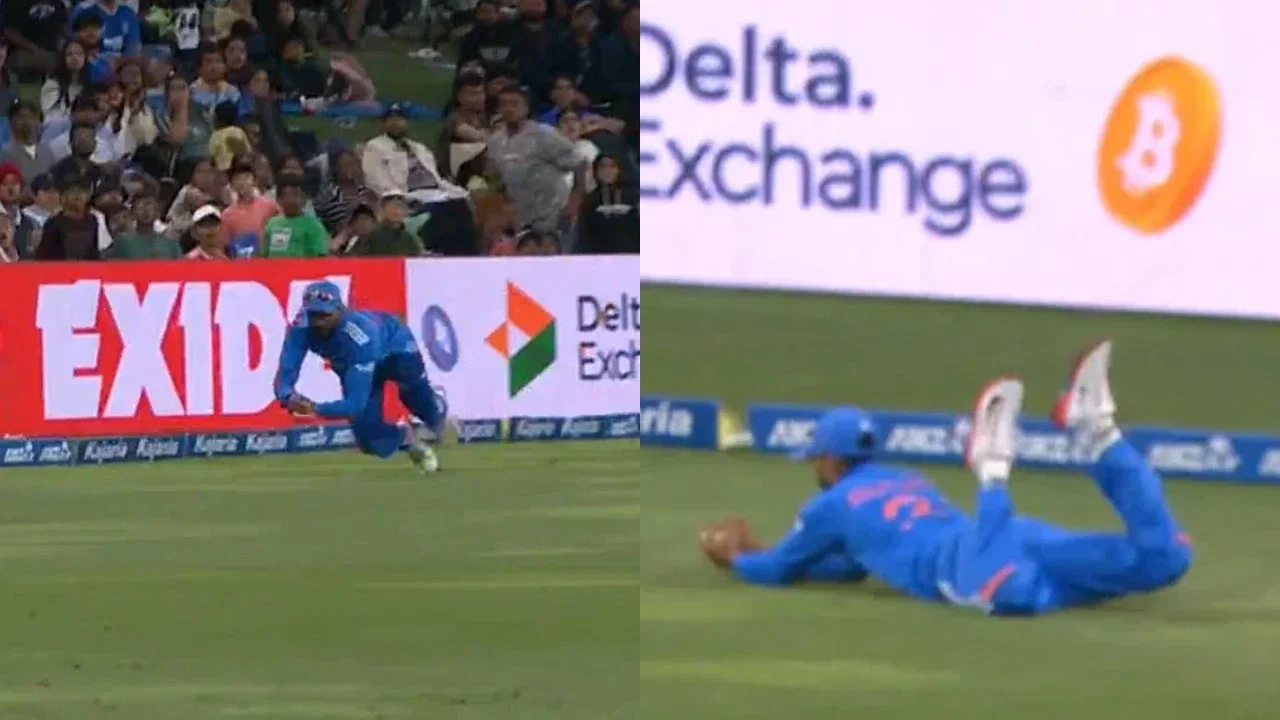
“Never know what will happen”: Shreyas Iyer highlights key lessons for India ahead of 2027 ODI World Cup
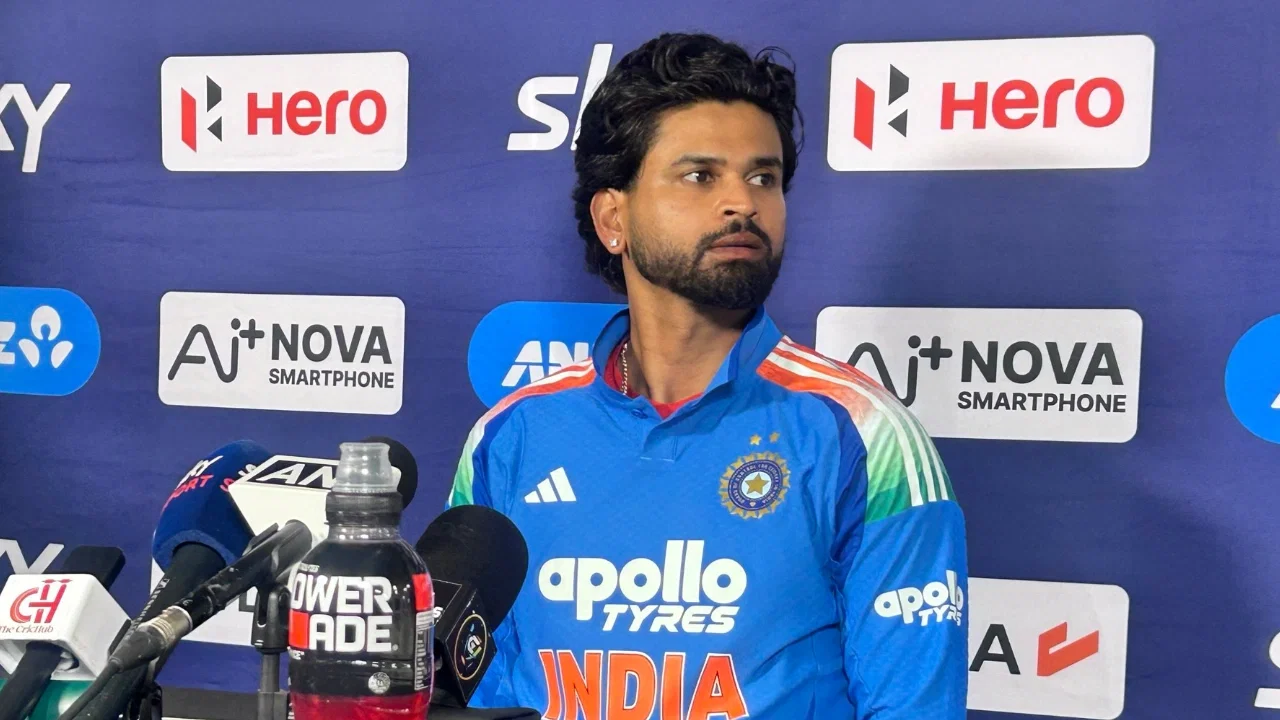
India’s New Zealand ODI Series Offers Crucial Lessons Ahead of the 2027 World Cup
India’s ODI series in New Zealand delivered more than a trophy. The closely contested campaign gave the team valuable clues about its batting, bowling and decision-making ahead of the 2027 ODI World Cup, which will be hosted across South Africa, Zimbabwe and Namibia. With conditions in southern Africa expected to offer pace and bounce, the challenges India encountered against New Zealand’s seamers could prove especially relevant.
After the fifth ODI in Tauranga, stand-in captain Shreyas Iyer reflected on the series’ main takeaways. His comments were measured: conditions can change quickly, difficult defeats must be put behind the team, and disciplined bowling partnerships can decide matches when runs are hard to find. Those lessons may shape India’s preparation as the tournament approaches, even though any prediction about World Cup pitches remains uncertain.
India Take the Series After a Testing Contest
India secured the five-match series 3-1, with one fixture abandoned because of rain. The final result was positive, but the route to it was demanding. India’s batters struggled to maintain consistency, particularly after the rain-affected third match, while New Zealand’s bowlers found ways to exploit conditions that favoured seam movement.
India’s regular ODI captain, Shubman Gill, was unavailable for the final two games, leaving Iyer to lead the side. His brief spell in charge produced mixed results: India lost the fourth ODI, then responded with a 22-run victory in the fifth to seal the series. For Iyer, that one-win, one-loss record made the captaincy experience a balanced test rather than a straightforward success story.
The final match underlined how sharply a contest can turn when the pitch and weather assist the bowlers. India were dismissed for 209, a total that appeared vulnerable, but their attack defended it through persistence and well-timed changes in bowling combinations. New Zealand also found run-scoring difficult, showing that the conditions affected both teams rather than exposing only India’s batting.
Iyer: South Africa Conditions Are Difficult to Predict
Iyer cautioned against assuming that the conditions in New Zealand provide a precise forecast for the 2027 World Cup. South Africa’s weather, pitch preparation and match-day conditions will be different, and even venues within the same country can behave in contrasting ways. Zimbabwe and Namibia will add further variety to the tournament’s playing conditions.
“You never know what will happen in South Africa. The weather will be different,” Iyer said after the fifth ODI. He noted that neither batting lineup had performed to its usual standard in the final match because the surface was offering assistance to the bowlers. His point is an important one for India’s planning: preparation should account for possible pace-friendly conditions without treating any single series as a guaranteed prediction of what lies ahead.
New Zealand fast bowler Matt Henry was particularly effective, according to Iyer, who described his bowling as “lethal.” India’s response to that challenge will be a key area of focus. Against high-quality seam attacks, batters need more than aggressive intent; they must also judge when to leave, when to rotate the strike and when to attack. Building innings through difficult passages could be just as important as scoring quickly once conditions ease.
What the Series Revealed About India’s Batting
India’s uneven batting across the series offers both a warning and an opportunity. A 3-1 result is a strong outcome, but limited-overs tournaments are often decided by a handful of high-pressure moments. If the 2027 World Cup brings movement off the pitch or extra bounce, India will need a flexible approach that can adapt to the surface rather than rely on one preferred style.
That does not mean the team should abandon its attacking strengths. Instead, the series highlighted the value of having several gears: the ability to absorb pressure early, keep the scoreboard moving through singles and twos, and accelerate when the bowling or conditions allow. A strong middle order can help bridge those phases, while lower-order contributions may become decisive in matches where totals are modest.
The series also reinforced the importance of reading conditions quickly. Teams must assess whether the pitch is holding up, whether the ball is swinging, and how much assistance seamers are receiving. Those judgments can influence batting tempo, field placements and the timing of bowling changes. For a World Cup campaign spread across three countries, India’s preparation will need to include adaptability as well as technical practice.
Iyer’s Captaincy: Trusting the Seamers
Iyer described leading India in ODI cricket as challenging and exhausting, but also exciting. He pointed to a phase in the fifth match when the chase slowed and the game appeared to lose momentum. Rather than allowing that lull to dictate the contest, India used its seamers to apply pressure and search for wickets.
His strategy relied on bowlers working in partnerships. One end could be used to restrict scoring, while the bowler at the other end looked for breakthroughs. That approach limits a batting side’s options: a batter may find it difficult to attack a tight line while also protecting a partner from a more threatening bowler.
“When bowlers bowled in partnerships, you bowl tight from one end and pick wickets from the other,” Iyer explained. He added that there had been no major discussion at the halfway point; instead, he stayed with the plan to use the seamers. As wickets followed, the decision helped India defend a total of just 209.
Why the New Zealand Lessons Matter for 2027
The 2027 ODI World Cup is still some distance away, and the eventual pitches cannot be known with certainty. However, the New Zealand series has given India a useful reference point for planning. It tested the batters against quality pace bowling, showed how quickly a match can become bowler-dominated and gave Iyer a valuable opportunity to make tactical decisions under pressure.
India’s series win is therefore best viewed as a foundation rather than a final verdict on the team. The result provides confidence, while the batting difficulties offer clear areas to address. Continued work on handling seam movement, building partnerships and adapting to low-scoring contests could strengthen India’s prospects when the team begins its final World Cup preparations.
Iyer’s central message was simple: conditions are never guaranteed, and teams must respond to what is in front of them. That mindset—combined with a flexible batting plan and disciplined bowling—may prove more useful than any single prediction about what the pitches in South Africa, Zimbabwe or Namibia will offer.
Latest News
ICC confirms future WTC finals and World Cup windows until 2035
“I have no further comments”: Cameron Bancroft responds to Usman Khawaja’s Sandpapergate remarks
‘Wasn’t getting the grip’: Sunil Gavaskar reveals why Mohammed Siraj took time to find rhythm
“Roko for maybe the last time”: Mitchell Santner confirms Virat Kohli and Rohit Sharma’s retirement
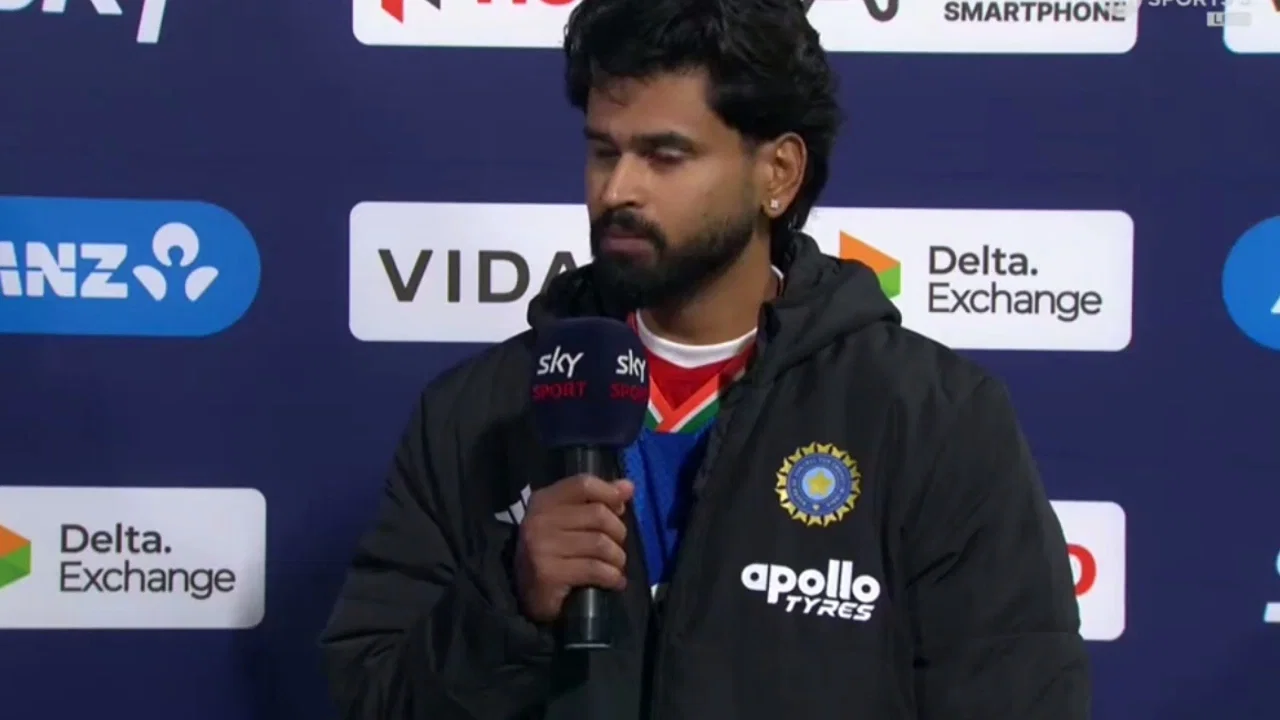
“It’s a great achievement”: Shreyas Iyer reacts as India complete ODI and T20I series double in New Zealand
Shreyas Iyer set for Syed Mushtaq Ali Trophy return after India’s series double in New Zealand

Ben Stokes ruled out of PSL 2027 as Multan Sultans confirm England star’s unavailability
Mitchell Santner opens up on his hand injury, credits Shreyas Iyer for India’s 3-1 ODI series win
“Never know what will happen”: Shreyas Iyer highlights key lessons for India ahead of 2027 ODI World Cup

Sam Billings returns as Dubai Capitals captain for ILT20 2026, set to miss BBL matches

“Has Been really grateful”: Arshdeep Singh credits fiancee Samreen Kaur after POTM performance vs New Zealand
“Calm and composed like MS Dhoni”: Uttarakhand head coach compares Lakshya Raichandani with former captain
Gautam Gambhir takes subtle dig at Rohit Sharma and Virat Kohli, says ‘bowlers win you series’

Dinesh Karthik credits Mohammed Siraj and Arshdeep Singh for India’s win vs NZ in 5th ODI