“Calm and composed like MS Dhoni”: Uttarakhand head coach compares Lakshya Raichandani with former captain
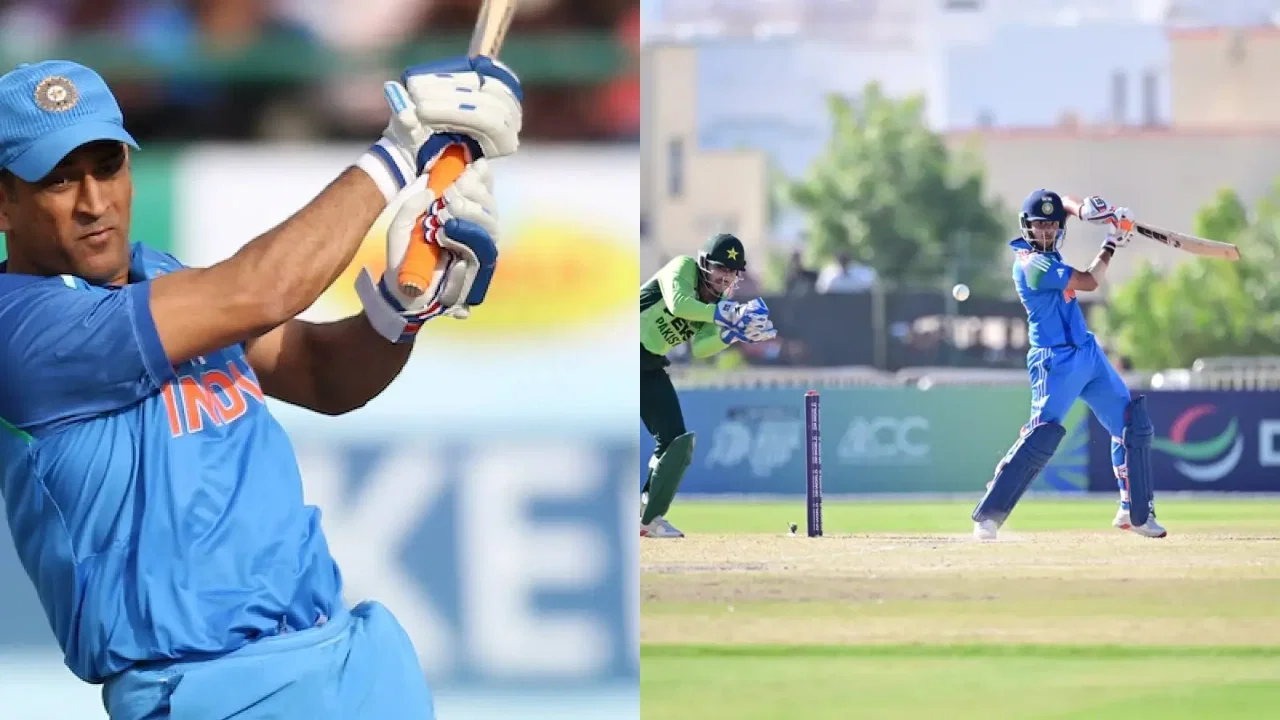
Lakshya Raichandani’s calm leadership powers India to U-19 Asia Cup glory
India’s triumph at the ACC Under-19 Asia Cup 2026 in Oman delivered a memorable final—and introduced cricket fans to a captain whose influence was quieter than the occasion. Lakshya Raichandani led India to the title with a successful chase of a formidable 338-run target against Pakistan, helping his side prevail in one of the tournament’s most demanding contests.
Much of the post-match attention fell on standout performers such as Aaryavir Sehwag and Mohit Ulva. But Uttarakhand senior men’s team head coach Manish Jha believes the captain’s contribution deserves equal recognition. Speaking to Star Sports, Jha praised Raichandani’s game awareness, measured decision-making and ability to stay composed under pressure—qualities that have prompted comparisons with former India captain MS Dhoni.
A captain who lets his cricket do the talking
Chasing 338 in a high-stakes final against a familiar rival required more than attacking strokes. India needed a confident start, clear communication and the discipline to keep the target within reach as the pressure mounted. Raichandani, opening the innings, helped set the tone for the pursuit and gave his team an assured presence at the top of the order.
Jha described the young batter as someone who does important work without seeking attention. In his assessment, Raichandani’s strength lies not only in his batting but also in how he reads situations and responds to them. He is not especially demonstrative on the field, the coach suggested, yet his decisions and actions make his leadership visible to teammates.
That understated style can be valuable in youth cricket, where the atmosphere of a final—and the expectations surrounding a title chase—can unsettle even talented players. A captain who remains steady can help prevent a difficult moment from becoming a turning point. Raichandani’s calm presence offered India a reassuring influence as the team pursued a major target.
Why Manish Jha sees similarities with MS Dhoni
Jha compared Raichandani’s temperament with that of MS Dhoni, one of Indian cricket’s most celebrated leaders. Dhoni became known for his composure in tense situations, his practical approach to decision-making and his ability to avoid letting either success or setbacks overwhelm him. Jha sees a similar quality in the young captain.
According to the coach, Raichandani does not become overly excited after a major achievement, nor does he panic when things go wrong. Jha also recalled speaking with the player’s coach, Yeregaud, who had noted his calmness when making decisions. The comparison is about temperament and approach rather than a claim that the two players have identical careers or styles.
That distinction matters. Raichandani is still at the beginning of his cricket journey, while Dhoni’s legacy was built over years of international and domestic success. Still, the qualities Jha identifies—patience, emotional balance and sound judgment—are useful foundations for any aspiring leader. The Asia Cup final offered an important early test of whether Raichandani could bring those traits to a pressure-filled match.
From Gonda to Uttarakhand: Raichandani’s cricket journey
Raichandani is originally from Gonda in Uttar Pradesh. His cricket development has taken him beyond his hometown, including time in Noida and Uttarakhand as he pursued training and domestic opportunities. That path has allowed coaches in Uttarakhand to observe his progress closely and assess how he performs in different team environments.
Jha said Raichandani communicates regularly with coaches during training, often through direct, one-to-one conversations. On the field, however, he tends to express himself through his actions rather than frequent speeches or visible displays of emotion. The coach described him as thoughtful and selective in what he says, adding that his contributions to senior-team discussions are generally sensible.
This approach highlights an important point about leadership in cricket: communication does not always mean being the loudest voice in the dressing room. A captain can guide a side through clear instructions, consistent body language and decisions that teammates trust. Raichandani’s style appears to combine private communication with a quieter public presence.
Game awareness may be his biggest asset
Jha repeatedly highlighted Raichandani’s ability to read the game. For a batter, that can mean judging when to attack, when to rotate the strike and how to respond to changes in field settings or bowling plans. For a captain, it also involves understanding the match situation, recognising momentum shifts and helping the team stay focused on the next task.
Those skills become especially important in a chase as large as India’s target in the final. A demanding run rate can tempt a batting side into risky shots, while a brief slowdown can increase anxiety. Strong game awareness helps a player balance urgency with control—an ability that can keep a pursuit organised even when the scoreboard creates pressure.
India’s victory will naturally be remembered as a collective achievement, involving contributions from across the squad. Yet the captain’s role in setting the tone at the start of the chase gives his performance particular significance. His leadership helped frame the task as a challenge to manage, rather than a target to fear.
What the Asia Cup win could mean for his future
The U-19 Asia Cup title is a major milestone, but it is not a guarantee of future success. Young cricketers must continue to develop as they move into higher levels, where bowling quality, match demands and competition for places all increase. Raichandani’s next steps will depend on sustained performances, adaptability and the ability to keep improving beyond a single tournament.
Even so, the final has strengthened his profile as a promising Indian cricket prospect. The early prediction around his leadership potential will likely be shaped by how he handles future challenges, particularly in domestic cricket and senior-team settings. His calm nature, which Jha views as a strength, could serve him well as expectations grow.
For now, Raichandani’s achievement is clear: he captained India to an Under-19 Asia Cup title and helped lead the response to a challenging target against Pakistan. While the spotlight often finds the biggest scores and most dramatic celebrations, Jha’s assessment points to another kind of impact—the steady influence of a captain who reads the game carefully, communicates with purpose and allows his performance to speak for itself.
Latest News
ICC confirms future WTC finals and World Cup windows until 2035
“I have no further comments”: Cameron Bancroft responds to Usman Khawaja’s Sandpapergate remarks
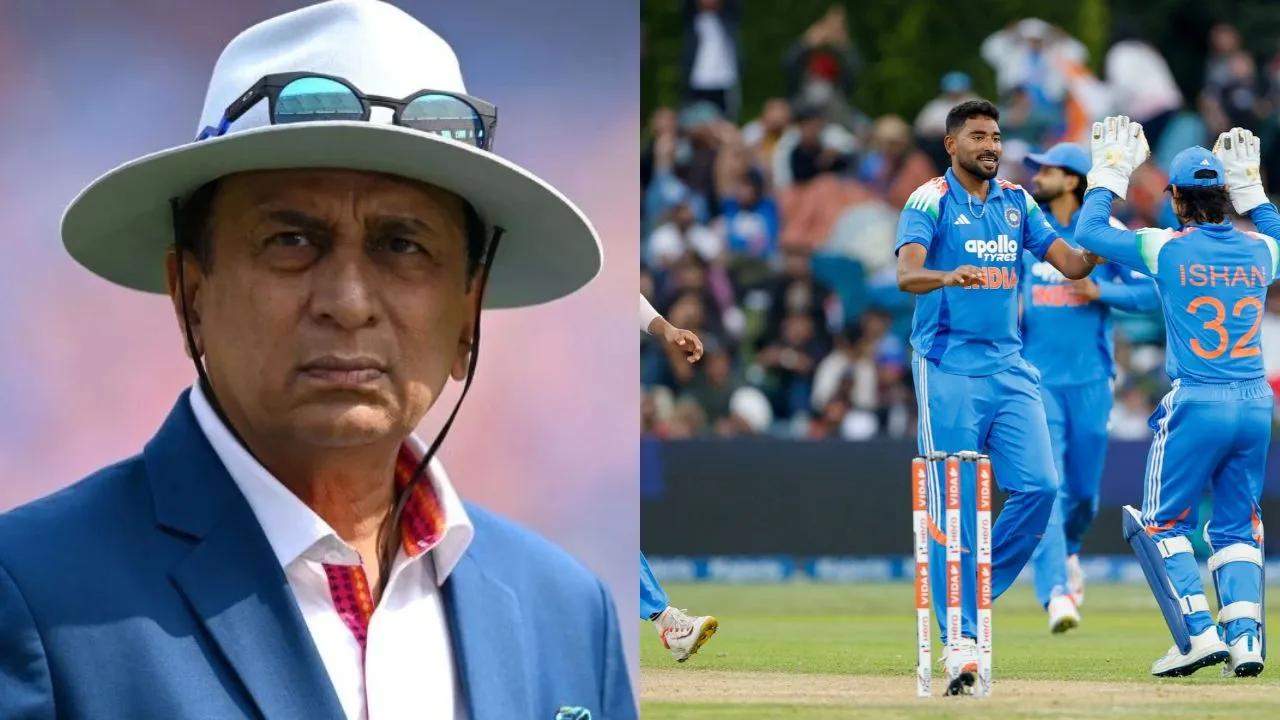
‘Wasn’t getting the grip’: Sunil Gavaskar reveals why Mohammed Siraj took time to find rhythm
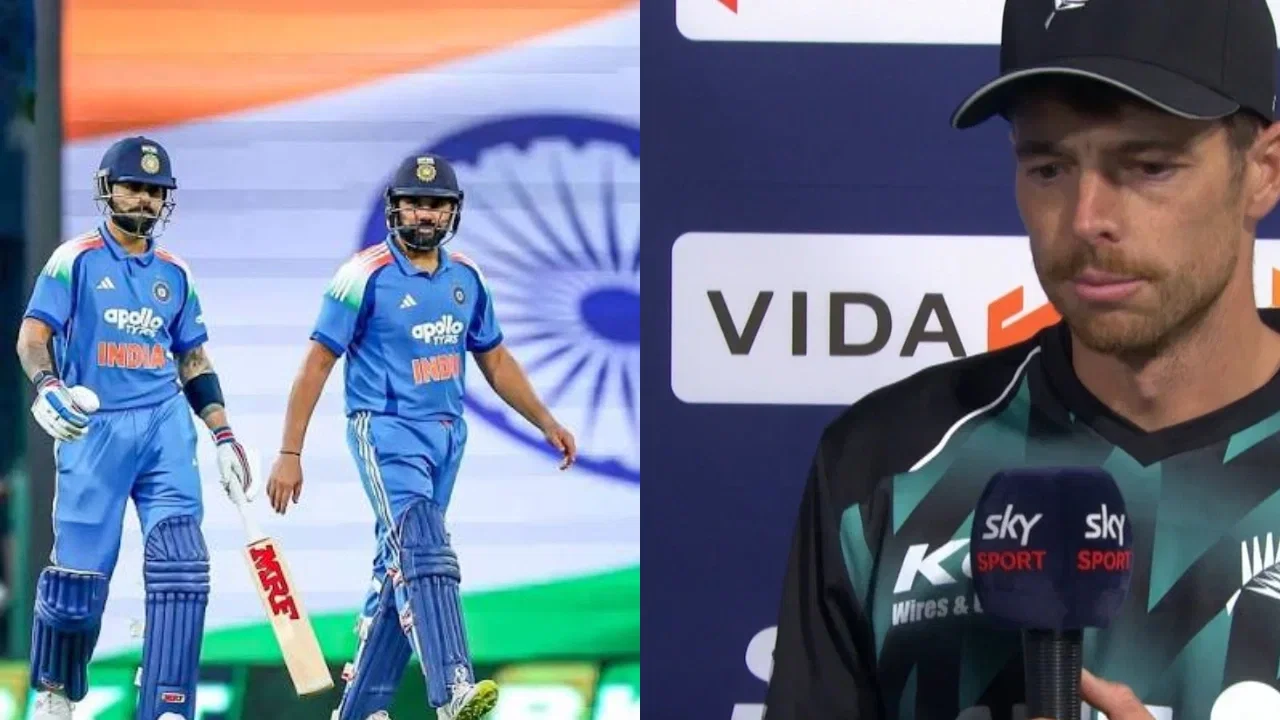
“Roko for maybe the last time”: Mitchell Santner confirms Virat Kohli and Rohit Sharma’s retirement
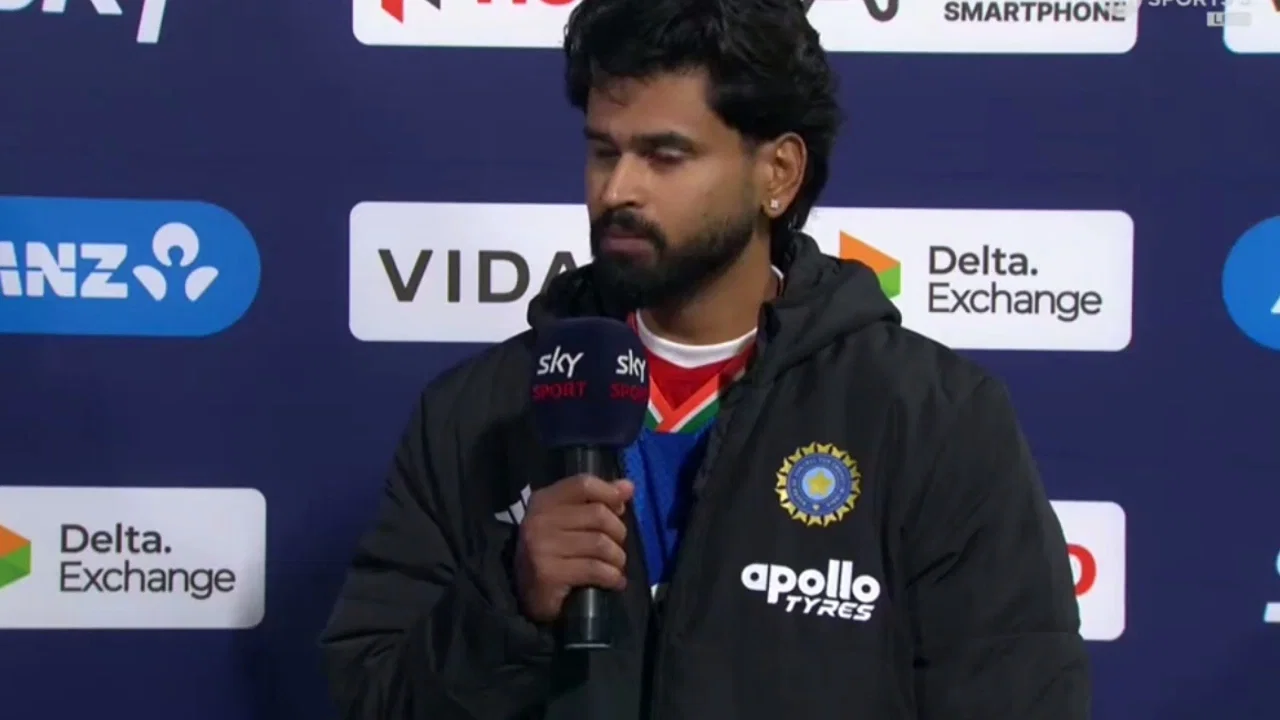
“It’s a great achievement”: Shreyas Iyer reacts as India complete ODI and T20I series double in New Zealand
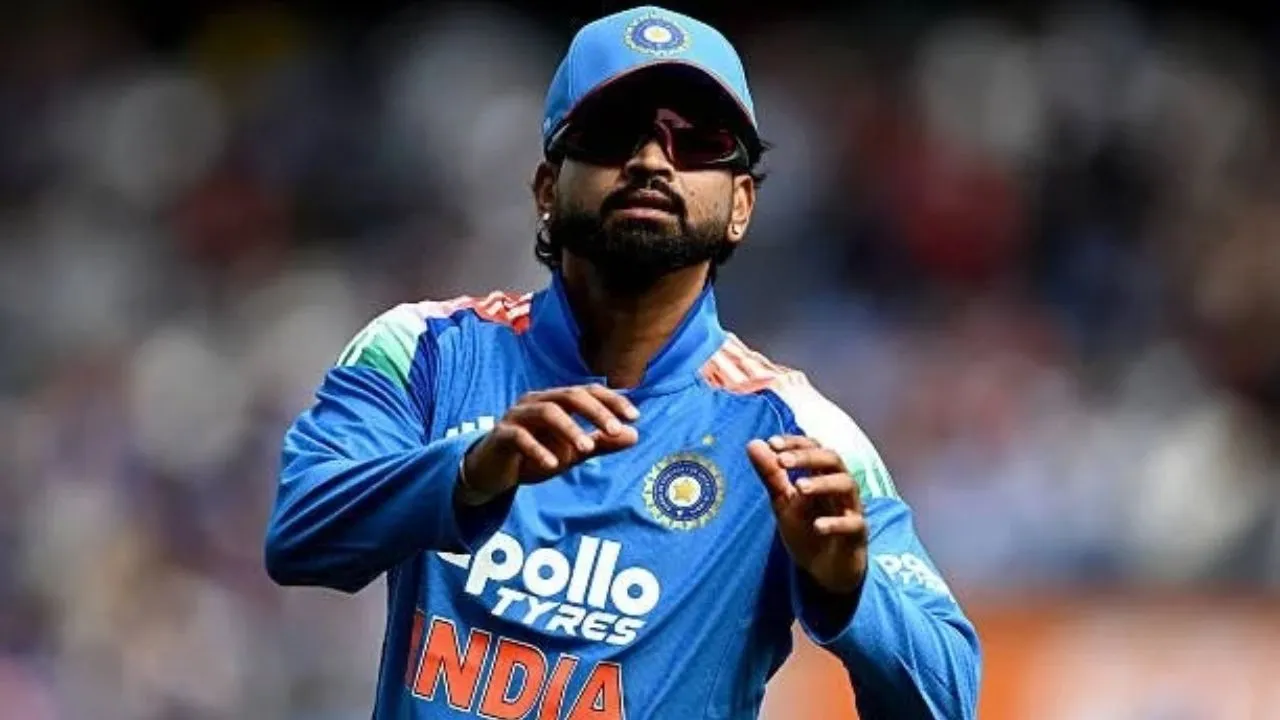
Shreyas Iyer set for Syed Mushtaq Ali Trophy return after India’s series double in New Zealand
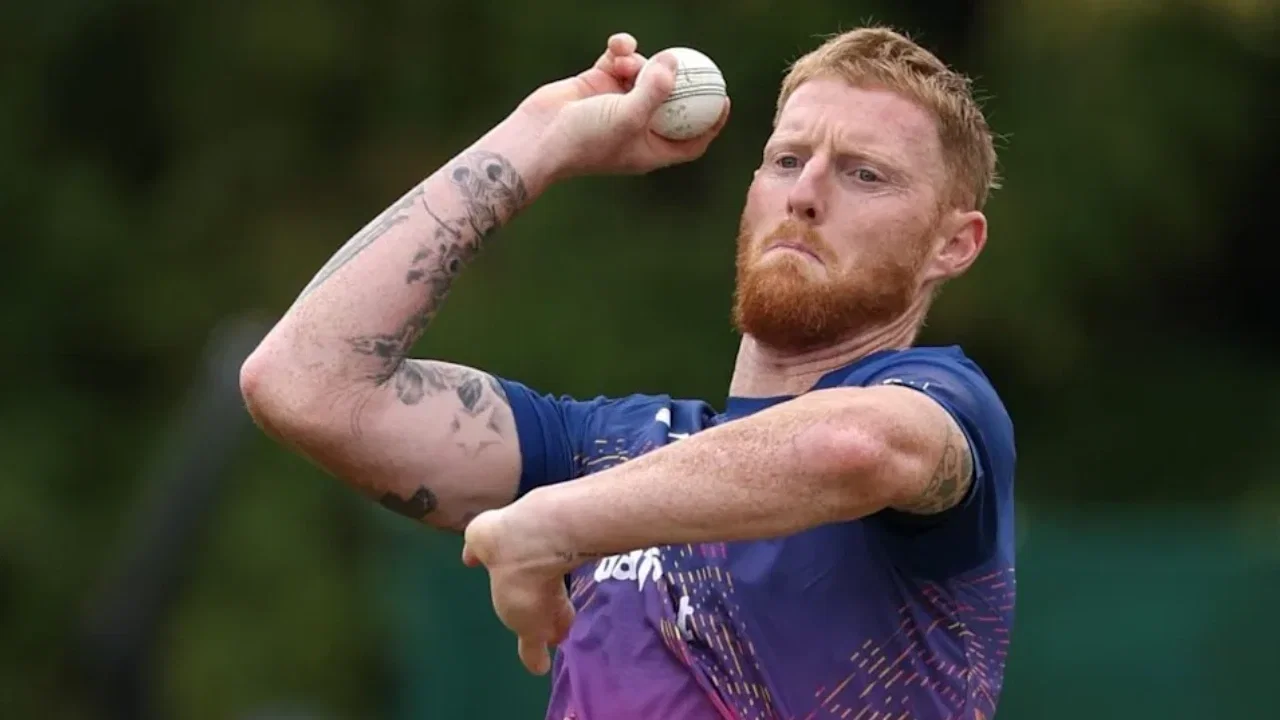
Ben Stokes ruled out of PSL 2027 as Multan Sultans confirm England star’s unavailability
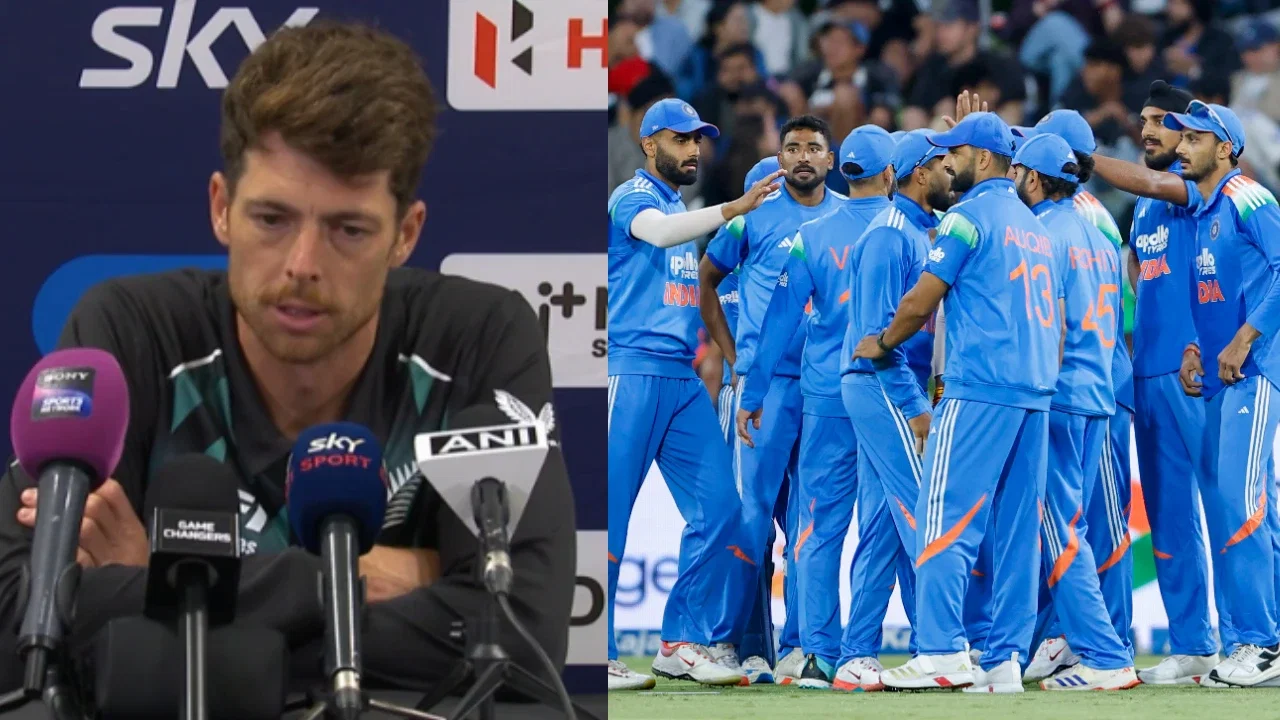
Mitchell Santner opens up on his hand injury, credits Shreyas Iyer for India’s 3-1 ODI series win
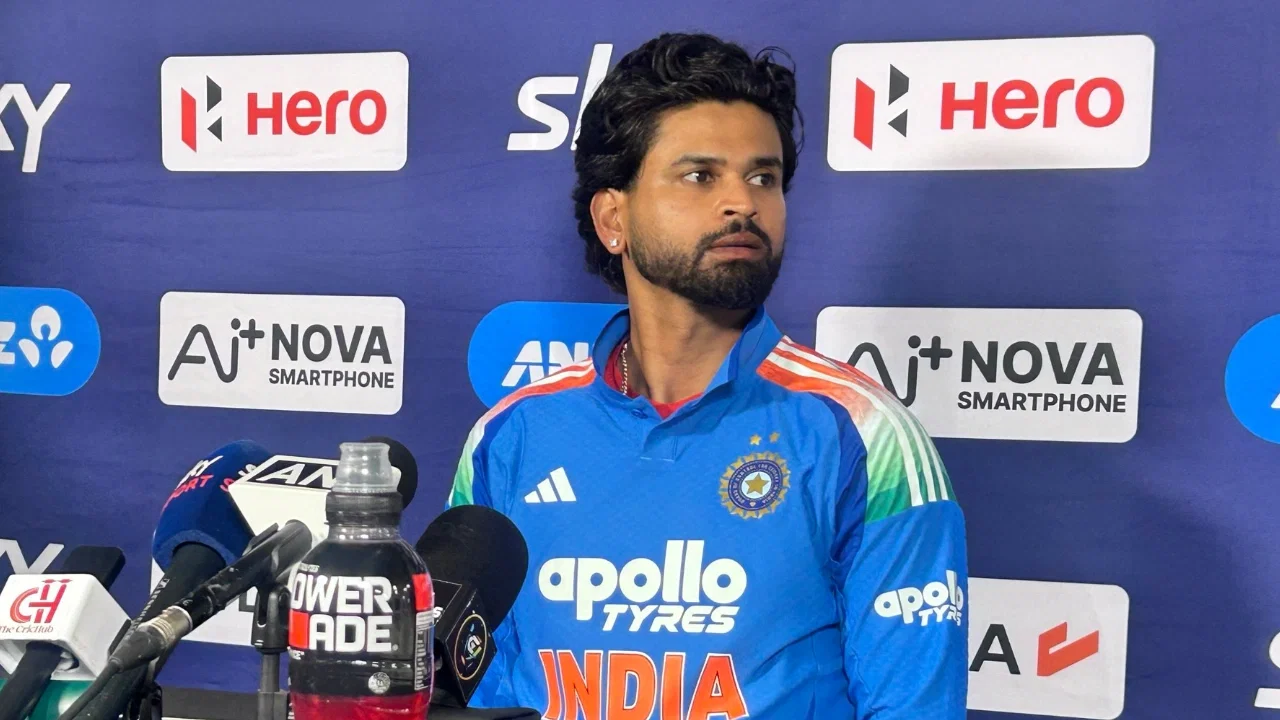
“Never know what will happen”: Shreyas Iyer highlights key lessons for India ahead of 2027 ODI World Cup
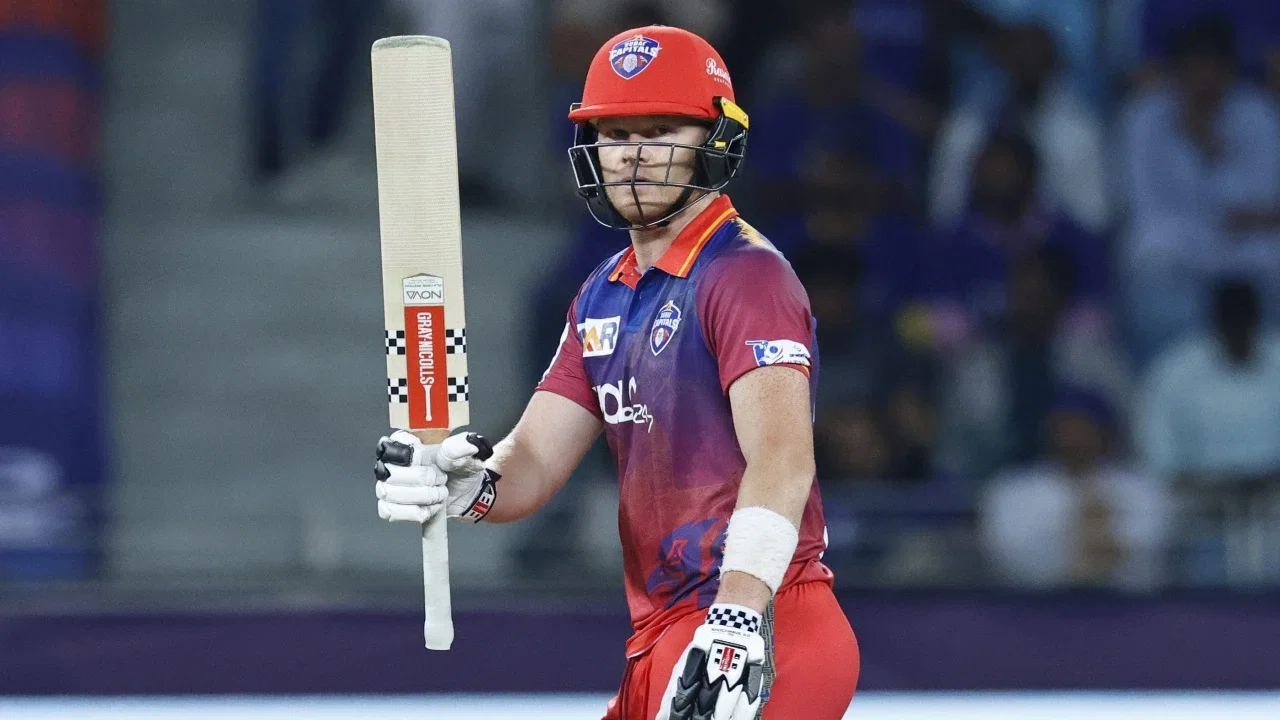
Sam Billings returns as Dubai Capitals captain for ILT20 2026, set to miss BBL matches
“Has Been really grateful”: Arshdeep Singh credits fiancee Samreen Kaur after POTM performance vs New Zealand
“Calm and composed like MS Dhoni”: Uttarakhand head coach compares Lakshya Raichandani with former captain
Gautam Gambhir takes subtle dig at Rohit Sharma and Virat Kohli, says ‘bowlers win you series’
Dinesh Karthik credits Mohammed Siraj and Arshdeep Singh for India’s win vs NZ in 5th ODI