

Ruturaj Gaikwad takes stunning diving catch to dismiss Will Young in 5th ODI [Watch]
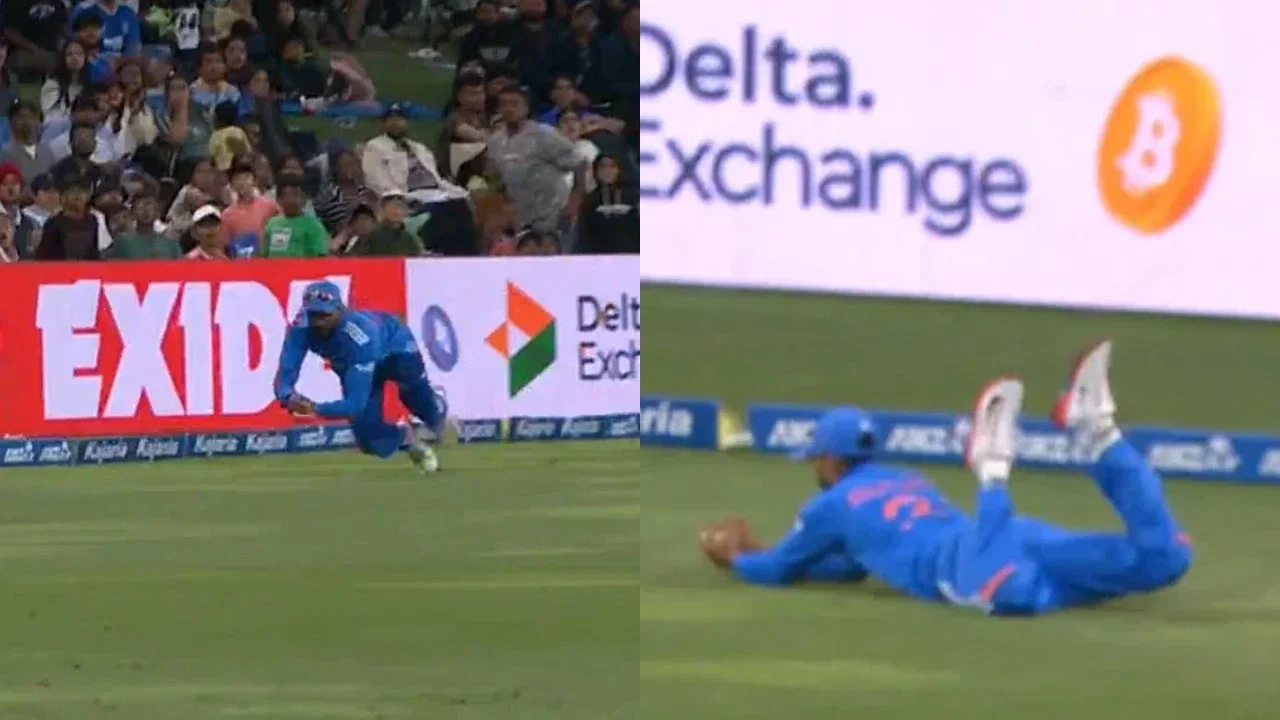
Ruturaj Gaikwad’s Stunning Catch Gives India a Lift Against New Zealand
Ruturaj Gaikwad produced one of the standout moments of the fifth ODI between India and New Zealand, taking a spectacular diving catch to remove Will Young during the hosts’ chase at Mount Maunganui on Sunday, November 15. The effort gave India a brief opening after a difficult day with the bat, as Arshdeep Singh claimed the important wicket with a well-directed short delivery.
Young had been looking to continue the attacking approach that had brought him a century in the previous match. But when he attempted to pull Arshdeep’s bouncer, he failed to keep the ball clear of the deep. Gaikwad sprinted to his right from deep backward square, covered significant ground and launched himself forward to complete a two-handed catch close to the boundary.
The dismissal ended a developing partnership and offered India a reason to believe they could make the chase more competitive. It also highlighted how a sharp piece of fielding can change the energy of a match, even when a team is defending a modest total.
Arshdeep Singh Finds a Way Past Will Young
Arshdeep’s plan was simple but effective: bowl short enough to invite the pull, while keeping the delivery difficult to control. Young had played the shot with confidence earlier in his innings, but this time the ball carried towards Gaikwad, who judged its flight and completed the catch under pressure.
The wicket added to Arshdeep’s favourable record against the New Zealand batter in ODI cricket. Across five innings against the left-arm seamer, Young has scored 48 runs from 63 deliveries and been dismissed twice. That gives Arshdeep an average of 24 against him and a strike rate of 76.19.
For India, the breakthrough was particularly valuable because Young had already shown in the previous game that he could build a substantial innings. Removing him before he settled into another major contribution prevented New Zealand from relying on one of their most dangerous batters for the length of the chase.
India Bowled Out for 209 After Top-Order Collapse
The catch came after India had endured another challenging batting performance. The visitors were dismissed for 209 in 42.1 overs, with early wickets in the powerplay leaving them on the back foot. Ishan Kishan top-scored with 46, but India struggled to turn promising starts into the kind of partnerships needed to build a competitive total.
Matt Fisher struck first by removing Rohit Sharma and Virat Kohli. Rohit chipped a delivery towards mid-wicket, while Kohli edged a wider ball through to wicketkeeper Tim Seifert. Jacob Duffy then dismissed Gaikwad, whose attempt to play a delivery that moved back into him ended with an edge to the keeper.
Those early losses forced India to rebuild before the innings had properly begun. Shreyas Iyer and Axar Patel put together a 52-run stand, offering some stability after the top-order setbacks. However, Blair Tickner broke the partnership by dismissing Iyer for 22 with a short ball, once again disrupting India’s progress.
Axar was unable to convert his start into a substantial score, while Kishan tried to provide momentum with a brisk 46. His innings gave India a platform to work from, but he fell while attempting to accelerate. The lower order added smaller contributions, yet New Zealand continued to take wickets whenever India appeared close to building a stronger recovery.
Arshdeep made a brief impact with 14 runs from just three balls, and Mohammed Siraj added a few late runs against Mitchell Santner. But Duffy dismissed Arshdeep in the 43rd over, bringing India’s innings to a close at 209.
Mitchell Santner Leads New Zealand’s Bowling Effort
New Zealand’s bowlers shared the workload effectively, with Santner providing the most significant contribution. The captain finished with three wickets for 47 runs from his 10 overs, using control and variation to keep India from building sustained momentum.
Duffy also claimed three wickets, conceding 60 runs, while Fisher took two. Tickner and Michael Bracewell picked up one wicket apiece. The spread of wickets reflected New Zealand’s disciplined approach: they did not allow India’s middle and lower order to settle after the early breakthroughs.
India’s total left little room for error in the field. A successful chase prediction would naturally favour New Zealand given the target, but the early dismissal of Seifert and Gaikwad’s catch against Young gave the visitors a chance to apply pressure. In a limited-overs chase, a couple of quick wickets can alter the tempo, particularly if the batting side is forced to rebuild rather than attack freely.
Gaikwad’s Fielding Highlight Follows a Difficult Series
The catch was a major highlight for Gaikwad, whose batting return to the side had been disappointing. He missed the first three matches before joining India’s playing XI for the final two ODIs. In the fourth match at Bay Oval, he scored five. He then made 18 in the fifth ODI at Mount Maunganui.
Gaikwad therefore finished the series with 23 runs from 40 balls, averaging 11.50 at a strike rate of 57.50. He struck three boundaries across the two innings but did not hit a six. In the fifth ODI, he opened the batting and found the boundary three times before Duffy dismissed him in the ninth over with a wobble-seam delivery that carried through to Seifert.
The contrast between his batting struggles and his outstanding fielding moment was striking. While his contribution with the bat was limited, the catch demonstrated the athleticism and concentration that can make a difference in a close contest. Such moments are also a reminder that a player’s influence is not always measured by runs alone.
A Brief Opening in a Difficult Defence
India’s defence began with a demanding task after the batting collapse, but Arshdeep’s dismissal of Young—made possible by Gaikwad’s exceptional effort—gave the visitors a valuable lift. The catch was the defining fielding moment of the innings and a reminder that even a modest total can create pressure when the fielding side takes its chances.
For New Zealand, the challenge was to remain composed after losing early wickets and avoid allowing India’s renewed energy to build into a sustained threat. For India, the focus was on turning that breakthrough into further wickets. Gaikwad’s catch did not erase the batting problems, but it gave the team a moment of momentum when they needed one most.
Latest News
ICC confirms future WTC finals and World Cup windows until 2035
“I have no further comments”: Cameron Bancroft responds to Usman Khawaja’s Sandpapergate remarks
‘Wasn’t getting the grip’: Sunil Gavaskar reveals why Mohammed Siraj took time to find rhythm
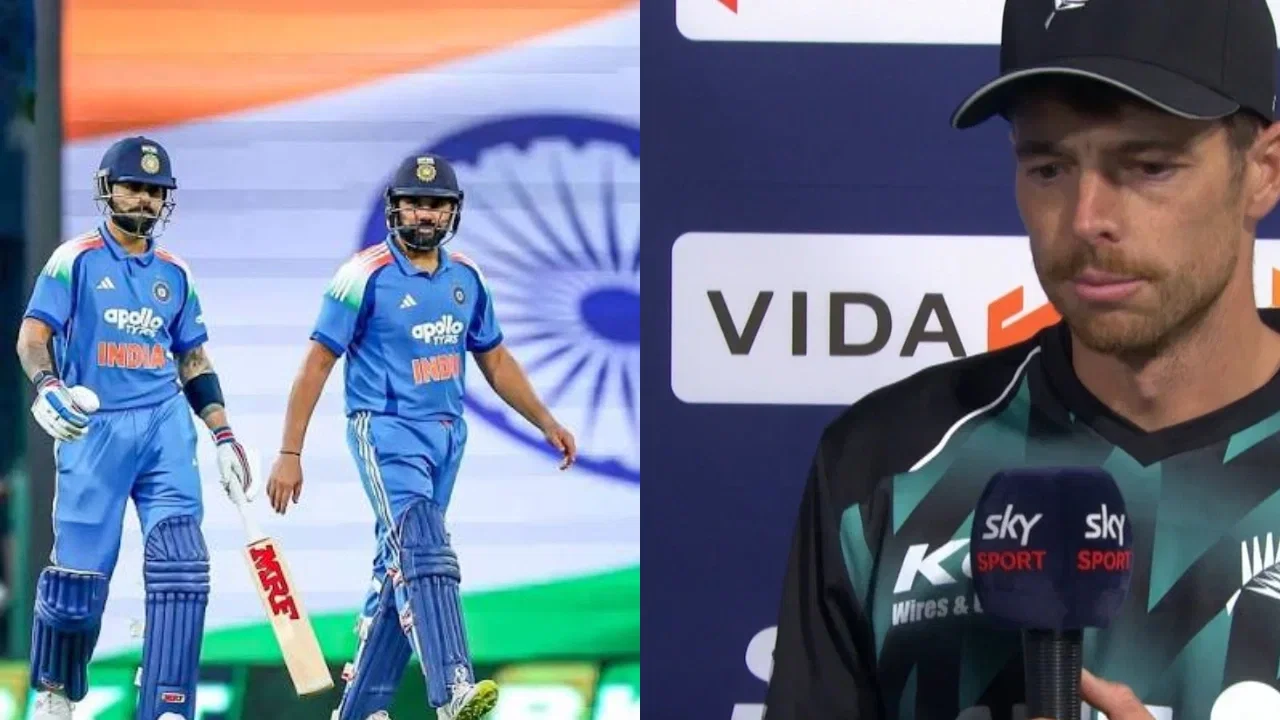
“Roko for maybe the last time”: Mitchell Santner confirms Virat Kohli and Rohit Sharma’s retirement
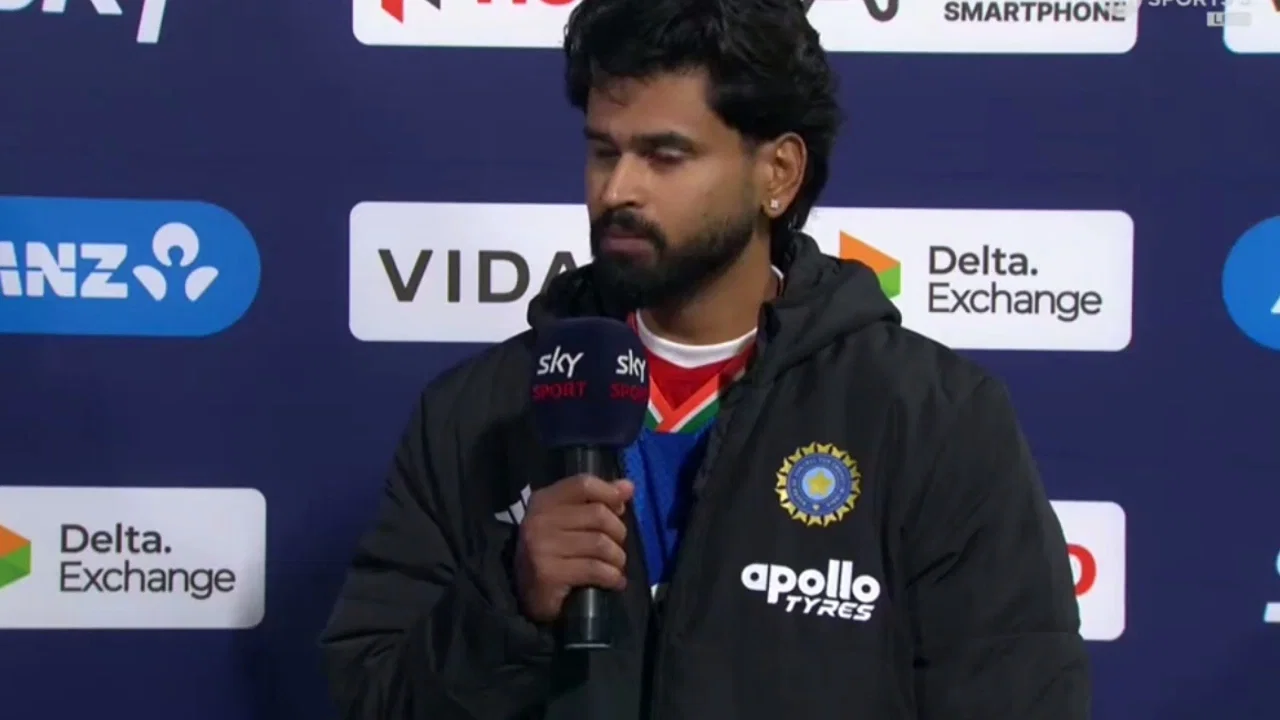
“It’s a great achievement”: Shreyas Iyer reacts as India complete ODI and T20I series double in New Zealand
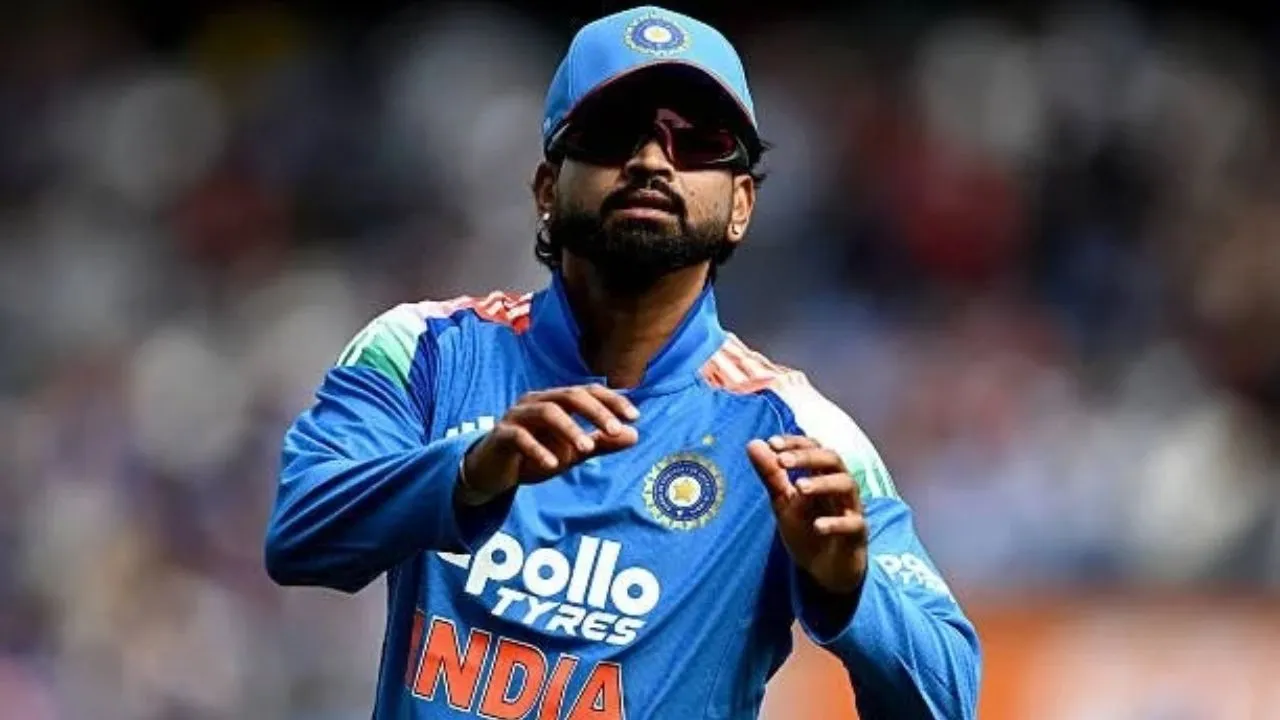
Shreyas Iyer set for Syed Mushtaq Ali Trophy return after India’s series double in New Zealand
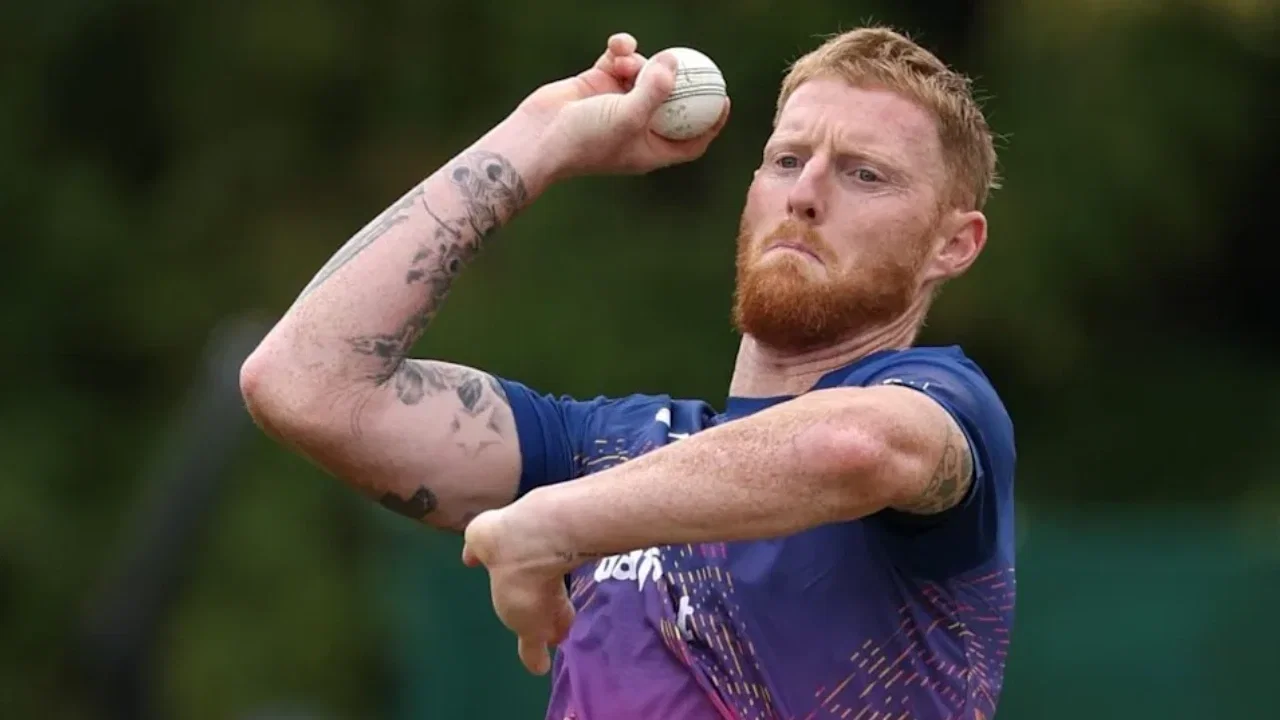
Ben Stokes ruled out of PSL 2027 as Multan Sultans confirm England star’s unavailability
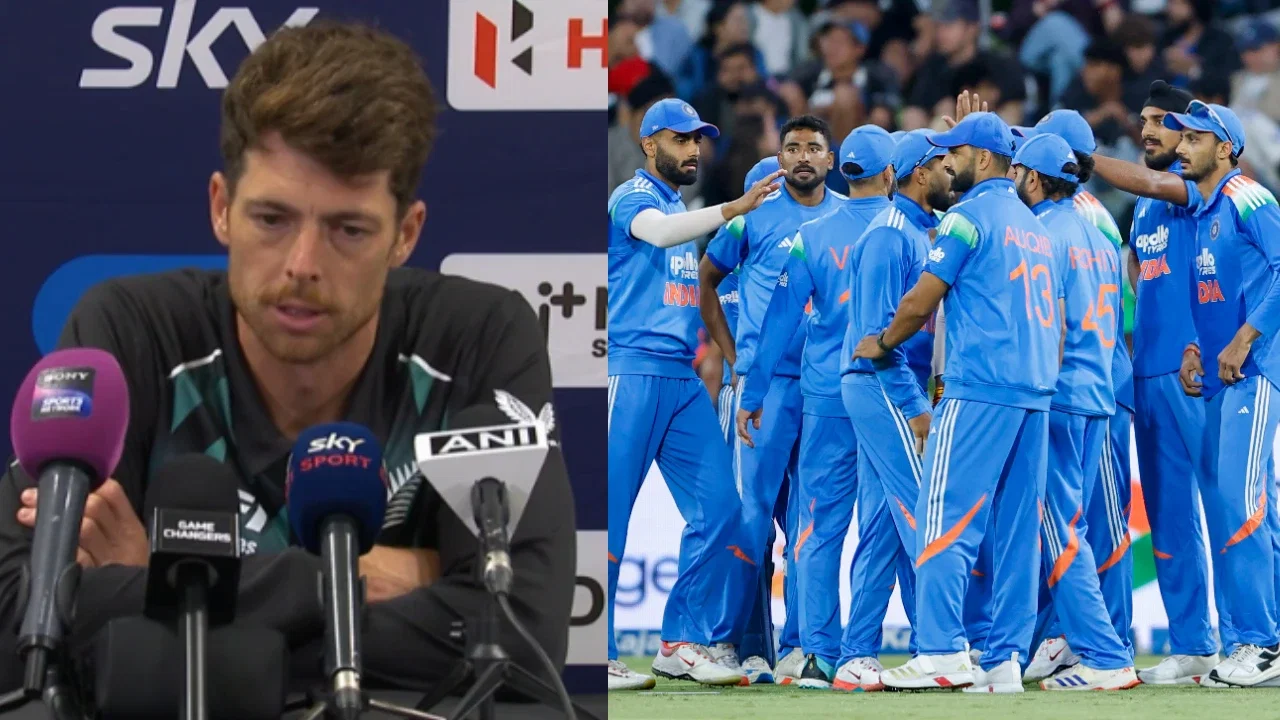
Mitchell Santner opens up on his hand injury, credits Shreyas Iyer for India’s 3-1 ODI series win
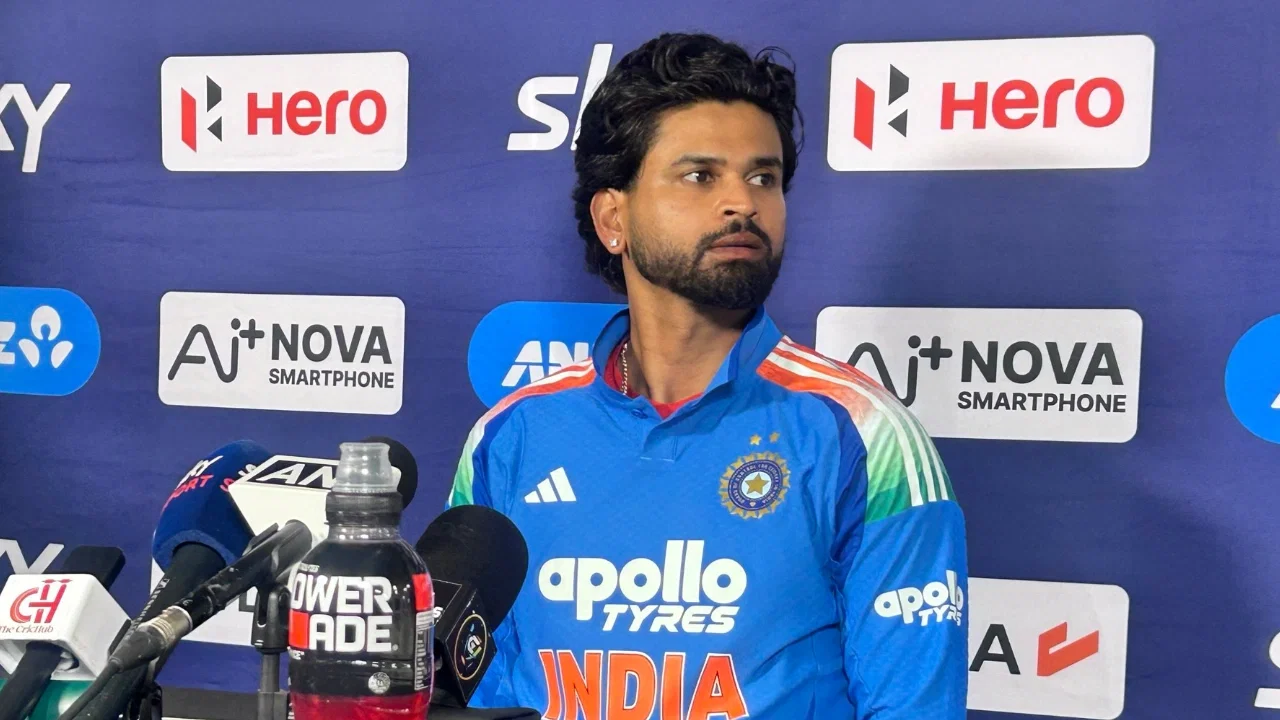
“Never know what will happen”: Shreyas Iyer highlights key lessons for India ahead of 2027 ODI World Cup
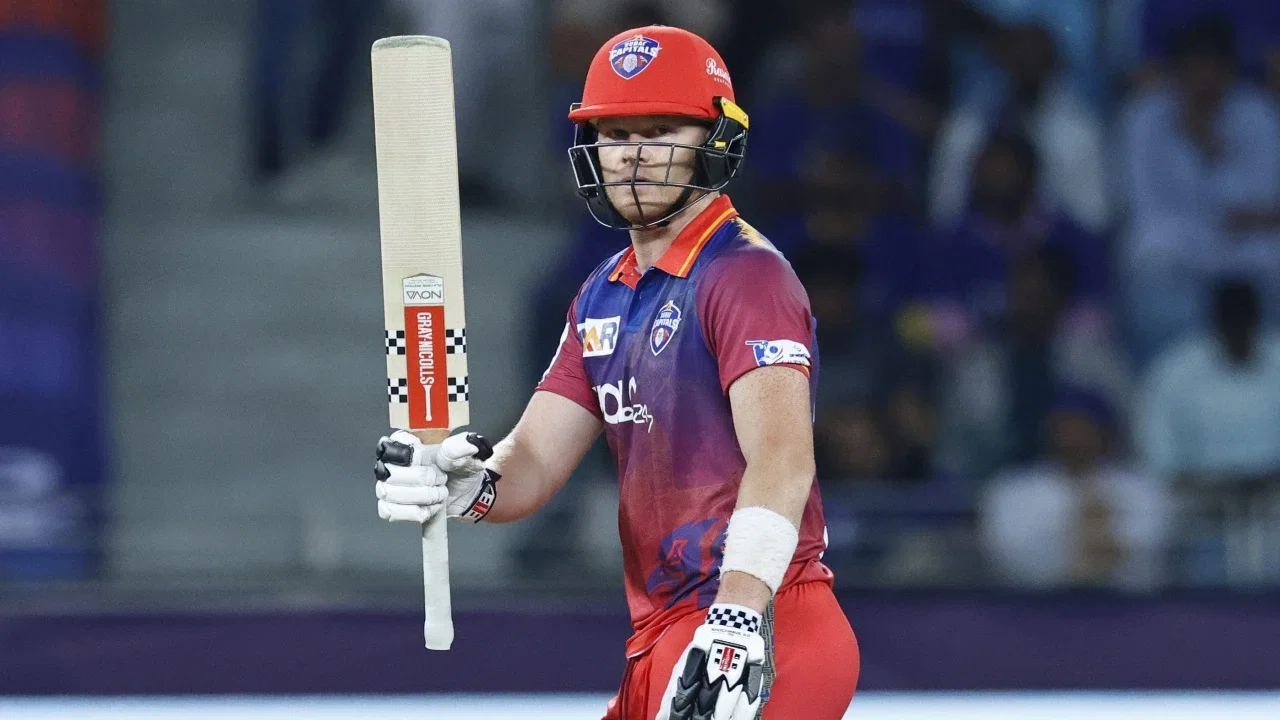
Sam Billings returns as Dubai Capitals captain for ILT20 2026, set to miss BBL matches

“Has Been really grateful”: Arshdeep Singh credits fiancee Samreen Kaur after POTM performance vs New Zealand
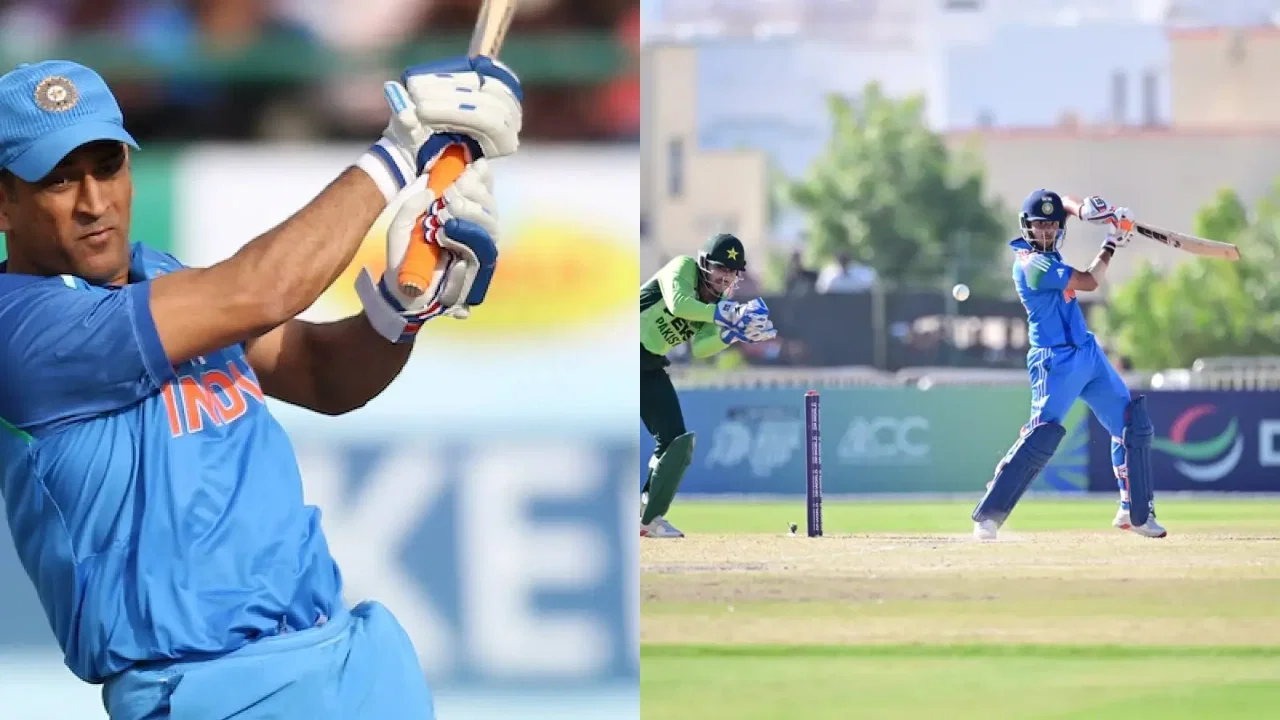
“Calm and composed like MS Dhoni”: Uttarakhand head coach compares Lakshya Raichandani with former captain
Gautam Gambhir takes subtle dig at Rohit Sharma and Virat Kohli, says ‘bowlers win you series’
Dinesh Karthik credits Mohammed Siraj and Arshdeep Singh for India’s win vs NZ in 5th ODI

