‘Wasn’t getting the grip’: Sunil Gavaskar reveals why Mohammed Siraj took time to find rhythm
India Beat New Zealand by 22 Runs in Fifth ODI to Seal Series
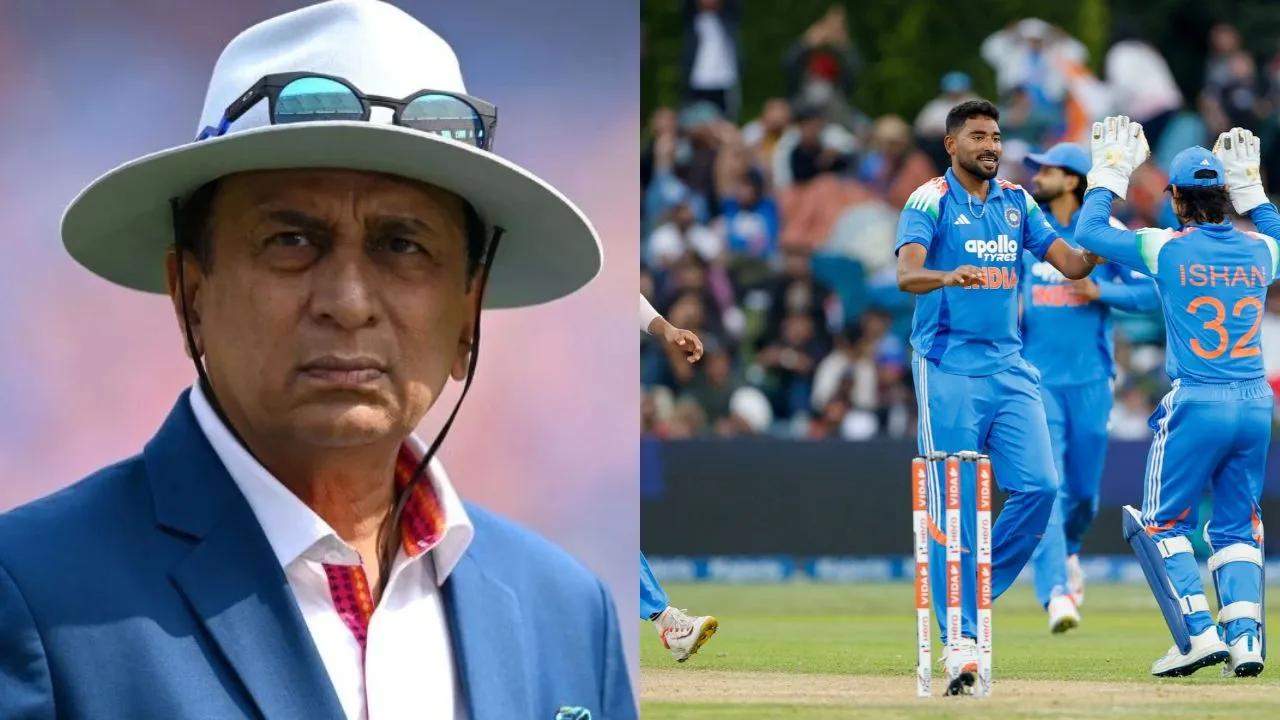
India finished their one-day international tour of New Zealand on a high, defeating the hosts by 22 runs in the fifth ODI at Bay Oval in Mount Maunganui. The result secured a 3-1 series victory for the Men in Blue after the third match was abandoned because of rain. It also completed a memorable tour: India became the first team to win both the ODI and T20I series in New Zealand.
The final match was a test of composure as much as skill. After India were dismissed for a modest total, New Zealand had a clear opportunity to chase down the target. Instead, India’s pace attack applied sustained pressure and worked through the home side’s batting order. Mohammed Siraj was among the key contributors, taking two wickets in a disciplined 10-over spell on his return to the ODI side.
Sunil Gavaskar Explains Siraj’s Slow Start
Former India captain Sunil Gavaskar praised Siraj’s performance, while pointing out that the fast bowler needed time to find his rhythm. Speaking on Sony Sports Network, Gavaskar said Siraj initially struggled to establish a firm landing position during his delivery stride. His front foot was slipping slightly, which affected his confidence and made it more difficult to maintain a consistent line and length.
“He was wayward because he wasn’t getting the grip while landing,” Gavaskar said, as quoted by Sportskeeda. He added that Siraj is a rhythm bowler who tends to become more effective as he builds momentum through successive deliveries.
That improvement was evident as the innings progressed. Once Siraj found his footing, his control sharpened and his deliveries became more threatening. Gavaskar highlighted the ball that dismissed Finn Allen, noting how sharply it moved back in and struck the top of off stump. It was a reminder of Siraj’s ability to make even a small adjustment in line or movement decisive for a batter.
Why India’s Decision to Play Siraj Mattered
Gavaskar also backed the team management’s decision to include Siraj in the final ODI, particularly with a Test match approaching. Match practice, he argued, can be more valuable than time spent bowling in the nets, where there is no comparable pressure from a live contest.
In a match, bowlers must respond to changing conditions, manage the threat of boundaries and deliver under the pressure of a chase. Those demands can help a player regain timing and confidence. Gavaskar said the overs Siraj bowled in the ODI would benefit him as he prepared for the upcoming Test, while also noting that his recent experience in an unofficial Test had helped keep him in competitive shape.
The decision carried some risk. Siraj was returning to the ODI team and had to adjust quickly, while India needed every bowler to contribute in a low-scoring defence. But the opportunity allowed him to work through an uncertain opening spell and finish with a meaningful impact. It also gave the team management useful information about his rhythm and readiness ahead of the next assignment.
Siraj’s Contribution in the Fifth ODI
Siraj made an immediate impact by removing Tim Seifert, giving India an important breakthrough and preventing New Zealand from settling into the chase. He continued to bowl with discipline, building pressure through accurate deliveries and limiting the batters’ freedom to score.
His standout moment came against Finn Allen. With the lights on, Siraj produced a sharp, full delivery that moved back towards the batter and clipped the top of off stump. The dismissal demonstrated the value of his pace and movement, but also showed how effective he can be when his run-up and release point come together.
Siraj ended with figures of 2 for 50 from 10 overs. He also scored 14 runs in India’s first innings, adding a small but useful contribution to a total that eventually proved defendable. In a match decided by 22 runs, contributions from the lower order and the bowling unit helped India create just enough of a cushion.
India Recover After a Heavy Fourth-ODI Defeat
The series finale was especially significant because it followed a difficult fourth ODI. India had lost that match by 244 runs, a result that gave New Zealand a strong response after India had won the first two games. With the third ODI washed out, the final contest became crucial to the series outcome.
Rather than allowing the heavy defeat to define the tour, India responded with a stronger performance in Mount Maunganui. The batting side set a challenging target despite being dismissed for a relatively low score, and the bowlers made the most of the opportunity by attacking with discipline and maintaining pressure through the innings.
The win underlined an important feature of India’s series victory: the team could adapt to different match situations. Earlier wins had put India in control, but the final ODI required patience, accurate bowling and confidence in defending a total that left little room for error.
What the Result Means for India
Winning both limited-overs series in New Zealand marks a notable achievement for India, particularly given the challenges of playing in familiar conditions for the hosts. The ODI series also offered a useful prediction of how India’s bowling resources might be managed in the coming fixtures: experienced pace bowlers such as Siraj can play a central role when rhythm, match fitness and workload are carefully balanced.
Siraj’s return was one of the clearest positives from the final match. His early difficulties did not prevent him from finding his rhythm, and his spell helped India keep New Zealand’s chase under control. The performance should provide confidence to the bowler and reassurance to the team management as they prepare for the next Test assignment.
India’s 22-run victory was not simply a result of one standout delivery or a single player’s effort. It came from a collective response after a major setback, with the pace attack turning a modest total into a winning score. For New Zealand, the defeat ended the ODI series on a disappointing note. For India, it completed a historic tour and offered a timely reminder that disciplined bowling can make the difference even when the runs are hard to come by.
Latest News

ICC confirms future WTC finals and World Cup windows until 2035

“I have no further comments”: Cameron Bancroft responds to Usman Khawaja’s Sandpapergate remarks
‘Wasn’t getting the grip’: Sunil Gavaskar reveals why Mohammed Siraj took time to find rhythm
“Roko for maybe the last time”: Mitchell Santner confirms Virat Kohli and Rohit Sharma’s retirement
“It’s a great achievement”: Shreyas Iyer reacts as India complete ODI and T20I series double in New Zealand
Shreyas Iyer set for Syed Mushtaq Ali Trophy return after India’s series double in New Zealand

Ben Stokes ruled out of PSL 2027 as Multan Sultans confirm England star’s unavailability
Mitchell Santner opens up on his hand injury, credits Shreyas Iyer for India’s 3-1 ODI series win

“Never know what will happen”: Shreyas Iyer highlights key lessons for India ahead of 2027 ODI World Cup

Sam Billings returns as Dubai Capitals captain for ILT20 2026, set to miss BBL matches

“Has Been really grateful”: Arshdeep Singh credits fiancee Samreen Kaur after POTM performance vs New Zealand

“Calm and composed like MS Dhoni”: Uttarakhand head coach compares Lakshya Raichandani with former captain
Gautam Gambhir takes subtle dig at Rohit Sharma and Virat Kohli, says ‘bowlers win you series’

Dinesh Karthik credits Mohammed Siraj and Arshdeep Singh for India’s win vs NZ in 5th ODI