Cricket Australia breaks silence on calls to reopen sandpaper-gate investigation
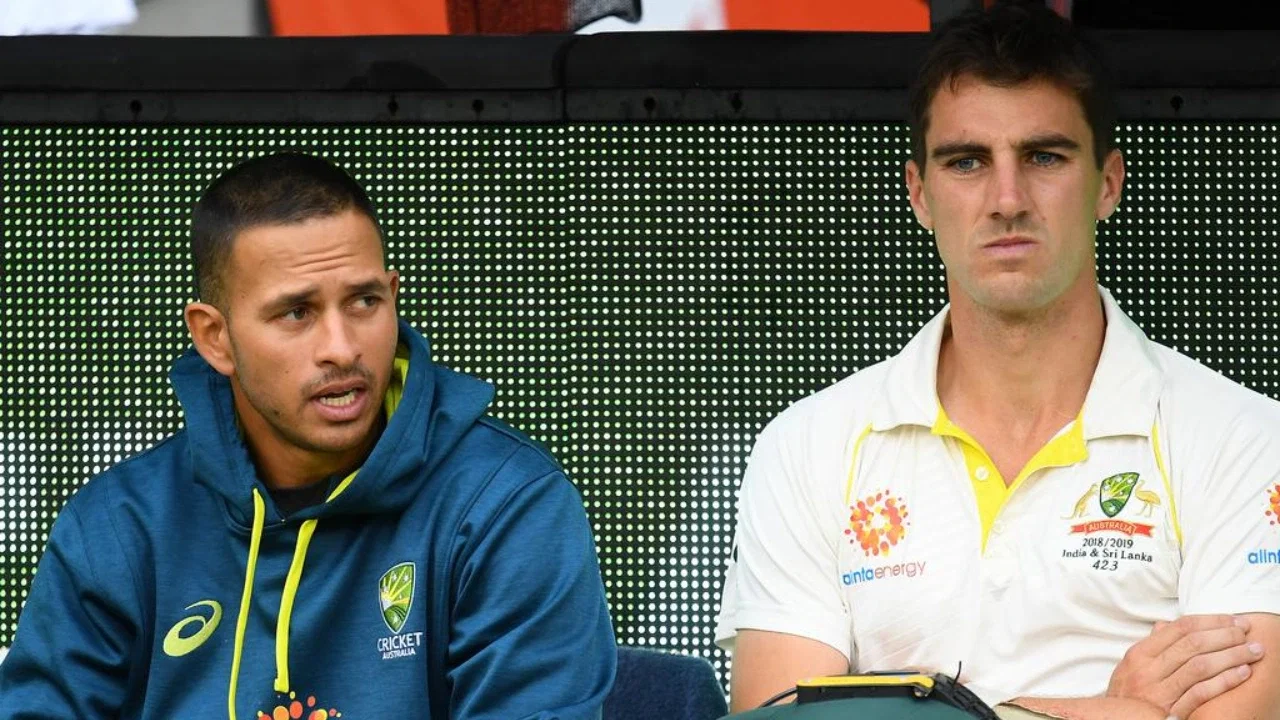
Cricket Australia Rejects Calls to Reopen 2018 Sandpaper-Gate Investigation
Cricket Australia chief executive Todd Greenberg has ruled out reopening the investigation into the 2018 ball-tampering scandal, saying the governing body remains satisfied with the original inquiry and sees no compelling reason to revisit its conclusions.
The controversy has returned to public attention following claims in Usman Khawaja’s autobiography, Sabr. Khawaja alleges that awareness of the ball-tampering plan extended beyond the three players who were punished after the Cape Town Test. His account has reignited debate about what members of Australia’s touring party knew—and whether the original investigation captured the full picture.
Greenberg said Cricket Australia would consider Khawaja’s account carefully, but stressed that the claims must be weighed against the differing versions offered by other players. With key figures expected to speak publicly in the coming days, the latest developments could renew scrutiny of one of Australian cricket’s most damaging episodes. However, there is currently no indication that the board will launch a fresh inquiry.
Greenberg Says There Is “No Compelling Reason” for a New Inquiry
Speaking to SEN radio, Greenberg confirmed that Cricket Australia has no plans to reopen the investigation conducted after the 2018 Cape Town Test. He said Khawaja had informed him several months before the release of Sabr that he was writing a book, and praised the former Australia batter for sharing his perspective.
Greenberg said he had not yet read the autobiography and had first encountered Khawaja’s recent comments through media coverage. He cautioned against reacting to headlines or commentary before considering the claims in their full context, noting that some details in Khawaja’s account differ from statements made by other players.
“We have said we’re comfortable with the outcome of the investigation based on the information we’ve received,” Greenberg said, adding that the board’s position had not changed. He said Cricket Australia did not believe reopening the case would achieve anything useful.
The chief executive’s comments indicate that the board intends to maintain its existing position unless significant new information emerges. For supporters seeking a definitive answer, that stance may be frustrating: the competing accounts have kept the scandal in the news, but the governing body does not expect another investigation to resolve the disagreements.
Khawaja’s Claims Challenge the Established Account
In Sabr, Khawaja alleges that Steve Smith, David Warner and Cameron Bancroft were not the only members of Australia’s touring party who knew about the plan to alter the ball. He also claims sandpaper had been used during the second Test against South Africa in Port Elizabeth, before the incident at Cape Town became a global story.
Khawaja has also questioned the scope of Cricket Australia’s original inquiry. He says investigators never interviewed him, despite his position beside Bancroft for much of the Cape Town Test. His account therefore raises questions not only about who knew what, but also about which players were asked to provide evidence during the investigation.
Those allegations conflict with statements from Australia’s leading bowlers. In 2021, Pat Cummins, Mitchell Starc, Josh Hazlewood and Nathan Lyon issued a joint statement denying that they knew about the ball-tampering plan. Greenberg said those players had maintained a consistent position since 2018, including in conversations with him over the weekend.
That disagreement is central to the latest Sandpaper-Gate debate. Khawaja’s account presents a broader picture of team awareness, while the bowlers’ public statements reject knowledge of the plan. Greenberg acknowledged that players have offered different versions for years and suggested those differences are unlikely to disappear now.
Why the Sandpaper-Gate Debate Has Returned
The scandal erupted during the third Test between Australia and South Africa in Cape Town in March 2018, when television footage showed Bancroft using a small piece of sandpaper on the ball. The incident prompted a Cricket Australia investigation and a wave of criticism from fans, former players and cricket officials around the world.
Smith, then captain, and Warner, the vice-captain, each received 12-month suspensions. Bancroft was banned for nine months. The penalties reflected the seriousness of the incident and its impact on the team’s reputation, while also establishing a clear disciplinary response from Cricket Australia.
Warner later received a leadership ban, which Cricket Australia lifted in October 2024. The change marked a significant development in his relationship with the national team, but it did not settle questions about the wider circumstances surrounding the Cape Town incident. Khawaja’s book has now brought those questions back into focus.
Beyond the individual penalties, the episode became a test of trust between players, the governing body and the public. That legacy helps explain why fresh claims can quickly trigger renewed calls for transparency—even years after the original sanctions were imposed.
Cummins and Marsh Expected to Address the Claims
Greenberg said Australia captain Pat Cummins is expected to speak about the controversy in the coming days or weeks. Mitchell Marsh was also expected to face questions at a press conference ahead of Australia’s first one-day international against England in Perth.
Greenberg said he anticipated that the bowlers’ position would remain consistent with their earlier statements. Their comments, alongside any response from Cummins and other current or former players, may provide fresh context, but are unlikely to end the disagreement over what happened during the 2018 tour.
For cricket fans following the latest Sandpaper-Gate news, the key question is whether any new account will be supported by evidence that changes Cricket Australia’s assessment. At present, Greenberg’s prediction is that the competing versions will remain unresolved: players have held different views for eight years, and he does not expect those positions to shift substantially.
What Happens Next?
Cricket Australia’s decision not to reopen the investigation leaves the discussion in the hands of public statements, published accounts and the responses of those involved. Khawaja’s autobiography has added a new perspective, but the board says it remains satisfied with the original findings and does not see a basis for another formal inquiry.
As Cummins, Marsh and other players respond, attention will likely turn to whether their comments clarify the timeline or simply reinforce the accounts already on record. For now, the scandal’s most difficult questions remain contested—and the prospect of a single, universally accepted version of events appears remote.
Latest News
Jacob Duffy becomes New Zealand’s most expensive pacer in Test history
India’s highest Test scores ever: Full list after colossal total vs New Zealand

IPL 2027: Pat Cummins confirms availability for Sunrisers Hyderabad ahead of mini auction
Mushfiqur Rahim ruled out of 2nd Test against South Africa
IPL 2027: Robin Uthappa reveals his vision as Mumbai Indians’ new batting coach
“We just don’t fet along”: Josh Hazlewood makes honest admission about Usman Khawaja
Dhruv Jurel ready to play any role for India, weighs in on Rishabh Pant’s hundred
Geoffrey Boycott launches scathing attack on Steve Smith over 2018 Sandpapergate scandal

IND vs PAK: Pakistani umpire faces match-fixing allegations after celebrating with Pakistan team
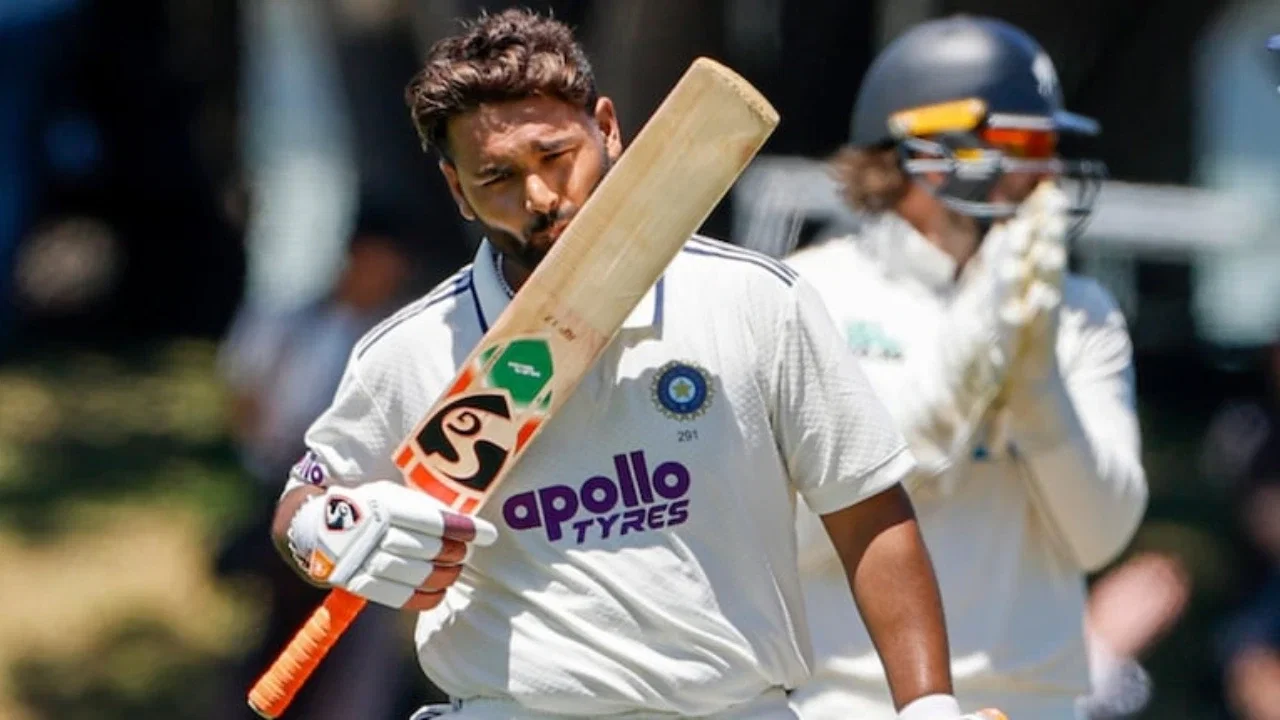
Rishabh Pant reveals secret behind his explosive batting, says he ‘play with the bowler’s mind’
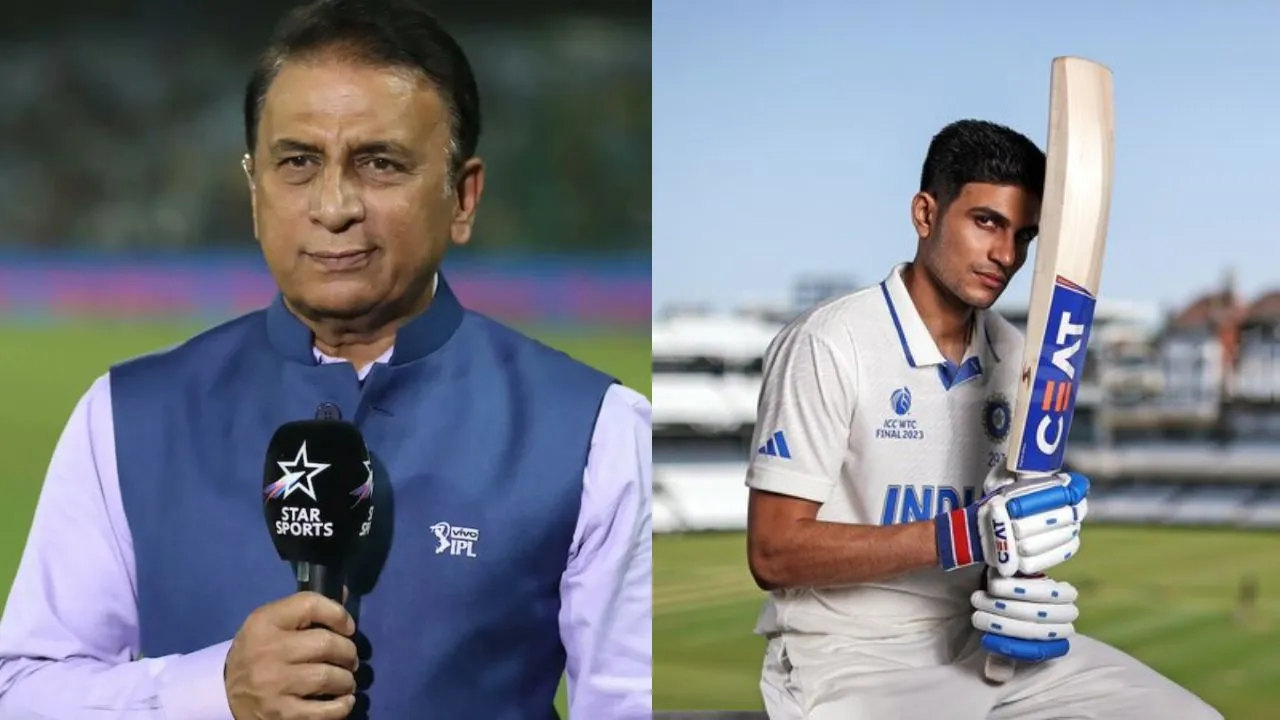
Sunil Gavaskar hails Shubman Gill as “totally reliable” after near-century against New Zealand
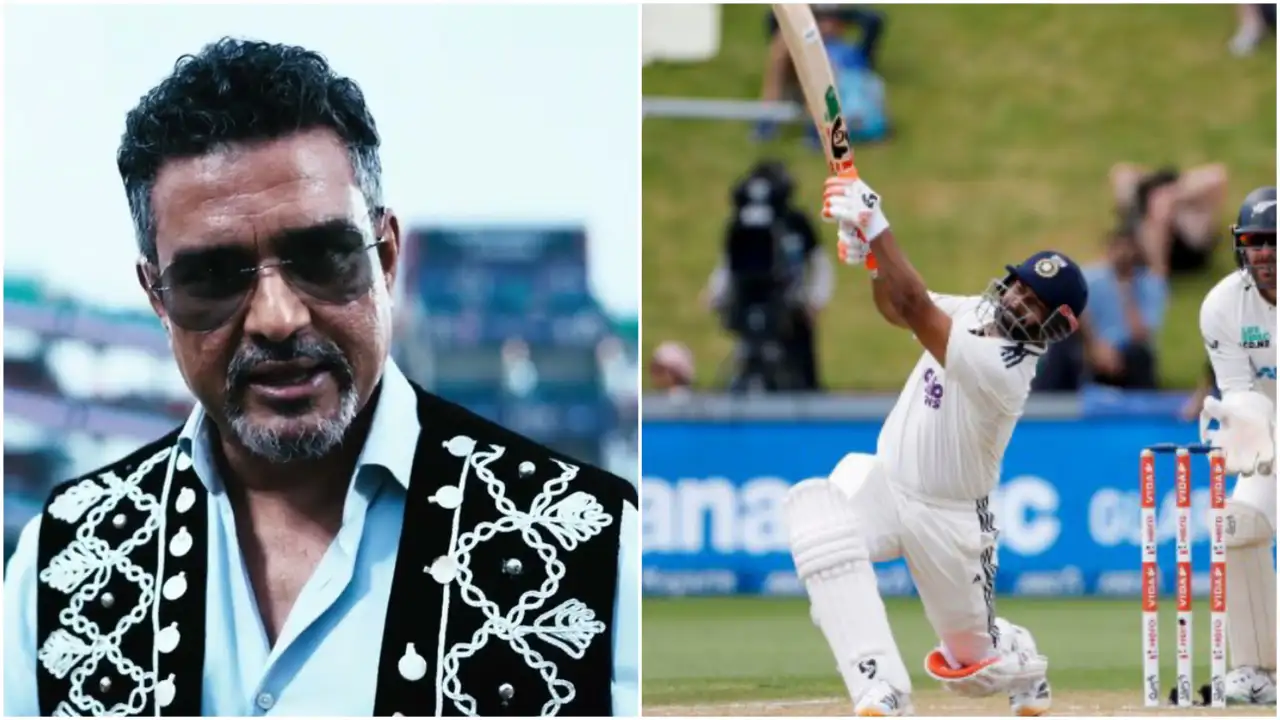
Sanjay Manjrekar highlights Rishabh Pant’s remarkable Test record after Wellington century
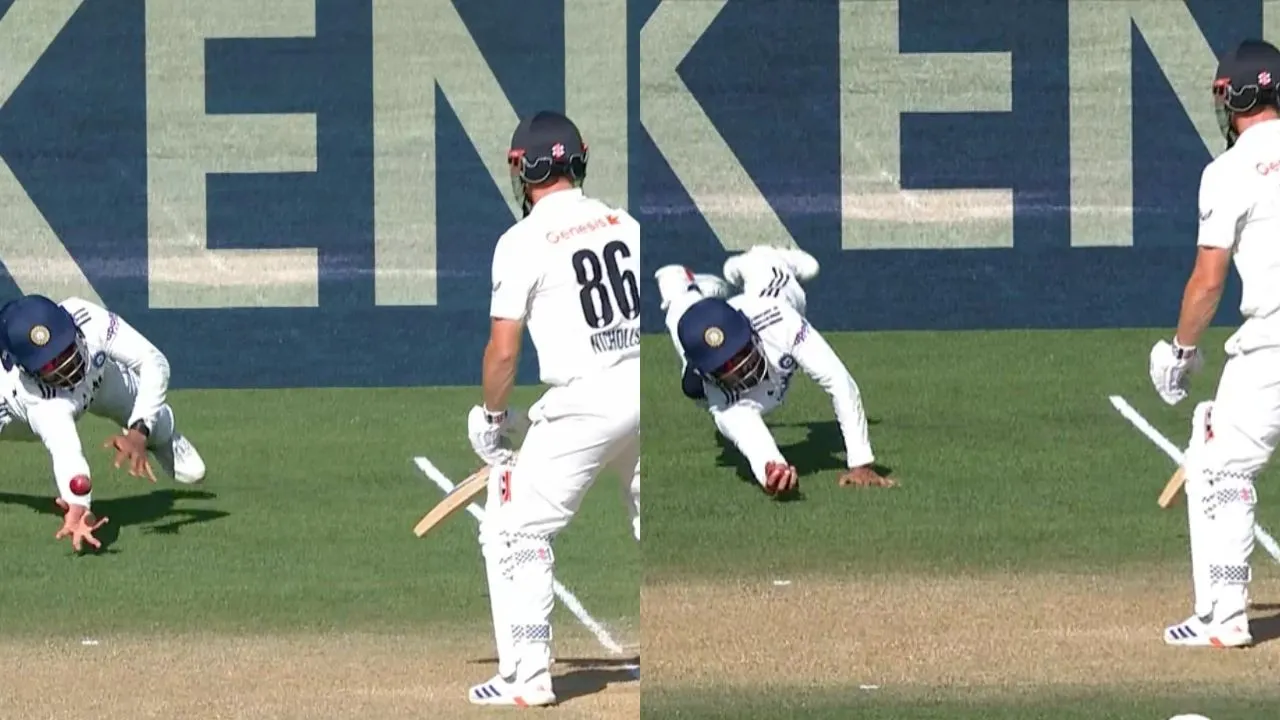
Watch: Dhruv Jurel pulls off sensational catch at short leg to dismiss Henry Nicholls
Rishabh Pant smashes multiple records with century in Wellington Test