India’s highest Test scores ever: Full list after colossal total vs New Zealand

India Rewrite Test Cricket History With 720/9 Declaration Against New Zealand
India’s batters produced a remarkable display of skill and depth at Wellington’s Basin Reserve, piling up 720 for nine declared against New Zealand in the first Test. The enormous first-innings total gave the tourists a commanding 352-run lead and set a new benchmark for India in overseas Test cricket.
The innings was more than a show of individual brilliance. It featured substantial contributions throughout the batting order, leaving New Zealand’s bowlers with few opportunities to build sustained pressure. India’s performance also reshaped several record books, including marks for the highest Test total in New Zealand and the most consecutive substantial partnerships for a team’s first seven wickets.
India’s Batting Depth Puts New Zealand Under Pressure
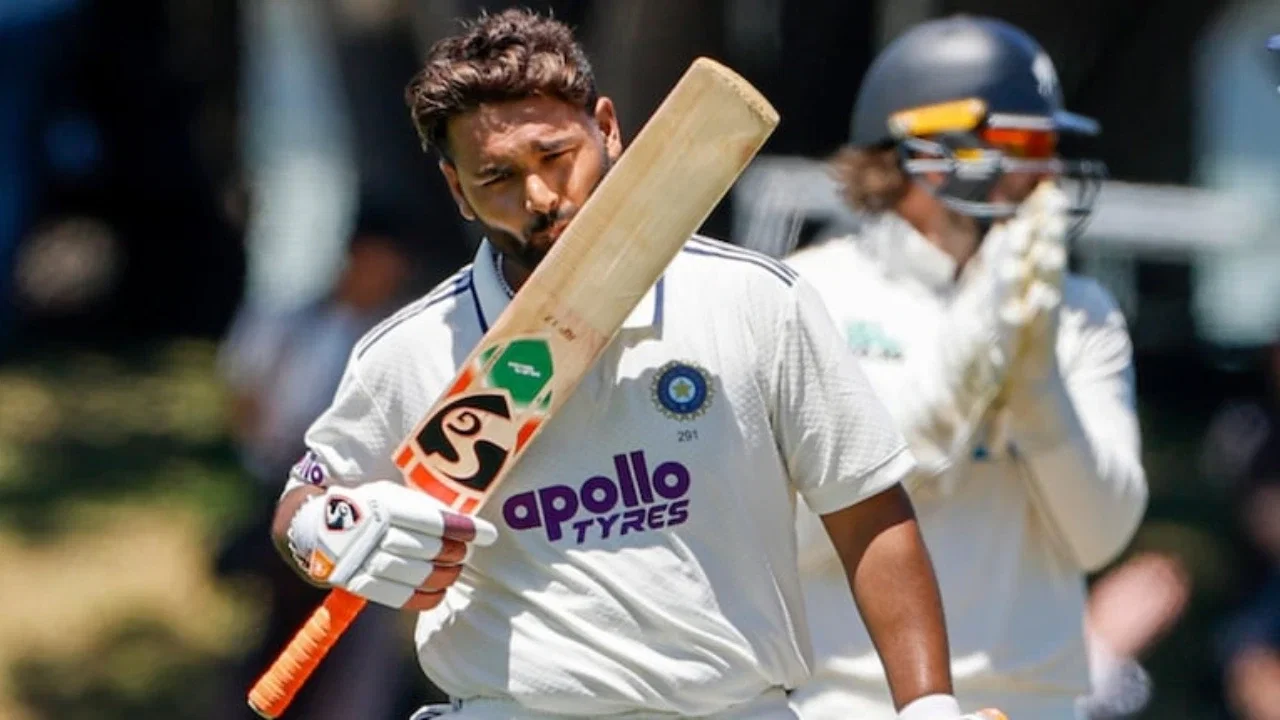
KL Rahul led the way with a composed 136, anchoring the innings while allowing the batters around him to score freely. Rishabh Pant added an aggressive 128, bringing momentum and urgency to India’s progress. His century was another major highlight in an innings packed with milestones.
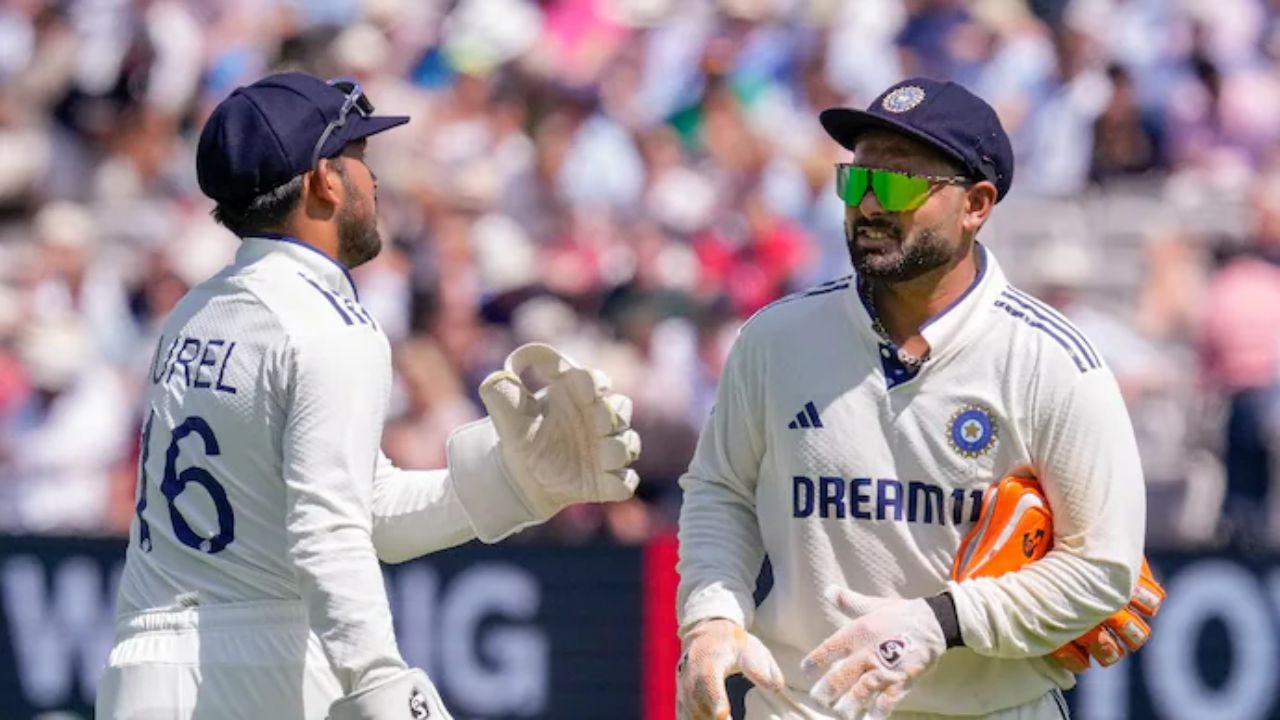
India’s younger batters also made the most of their opportunities. Yashasvi Jaiswal scored 85, while Devdutt Padikkal contributed 80. Shubman Gill came close to a hundred, making 98, and Dhruv Jurel added a valuable 78 to extend the pressure deep into the innings.
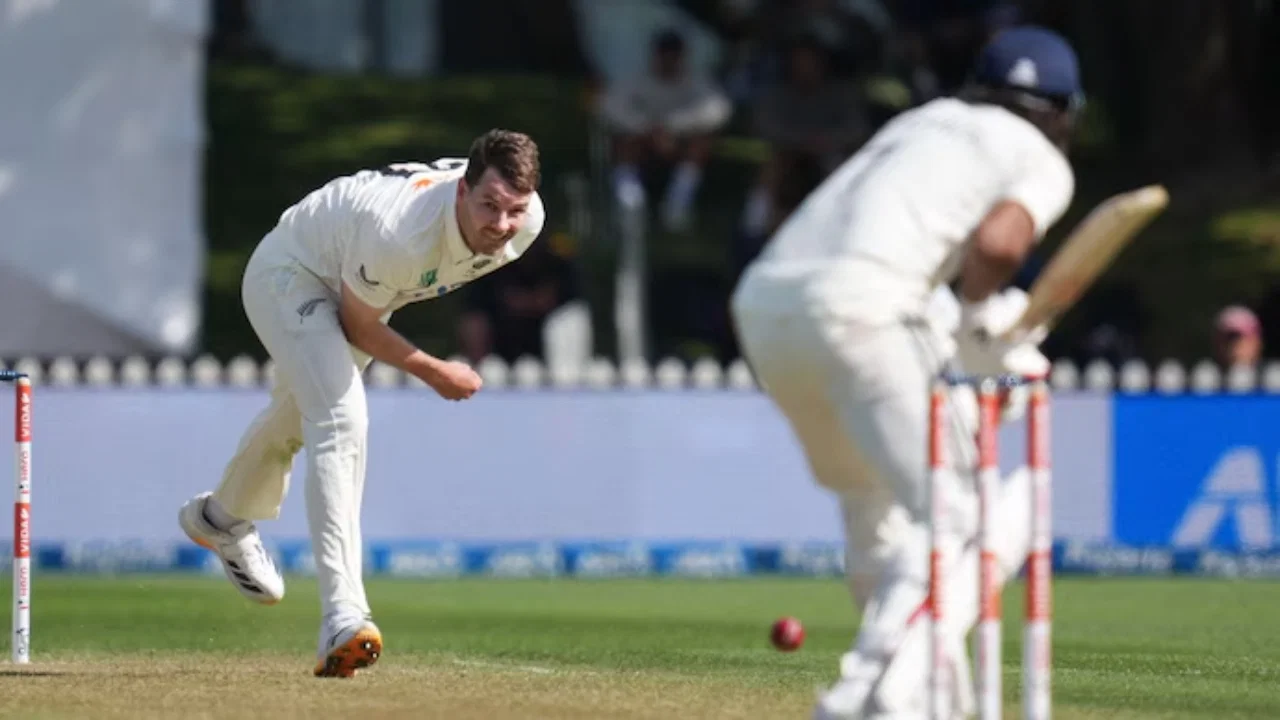
The spread of runs proved crucial. New Zealand could not focus its plans on one dominant batter, as fresh contributors continued to arrive and build partnerships. Glenn Phillips was the hosts’ most productive bowler, taking three wickets, but his return came at a cost of 154 runs as India maintained a high scoring rate.
Historic Total Sets New Overseas Record for India
India’s 720/9 declared is the team’s highest-ever Test score away from home, surpassing its previous best of 707 against Sri Lanka in Colombo in 2010. It is also India’s third-highest total in Test cricket overall, underlining the scale of the achievement.
The innings made India the first team to pass 700 in a Test match played in New Zealand. It also became the highest total ever recorded against the Black Caps in Test cricket, overtaking the West Indies’ 660/5 declared at the Basin Reserve in 1995.
India additionally moved past New Zealand’s national record for the highest Test innings on home soil. The hosts had made 715/6 declared against Bangladesh in Hamilton in 2019. India’s total now stands above that mark, giving the visitors a notable place in New Zealand cricket history.
India has crossed 700 in a Test innings five times. Those performances include its enormous total against England in Chennai, a major score against Sri Lanka at Brabourne, and high-scoring efforts against Sri Lanka, Australia and New Zealand overseas. The Wellington innings now leads the country’s away record.
Seven Consecutive 50-Plus Partnerships Create a World Record
One of the most unusual achievements came through the partnerships. India recorded a stand of at least 50 runs for each of its first seven wickets—the first time any team has accomplished that feat in Test history.
The sequence reflects the consistency of India’s batting across the innings. Rather than relying on a single long partnership, the team repeatedly rebuilt its momentum after wickets fell. That resilience helped turn a strong start into a total of historic proportions.
India’s seven partnerships of 50 or more also place the innings among the most prolific in Test cricket. It is tied for the second-highest number of such stands in a single innings, alongside Australia’s performance against England during the 2025–26 Ashes. The record remains India’s own: eight 50-plus partnerships against England at The Oval in 2007.
Top Five Batters Deliver a Rare Collective Performance
India’s top order produced another notable statistical milestone. It was only the second time in Test history that every batter in a team’s top five scored at least 80 runs in the same innings.
The previous occurrence also involved New Zealand as the opposition. Pakistan achieved the feat while making 566/3 declared against the Black Caps in Abu Dhabi in 2014. India’s matching accomplishment at Wellington highlights the unusually even distribution of runs across its leading batters.
Such collective output can be especially influential in a long-form match. It limits the opposition’s ability to exploit a weak link and forces bowlers to adjust repeatedly as new batters settle at the crease. India’s innings demonstrated how sustained partnerships and contributions from multiple positions can compound into a decisive advantage.
What the Record-Breaking Innings Means for the Test
With a 352-run first-innings cushion, India placed New Zealand under considerable pressure. The hosts faced the challenge of responding to a huge total while managing the demands of a long spell in the field. For India, the declaration offered an opportunity to attack with the ball while retaining a substantial lead as a safety net.
The Basin Reserve is known for conditions that can assist seam bowling, particularly when the weather and surface provide movement. That makes India’s score especially significant: the visitors not only negotiated the conditions but also converted their time at the crease into a record-setting total.
Any prediction about the match’s outcome depends on how New Zealand responds and whether India can make effective use of its advantage. A large lead does not guarantee victory, particularly in Test cricket, where weather, pitch changes and resilient batting can alter the contest. Still, India’s batting performance has given the tourists a powerful platform.
For fans, the innings will be remembered for both its headline number and the way it was built. Rahul and Pant supplied centuries, several teammates came close to three figures, and partnerships continued down the order. By combining individual milestones with unprecedented collective consistency, India turned the first innings at Wellington into a landmark moment in Test cricket.
Latest News
Jacob Duffy becomes New Zealand’s most expensive pacer in Test history
India’s highest Test scores ever: Full list after colossal total vs New Zealand

IPL 2027: Pat Cummins confirms availability for Sunrisers Hyderabad ahead of mini auction

Mushfiqur Rahim ruled out of 2nd Test against South Africa

IPL 2027: Robin Uthappa reveals his vision as Mumbai Indians’ new batting coach
“We just don’t fet along”: Josh Hazlewood makes honest admission about Usman Khawaja
Dhruv Jurel ready to play any role for India, weighs in on Rishabh Pant’s hundred

Geoffrey Boycott launches scathing attack on Steve Smith over 2018 Sandpapergate scandal

IND vs PAK: Pakistani umpire faces match-fixing allegations after celebrating with Pakistan team
Rishabh Pant reveals secret behind his explosive batting, says he ‘play with the bowler’s mind’

Sunil Gavaskar hails Shubman Gill as “totally reliable” after near-century against New Zealand

Sanjay Manjrekar highlights Rishabh Pant’s remarkable Test record after Wellington century

Watch: Dhruv Jurel pulls off sensational catch at short leg to dismiss Henry Nicholls

Rishabh Pant smashes multiple records with century in Wellington Test