“We just don’t fet along”: Josh Hazlewood makes honest admission about Usman Khawaja
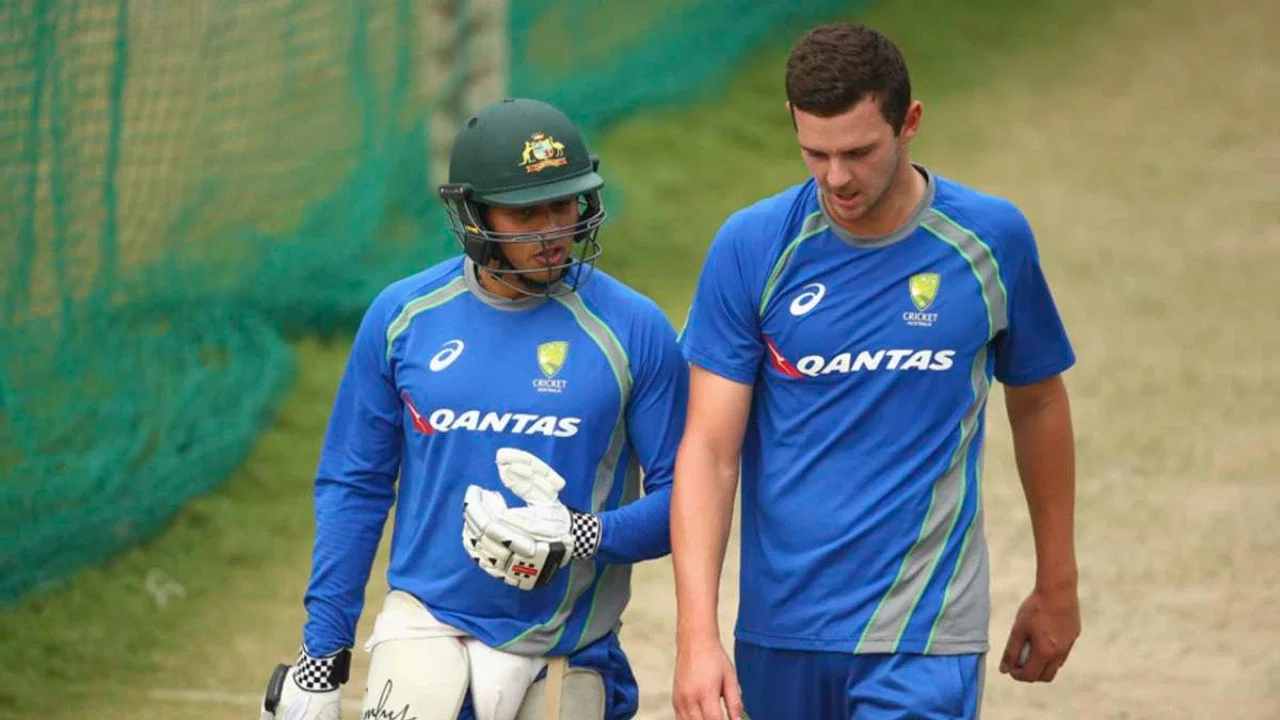
Josh Hazlewood Says He Was Never Close to Usman Khawaja as Sandpapergate Debate Resurfaces
Australia fast bowler Josh Hazlewood has offered a candid account of his relationship with Usman Khawaja, saying the pair were professional teammates but never close friends. His comments come as Khawaja’s autobiography, Sabr, has reignited debate over the 2018 ball-tampering scandal known as Sandpapergate.
The controversy continues to draw sharply different recollections from people connected to Australia’s tour of South Africa. Khawaja has written that the wider team knew sandpaper was being used to alter the ball’s condition. Several teammates and former coach Darren Lehmann have disputed that account, while other players have expressed support for Khawaja’s version. Hazlewood’s remarks add another perspective—not a definitive answer to what happened, but a glimpse into the relationships and atmosphere inside the team at the time.
Hazlewood describes a professional, distant relationship
In the second part of an interview with The Herald Sun, Hazlewood addressed his connection with Khawaja and the dynamics of the Australian dressing room during the South African tour. He stressed that there was no personal feud, hostility or deliberate avoidance between them. Their relationship, he said, was simply not especially close away from cricket.
Hazlewood compared the situation to any workplace, where colleagues can cooperate effectively without choosing to socialise together. A squad may share training sessions, travel and match responsibilities, he suggested, while friendships naturally form more strongly between some teammates than others.
“In any work environment, whether it be sport or in the office, and you have a team of 20, there are two or three who you just don’t get along with in terms of hanging out,” Hazlewood said, according to The Herald Sun.
He added that he tried to maintain a professional relationship with everyone he played alongside. Not being close to a teammate, he explained, did not mean he disliked them or went out of his way to avoid them. His comments offer a distinction that can be lost in discussions of team culture: professional respect and personal friendship are not necessarily the same thing.
No objection to Khawaja’s autobiography
Hazlewood also said he had no issue with Khawaja publishing his account in Sabr, or with the timing of its release. The book has placed the 2018 scandal back in the headlines, prompting fresh scrutiny of what players knew and how the team functioned during the tour.
That renewed attention has turned personal relationships into part of the wider discussion. However, Hazlewood’s comments about being distant from Khawaja do not, on their own, confirm or disprove the claims made in the book. They describe the nature of their relationship and the broader team environment as he remembers it, rather than settling the disputed details of the ball-tampering episode.
Hazlewood also indicated that he had a stronger personal bond with former Australia opener David Warner. That contrast underlines how relationships within a squad can vary considerably, even among players who spend years representing the same team.
Different accounts keep Sandpapergate in the spotlight
Sandpapergate remains one of the most damaging episodes in Australian cricket’s recent history. During the 2018 Test series in South Africa, Australia players Cameron Bancroft, Warner and then-captain Steve Smith were implicated in a plan to tamper with the ball. The scandal led to suspensions and lasting consequences for those involved, as well as a wider examination of leadership, accountability and the team’s culture.
Khawaja’s latest claims have reopened questions about whether knowledge of the plan extended beyond the players directly involved. Pat Cummins, Mitchell Starc, Hazlewood and Lehmann have rejected the suggestion that the entire team knew about the use of sandpaper. Warner, Bancroft and former Australia fast bowler Chadd Sayers have supported aspects of Khawaja’s account, according to the original report.
These contrasting statements have made the controversy difficult to resolve publicly. Memories of a high-pressure tour can differ, and players may have had different access to information depending on their roles, routines and relationships. Without a shared account, each new interview or autobiography can add detail while also deepening disagreement.
Hazlewood recalls a divided dressing room
Hazlewood described the Australian team of that period as not particularly close. He also acknowledged that there may have been some separation between the batters and bowlers, although he stopped short of presenting that divide as a complete explanation for the team’s internal relationships.
He recalled the Port Elizabeth dressing room as long and narrow, with players often gathering at different ends. In his view, that physical layout could have reinforced a pattern in which bowlers spent time together and batters formed their own group. It is a small but revealing detail: team culture is shaped not only by formal leadership, but also by everyday routines, shared spaces and the informal groups that develop within a squad.
Hazlewood’s recollection does not establish that the batters and bowlers were in conflict. Rather, it suggests that the team may not have operated as a single, tightly connected social unit. That context matters because discussions of Sandpapergate often focus on what individuals knew, while the environment around them—communication, trust and group cohesion—can be just as important to understanding how a team functions.
What the latest comments mean for Australia cricket
The latest revelations are likely to keep Sandpapergate in the news, particularly as former and current players continue to respond to Khawaja’s book. For readers seeking a prediction about what happens next, the most likely outcome is not a quick consensus but continued public disagreement. More interviews, memoirs and recollections may emerge, but they may not resolve every disputed detail.
Hazlewood’s contribution is significant mainly because it provides a personal account of the dressing-room atmosphere. He has described a team that was professionally functional but socially fragmented, with friendships varying between players and possible separation between batting and bowling groups. That perspective adds texture to the story without answering every question about who knew what during the 2018 tour.
For Australian cricket, the continuing debate is also a reminder that the consequences of a major sporting scandal can last far beyond suspensions or changes in leadership. The event becomes part of the sport’s history, and each new account can reshape how fans understand the people and culture involved. Hazlewood’s remarks may not close the Sandpapergate chapter, but they add another candid piece to an argument that remains unresolved.
Latest News
Jacob Duffy becomes New Zealand’s most expensive pacer in Test history
India’s highest Test scores ever: Full list after colossal total vs New Zealand

IPL 2027: Pat Cummins confirms availability for Sunrisers Hyderabad ahead of mini auction

Mushfiqur Rahim ruled out of 2nd Test against South Africa

IPL 2027: Robin Uthappa reveals his vision as Mumbai Indians’ new batting coach
“We just don’t fet along”: Josh Hazlewood makes honest admission about Usman Khawaja
Dhruv Jurel ready to play any role for India, weighs in on Rishabh Pant’s hundred
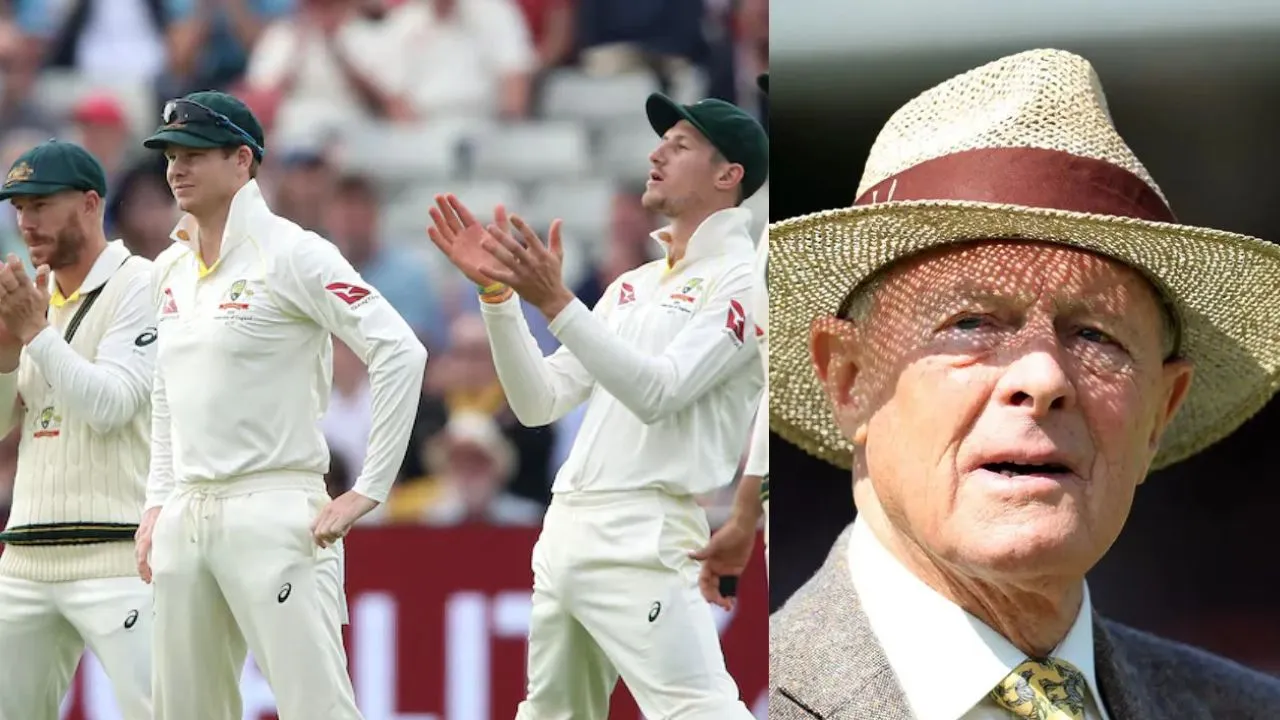
Geoffrey Boycott launches scathing attack on Steve Smith over 2018 Sandpapergate scandal

IND vs PAK: Pakistani umpire faces match-fixing allegations after celebrating with Pakistan team
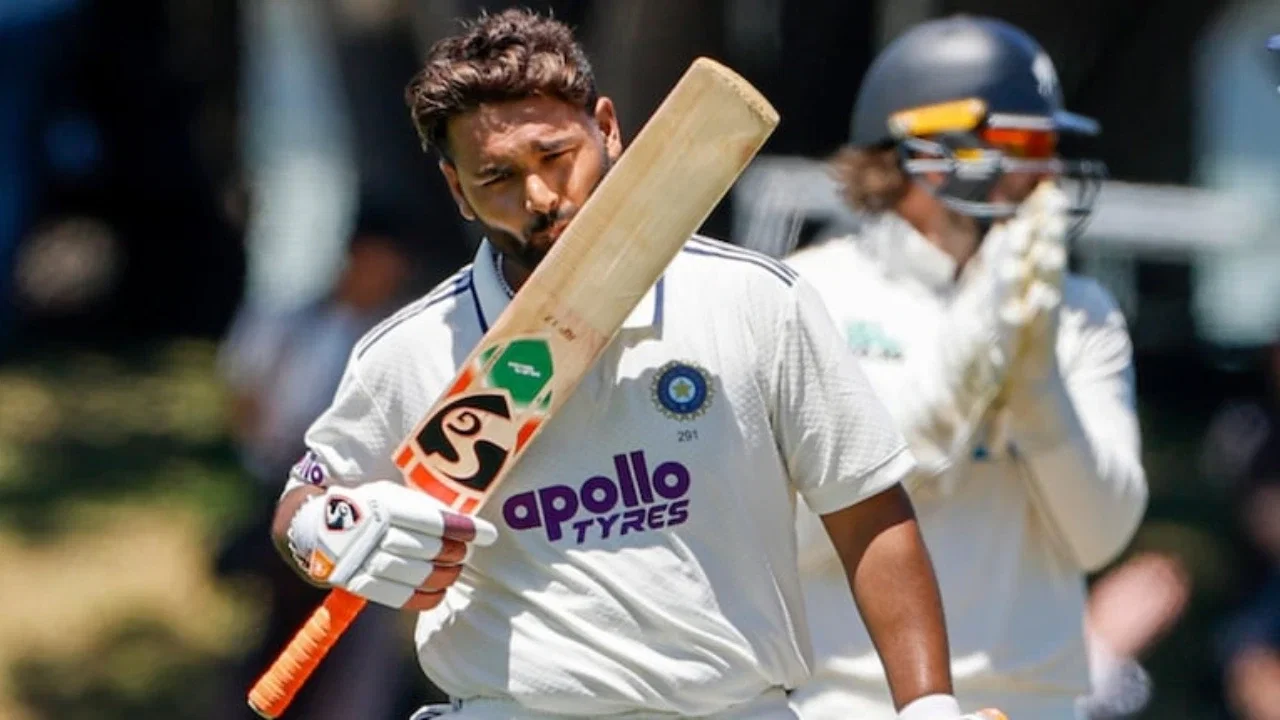
Rishabh Pant reveals secret behind his explosive batting, says he ‘play with the bowler’s mind’

Sunil Gavaskar hails Shubman Gill as “totally reliable” after near-century against New Zealand

Sanjay Manjrekar highlights Rishabh Pant’s remarkable Test record after Wellington century
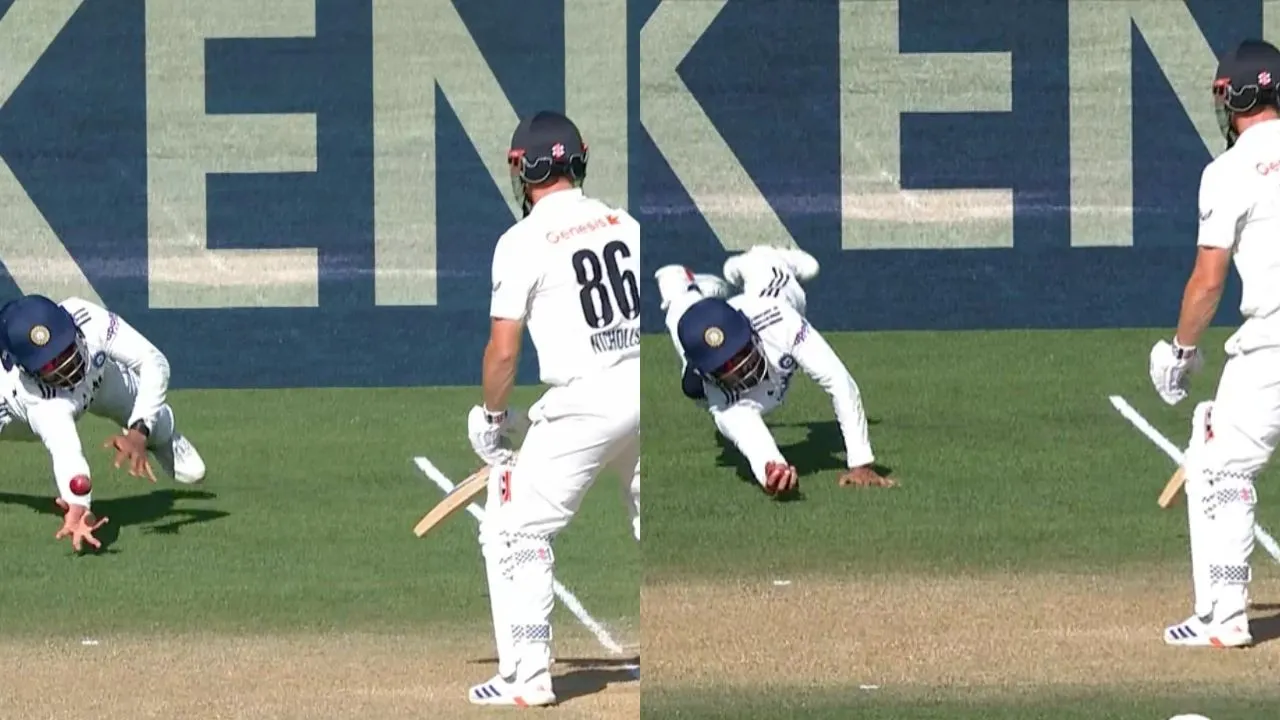
Watch: Dhruv Jurel pulls off sensational catch at short leg to dismiss Henry Nicholls
Rishabh Pant smashes multiple records with century in Wellington Test