Geoffrey Boycott launches scathing attack on Steve Smith over 2018 Sandpapergate scandal
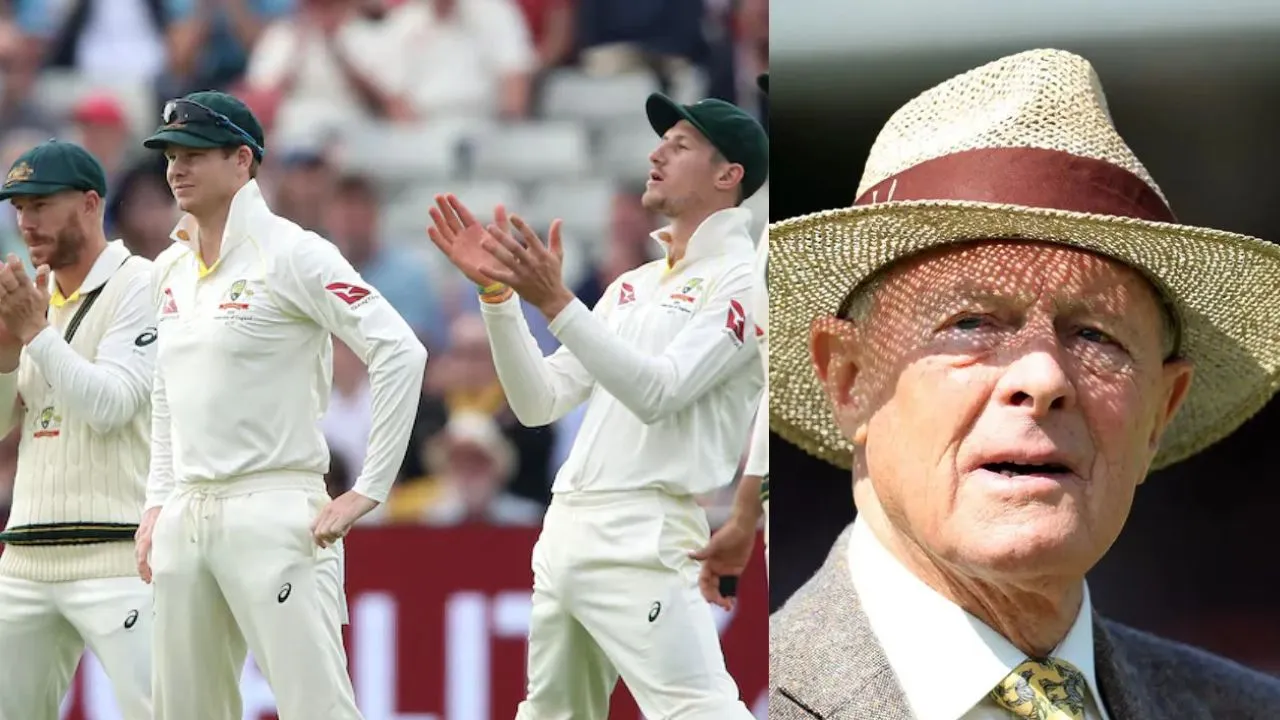
Geoffrey Boycott Reignites Debate Over Australia’s Sandpaper Scandal
Australia’s 2018 ball-tampering scandal has returned to the spotlight following comments from Usman Khawaja, prompting renewed debate about who knew what and how responsibility was handled. Former England captain Geoffrey Boycott has now weighed in, arguing that the incident was more damaging to cricket than the match-fixing scandal involving former South Africa captain Hansie Cronje.
The controversy, widely known as Sandpaper Gate, remains one of the most serious integrity crises in modern cricket. It resulted in lengthy suspensions for Steve Smith, David Warner and Cameron Bancroft, while head coach Darren Lehmann resigned. But Khawaja’s recent claims have reopened questions about whether accountability stopped with those three players—or whether more of the Australian team and support staff were aware of the plan.
Boycott Says Sandpaper Gate Was Bigger Than Cronje’s Match-Fixing
Writing in The Telegraph, Boycott compared the ball-tampering episode with the match-fixing scandal that emerged around Cronje in 2000. That case shook South African cricket and cast a long shadow over the sport. Boycott’s view is that the Australian scandal was broader because, in his assessment, it involved a team-wide culture rather than a small group of players.
“The Sandpaper scandal is even bigger than Hansie Cronje’s match-fixing,” Boycott wrote, describing it as an unprecedented case of a team cheating collectively. He argued that Cronje’s wrongdoing mainly involved recruiting a small number of younger players, whereas Sandpaper Gate, in his interpretation, implicated the wider Australian setup.
Boycott also questioned whether the three players who received bans were left to shoulder the blame for a much larger failure. He said the squad and coaching staff were “up to their necks” in the episode and suggested that the subsequent response amounted to a cover-up. These are Boycott’s forceful opinions, rather than findings established by the official investigation, but they reflect the continuing distrust surrounding the affair.
Why the 2018 Ball-Tampering Scandal Still Matters
The incident took place during the third Test between Australia and South Africa in Cape Town in March 2018. Television footage showed Bancroft handling a small piece of sandpaper and then attempting to conceal it. The footage triggered an immediate investigation by Cricket Australia and a wave of criticism from fans, players and commentators around the world.
Smith, Australia’s captain at the time, later acknowledged that he had known about a plan to alter the ball’s condition. Warner was identified as a senior figure in the scheme, while Bancroft was the player caught on camera carrying it out. Cricket Australia imposed a 12-month suspension on Smith and Warner, and a nine-month suspension on Bancroft. Warner was also barred from holding a leadership position in Australian cricket for an extended period.
The penalties were intended to demonstrate that deliberate ball-tampering would have serious consequences. Yet the punishment did not settle every question. Fans continued to debate whether the sanctions were proportionate, whether the investigation had uncovered the full story, and whether the team’s competitive culture had contributed to the incident.
Boycott Criticises Steve Smith’s Leadership
Boycott was particularly critical of Smith’s conduct as captain. He argued that Smith should have stopped the plan as soon as Warner raised it, rather than distancing himself from the details while allowing the attempt to proceed. In Boycott’s view, a captain’s responsibility extends beyond personal involvement: it includes setting standards and preventing teammates from crossing the line.
Smith’s role became a central focus because he was not the player seen using the sandpaper, but he was captain and later admitted that he had been aware of the plan. Boycott said Smith’s reported response—indicating that he did not want to know the specifics—did not absolve him of responsibility. The former England skipper argued that accepting the benefits of an unfair advantage was incompatible with the duties of a leader.
The criticism points to a broader lesson in sports leadership. Captains are expected to protect the integrity of the game, not simply manage tactics and team performance. When a captain fails to intervene, the damage can extend beyond a match result, affecting public confidence in the team and the sport itself.
Questions Remain About What the Bowlers Knew
One of the most persistent questions is whether Australia’s bowlers knew that the ball was being tampered with. Pat Cummins, Josh Hazlewood and Mitchell Starc have denied being aware of the plan in comments and public appearances. Their denials have drawn attention because bowlers are often closely involved in discussions about ball condition and reverse swing.
However, the fact that a bowler may benefit from a ball’s movement does not, by itself, prove knowledge of how its condition was changed. Establishing who knew about the plan requires evidence, not assumptions based on a player’s role or the match situation. The distinction between suspicion, awareness and direct participation is important in any fair assessment of the scandal.
Khawaja’s recent comments have nevertheless revived the debate over whether the original investigation captured the full extent of involvement. His claims have been interpreted by some as suggesting that awareness extended beyond the three players punished. They have also prompted renewed scrutiny of the team environment and the way responsibility was assigned after the incident.
Prediction: The Scandal Is Likely to Remain Part of Cricket’s Integrity Debate
Any prediction about Sandpaper Gate’s long-term legacy must account for the fact that the controversy is no longer only about what happened in Cape Town. It is also about how cricket responds when players breach the rules, how investigations communicate their findings, and whether sanctions are seen as transparent and consistent.
With fresh comments from former and current players continuing to emerge, the story may return to public discussion whenever questions are raised about team culture or accountability. That does not necessarily mean new evidence will surface, but it does suggest that the episode has not been fully put to rest in the minds of supporters.
For Australian cricket, the scandal remains a reminder that rebuilding trust takes longer than serving a suspension. For the wider sport, it is a case study in the responsibilities of captains, the limits of collective silence and the need for clear, credible investigations. Boycott’s comparison with the Cronje affair is deliberately provocative, but it captures the scale of the damage Sandpaper Gate caused to cricket’s reputation—and why the debate continues years later.
Latest News
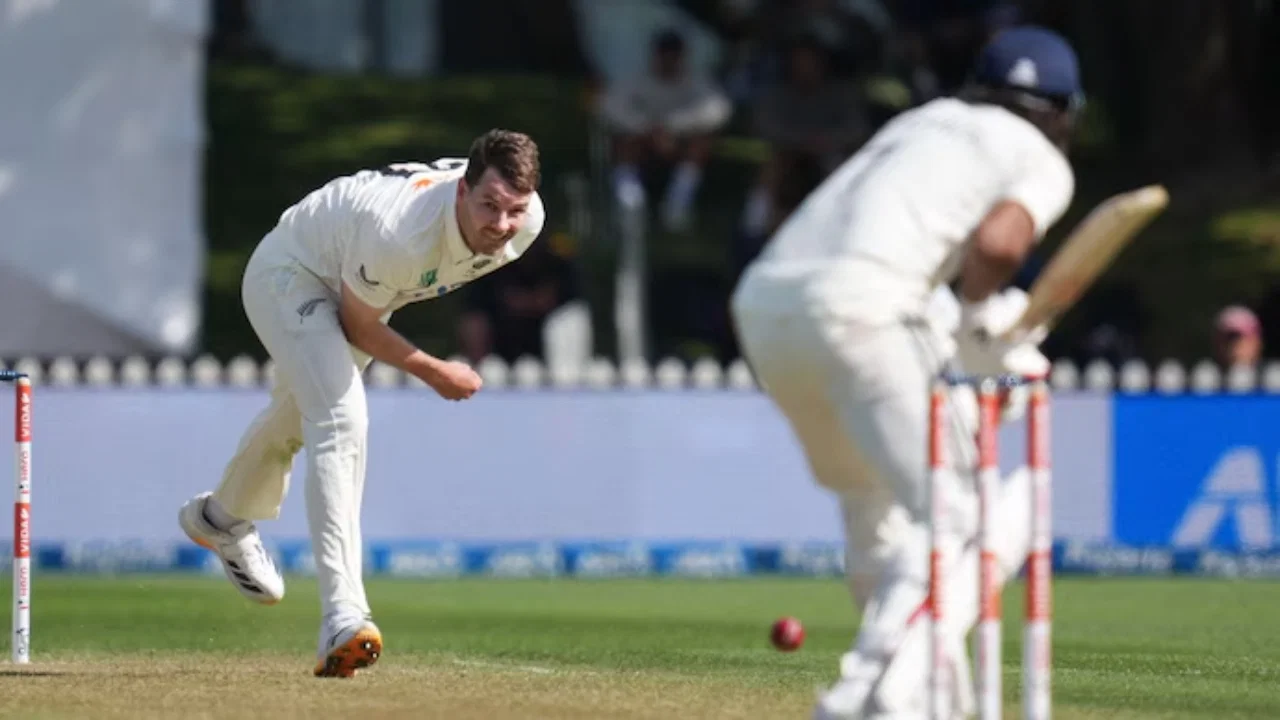
Jacob Duffy becomes New Zealand’s most expensive pacer in Test history
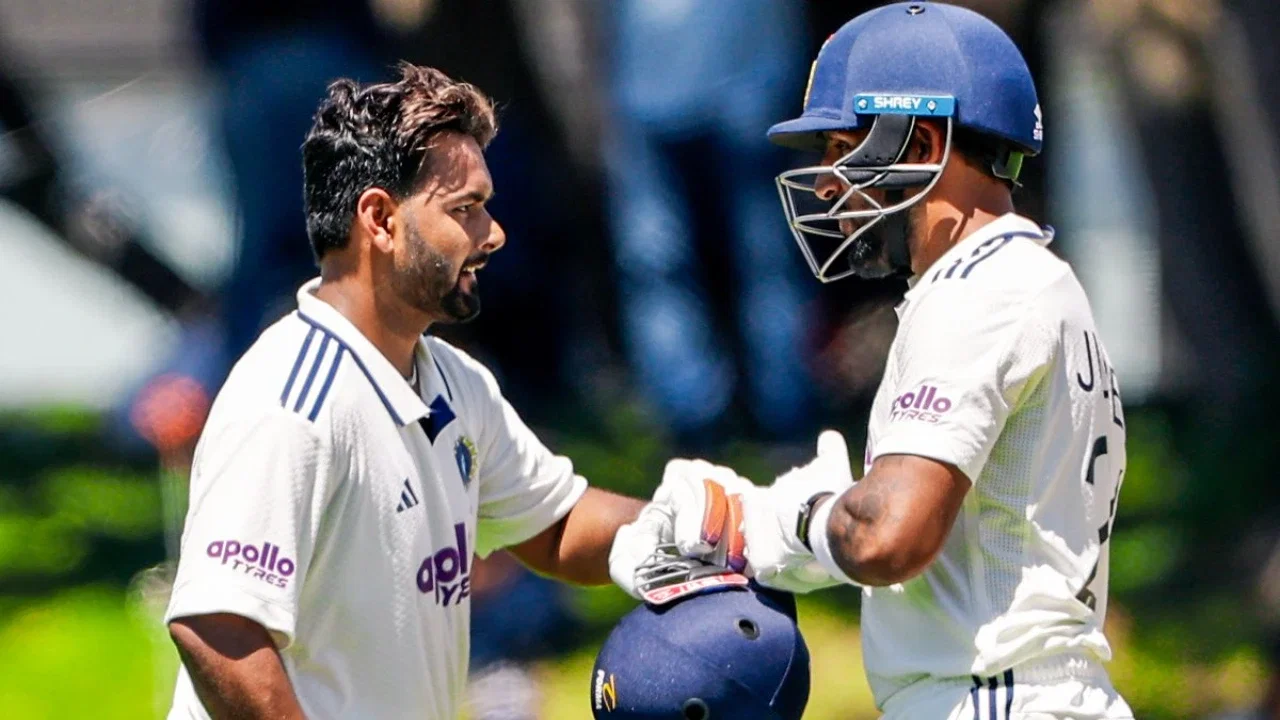
India’s highest Test scores ever: Full list after colossal total vs New Zealand

IPL 2027: Pat Cummins confirms availability for Sunrisers Hyderabad ahead of mini auction
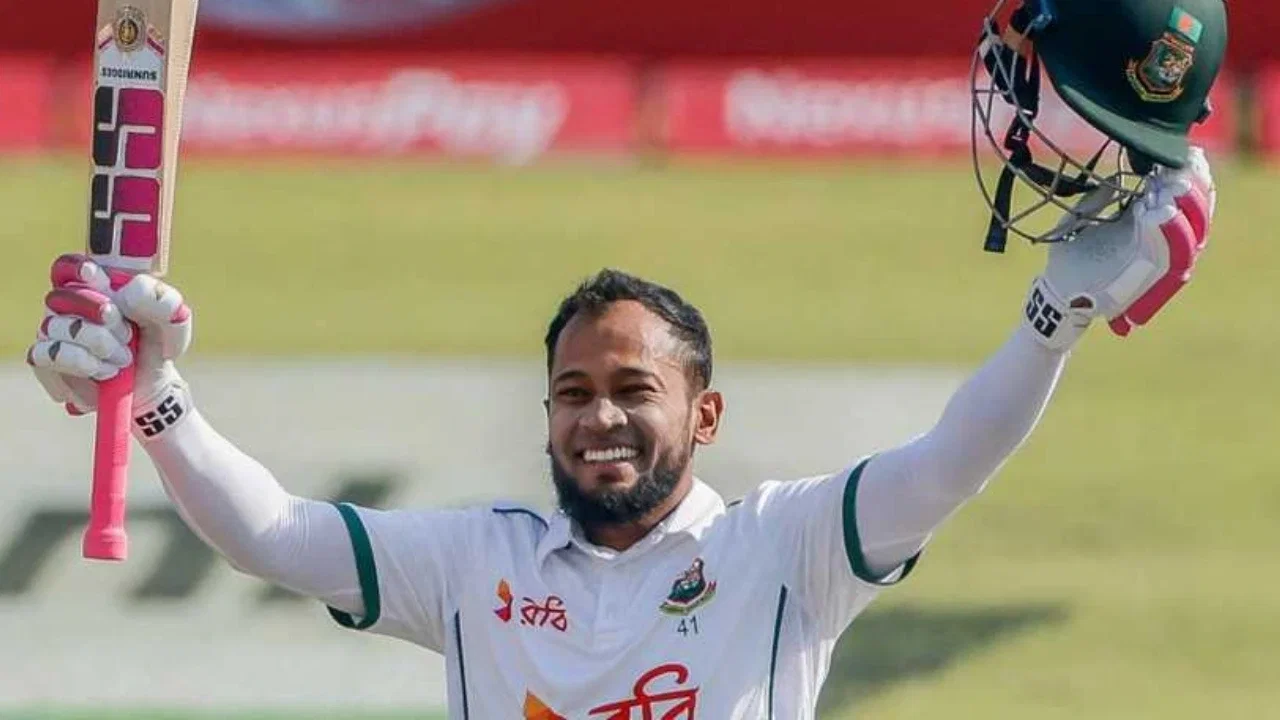
Mushfiqur Rahim ruled out of 2nd Test against South Africa
IPL 2027: Robin Uthappa reveals his vision as Mumbai Indians’ new batting coach
“We just don’t fet along”: Josh Hazlewood makes honest admission about Usman Khawaja
Dhruv Jurel ready to play any role for India, weighs in on Rishabh Pant’s hundred
Geoffrey Boycott launches scathing attack on Steve Smith over 2018 Sandpapergate scandal

IND vs PAK: Pakistani umpire faces match-fixing allegations after celebrating with Pakistan team
Rishabh Pant reveals secret behind his explosive batting, says he ‘play with the bowler’s mind’
Sunil Gavaskar hails Shubman Gill as “totally reliable” after near-century against New Zealand

Sanjay Manjrekar highlights Rishabh Pant’s remarkable Test record after Wellington century
Watch: Dhruv Jurel pulls off sensational catch at short leg to dismiss Henry Nicholls
Rishabh Pant smashes multiple records with century in Wellington Test