Dhruv Jurel ready to play any role for India, weighs in on Rishabh Pant’s hundred
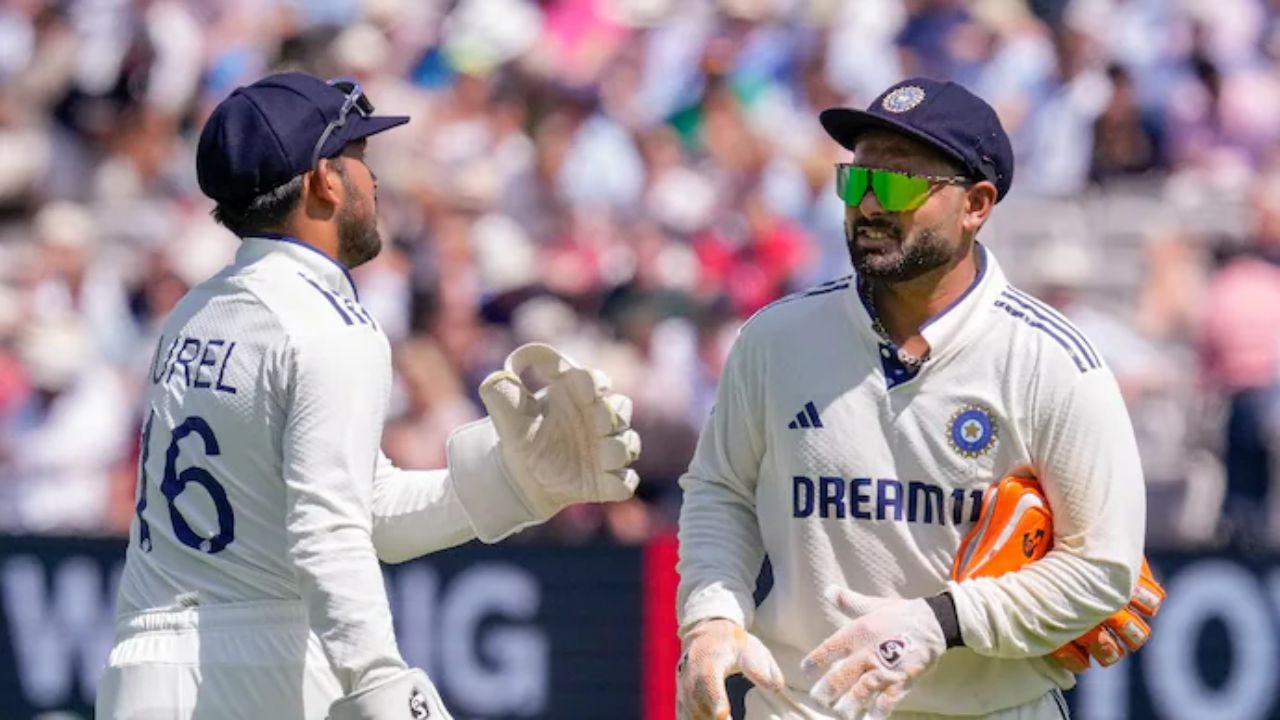
Dhruv Jurel Puts India First After Batting Blitz and Brilliant Catch in Wellington
India wicketkeeper-batter Dhruv Jurel has made it clear that he is ready to take on any role the team needs—even if that means playing as a specialist batter or, as he joked, being selected as a bowler. His comments came after a standout performance in the first Test against New Zealand at Wellington’s Basin Reserve, where he scored a rapid 78 and produced a sharp one-handed catch at forward short leg.
Jurel’s approach reflects the value of versatility in a demanding Test series. With India building a commanding position, his contribution extended beyond the runs he scored: he helped lengthen the batting order, maintained the innings’ momentum and then made an important impact in the field as New Zealand began their second innings.
“Playing for India” Matters More Than the Role
Speaking after the fourth day’s play, Jurel said his priority was representing the country, rather than focusing on whether he was chosen to keep wicket or bat. He said he would be willing to contribute in whatever capacity the team required.
“When it comes to playing for India, it doesn’t matter whether I am keeping wickets or playing as a batter. Bowler karke khilayenge toh bhi khel lunga,” Jurel said, indicating that he would even take the field as a bowler if asked.
The comment captured the team-first attitude India often needs across a long international schedule. A player able to adapt to different positions can give selectors and the captain more options, particularly when conditions, injuries or team balance require a change. Jurel’s willingness to accept a specialist batting role also underlines that wicketkeepers can offer significant value even when another player takes the gloves.
Jurel Praises Rishabh Pant’s Landmark Test Century
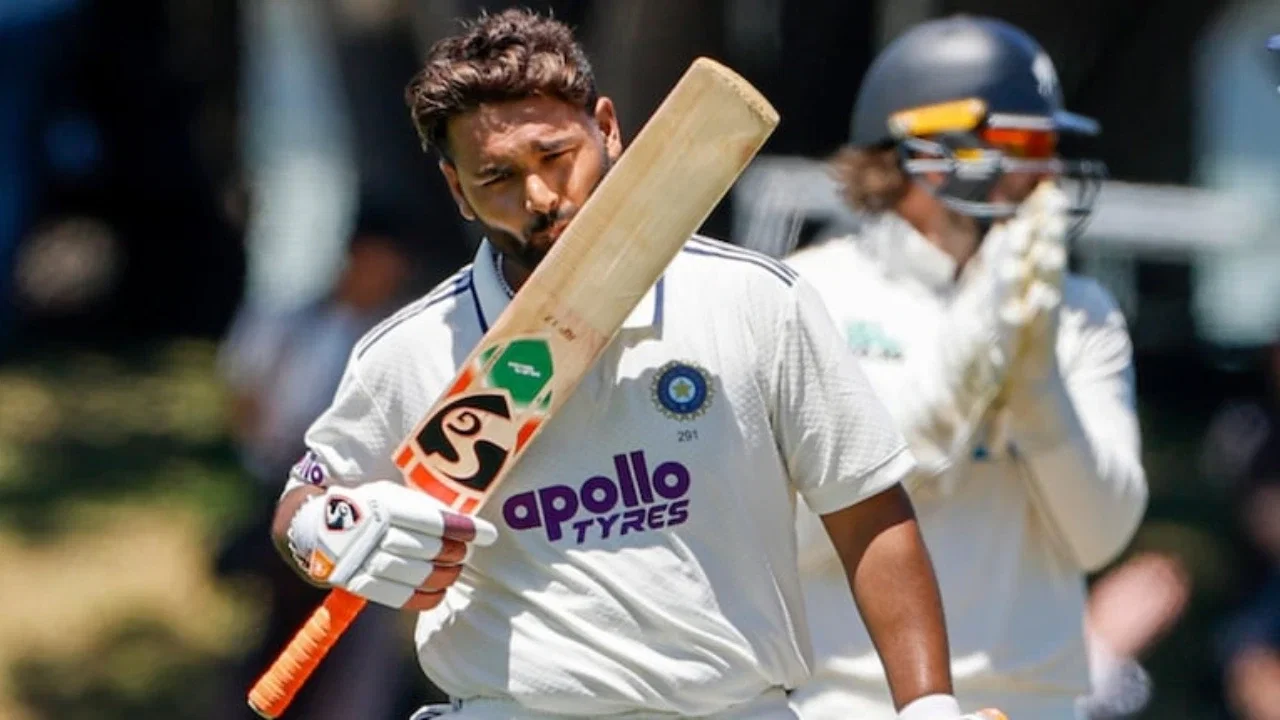
Jurel also spoke warmly about fellow wicketkeeper-batter Rishabh Pant, who made 128 in India’s first innings. Pant’s attacking century helped push the visitors towards a record total and added another milestone to an already remarkable Test career.
“I have spoken about him a lot of times. He is a phenomenal player,” Jurel said.
Pant reached three figures with a six, continuing the positive style that has made him one of the most influential players in India’s Test side. His century was particularly notable because it made him the first Asian wicketkeeper to score Test hundreds in all four SENA countries—South Africa, England, New Zealand and Australia. In conditions where the ball can move and bounce, that achievement highlights both his adaptability and his ability to change the pace of a match.
India Build a Record-Breaking 720/9 Declared
India began Day 4 at 486/4, holding a lead of 118 after strong contributions from KL Rahul and Shubman Gill. Rahul had scored 136, while Gill finished just short of a century on 98. The visitors resumed with an opportunity to turn their advantage into a substantial first-innings cushion—and made the most of it.
Nightwatchman Anshul Kamboj, who had come in late on the previous evening, stayed at the crease for 40 deliveries on Sunday morning and added 38. His resistance gave Pant time to settle and helped India continue building their total. Pant’s dismissal shortly before lunch, with India at 629/6, brought Jurel to the middle.
Jurel wasted little time in taking the initiative. His 78 came from 79 balls, a brisk innings that kept the scoring rate high and helped India pass 700. He combined controlled strokeplay with attacking intent, ensuring New Zealand had little chance to slow the innings through defensive fields or extended spells of pressure.
Captain Shubman Gill declared at 720/9 after the fall of the ninth wicket on the final delivery of the 166th over. The total was India’s highest overseas Test score and the highest Test innings recorded in New Zealand. More importantly for the match, it gave the visitors a 352-run lead over New Zealand’s first-innings 368.
That margin gave India a strong platform, but the size of the lead did not make the remaining work automatic. New Zealand had time to bat out the final innings, and India needed early wickets to turn a commanding position into a realistic route to victory.
Jurel’s One-Handed Catch Removes Henry Nicholls
India made an immediate breakthrough when Jasprit Bumrah dismissed New Zealand captain Tom Latham for a second-ball duck. Devon Conway and Henry Nicholls then steadied the innings, taking the hosts to 33/1 at tea and preventing India from building uninterrupted momentum.
The next key moment came in the 23rd over. Prasidh Krishna delivered a back-of-a-length ball from around the wicket, pitching on middle stump. Nicholls attempted to work it towards the leg side, but the ball took a thick inside edge, struck his thigh pad and ricocheted towards Jurel at forward short leg.
Jurel had begun shifting his weight backwards, but reacted quickly as the ball changed direction. He dived forward to his left and completed a one-handed catch with his right hand just above the ground. The dismissal ended Nicholls’ innings on 31 from 59 balls and drew an animated response from Gill, who was visibly delighted by the effort.
Nicholls was a significant wicket for India. He had scored an unbeaten 175 in New Zealand’s first innings, making him one of the hosts’ most dependable batters in the match. Removing him before he could build another substantial partnership gave India a valuable opening in the chase for wickets.
New Zealand Finish Day 4 at 119/2
Despite the loss of Nicholls, New Zealand responded with a steady partnership. Conway and Rachin Ravindra remained unbeaten through the close, adding 59 runs together to take the score to 119/2. India therefore ended the day needing eight more wickets, while the hosts still had two established batters at the crease and a long task ahead.
The match’s final-day outlook depends on how quickly India can break the Conway-Ravindra stand. An early breakthrough would expose the middle order and strengthen India’s chances of converting its 352-run lead into a win and a 1-0 series advantage. If New Zealand’s batters can occupy the crease for long periods, however, the contest could become a test of patience as much as skill.
For Jurel, Day 4 offered a concise demonstration of his value: adaptable in his role, productive with the bat and alert in the field. His 78 helped India establish a historic total, while his catch removed a batter capable of resisting the attack. As the first Test moves towards its conclusion, his all-round contribution may prove an important part of India’s prediction for success in Wellington—and a reminder that flexibility can be as influential as a headline score.
Latest News

Jacob Duffy becomes New Zealand’s most expensive pacer in Test history

India’s highest Test scores ever: Full list after colossal total vs New Zealand

IPL 2027: Pat Cummins confirms availability for Sunrisers Hyderabad ahead of mini auction

Mushfiqur Rahim ruled out of 2nd Test against South Africa

IPL 2027: Robin Uthappa reveals his vision as Mumbai Indians’ new batting coach

“We just don’t fet along”: Josh Hazlewood makes honest admission about Usman Khawaja
Dhruv Jurel ready to play any role for India, weighs in on Rishabh Pant’s hundred

Geoffrey Boycott launches scathing attack on Steve Smith over 2018 Sandpapergate scandal

IND vs PAK: Pakistani umpire faces match-fixing allegations after celebrating with Pakistan team
Rishabh Pant reveals secret behind his explosive batting, says he ‘play with the bowler’s mind’

Sunil Gavaskar hails Shubman Gill as “totally reliable” after near-century against New Zealand

Sanjay Manjrekar highlights Rishabh Pant’s remarkable Test record after Wellington century

Watch: Dhruv Jurel pulls off sensational catch at short leg to dismiss Henry Nicholls

Rishabh Pant smashes multiple records with century in Wellington Test