Watch: Dhruv Jurel pulls off sensational catch at short leg to dismiss Henry Nicholls
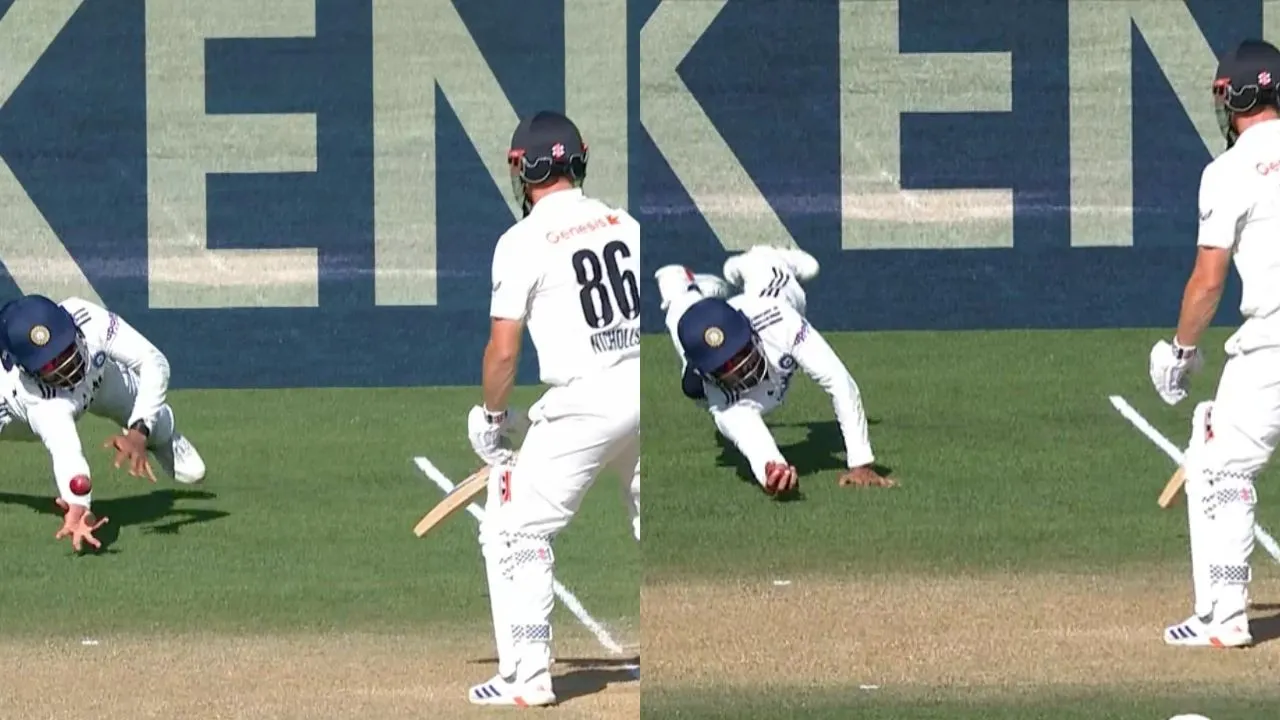
Dhruv Jurel’s Brilliant Reflex Catch Gives India a Crucial Breakthrough Against New Zealand
India tightened their grip on the Test match when wicketkeeper-batter Dhruv Jurel produced a sharp catch at short leg to dismiss New Zealand’s in-form Henry Nicholls during the third session of Day 3. The wicket came off the bowling of Prasidh Krishna and ended a promising stay from a batter who had made a major contribution in New Zealand’s first innings.
Nicholls had scored a commanding century earlier in the match, so his departure was an important moment in India’s effort to control the hosts’ second-innings chase. The catch also highlighted the value of close-in fielding in Test cricket, where quick reactions can turn a small opening into a significant breakthrough.
How Prasidh Krishna set up the wicket
The dismissal came on the first delivery of the 22nd over. Bowling around the wicket, Krishna delivered a back-of-a-length ball that moved in towards Nicholls and forced him onto the back foot. The New Zealand batter tried to work it towards the leg side, but the ball took an inside edge.
It then struck Nicholls on the thigh pad and popped into the air, creating only a brief chance. Jurel, stationed close to the batter at short leg, tracked the ball carefully and reacted in an instant. He held on cleanly, giving India the breakthrough they needed.
India captain Shubman Gill immediately recognised the importance of the moment. He celebrated enthusiastically with Jurel, and the rest of the team joined in as Nicholls walked back for 31 from 59 deliveries. New Zealand had lost their second wicket, with India’s bowlers building pressure after the hosts’ first-innings resistance.
Jurel’s contribution extends beyond the bat
Jurel’s catch was a reminder that his influence in the match has not been limited to his batting. The young keeper-batter had already made a valuable contribution with the bat, and his alert work at short leg added another dimension to India’s performance.
Close-in positions demand concentration and courage: a fielder has little time to judge the ball’s direction, height and pace. Jurel’s clean take showed excellent awareness and hand-eye coordination. In a match where India had built a substantial advantage, such a moment helped maintain the visitors’ momentum.
India’s 720-run total puts New Zealand under severe pressure
The breakthrough followed an extraordinary first-innings display from India. The visitors piled up 720 runs, taking a commanding lead after New Zealand had been dismissed for 368. India’s top and middle order contributed across the innings, making it difficult for the home side to regain control.
KL Rahul scored 136, while Rishabh Pant added 128, giving India two major innings that stretched New Zealand’s bowlers. Gill came close to a century but was dismissed just short of the landmark. Yashasvi Jaiswal and Devdutt Padikkal also made substantial contributions, both reaching the 80s.
Jurel continued the run of strong batting from the middle order, scoring 78 from 79 balls at No. 7. His brisk innings helped India maintain the pressure late in the innings and underlined the depth of the visitors’ batting line-up. Rather than relying on one standout partnership, India built their total through contributions from several positions.
A demanding task for New Zealand
With such a large first-innings deficit, New Zealand faced a difficult assignment in their second innings. The hosts needed to bat for an extended period, preserve their remaining wickets and prevent India from turning a dominant position into a decisive result. The pitch had grown older, but the ball still carried some shine, offering the Indian seamers an opportunity to extract movement and challenge the batters.
Nicholls’ wicket was particularly significant because he had looked assured during his first-innings century. He scored an unbeaten 175 from 335 balls, anchoring New Zealand’s response and demonstrating the patience required to succeed in demanding conditions. His experience and ability to occupy the crease made him one of the home side’s most important batters.
His second-innings dismissal for 31 therefore represented more than the loss of a single wicket. It removed a batter who had already shown he could handle India’s attack and placed additional responsibility on the remaining New Zealand line-up. The hosts would need a sustained effort from their senior batters to keep the match alive.
What the wicket means for the match prediction
India’s huge total, combined with Krishna’s early strike and Jurel’s outstanding catch, strengthened the visitors’ position. Any match prediction at this stage would favour India, given the scale of their lead and the pressure on New Zealand’s batting order. However, Test matches can change quickly, and the hosts’ response over the remaining sessions would determine how long they could resist.
For India, the immediate challenge was to keep bowling with discipline, avoid offering easy scoring opportunities and make the most of the conditions while the ball remained relatively new. For New Zealand, survival depended on building partnerships and showing the same patience that Nicholls had displayed in the first innings.
Jurel’s catch may have lasted only a moment, but it captured the difference between the two sides’ positions: India were converting opportunities and sustaining pressure, while New Zealand were being forced to defend under increasingly difficult circumstances. With a massive lead already established, every wicket brought the visitors closer to taking control of the match.
Latest News

Jacob Duffy becomes New Zealand’s most expensive pacer in Test history
India’s highest Test scores ever: Full list after colossal total vs New Zealand

IPL 2027: Pat Cummins confirms availability for Sunrisers Hyderabad ahead of mini auction

Mushfiqur Rahim ruled out of 2nd Test against South Africa
IPL 2027: Robin Uthappa reveals his vision as Mumbai Indians’ new batting coach
“We just don’t fet along”: Josh Hazlewood makes honest admission about Usman Khawaja
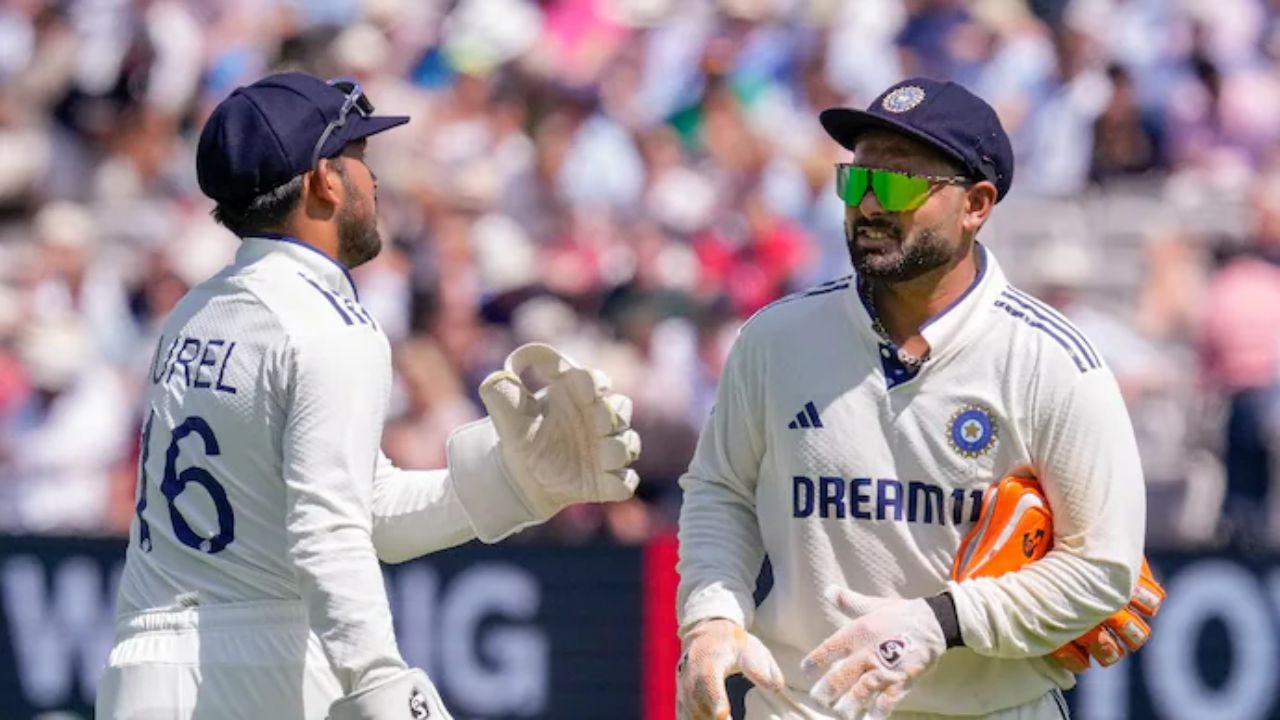
Dhruv Jurel ready to play any role for India, weighs in on Rishabh Pant’s hundred
Geoffrey Boycott launches scathing attack on Steve Smith over 2018 Sandpapergate scandal

IND vs PAK: Pakistani umpire faces match-fixing allegations after celebrating with Pakistan team
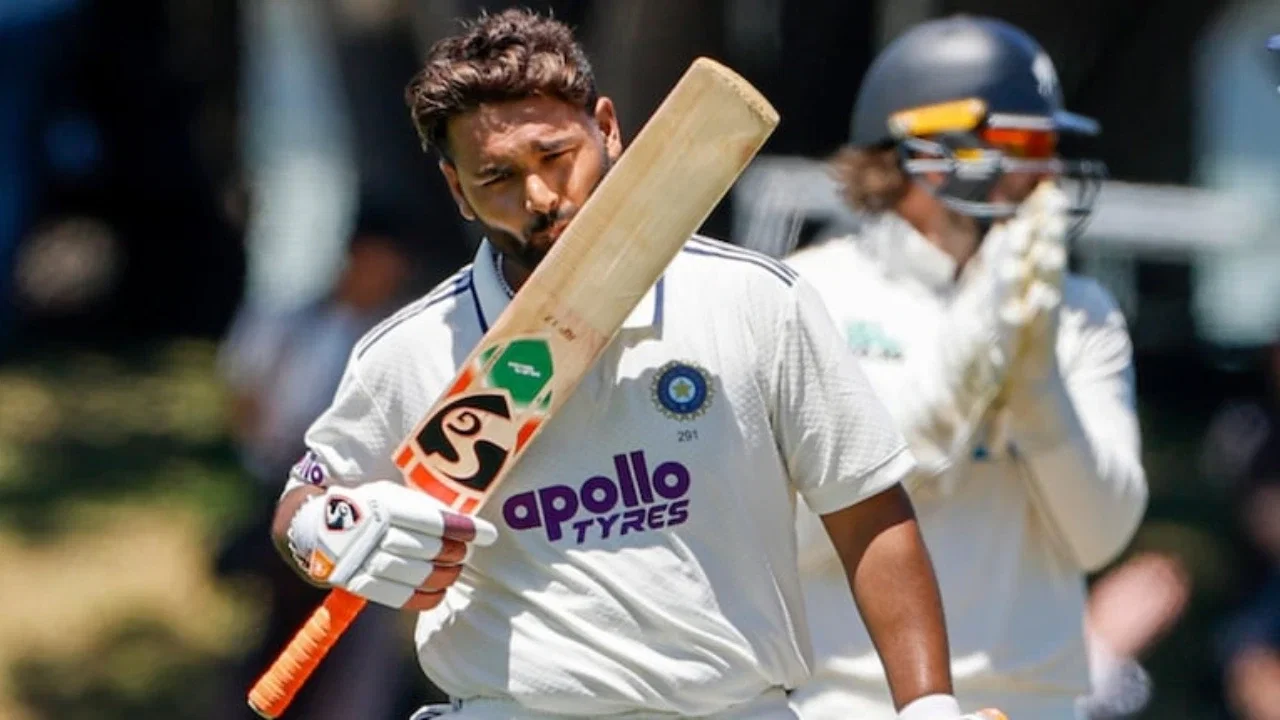
Rishabh Pant reveals secret behind his explosive batting, says he ‘play with the bowler’s mind’

Sunil Gavaskar hails Shubman Gill as “totally reliable” after near-century against New Zealand

Sanjay Manjrekar highlights Rishabh Pant’s remarkable Test record after Wellington century
Watch: Dhruv Jurel pulls off sensational catch at short leg to dismiss Henry Nicholls
Rishabh Pant smashes multiple records with century in Wellington Test