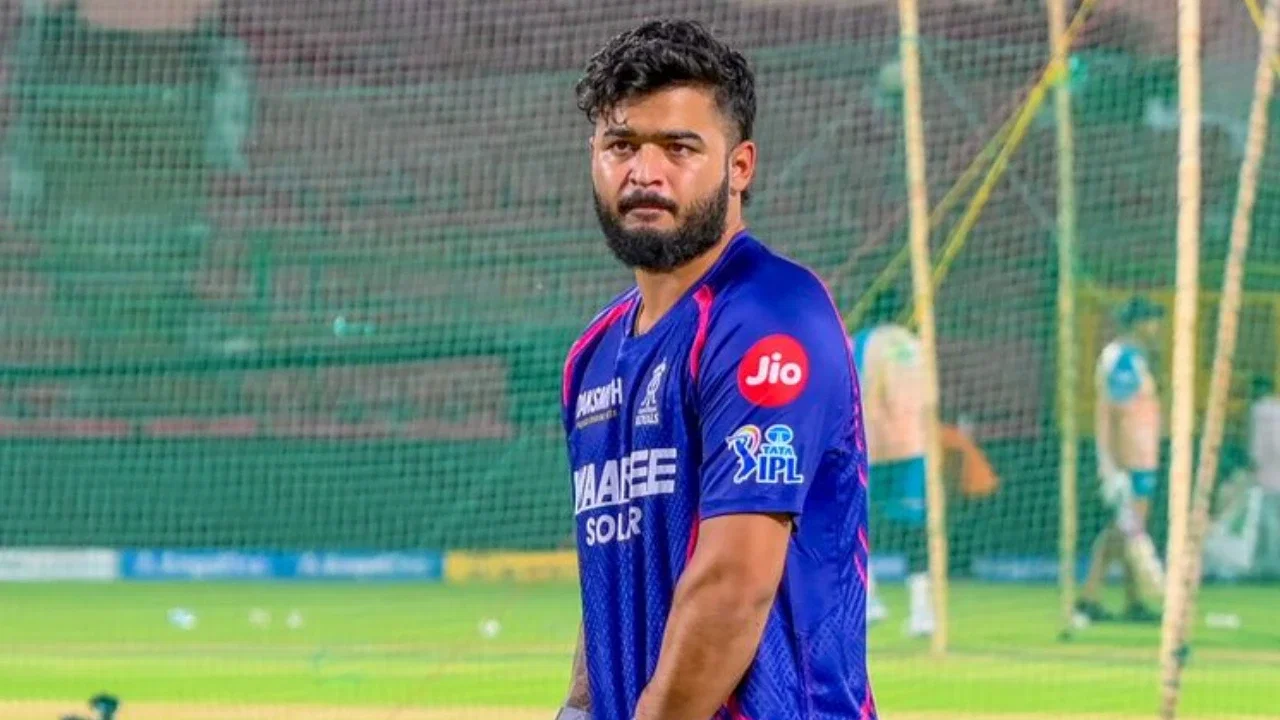
“Daws was probably our best bowler”: Harry Brook explains why Adil Rashid was dropped
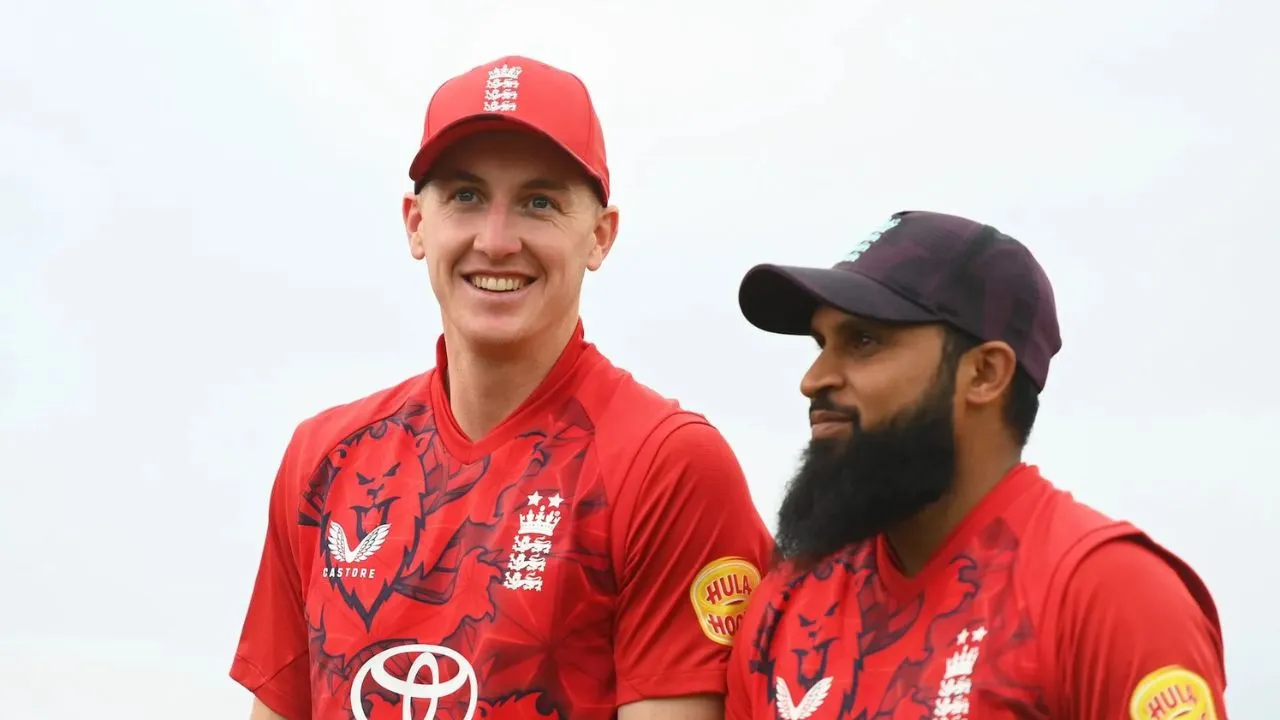
England’s Adil Rashid Selection Debate Intensifies After Sri Lanka’s Record ODI Chase
England’s decision to leave Adil Rashid out of their one-day international clash with Sri Lanka has come under renewed scrutiny after the hosts failed to defend 430 runs in a historic defeat. Sri Lanka’s remarkable chase set a new record for the highest successful run chase in men’s ODI cricket, turning Harry Brook’s landmark double century into a losing effort.
Former England captain Nasser Hussain questioned the decision to omit Rashid, pointing to England’s long-running difficulty taking wickets during the middle overs. Brook, however, stood by the selection call, arguing that Liam Dawson performed strongly and was the best of England’s bowlers on a day when Sri Lanka’s batters dominated.
Brook backs the decision to select Dawson
England chose Dawson ahead of Rashid for the match, a notable change given the leg-spinner’s importance to the side. Rashid has featured in 159 of England’s 186 men’s ODIs since June 2015, making his absence a significant talking point after Sri Lanka completed the chase with two wickets remaining.
Asked whether he would reconsider the decision in hindsight, Brook said he was uncertain but defended the reasoning behind it. He praised Dawson for repeatedly targeting the stumps and maintaining pressure through the middle of the innings.
“We brought Daws in for Rash, and I think Daws was probably the pick of the bowlers,” Brook said. He added that Dawson kept the stumps in play for much of the match and, in his view, was England’s most effective bowler.
Brook’s comments reflect the difficult balance facing a captain in a high-scoring ODI. Selection decisions are often judged by the result, but England’s thinking may have involved conditions, match-ups and the need for a particular style of control. Dawson’s performance offered Brook a case for his choice, even as Sri Lanka’s successful chase ensured the debate would continue.
Hussain highlights England’s middle-over problem
Hussain’s criticism focused on a broader concern than one team selection. He said England have struggled to take wickets in the middle overs over the past two or three years, leaving opponents able to build partnerships and preserve wickets for a late assault.
In modern ODI cricket, the middle phase is often where a bowling side must disrupt the batting team’s momentum. If wickets do not fall, batters can settle, rotate the strike and keep enough resources in hand for a powerful finish. Sri Lanka’s chase illustrated the danger: England posted a huge total, but their opponents continued to find runs and kept the required rate within reach.
Hussain also argued that England need Rashid to return to his best form. While recognising the spinner’s reputation, he suggested that Rashid’s recent output had dipped, perhaps partly because of injuries. His point was not simply that Rashid should always be selected, but that England need their established wicket-taking option to be at his most effective if they are to improve their middle-over record.
Hussain also noted that Jofra Archer’s return could provide England with extra pace and attacking threat. A faster bowler capable of breaking partnerships may help, but England will still need a coordinated plan across the innings. Pace, spin, field settings and pressure through dot balls all contribute to limiting a batting side’s options.
Brook’s double century cannot prevent a historic defeat
England’s innings contained several major contributions. Tom Banton gave the side a solid platform with a half-century, while Joe Root added 69 from 66 deliveries. Brook then took charge, producing a spectacular 202 and becoming the first English batter to score a double century in men’s ODI cricket.
His innings gave England an imposing total of 430, a score that would normally place a team in a commanding position. Brook combined sustained scoring with attacking intent, turning a strong platform into a record-setting personal achievement. Yet the match also underlined a familiar truth in limited-overs cricket: even an extraordinary total is not a guarantee of victory when the opposition bats with confidence and the bowling side cannot make decisive breakthroughs.
Sri Lanka’s batters deliver a stunning chase
Sri Lanka chose to field after winning the toss, then responded to England’s total with a chase built on several substantial innings. Avishka Fernando made a flying start and came close to a century, falling for 97. His innings helped establish momentum, while Pavan Rathnayake’s 130 kept Sri Lanka firmly in contention.
Dasun Shanaka added 97, giving the chase another major contribution, before Janith Liyanage produced the late acceleration that proved decisive. His 61 from just 27 balls transformed the closing stages, applying pressure to England’s bowlers and bringing Sri Lanka within reach of the target. The visitors eventually completed the chase with two wickets in hand, creating a new benchmark for successful ODI run chases.
The result was not simply a story of England’s bowling or the decision to leave Rashid out. Sri Lanka’s depth, composure and ability to maintain the scoring rate were central to the outcome. Several batters made significant contributions, preventing England from focusing on a single threat and ensuring the required run rate never became insurmountable.
What the result means for England’s next ODI tests
England’s defeat leaves the team with questions to address despite Brook’s historic innings. The immediate selection debate centres on Rashid and Dawson, but the larger issue is how England can take wickets when opponents are scoring quickly. A stronger middle-over strategy could involve more attacking fields, clearer bowling roles and greater variation in pace and length, depending on conditions and the batters at the crease.
For Rashid, the challenge is to rediscover the control and penetration that have made him a key figure in England’s white-ball attack. For Brook, the task is to assess whether the balance of the bowling unit is producing enough wicket-taking threat, rather than judging a selection solely by one player’s economy or one match’s outcome.
Any prediction about England’s response will depend on how quickly the side turns this defeat into practical changes. Brook’s double century demonstrates the batting unit’s ability to post a formidable score, but Sri Lanka’s record chase showed that England must pair that firepower with a more reliable plan to break partnerships. Until they do, even a total of 430 may not feel safe.
Latest News
Shreyas Iyer set to surpass Rohit Sharma’s record against New Zealand in 2nd T20I
Hanuma Vihari points out area of concern in Sanju Samson’s batting

Ishan Kishan ruled out of 2nd T20I vs New Zealand GT batter named as replacement
“Daws was probably our best bowler”: Harry Brook explains why Adil Rashid was dropped
Women’s T20 World Cup 2028: Pakistan set to host ICC Tournament, final on October 1
Nasser Hussain defends James Anderson after Lancashire contract uncertainty
S Meghana retires from all forms of cricket, thanks RCB
Not Nitish Kumar Reddy! This Mumbai Indians sensation tipped as the next Hardik Pandya
Ravichandran Ashwin explains why Bhuvneshwar Kumar struggled in 1st T20I vs New Zealand
Irfan Pathan takes aim at Gautam Gambhir’s haters over Ishan Kishan-Tilak Varma controversy
PCB to introduce PSL Sixes to compete with Hong Kong Sixes

IND vs NZ Playing 11 Today, Live Streaming, Pitch & Weather: New Zealand vs India 2nd T20I, 2026
Tim David eyes Australia’s 2027 ODI World Cup spot with surprise Tasmania return
Virat Kohli ignored calls, messages: Amit Mishra blames ex-India captain for crushing comeback hopes