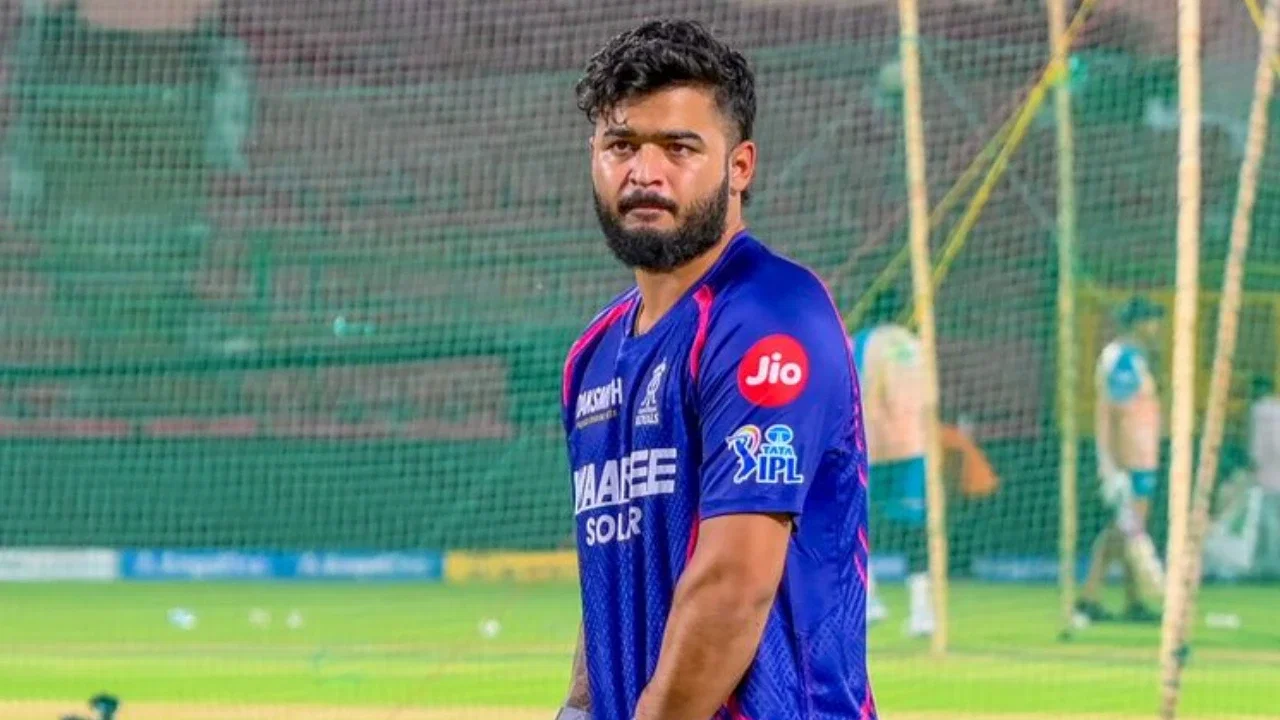
Hanuma Vihari points out area of concern in Sanju Samson’s batting
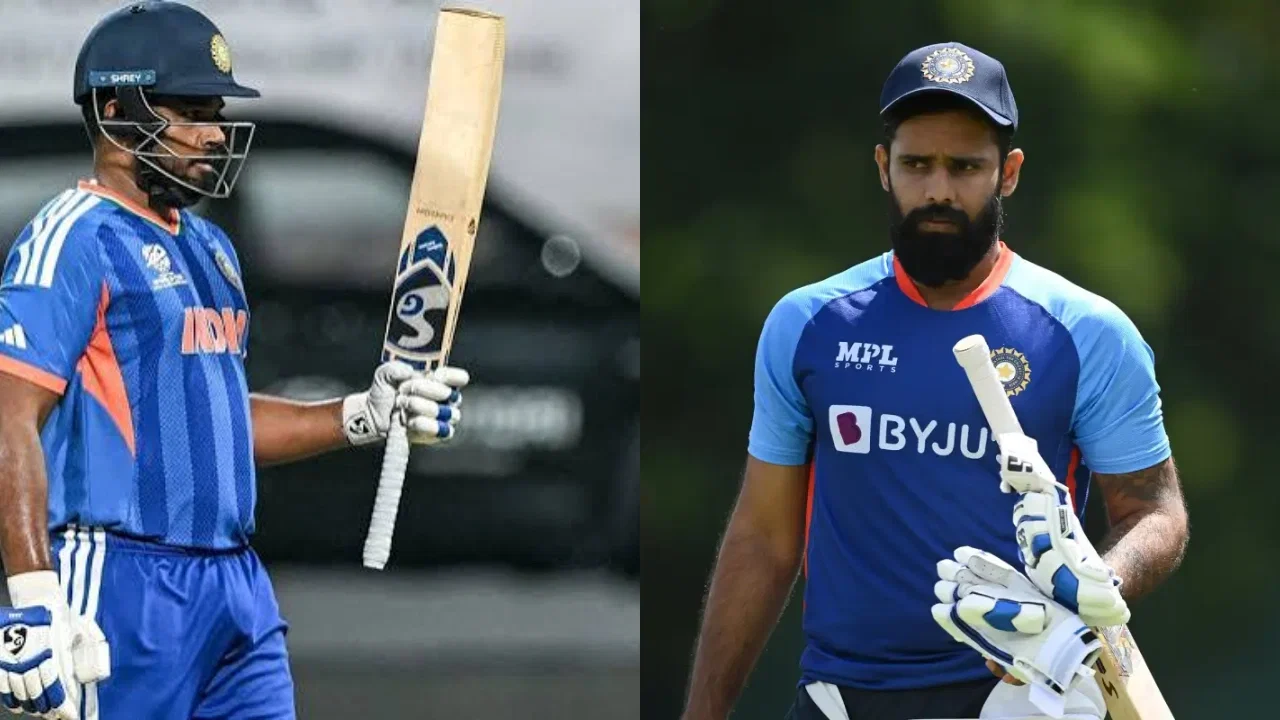
Hanuma Vihari Identifies a Footwork Concern in Sanju Samson’s Batting
Sanju Samson’s powerful innings helped India complete a record 226-run chase against New Zealand in the first T20I in Christchurch. The opener struck 67 from just 33 deliveries, hitting eight fours and four sixes, and earned the Player of the Match award for his decisive contribution. Yet while his performance drew praise from Indian cricket fans, former India batter Hanuma Vihari believes there is one technical area Samson should continue to work on: his footwork against swing bowling.
Vihari shared his assessment ahead of the second T20I, scheduled to be played in Christchurch on Saturday, October 24. His comments offer a more detailed perspective on Samson’s innings: the right-hander’s aggressive stroke play can be highly effective, particularly when the ball comes straight, but movement away from him may present a different challenge.
Why Vihari Is Watching Samson’s Foot Movement
According to Vihari, Samson can remain deep in his crease and does not always move his feet decisively when facing a delivery that swings away. That can leave him reaching for the ball rather than getting into a balanced position, increasing the chance of missing it or edging it behind.
“There was not much swing, so there was no problem. But when there is swing, Sanju Samson has issues, as he stays deep in the crease,” Vihari said in a video on his YouTube channel. He added that Samson’s feet were not moving sufficiently against an outswinger from Adam Milne in the first match.
Vihari’s point is not that Samson lacks the ability to play swing bowling. Rather, the concern is about how quickly he adjusts when the ball moves late in the air. A batter who stays rooted or reacts with their hands alone may find it harder to control the shot, especially against a new-ball bowler looking to exploit Christchurch conditions. A small adjustment—such as moving forward earlier, getting into line, or leaving a wider delivery—can help reduce that risk.
Samson’s Strength: Positive Intent and Straight Batting
Despite identifying a possible weakness, Vihari also praised Samson’s shot selection and the way he built his innings. Samson’s 67 was not simply a display of power. He found the boundary regularly and, importantly, played several deliveries straight down the ground, choosing a high-percentage scoring option instead of trying to manufacture shots across the line.
“His shot selection was great. He played straight down the ground,” Vihari said, while also noting that Samson’s recent consistency has varied. The former Delhi Capitals player pointed to the West Indies series as a period when Samson showed encouraging signs, including a couple of strong performances.
That balance between attack and control could be important as the series progresses. Samson is at his most dangerous when he can use his timing and reach to punish deliveries in his hitting arc. Straight batting allows him to take advantage of balls in his zone while limiting some of the risks associated with forcing shots through the leg side or against the swing. His first-match innings showed how quickly he can change the momentum of a chase when he finds that rhythm.
India’s Middle-Order Wickets and Christchurch’s Big Boundaries
Vihari also offered an explanation for India’s cluster of wickets after Samson’s dismissal. India made a strong start in the chase through Samson and Abhishek Sharma, but the innings lost some momentum in the middle overs as Ishan Kishan, Tilak Varma and Abhishek fell while attempting aggressive shots.
Vihari suggested that Christchurch’s larger boundaries played a role. Shots that might clear the rope at smaller venues in India can fall short on a bigger ground, where batters need to generate more power or find gaps more accurately. That difference can make boundary-hitting a higher-risk option, particularly when a team is trying to maintain a demanding run rate.
“The shots Ishan and Tilak played would have been sixes in India,” Vihari said. He added that Abhishek was also dismissed while trying to attack, describing such outcomes as part of the game rather than evidence that India had struggled throughout the chase.
What to Watch in the Second T20I
Samson’s response to swing bowling is likely to be one of the talking points in the next match. New Zealand’s bowlers may look to test him with deliveries moving away early in his innings, while India will hope he can again provide a fast start at the top of the order. Whether Samson adjusts his position in the crease, commits more clearly to the front foot, or shows greater patience outside off stump could influence the contest.
India may also need to account for the ground dimensions when planning their middle-overs approach. Instead of relying solely on clearing the boundary, rotating the strike and targeting the gaps could help prevent a promising chase from losing momentum. The first T20I demonstrated both sides of India’s batting: the explosive potential of its top order and the risks that come with attacking on a large field.
Prediction: Samson’s Technique Could Shape the Contest
Any prediction for the second T20I will depend on how both teams adapt after the opener. Samson’s form gives India a significant advantage if he can carry his confidence into the next innings, but Vihari’s observation highlights a tactical route New Zealand could explore. Early movement away from the bat, combined with disciplined lines, may test Samson before he settles.
For India, the key will be turning Samson’s attacking intent into another controlled start while ensuring the middle order responds sensibly to Christchurch’s dimensions. His match-winning 67 has already shown the impact he can make; the next challenge is sustaining that threat against a bowling attack that may be more deliberate in targeting his footwork. If he combines his clean hitting with sharper movement against swing, Samson could become an even more dependable force in the series.
Latest News
Shreyas Iyer set to surpass Rohit Sharma’s record against New Zealand in 2nd T20I
Hanuma Vihari points out area of concern in Sanju Samson’s batting
Ishan Kishan ruled out of 2nd T20I vs New Zealand GT batter named as replacement
“Daws was probably our best bowler”: Harry Brook explains why Adil Rashid was dropped
Women’s T20 World Cup 2028: Pakistan set to host ICC Tournament, final on October 1

Nasser Hussain defends James Anderson after Lancashire contract uncertainty
S Meghana retires from all forms of cricket, thanks RCB
Not Nitish Kumar Reddy! This Mumbai Indians sensation tipped as the next Hardik Pandya
Ravichandran Ashwin explains why Bhuvneshwar Kumar struggled in 1st T20I vs New Zealand
Irfan Pathan takes aim at Gautam Gambhir’s haters over Ishan Kishan-Tilak Varma controversy
PCB to introduce PSL Sixes to compete with Hong Kong Sixes

IND vs NZ Playing 11 Today, Live Streaming, Pitch & Weather: New Zealand vs India 2nd T20I, 2026
Tim David eyes Australia’s 2027 ODI World Cup spot with surprise Tasmania return
Virat Kohli ignored calls, messages: Amit Mishra blames ex-India captain for crushing comeback hopes