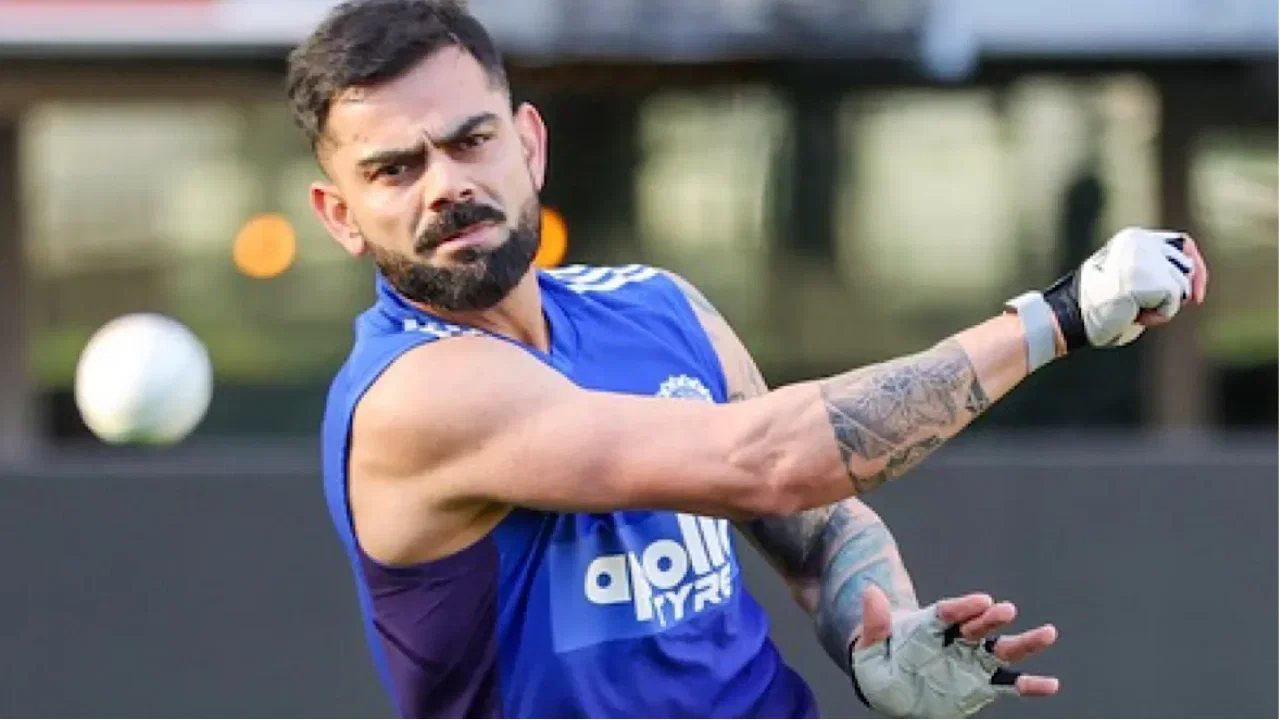
Sachin Tendulkar backs Joe Root to break his all-time Test record, suggests changes for ODIs
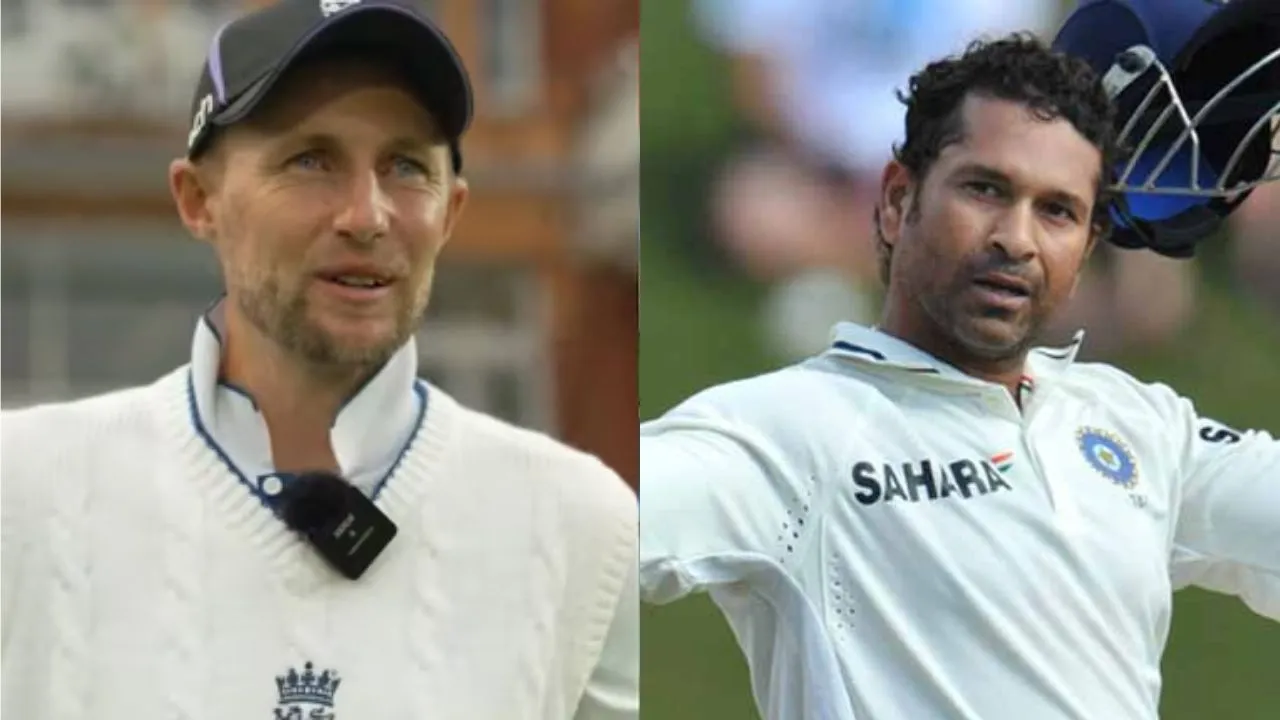
Sachin Tendulkar backs Joe Root to challenge his Test run-scoring record
Sachin Tendulkar believes Joe Root has the skill and temperament to become Test cricket’s leading run-scorer. The Indian batting great says he recognised Root’s promise from the England batter’s debut in 2012, when the two met on the field in Nagpur.
Root is now within reach of Tendulkar’s long-standing record. He has scored 14,278 runs in 169 Test matches, while Tendulkar finished his career with 15,921 from 200 matches. Root needs 1,643 more runs to move past the former India captain and claim the top spot in the format’s all-time list.
Speaking during a recent Ask Me Anything session on Reddit, Tendulkar was asked about Root’s pursuit of the record. His response was both generous and confident: “I’ve always rated him very highly, and it was evident to me in his first Test match that he was going to make it big!”
A promising start in Nagpur
Tendulkar was part of the Indian side when Root made his Test debut against India in Nagpur in December 2012. The young batter made an immediate impression, scoring 73 runs from 229 deliveries in the first innings. He remained unbeaten on 20 in the second innings as the match ended in a draw.
That patient debut innings offered an early glimpse of the qualities that would define Root’s career: a willingness to absorb pressure, a strong defensive game and the concentration to build an innings over time. More than a decade later, those traits have helped him become one of the most consistent batters of his generation.
Root’s chase of Tendulkar’s record is a major storyline in modern Test cricket, although the number of runs required is only one part of the prediction. Reaching the mark will also depend on his fitness, form, England’s schedule and how long he continues playing at the highest level. Tendulkar’s public backing, however, reflects the respect Root has earned from one of the game’s most accomplished run-makers.
Tendulkar names Root among his favourite overseas batters
During the same Reddit exchange, Tendulkar was asked to name some of his favourite batters from outside India. He mentioned Root and England teammate Harry Brook, as well as Australia’s Steve Smith.
The choices bring together players with contrasting styles. Smith is known for his unconventional methods and remarkable record, while Brook has quickly developed a reputation for attacking strokeplay. Root, meanwhile, has combined classical technique with the ability to adapt to changing conditions and match situations. Tendulkar’s selections underline the variety of batting approaches that continue to shape international cricket.
Tendulkar proposes a new format for ODI cricket
The former India captain also used the discussion to put forward an idea for changing one-day international cricket. His proposal would divide each team’s 50 overs into two innings of 25 overs, rather than asking a side to bat through one uninterrupted 50-over innings.
Crucially, each team would still have only 10 wickets for the entire match. The two innings would not provide a fresh set of wickets, and Tendulkar also suggested using a single ball throughout the contest. Together, those rules are intended to create a different tactical challenge while addressing concerns about the balance between bat and ball.
Under Tendulkar’s concept, both teams would bat and bowl in conditions affected by dew. In many day-night matches, moisture can make the ball harder for bowlers to grip and can help batters play their shots more freely, particularly later in the game. Splitting the innings could expose both sides to comparable conditions, rather than leaving one team with a decisive advantage based on when it bats.
Why the balance between bat and ball matters
ODI cricket has changed significantly over the years. Fielding restrictions, powerplays, evolving bat technology and two new balls in many competitions have all influenced how teams approach the format. High totals and aggressive batting can make matches exciting, but they can also leave bowlers with limited room for error, especially when conditions favour stroke-makers.
Tendulkar’s suggestion is designed to keep the contest more competitive. A single ball used across the full 50 overs could behave differently from a format that introduces a second new ball, potentially giving bowlers more opportunity to use wear, movement and changing match conditions. The shared 10-wicket limit would also make teams weigh risk more carefully across both 25-over periods.
The proposal would represent a substantial change, and it would raise practical questions for players, coaches and tournament organisers. Teams would need to rethink batting orders, bowling rotations and strategies for managing wickets across two separate innings. Broadcasters and governing bodies would also have to consider how the structure affects match length and audience appeal.
Still, the idea adds to an ongoing conversation about how to keep ODI cricket distinctive alongside the faster pace of T20 and the endurance of Test cricket. Any format change would need careful trials and feedback from players, but Tendulkar’s comments highlight a central challenge for the sport: preserving excitement without making bowlers feel like an afterthought.
Two major conversations about cricket’s future
Tendulkar’s remarks connect a historic individual milestone with a broader debate about the game’s evolution. Root’s pursuit of the Test record is a reminder of the longevity and consistency required to build a career across years of international cricket. Tendulkar’s ODI proposal, meanwhile, looks ahead to how the sport might adapt its rules to sustain a fair contest.
Whether Root ultimately surpasses the record will depend on the seasons still ahead, but Tendulkar has made his view clear: he saw the potential from the beginning. And while his suggested ODI format is only an idea at this stage, it offers a fresh prediction for how limited-overs cricket could change in the search for a better balance between bat and ball.
Latest News
Kolkata Knight Riders retained players list 2027: Predicted retentions ahead of IPL auction
“Your mom will die”: Azam Khan reveals horrific abuse from Babar Azam fan
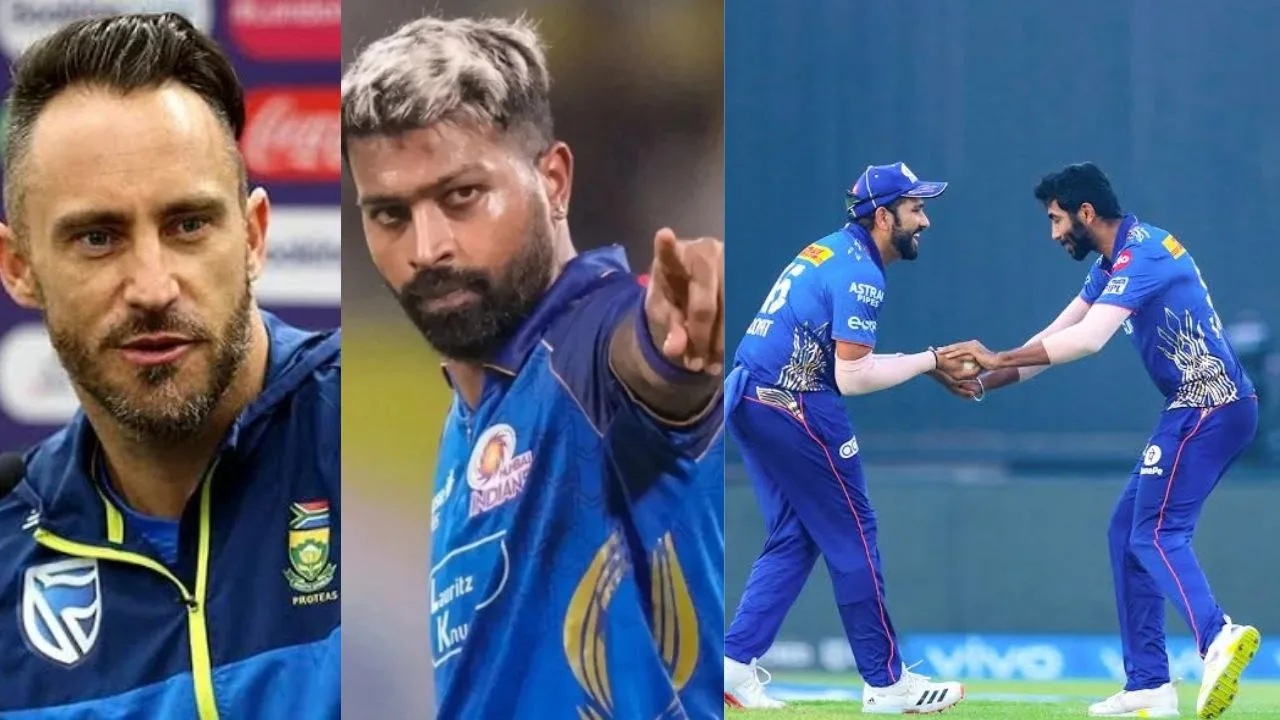
Faf du Plessis picks Hardik Pandya as KKR captain, names Rohit Sharma or Jasprit Bumrah for MI
Sachin Tendulkar backs Joe Root to break his all-time Test record, suggests changes for ODIs

CSK and SRH complete blockbuster four-player trade ahead of IPL 2027
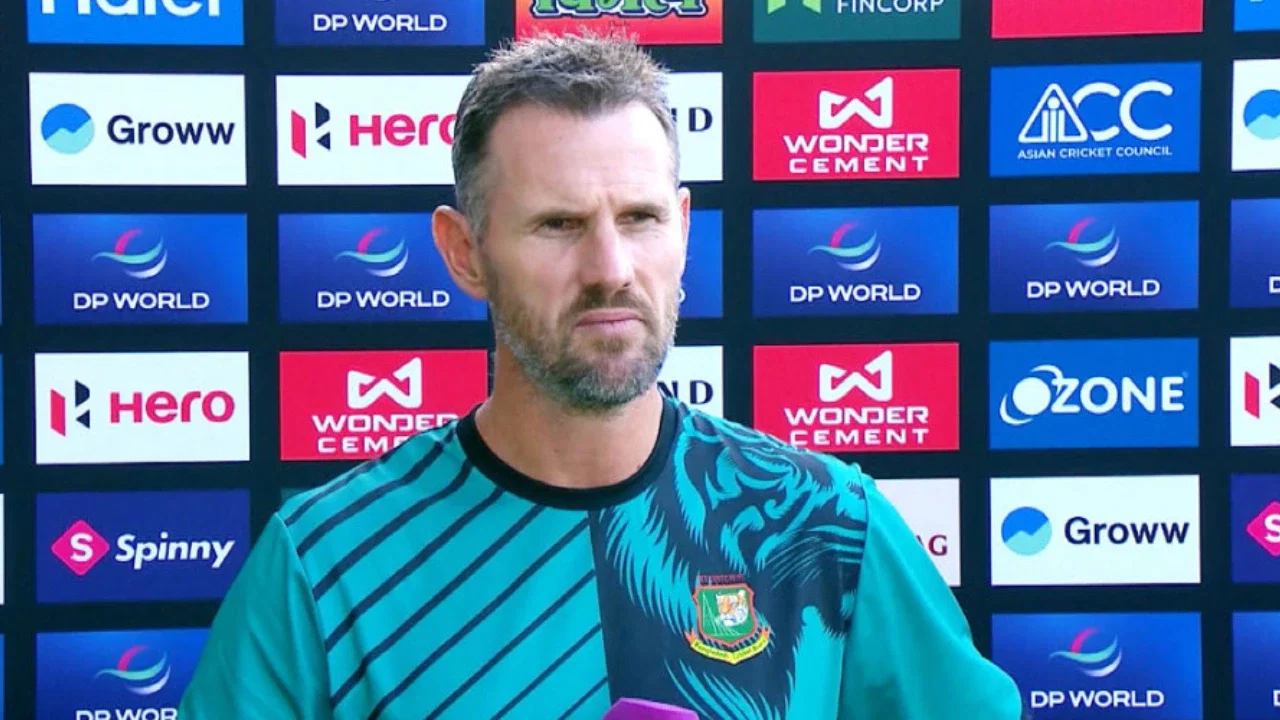
Shaun Tait returns to PSL as Lahore Qalandars’ head coach
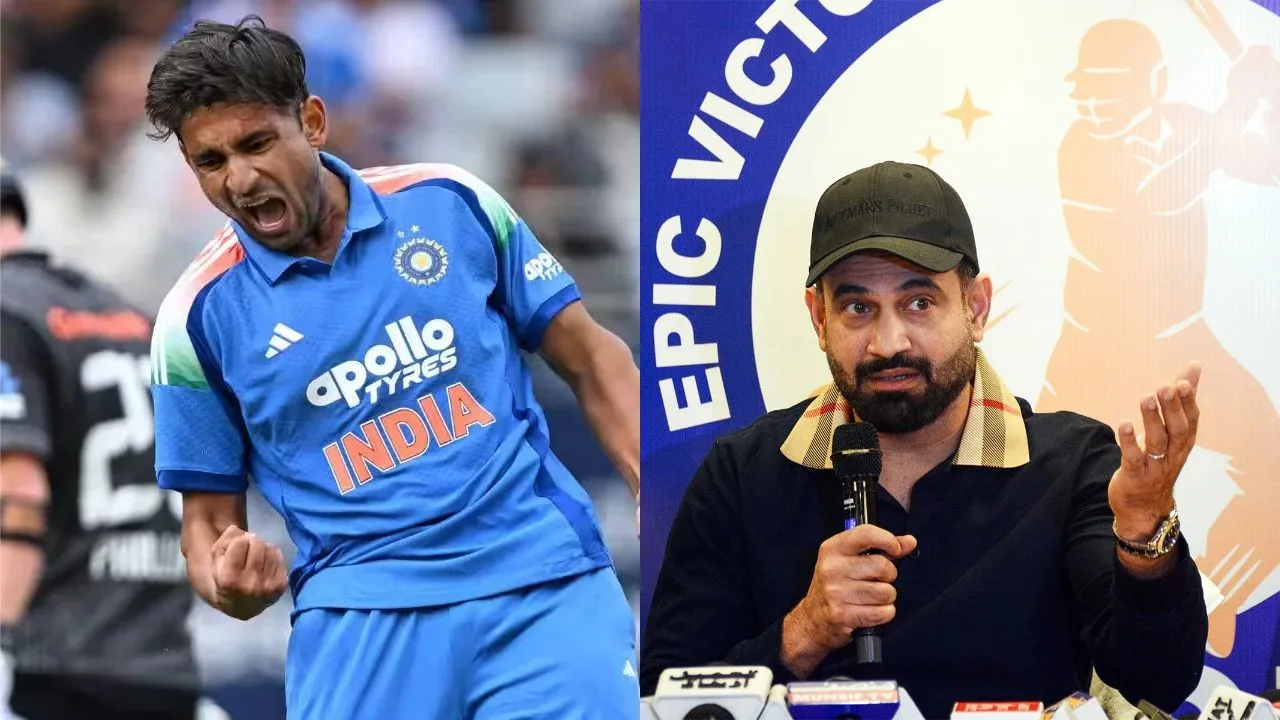
Irfan Pathan backs Anshul Kamboj for World Cup after standout spell against New Zealand
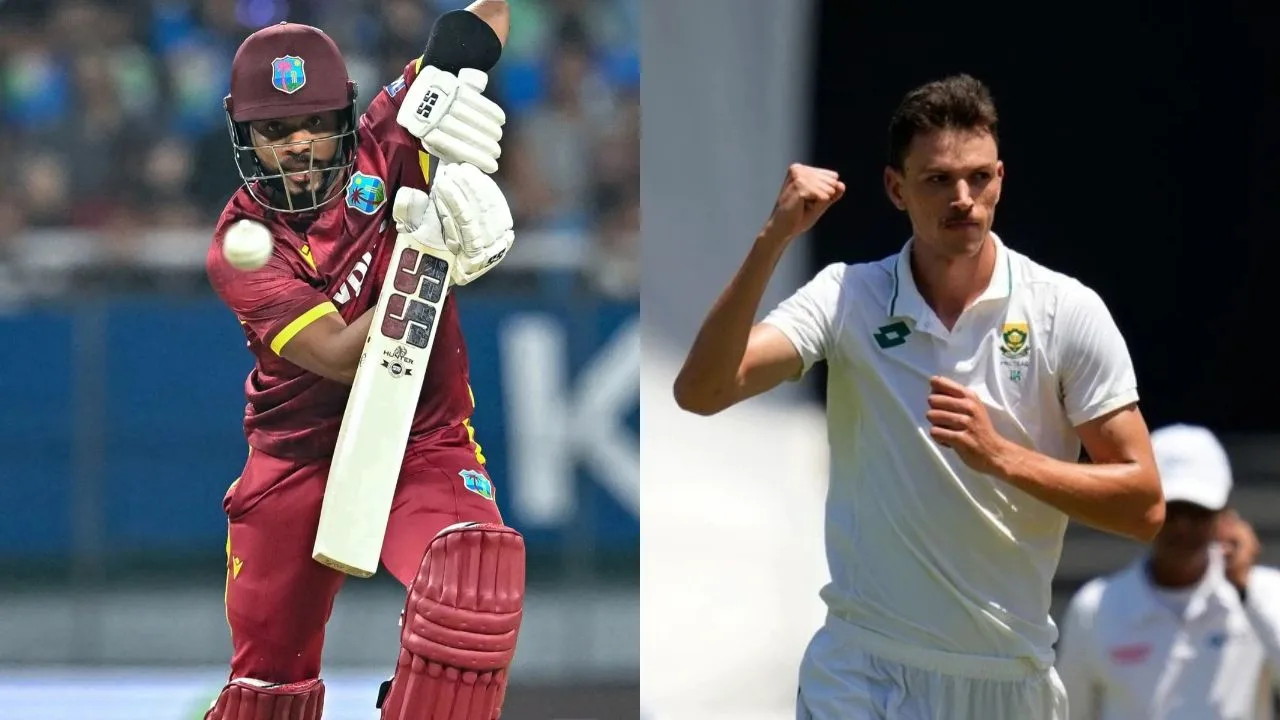
ICC announces October Player of the Month nominees featuring Marco Jansen and Shai Hope

IPL likely to continue Impact Player rule for 2027 after franchises raise concerns

Greg Chappell reveals what Marnus Labuschagne must do to regain form

Afghanistan Premier League in trouble? ICC approval and ECB concerns put English players in doubt
‘Hardik Pandya was cornered at MI’: Ambati Rayudu’s bold claim
Oman secure direct qualification for 2027 World Cup Qualifier; joins USA, Scotland and Netherlands
Rashid Khan’s Test comeback update arrives